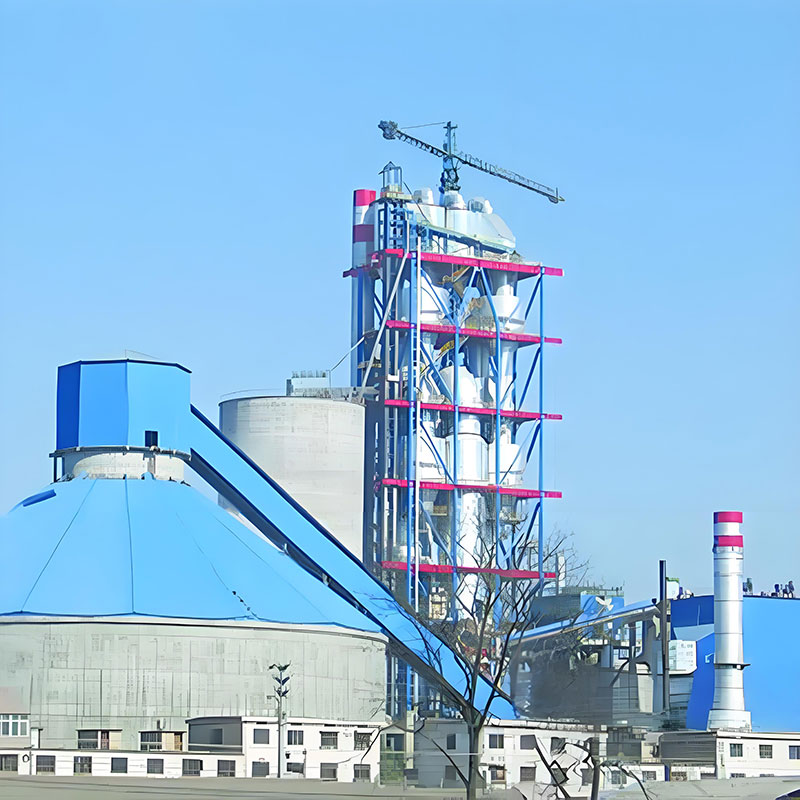
A cement production line is an integrated system of equipment and processes that transforms raw limestone, clay, and other minerals into finished cement — one of the most fundamental construction materials on earth. The core answer to how it works: raw materials are quarried, crushed, blended, preheated, and fired at up to 1,450°C in a rotary kiln to produce clinker, which is then cooled, ground with gypsum, and packaged as cement. Understanding each stage in depth is essential for engineers, procurement teams, and investors evaluating cement plant equipment, capacity planning, and energy efficiency upgrades.
Jiangsu Haijian Co., Ltd, established in 1970 and restructured into a provincial privately-owned joint-stock enterprise in 2003, has accumulated over five decades of hands-on manufacturing experience in cement production equipment, industrial solid waste incineration systems, and mining and metallurgical machinery. With a workforce of more than 300 professionals — 25% of whom are engineering and technical personnel — and a facility covering 100,000 m², the company stands as a major backbone enterprise and a primary export base for cement, power, environmental protection, and metallurgical and mining equipment in China.
Global cement production reached approximately 4.1 billion metric tons in 2023, and demand continues to rise alongside urbanization in Asia, Africa, and Latin America. For plant operators and project developers, the efficiency of every stage in the cement manufacturing process directly determines output quality, operating cost, and environmental footprint.
Content
The cement manufacturing process consists of six primary stages. Each is interdependent — a bottleneck or quality deviation at any stage propagates through the entire downstream process, affecting clinker strength, grinding efficiency, and final cement grade.
Limestone constitutes 75–80% of the raw material feed. It is quarried, blasted, and transported to primary crushers (jaw or hammer type) that reduce particle size from over 1,000 mm to below 25 mm. Secondary crushing further reduces material to below 12 mm for efficient pre-blending. The chemical composition of limestone — particularly CaO, SiO₂, Al₂O₃, and Fe₂O₃ — must be monitored continuously using online analyzers to maintain the limestone saturation factor (LSF) within target range.
Crushed materials are ground into raw meal with a fineness of approximately 12–15% residue on a 90-micron sieve using vertical roller mills (VRM) or ball mills. The raw meal is then blended in large homogenization silos — typically 5,000–20,000 m³ capacity — using compressed air fluidization to achieve a coefficient of variation below 1.0% in CaCO₃ content. Consistent raw meal chemistry is the single most important factor in producing uniform, high-strength clinker.
In a modern dry process cement plant, raw meal passes through a multi-stage cyclone preheater — typically 4 to 6 stages — where it absorbs heat from the kiln exhaust gases, reaching temperatures of 850–900°C before entering the precalciner. The precalciner decomposes approximately 85–95% of the calcium carbonate (calcination) before kiln entry, dramatically reducing the thermal load on the rotary kiln and allowing higher throughput. This stage alone accounts for the most significant efficiency gain in modern cement production compared to the older wet and semi-dry processes.
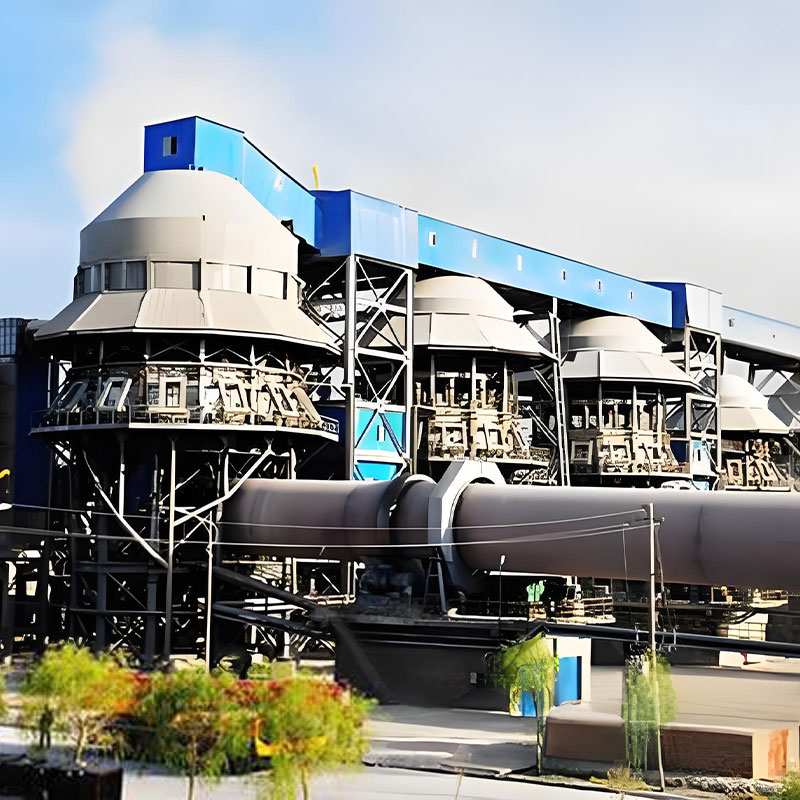
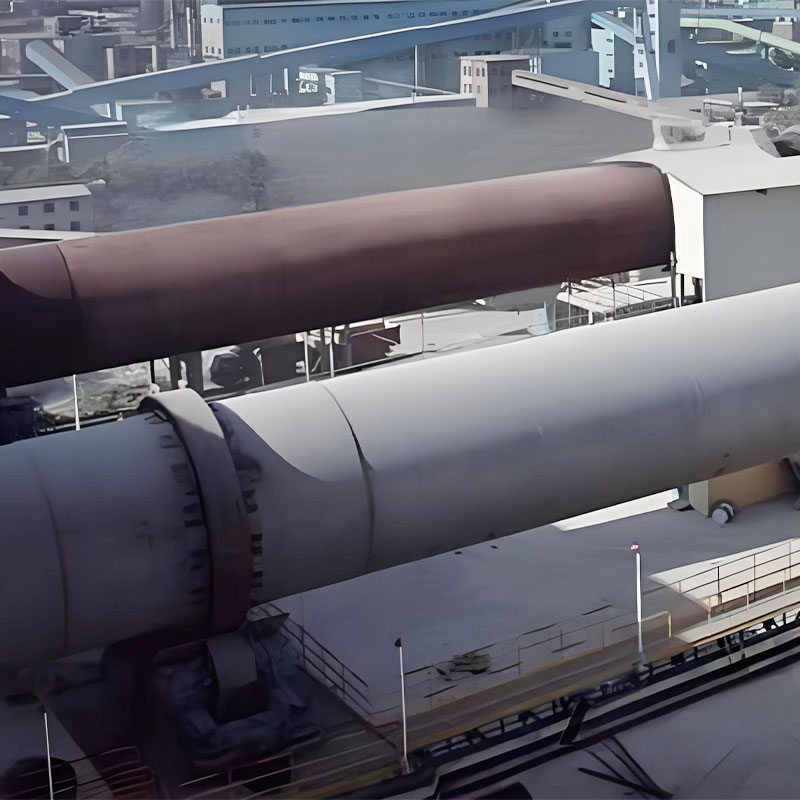
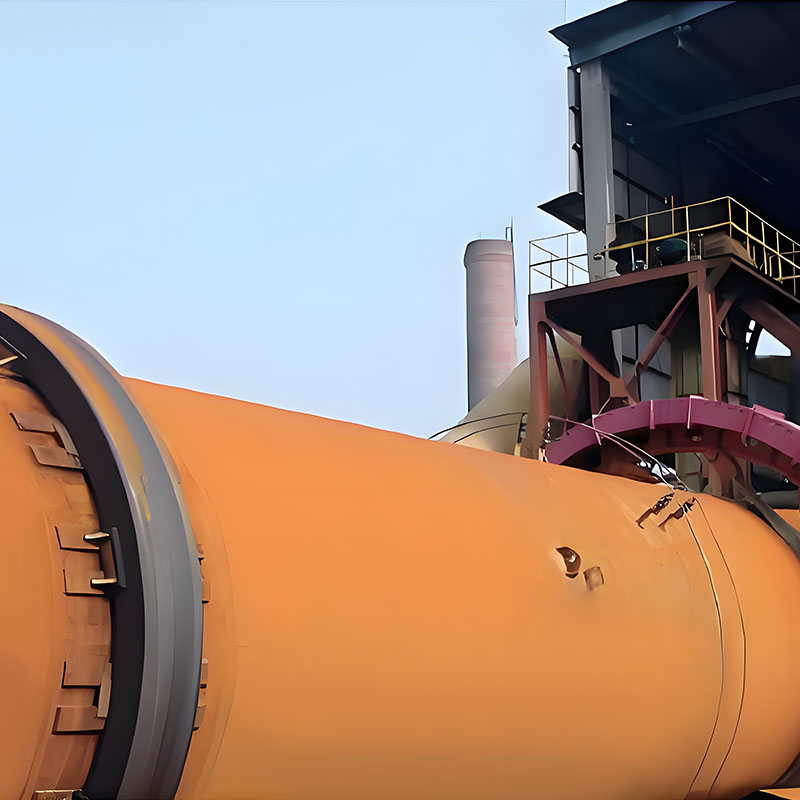
The rotary kiln cement burning process is the thermal heart of the entire production line. Material travels through the kiln — typically 60–90 meters long and 4–6 meters in diameter — as it rotates at 1–4 rpm. The burning zone reaches 1,400–1,500°C, enabling the formation of the four key clinker minerals: alite (C₃S), belite (C₂S), aluminate (C₃A), and ferrite (C₄AF). Kiln thermal efficiency, fuel mix, and refractory lining life are the dominant factors in clinker quality and production cost. Alternative fuels including refuse-derived fuel (RDF), biomass, and industrial by-products can substitute up to 30–60% of thermal energy in optimized kilns, significantly reducing carbon emissions.
Hot clinker exits the kiln at over 1,200°C and must be rapidly cooled to below 100°C for safe conveying and storage. Modern grate coolers recover 70–75% of clinker heat as secondary and tertiary air returned to the kiln and precalciner, respectively. The cooling rate directly affects clinker grindability and the ratio of amorphous to crystalline free lime — fast cooling is consistently associated with better cement performance.
Cooled clinker is ground with 3–5% gypsum (to regulate setting time) and potentially supplementary cementitious materials (SCMs) such as slag, fly ash, or limestone filler. The cement grinding plant stage employs ball mills, vertical roller mills, or roller press circuits. Final cement fineness, measured by Blaine surface area, typically ranges from 300–450 m²/kg depending on cement type. Finished cement is stored in silos and dispatched in bulk tankers or bagged.
Cement Production Line: Process Flow Overview
Sequential process flow of a modern cement production line from quarrying to dispatch.
Each stage in the cement production line is tightly linked to the next — performance at any node directly determines throughput and quality downstream. The transition from the older wet process to modern dry process cement plants with preheaters and precalciners has been the most consequential improvement in the industry, cutting specific heat consumption from over 5,500 kJ/kg clinker to below 3,000 kJ/kg in optimized installations. Understanding this flow is fundamental for anyone evaluating cement plant equipment or planning a new clinker production line.
The dry process cement plant has become the global standard for new installations, accounting for over 90% of global cement capacity built since 2000. The contrast with the older wet process is stark and instructive.
| Parameter | Dry Process (Modern) | Wet Process (Legacy) |
|---|---|---|
| Heat Consumption (kJ/kg clinker) | 2,900 – 3,200 | 5,000 – 6,500 |
| Moisture Content of Feed (%) | < 1% | 30 – 40% |
| Kiln Length (m) | 60 – 90 | 150 – 230 |
| CO₂ per Ton Cement (kg) | 580 – 650 | 800 – 950 |
| Preheater Stages | 4 – 6 cyclone stages | None |
| Suitable for Mini Cement Plant | Yes (300–1,000 tpd) | Not Recommended |
The thermal energy advantage of the dry process translates directly into lower fuel costs and significantly reduced CO₂ emissions per ton of cement produced. A mini cement plant operating on dry process technology at 500 tpd can achieve production economics that were simply unavailable to small-capacity wet process plants. For greenfield projects in emerging markets, dry process with 5-stage preheater is now the accepted minimum standard.
Heat Consumption by Cement Process Technology (kJ/kg Clinker)
Comparative heat consumption across cement process technologies. Lower values indicate higher thermal efficiency.
The chart makes the energy efficiency gap between dry and wet process technologies impossible to overlook. A modern dry process plant with a 6-stage preheater consumes more than 54% less thermal energy per kilogram of clinker than a legacy wet process kiln — a difference that translates into substantially lower fuel bills and CO₂ intensity at any scale. For operators considering plant upgrades or new investments in an energy saving cement plant, transitioning to dry process with multi-stage preheating is the single highest-impact technical decision available. The data also reveals that semi-dry process occupies a transitional middle ground, often justified only for existing installations where full conversion to dry process is not economically viable.
Selecting the right cement plant equipment for each stage is as important as the process design itself. Equipment decisions affect capital cost, maintenance complexity, spare parts availability, and long-term operational reliability. Below is a practical overview of the principal equipment categories in a complete cement production line.
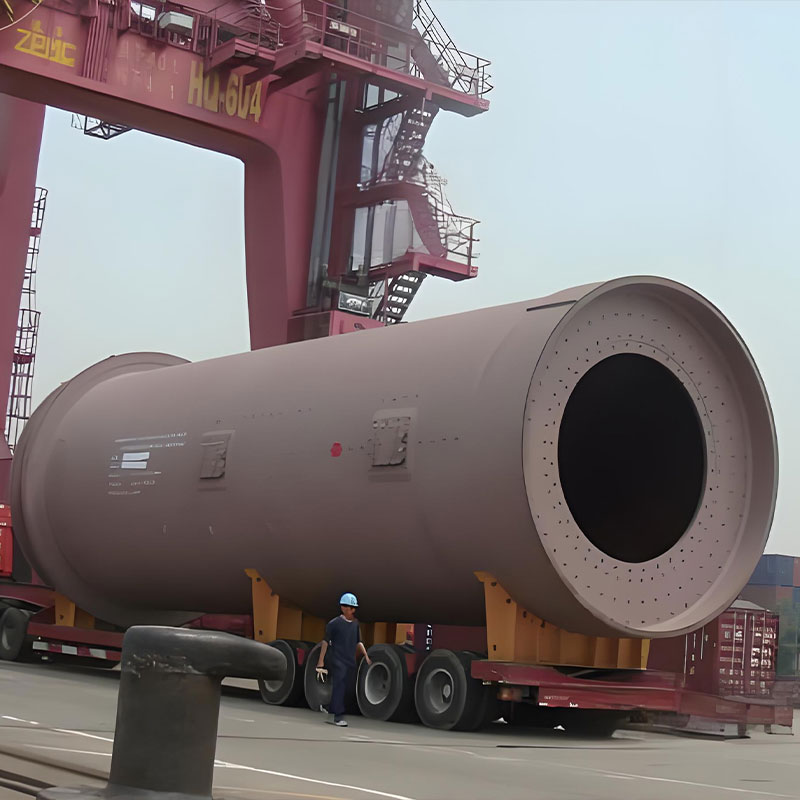
The rotary kiln cement system is the most capital-intensive single piece of equipment in the entire plant. Modern rotary kilns for cement use three-pier support designs with friction drives, allowing precise rotation control from 0.5 to 5 rpm. Kiln shell temperatures are monitored by infrared scanners to detect early hot spot development before refractory failure. Throughput for modern kilns ranges from 500 tpd (for mini cement plants) to over 10,000 tpd for world-scale facilities. Jiangsu Haijian's machining capabilities — including floor-type lathes with Φ7×20m capacity and overhead cranes up to 150 tons — enable the fabrication of kiln shells and supporting structures for the full range of commercial kiln sizes.
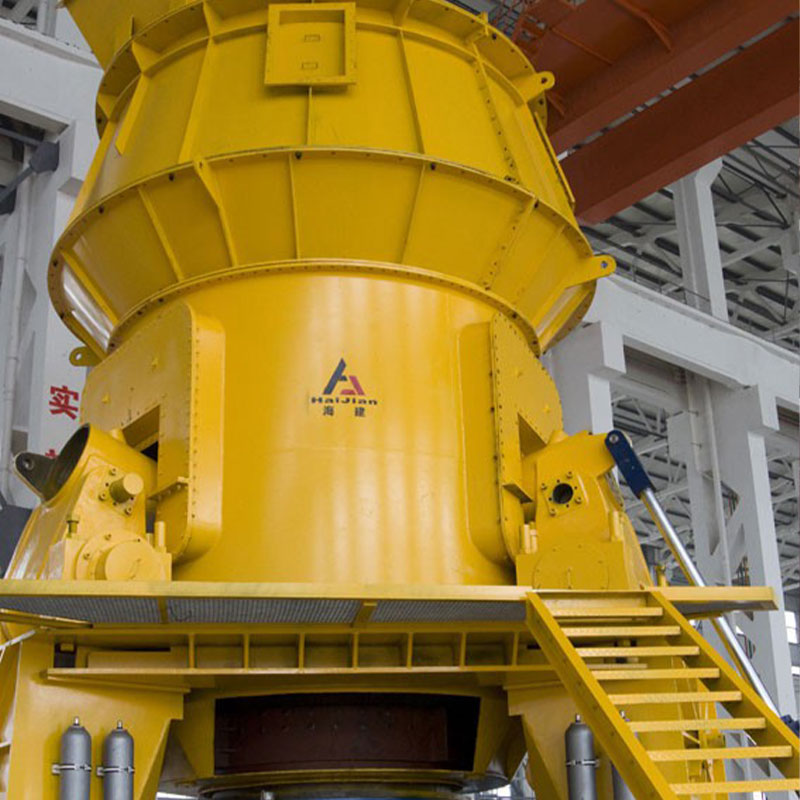
The vertical roller mill cement grinding system has largely displaced ball mills for raw meal preparation and, increasingly, for finish grinding as well. VRMs integrate grinding, drying, classification, and conveying in a single compact unit. Specific power consumption is 30–40% lower than comparable ball mill circuits — a critical advantage as electricity costs rise globally. The Slag VRM is a specialized variant designed for the higher hardness and abrasivity of granulated blast furnace slag, a key supplementary cementitious material used in low-carbon cement formulations.
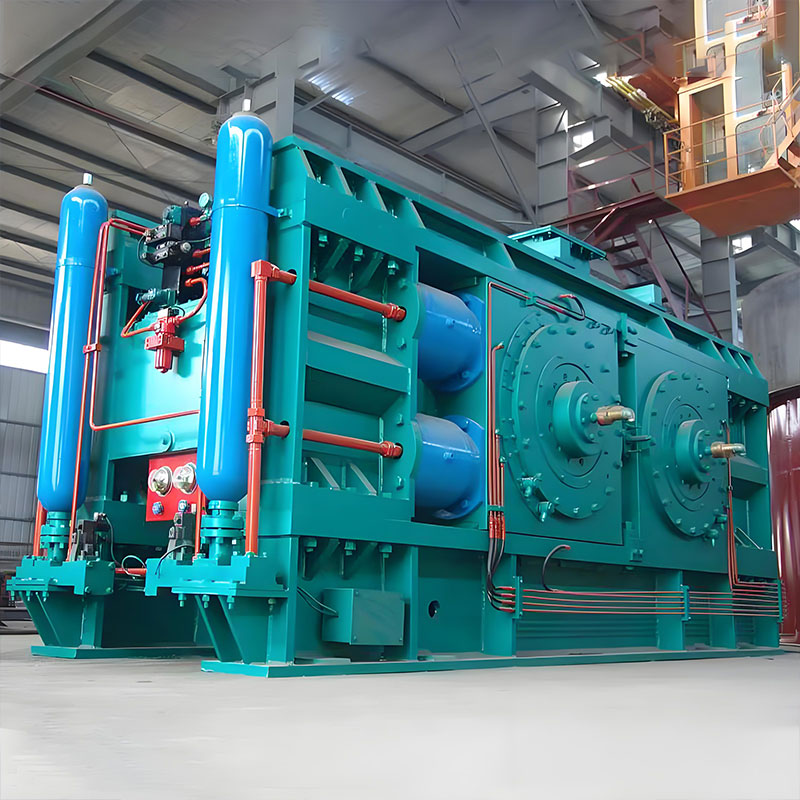
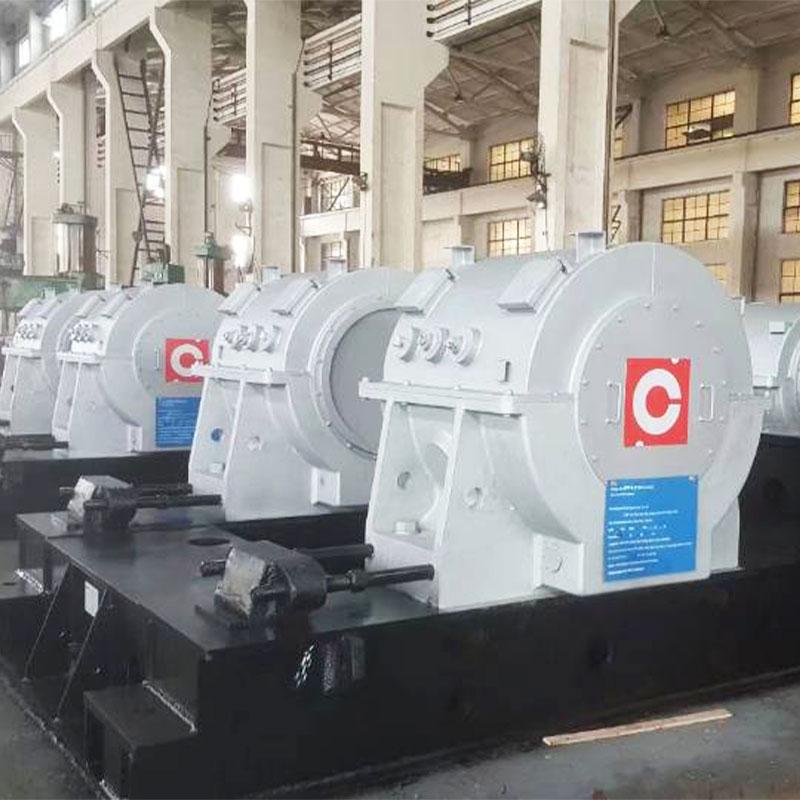
The Roller Press operates on the principle of inter-particle comminution under high pressure (50–300 MPa), pre-cracking particles before ball mill finish grinding. When deployed as a pre-grinder in a hybrid circuit, roller presses reduce ball mill energy consumption by 20–30%. In some installations, roller presses operate in closed circuit as standalone finish grinders, delivering finished cement at Blaine values up to 400 m²/kg with lower specific energy than ball mill circuits at equivalent fineness.
The Cement Mill — typically a two-chamber ball mill in traditional plants — remains widely deployed for its operational flexibility and ability to produce a broad range of cement types and fineness levels within the same installation. Modern high-efficiency separators (third-generation dynamic separators) can improve ball mill circuit throughput by 15–25% compared to older centrifugal separator designs, making mill upgrades a cost-effective path to debottlenecking existing cement grinding plants.
Equipment Performance Radar: Ball Mill vs. VRM vs. Roller Press
Normalized performance radar for the three dominant cement grinding technologies. Scores are relative, not absolute.
The radar visualization highlights the trade-offs inherent in each grinding technology. The Vertical Roller Mill (VRM) leads in energy efficiency — its most critical dimension in an era of rising electricity costs — while the traditional ball mill retains advantages in operational flexibility and maintenance familiarity for plant teams. The Roller Press occupies a specialized niche, excelling as a pre-grinding stage that dramatically reduces the load on downstream ball mills. For most new cement grinding plant investments, VRM selection is strongly supported by the energy efficiency advantage, particularly when factoring in the growing value placed on carbon reduction and energy saving in modern cement operations. The ball mill remains justified in plants with high fineness requirements or where operational teams prioritize simplicity.
Designing a clinker production line begins with three fundamental decisions: target annual production capacity, process technology selection, and the clinker-to-cement ratio. These parameters flow into equipment sizing, site area requirements, and utility infrastructure design. The following benchmarks reflect contemporary best practices for dry process lines.
Site area requirements scale with capacity. A 2,500 tpd dry process plant typically requires 15–25 hectares, including quarry access roads, raw material stockpiles, clinker storage, and cement dispatch facilities. Kiln run factor (annual operating hours divided by total hours) should target above 85% in well-managed operations; below 80% signals chronic reliability issues that inflate the effective cost per ton significantly.
Kiln Capacity vs. Specific Heat Consumption Trend
As kiln capacity increases, specific heat consumption per kg of clinker decreases due to improved thermal efficiency at scale.
The trend line confirms a clear and consistent relationship: larger clinker production lines achieve lower specific heat consumption due to better surface-to-volume ratios in the rotary kiln, more efficient preheater designs, and higher throughput over fixed thermal infrastructure losses. A mini cement plant at 300 tpd operates at roughly 3,450 kJ/kg clinker, while a world-scale 10,000 tpd line approaches 2,820 kJ/kg — a 18% efficiency advantage. This economy-of-scale effect partially explains why large cement groups invest in fewer, larger lines rather than multiple small units. However, for regional market access and logistics optimization, the mini cement plant remains commercially viable and increasingly energy-efficient as process technology continues to improve.
The cement industry accounts for approximately 7–8% of global CO₂ emissions, making the development of energy efficient cement plants both an environmental imperative and a competitive differentiator. Modern plants deploy multiple overlapping strategies to reduce both thermal and electrical energy consumption and move toward lower carbon production.
Waste heat recovery systems capture thermal energy from kiln exhaust gases (at approximately 300–380°C) and clinker cooler exhaust air (at 250–350°C) to generate electricity. A well-designed WHR system can generate 30–40 kWh per ton of clinker, covering 20–30% of the plant's total electricity demand at zero fuel cost. Payback periods of 4–7 years are typical, making WHR one of the highest-return capital investments available to existing cement plants. Jiangsu Haijian's experience in thermal process equipment and metal fabrication positions it as a credible supplier for WHR system components.
Alternative fuel substitution replaces coal and petroleum coke with refuse-derived fuel (RDF), municipal solid waste (MSW), biomass, used tires, and industrial solvents. European cement producers have achieved thermal substitution rates above 60% in some facilities; the global industry average is approximately 20%. Alternative fuel use simultaneously reduces fuel cost and CO₂ intensity per ton of clinker, though it requires investment in fuel preparation, storage, feeding, and emissions monitoring systems.
Replacing clinker with SCMs — slag, fly ash, calcined clay, or limestone filler — in the final cement formulation is the most direct route to low carbon cement production. Every 10% reduction in clinker factor reduces CO₂ by approximately 65 kg per ton of cement. Portland composite cements with 20–35% SCM replacement are now mainstream in most markets. The Slag VRM offered by Jiangsu Haijian is specifically designed to process granulated blast furnace slag to the fine particle size (Blaine 400–500 m²/kg) required for effective SCM performance in blended cement.
Potential CO₂ Reduction by Energy Saving Strategy (kg CO₂/t cement)
Approximate CO₂ reduction potential (kg CO₂ per ton of cement) achievable by each energy saving and decarbonization strategy.
The column chart reveals that SCM blending offers the single largest decarbonization lever — up to 65 kg CO₂ per ton of cement — followed by alternative fuel substitution at 55 kg. Waste heat recovery and upgrading to 6-stage preheaters contribute meaningful but secondary benefits, while switching to vertical roller mills for grinding delivers both electrical energy savings and a modest additional CO₂ reduction. In practice, plants pursuing energy saving cement plant objectives deploy multiple strategies simultaneously, with the combined effect capable of reducing emissions by 150–180 kg CO₂ per ton of cement relative to an unoptimized baseline — a reduction of 25–30%.
Many cement plant operators also integrate an Active lime production line within or adjacent to the cement facility, capitalizing on shared limestone quarrying, crushing, and thermal infrastructure. Active lime (quicklime, CaO) is produced by calcining high-purity limestone at 900–1,100°C in shaft kilns or rotary lime kilns — a lower temperature range than cement clinker burning, with correspondingly lower fuel consumption.
Active lime serves critical roles in steel desulfurization, flue gas desulfurization (FGD) in power plants, water treatment, and construction chemical production. Typical active lime plants integrated with cement facilities range from 200 to 600 tons per day, with activity (residual CO₂ content) below 3% as the primary quality criterion for steel industry customers. The production synergies — shared quarry, shared fuel supply, shared workforce — make active lime an attractive diversification for cement plant operators seeking to maximize return on fixed infrastructure.
For project developers evaluating a new cement production line investment, the following cement production steps checklist captures the key decision points and performance targets that determine project success.
Q1: What is the difference between a dry process and wet process cement plant?
In a dry process cement plant, raw materials are ground and blended in dry form before entering the kiln system, requiring approximately 2,900–3,200 kJ of heat per kg of clinker. In the wet process, raw materials are mixed with water to form a slurry (30–40% moisture), which must be evaporated in a much longer kiln — consuming 5,000–6,500 kJ/kg. All modern greenfield projects use dry process technology with multi-stage preheaters for its superior energy efficiency and lower capital cost per ton of clinker.
Q2: How long does it take to build a cement production line from start to finish?
A typical 2,500 tpd dry process cement line requires 24–36 months from contract signing to commercial production. This includes site preparation (3–4 months), civil foundation construction (6–9 months), equipment installation (8–12 months), refractory lining and commissioning (3–4 months), and performance testing (1–2 months). Mini cement plant projects at 300–500 tpd can be completed in 18–24 months. Equipment delivery lead times — particularly for the rotary kiln, preheater tower, and large mills — are typically on the critical path.
Q3: What is the role of the rotary kiln in cement production?
The rotary kiln is the thermal core of the cement production line. It is a slowly rotating inclined steel cylinder — typically 60–90 meters long and 4–6 meters in diameter — where preheated and pre-calcined raw meal undergoes the final high-temperature reactions (1,400–1,500°C) to form clinker minerals. The kiln's performance — its thermal efficiency, refractory lining life, drive reliability, and run factor — determines more than any other single piece of equipment whether the plant meets its production and cost targets.
Q4: What is a mini cement plant and is it economically viable?
A mini cement plant is generally defined as a dry process production line with a clinker capacity of 300–1,000 tons per day (tpd), designed for regional markets where logistics costs make large distant plants uncompetitive. They are economically viable in areas with adequate local limestone reserves, limited local competition, and where delivered cement from distant large plants commands a freight premium. Modern dry process mini cement plant designs with 4-stage preheaters achieve specific heat consumption of 3,100–3,400 kJ/kg, which while higher than world-scale plants, remains commercially acceptable when the freight cost savings are factored in.
Q5: How does waste heat recovery work in a cement plant?
Waste heat recovery in a cement plant captures the hot exhaust gases from the kiln preheater (300–380°C) and the cooler exhaust air (250–350°C) through a series of heat exchangers or boilers that generate steam, which drives a turbine-generator set. A well-designed WHR system produces 30–40 kWh of electricity per ton of clinker, typically covering 20–30% of the plant's total electricity consumption at no incremental fuel cost. The investment is financially attractive for plants with electricity costs above approximately USD 0.06/kWh, with payback periods commonly in the 4–7 year range.
Q6: What equipment is needed for a complete cement grinding plant?
A standalone cement grinding plant — one that receives clinker from an external source and grinds it to finished cement — requires clinker receiving and storage (silos and conveyors), a gypsum and SCM receiving and dosing system, the grinding circuit itself (ball mill, vertical roller mill, or roller press plus separator), finished cement silos, and dispatch facilities for bulk and bagged cement. The VRM and roller press configurations are preferred for new installations due to their lower electricity consumption. Jiangsu Haijian supplies Cement Mills, Roller Presses, and Slag VRMs for exactly this type of standalone or integrated grinding application.
It is focused on the overall solution of dry bulk material port transfer system,
research and development, manufacturing, and service