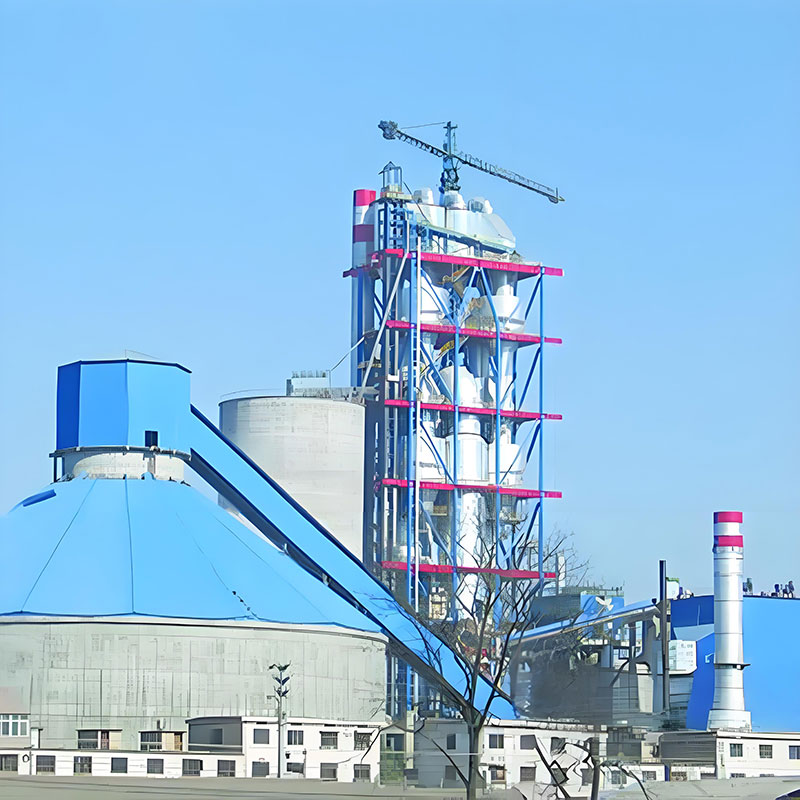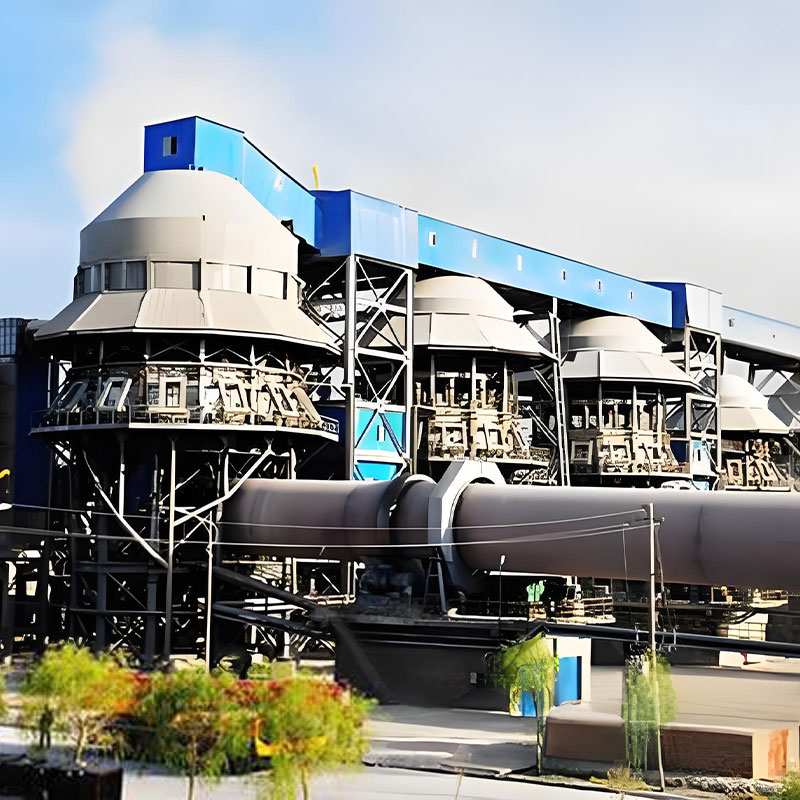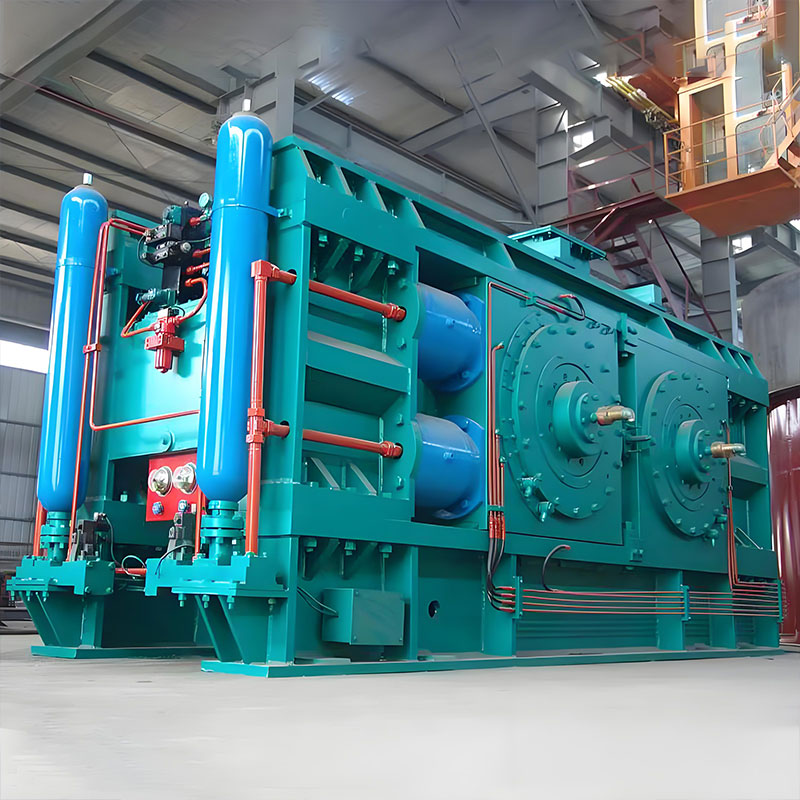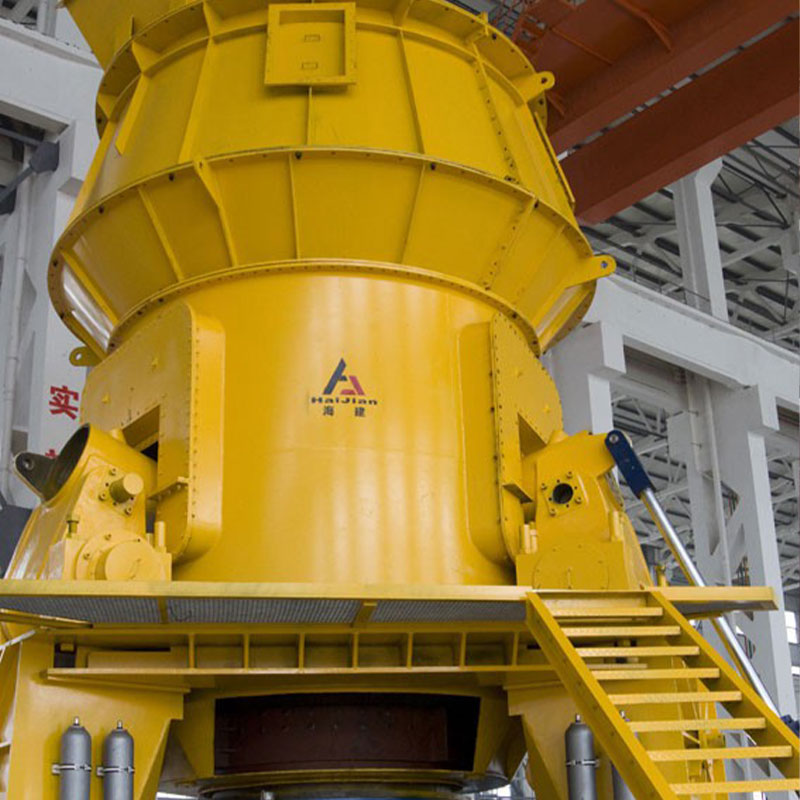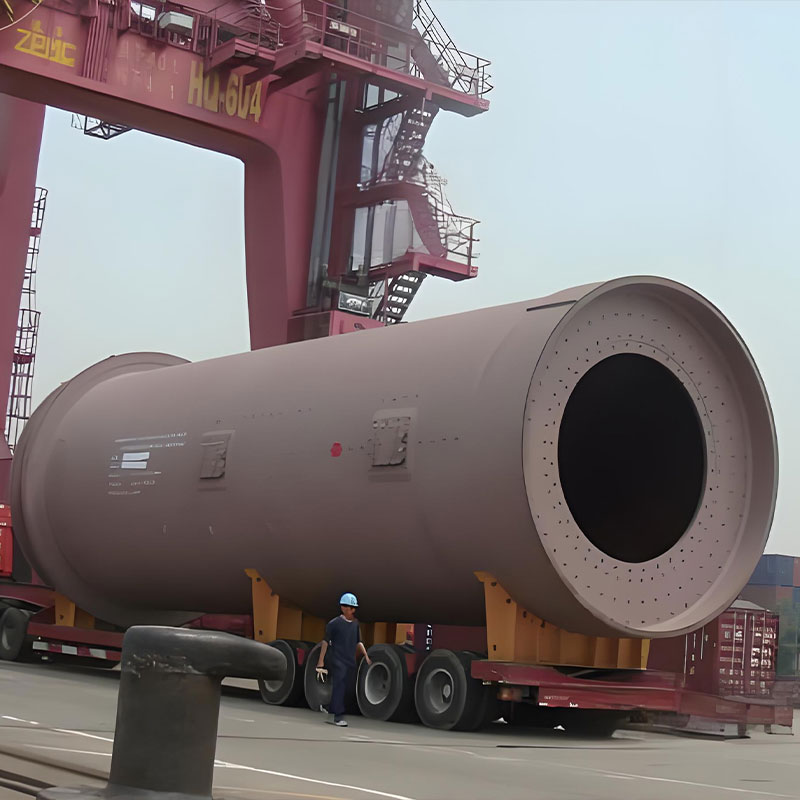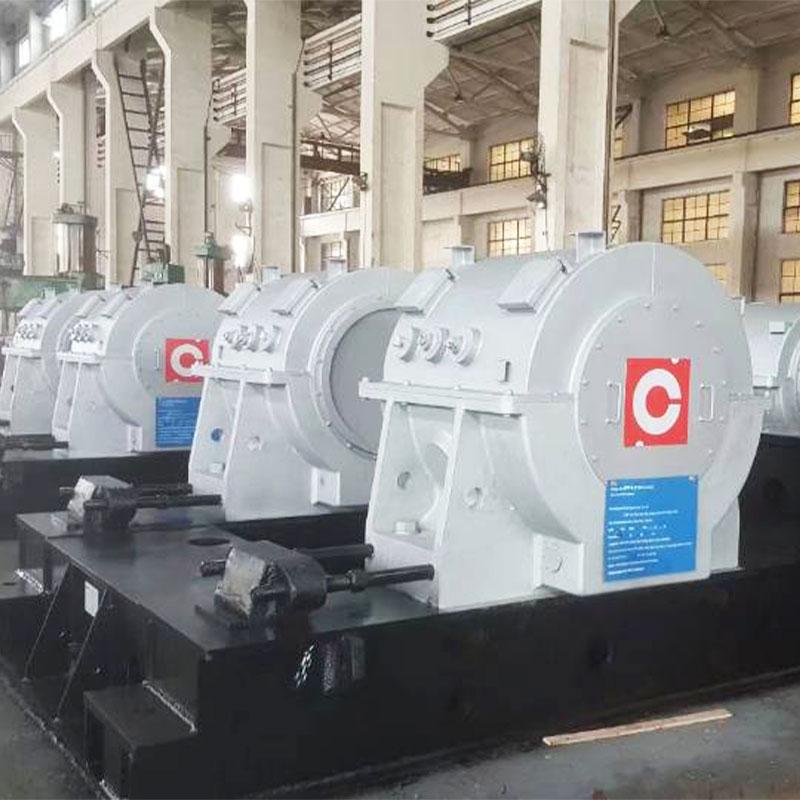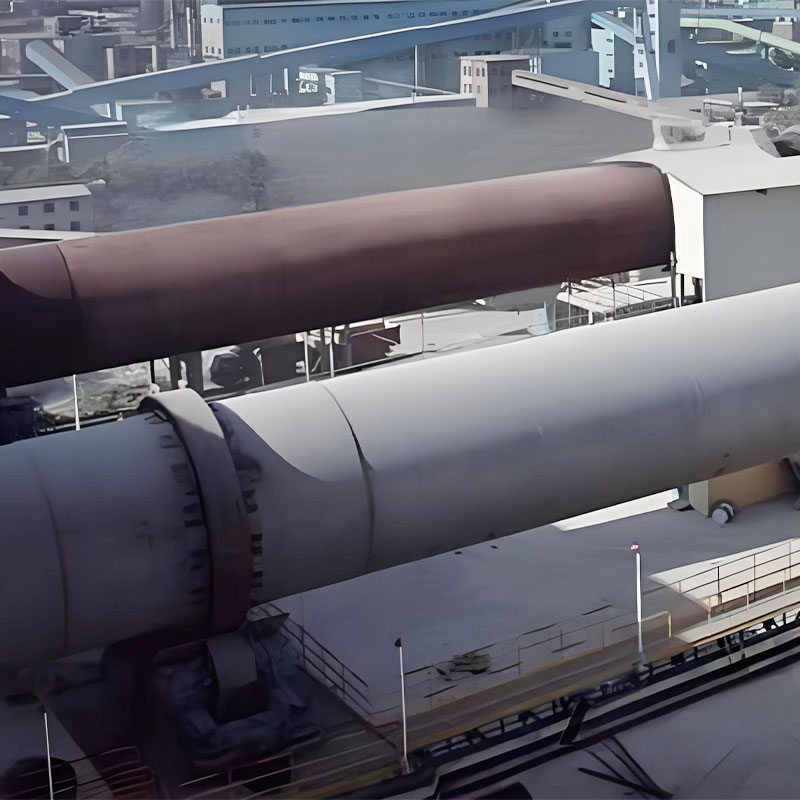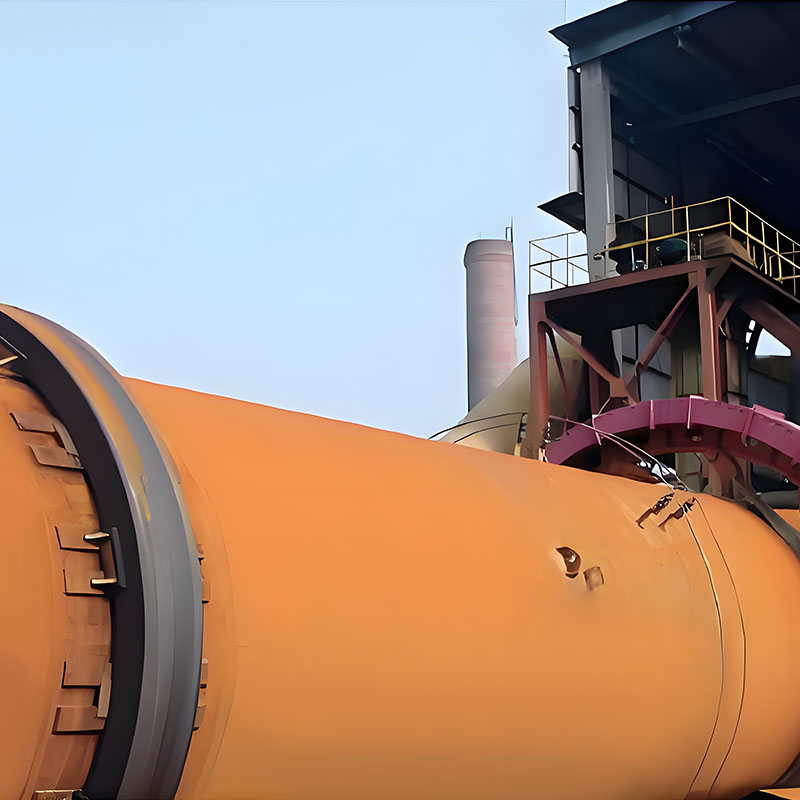
A cement production line is an integrated system of industrial equipment and processes that transforms raw materials — primarily limestone, clay, and iron ore — into finished cement. The full process spans five major stages: raw material extraction, raw meal preparation, clinker burning, cement grinding, and packaging. A modern cement production line can produce anywhere from 500 to 10,000 metric tons of clinker per day, depending on its scale and configuration.
Understanding how a cement production line works is critical for project developers, plant operators, and procurement teams evaluating custom cement production line suppliers and factories. This guide covers the full process, key equipment, capacity benchmarks, energy strategies, and automation technology in detail.
Content
Every cement production line, whether a modular cement plant design or a large-scale greenfield facility, follows the same fundamental production sequence. Each stage is interdependent, and the efficiency of the overall line depends on how well each phase is engineered and integrated.
Limestone is typically quarried within a few kilometers of the plant. Primary and secondary crushers reduce the material from boulder size (up to 1,500mm) down to less than 25mm. Jaw crushers, hammer crushers, and impact crushers are all common in this stage. The crushed material is then transported via conveyors to the raw material stockpile or pre-homogenization hall.
Raw materials are blended in precise ratios — typically 80% limestone, 10–15% clay or shale, and 3–5% iron ore — before being fed into a raw mill. Vertical roller mills (VRM) and ball mills grind the blend to a fine powder called "raw meal," with 90% of particles below 90 microns. Accurate chemical composition control at this stage directly determines clinker quality downstream.
The raw meal is preheated in a multi-stage cyclone preheater, then enters the rotary kiln where it is burned at temperatures reaching 1,400–1,500°C. This produces clinker — the hard, nodular material that gives cement its binding properties. Cement kiln fuel efficiency improvement is a primary focus for operators, as the kiln accounts for 60–70% of total plant energy consumption. Technologies like waste heat recovery, alternative fuel co-processing, and optimized burner design are widely adopted.
Cooled clinker is combined with gypsum (3–5%) and any supplementary cementitious materials (fly ash, slag, pozzolan) and ground in a cement mill. An energy saving cement grinding system — such as a roller press combined with a ball mill — can reduce power consumption in this stage by 20–30% compared to conventional ball mill circuits. Fineness (Blaine surface area) is typically controlled between 300–450 m²/kg depending on the cement grade.
Finished cement is stored in cement silos ranging from 5,000 to 50,000 tons capacity. Automated rotary packers fill 25kg or 50kg bags at rates of 1,000–3,000 bags per hour, while bulk loading systems serve ready-mix and construction industry clients. Dust collection systems ensure environmental compliance throughout this stage.
The diagram below illustrates the sequential process flow of a complete cement production line, from raw material input to finished product dispatch.
This five-stage process is universal across all cement plant scales. In a well-engineered cement production line, the transition between each stage is automated and monitored in real time, allowing operators to quickly identify and address bottlenecks. The grinding and kiln stages are the most energy-intensive and therefore receive the greatest focus in terms of efficiency upgrades and optimization investments.
A comprehensive cement production line equipment list covers over 30 types of individual machines, each serving a specific function. Below is a structured overview of the principal equipment categories and their operating specifications.
| Equipment | Function | Typical Capacity | Stage |
|---|---|---|---|
| Jaw / Hammer Crusher | Primary size reduction | 500–2,000 t/h | Raw Material |
| Vertical Roller Mill (Raw) | Raw meal grinding | 100–600 t/h | Raw Meal Prep |
| Cyclone Preheater | Thermal preconditioning | 4–6 cyclone stages | Clinker Burning |
| Rotary Kiln | Clinkerization | 500–10,000 t/day | Clinker Burning |
| Grate Cooler | Clinker cooling & heat recovery | Matched to kiln output | Clinker Burning |
| Cement Ball Mill / VRM | Final cement grinding | 20–200 t/h | Grinding |
| Rotary Packer | Bag filling & sealing | 1,000–3,000 bags/h | Packaging |
Beyond these primary machines, a complete cement production line also requires belt conveyors, bucket elevators, bag filters, electrostatic precipitators, air slides, weigh feeders, and various instrumentation systems. The selection and sizing of each component must be matched precisely to the designed daily output of the plant.
Energy cost is typically the single largest operating expense in cement manufacturing, representing 30–40% of total production cost. The chart below shows the average electrical and thermal energy distribution across the five main stages of a modern dry-process cement production line.
The rotary kiln dominates energy usage because it must maintain sustained high-temperature combustion for hours to achieve full clinkerization. This is why cement kiln fuel efficiency improvement technologies — including multi-channel burners, calciner optimization, and alternative fuel substitution rates of up to 40–80% — are such high-value investments. Modern plants can reduce specific heat consumption from 800+ kcal/kg clinker (older wet process) to below 700 kcal/kg in a state-of-the-art 6-stage preheater/precalciner system. The grinding stage represents the second largest energy draw; deploying an energy saving cement grinding system with a roller press pre-grinder can bring specific power consumption below 28 kWh per ton of cement.
Cement production lines are typically classified by their clinker output capacity in metric tons per day (t/d). The choice of scale depends on market demand, capital budget, raw material availability, and the infrastructure of the target region. The bar chart below compares key parameters across three plant scales.
Small-scale lines (300–700 t/d) are well suited to regional markets, remote locations, and early-stage projects where capital constraints are real. They also lend themselves to modular cement plant design, where equipment is pre-assembled in factory-fabricated modules that reduce on-site construction time by up to 40%. Medium-scale lines (1,000–3,000 t/d) are the most common in emerging markets across Southeast Asia, Africa, and the Middle East, offering a balance of unit cost efficiency and manageable investment. Large-scale and mega lines (5,000–10,000 t/d) deliver the lowest cost per ton of production but require substantial upfront capital, skilled workforce, and reliable logistics infrastructure.
The dry process has largely replaced the wet process in modern cement manufacturing due to its substantially lower energy consumption and reduced CO₂ emissions. The comparison below highlights the key technical and economic differences.
The radar chart clearly shows the dry process outperforming the wet process on energy efficiency, environmental compliance, and automation capability. Dry-process plants consume approximately 700–800 kcal/kg of clinker, compared to 1,300–1,600 kcal/kg for wet-process plants — a reduction of up to 50%. The wet process retains a marginal advantage in initial capital cost for raw material moisture-rich deposits, but this benefit is almost always offset by higher lifetime operational costs. As of 2024, more than 90% of new cement capacity commissioned globally uses the dry process with preheater/precalciner technology.
Modern cement plants deploy a cement factory automation system PLC (Programmable Logic Controller) as the backbone of process control. Integrated with Distributed Control Systems (DCS) and SCADA platforms, these systems enable real-time monitoring of thousands of process variables simultaneously.
Key capabilities of a modern cement automation system include:
Plants with full PLC/DCS integration typically achieve operational availability of 90–95%, compared to 75–85% for manually supervised facilities. The upfront investment in automation is generally recovered within 18–36 months through labor savings, energy efficiency improvements, and reduced unplanned downtime.
The line chart above demonstrates the consistent availability advantage of PLC-automated cement lines throughout the year. Manual operations tend to show greater month-to-month variability due to operator-dependent decision-making and slower response to equipment issues, whereas automated systems maintain tighter process stability. This data represents typical industry benchmarks and actual performance will vary based on plant age, maintenance protocols, and staff training levels.
Modular cement plant design has become an increasingly attractive option for project developers who need to minimize construction risk, shorten time-to-production, and adapt to challenging site conditions. Instead of fully custom-engineered civil works and equipment installations, modular designs pre-fabricate major equipment assemblies in a factory environment and ship them as containerized or skid-mounted modules.
Core advantages of the modular approach include:
Modular designs are particularly prevalent in Africa, Central Asia, and island markets where construction logistics are challenging and local skilled labor is limited. Capacities typically range from 300 to 1,500 t/d for modular configurations, though engineering advances are extending this upper limit.
Consistent cement quality depends on rigorous process monitoring at multiple control points along the production line. The table below outlines the critical quality parameters, typical test frequencies, and acceptable ranges for each stage.
| Stage | Parameter | Control Range | Test Frequency |
|---|---|---|---|
| Raw Meal | CaCO₃ / LSF ratio | 95–100 ± 1.5 | Every 1–2 hours |
| Raw Meal | Fineness (R90μm) | ≤ 12% | Every 2 hours |
| Kiln | Burning zone temp. | 1,400–1,500°C | Continuous |
| Clinker | Free lime (f-CaO) | ≤ 1.5% | Every 2 hours |
| Cement | Blaine fineness | 300–450 m²/kg | Every 1 hour |
| Cement | Compressive strength (28d) | ≥ 42.5 MPa | Each production batch |
The quality control framework described above is standard in ISO-certified cement plants. Automated online analyzers increasingly supplement or replace hourly grab-sample testing, providing continuous feedback loops that further reduce variability. In plants with integrated XRF online analysis, raw meal composition variance can be reduced by up to 60% compared to periodic manual sampling, which directly translates to more consistent clinker quality and lower fuel consumption per ton.
Jiangsu Haijian Co., Ltd, established in 1970 and restructured as a provincial privately-owned joint-stock company in 2003, is a recognized manufacturer and supplier of cement production line equipment in China. With over 300 employees — 25% of whom are engineering and technical professionals — and a facility covering 100,000 m² of land area with 55,000 m² of built space, the company operates at a scale that supports both domestic and international project requirements.
The company's manufacturing capability includes vertical lathes from Φ2.5 to 10 m, gear hobbing machines with Φ2–8 m capacity, floor-type lathes up to Φ7×20 m, overhead cranes from 10 to 150 t, plate rolling machines from 30 to 120 mm, and gas annealing furnaces measuring 6.5×6.5×18 m. With over 500 units/sets of various production equipment, Jiangsu Haijian provides professional cement production equipment, industrial solid waste incineration equipment, and equipment for mining and metallurgical applications.
Recognized as a major manufacturing enterprise, a key backbone enterprise, and a primary export base for cement, power, environmental protection, and metallurgical and mining equipment in China, Jiangsu Haijian holds the legal rights to independently manage import and export of its products and is authorized to undertake general contracting for foreign projects. For project developers and procurement teams searching for custom cement production line suppliers and factory partners, Jiangsu Haijian offers engineering expertise backed by more than five decades of industrial manufacturing experience.
Q1: What is a cement production line?
A cement production line is a complete set of integrated equipment and processes that converts raw materials such as limestone, clay, and iron ore into finished cement. It covers all stages from crushing and raw meal preparation through clinker burning, cement grinding, and final packaging.
Q2: How does a cement plant work step by step?
Raw limestone is quarried and crushed, then blended with corrective materials and ground into raw meal. The raw meal is preheated and burned in a rotary kiln at 1,400–1,500°C to produce clinker. Clinker is cooled, mixed with gypsum, ground to fine powder, and stored or packaged for dispatch.
Q3: What machines are used in a cement production line?
Key machines include jaw crushers, vertical roller mills, rotary kilns, cyclone preheaters, grate coolers, cement ball mills, bag filters, and rotary packers. Supporting equipment includes belt conveyors, bucket elevators, weigh feeders, and automated PLC/DCS control systems.
Q4: What is the capacity of a cement production line?
Cement production lines range from 300 t/d for small modular plants to 10,000 t/d and above for large-scale facilities. The most common configuration in emerging markets is the 1,000–3,000 t/d medium-scale line, which balances unit economics with manageable capital investment.
Q5: How long does cement production take?
In a continuous dry-process plant, raw material enters crushing and the finished bagged cement exits the packer within approximately 3–5 hours of processing time. The kiln residence time alone is typically 30–60 minutes. Plants operate 24 hours a day, 330–350 days per year, to maximize annual output.
Q6: What is the difference between wet and dry cement process?
The dry process grinds and mixes raw materials in their dry state before feeding them into the kiln, consuming around 700–800 kcal/kg of clinker. The wet process adds water to create slurry, requiring 1,300–1,600 kcal/kg. Over 90% of modern new capacity globally uses the dry process due to its significant energy and cost advantages.
It is focused on the overall solution of dry bulk material port transfer system,
research and development, manufacturing, and service