Quick Answer
An active lime production line is a complete industrial system that converts limestone (CaCO3) into highly reactive calcium oxide (CaO) through high-temperature calcination, typically at 1000–1350°C. It integrates crushing, preheating, rotary kiln calcination, cooling, and dust collection stages. Active lime is essential in steelmaking desulfurization, chemical processing, and environmental treatment — and a modern energy-saving lime kiln can achieve thermal efficiencies exceeding 80% while meeting stringent environmental standards.
Content
An active lime production line is an integrated industrial system engineered to produce high-activity calcium oxide (CaO) from natural limestone. Unlike ordinary lime, active lime exhibits an activity index above 300 mL (measured by the 4N HCl method in 10 minutes), making it far more reactive and valuable as a metallurgical and chemical reagent.
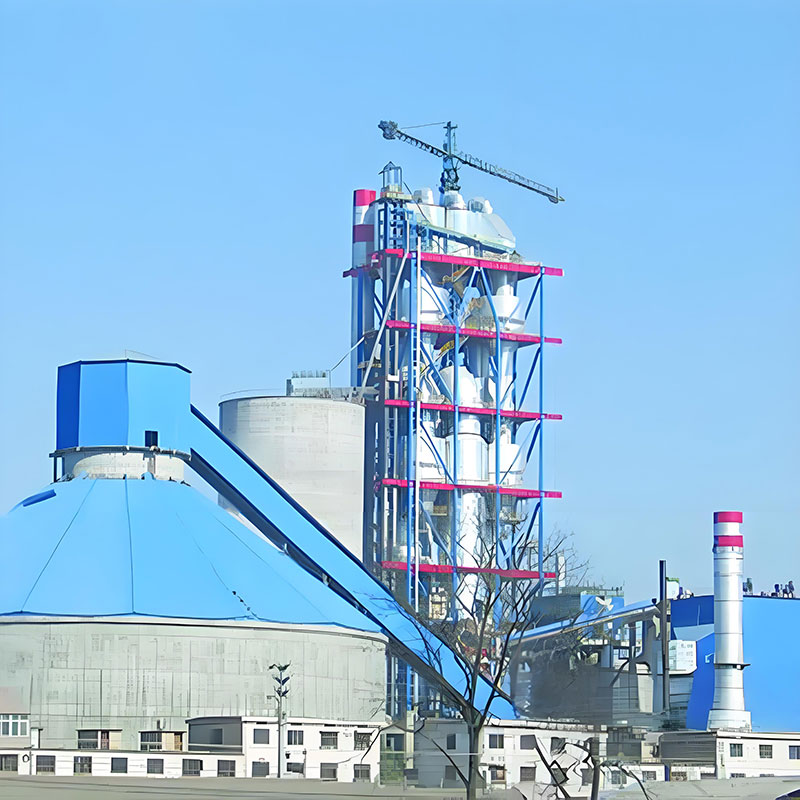
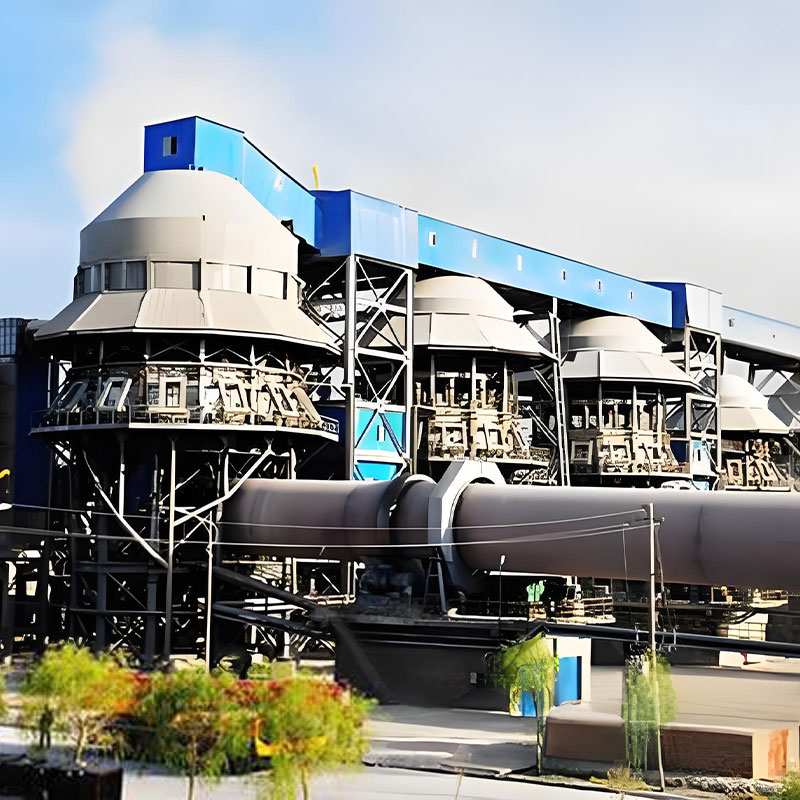
The process unfolds across several tightly controlled stages: raw limestone is first crushed and screened to uniform particle sizes (typically 10–50 mm), then fed into a vertical preheater where combustion gases preheat the material to around 900°C, reducing the thermal burden on the rotary kiln. Calcination occurs in the rotary kiln lime plant at 1000–1350°C, decomposing CaCO3 into CaO and CO2. The product then enters a vertical cooler to rapidly reduce temperature, preserving reactivity, before dust collection systems capture fine particles to meet environmental standards.
Activity index >360 mL, used in steelmaking converters, electric arc furnaces, and blast furnace injection for desulfurization and slagging.
Activity index 300–360 mL, widely applied in acid-base neutralization, carbide production, and PVC manufacturing processes.
Activity index 280–320 mL, used in wastewater neutralization, flue gas desulfurization, and solid waste stabilization.
A complete lime calcination plant integrates multiple pieces of specialized quicklime production equipment. Each piece is engineered to maximize thermal efficiency, product quality, and service life. Below is a breakdown of the primary components and their operational roles.
| Equipment | Function | Key Parameter |
|---|---|---|
| Jaw / Hammer Crusher | Primary size reduction of limestone blocks | Output: 10–50 mm |
| Vertical Preheater | Preheats limestone using kiln exhaust gases | Inlet temp: up to 900°C |
| Lime Rotary Kiln | High-temperature calcination of CaCO3 → CaO | 1000–1350°C, Φ2.5–4.8m dia. |
| Vertical Cooler | Rapidly cools CaO to preserve activity index | Exit temp: <80°C |
| Bag Filter / Dust Collector | Removes particulate from exhaust gas stream | Emission <30 mg/Nm³ |
| Conveying System | Bucket elevators, belt conveyors for material flow | Continuous closed-circuit |
Equipment Impact on Active Lime Quality Index (%)
* Represents the relative contribution weight of each equipment stage to the final activity index of quicklime.
Understanding the operational flow of a rotary kiln lime plant helps engineers optimize throughput, fuel efficiency, and product activity. Each stage demands precise parameter control to deliver consistent, high-activity quicklime.
Limestone with CaCO3 purity above 90% is quarried and transported to the plant. A jaw crusher reduces large blocks to <200 mm, followed by a secondary hammer crusher and vibrating screen producing the ideal 10–50 mm feed fraction for the kiln. Fines below 10 mm are diverted — using them directly would cause blocking and uneven calcination.
Crushed limestone descends through the vertical preheater countercurrent to rising hot gases from the kiln (typically 800–1000°C exit gas temperature). This pre-decomposes approximately 20–30% of the CaCO3 before the material even enters the kiln, recovering waste heat and cutting fuel consumption by up to 35% compared to plants without preheaters.
The kiln, rotating at 0.5–3.5 rpm, carries material through heating, decomposition, and firing zones. The firing zone reaches 1100–1350°C — the critical range where CaCO3 fully decomposes but CaO does not over-burn (which would collapse its pore structure and drastically reduce activity). Residence time is 2–4 hours depending on kiln diameter and rotation speed.
Hot CaO exits the kiln at 800–1000°C and enters a vertical cooler where ambient air flows countercurrent, rapidly chilling the product to below 80°C. This rapid quench preserves the internal microporous structure of the lime, which directly determines its high reactivity. The preheated air from cooling is returned to the kiln burner, improving overall thermal efficiency.
Exhaust gases pass through multi-stage cyclone pre-separators followed by high-efficiency bag filters. Modern systems achieve dust emission concentrations below 20 mg/Nm³, well within national emission standards. Collected fines are either repurposed as industrial lime powder or mixed back into product streams depending on quality specifications.
Fuel cost is the largest operating expense in any industrial lime processing line, representing 40–60% of total production cost. Advances in energy-saving lime kiln design have dramatically reduced specific heat consumption — the energy required to produce one ton of active lime — from the legacy figure of 1,450 kcal/kg down to below 850 kcal/kg in best-in-class installations.
Specific Heat Consumption Trend (kcal/kg of CaO)
* Industry benchmark specific heat consumption (kcal/kg) for active lime rotary kiln plants, 2005–2026 projection.
Key energy-saving measures implemented in current-generation systems include:
Active lime is consumed across a broad spectrum of industries. Globally, the steel sector accounts for approximately 55–60% of total active lime demand, making it the dominant market driver for operators of rotary kiln lime plants and integrated quicklime production equipment.
Active Lime Application Demand Profile (Radar)
* Relative demand intensity index for active lime across key industrial sectors (normalized to steelmaking = 100%).
Added to BOF converters and EAF at 30–70 kg/ton of steel for desulfurization, dephosphorization, and slag formation. High activity reduces lime consumption by 8–15% versus ordinary lime, directly cutting steelmaking costs.
Used in calcium carbide synthesis, soda ash production, PVC manufacturing, and pharmaceutical intermediates. Reactivity directly determines conversion rates and downstream purity.
Applied in wet and semi-dry flue gas desulfurization (FGD), acid wastewater neutralization, and heavy metal precipitation. Active lime achieves 15–25% higher SO2 removal efficiency than standard lime.
Blended into autoclaved aerated concrete (AAC) blocks, gypsum board, and soil stabilization compounds for road and foundation engineering projects.
Matching kiln size and output capacity to actual demand is fundamental. Oversizing wastes capital; undersizing creates production bottlenecks. The table below maps common kiln specifications to typical output and application scale to help decision-makers shortlist quicklime production equipment more efficiently.
| Kiln Diameter | Kiln Length | Output (t/d) | Typical Application |
|---|---|---|---|
| Φ2.5m | 40m | 150–200 | Small-scale chemical plants, environmental treatment |
| Φ3.0m | 48m | 300–400 | Medium steel mills, calcium carbide plants |
| Φ3.6m | 60m | 600–800 | Large integrated steel works, chemical complexes |
| Φ4.0m | 60m | 900–1100 | High-output steel groups, large-scale chemical parks |
| Φ4.8m | 74m | 1400–1800 | Industrial lime processing hubs, export-grade quicklime |
Daily Output by Kiln Diameter (tons/day, midpoint)
* Approximate midpoint daily output (t/d) for each rotary kiln lime plant diameter specification.
When evaluating the output of any lime calcination plant, procurement engineers and quality managers look at several core indicators. Meeting minimum thresholds on all of these is necessary before active lime is accepted for metallurgical or chemical use.
Quality Indicator Minimum Requirements (% of specification met)
An activity index below 300 mL typically indicates either over-burning (causing crystal sintering that destroys pore structure) or under-burning (leaving residual CaCO3 core). Both scenarios require investigation of kiln temperature profile, feed rate, and limestone particle size distribution. Regular third-party testing per GB/T 3286 (China) or EN 459 (Europe) standards should be built into quality management protocols.
Environmental regulation is tightening globally. In China, the lime industry falls under the "Cement, Lime, and Gypsum Manufacturing" emission category. New facilities must comply with GB 29620-2013 (Emission Standard of Air Pollutants for Cement Industry, applicable to lime kilns), which mandates:
Modern energy-saving lime kilns paired with SCR (Selective Catalytic Reduction) and SNCR systems can comfortably meet NOx targets below 200 mg/Nm³, while advanced bag filters achieve dust emissions below 15 mg/Nm³ — well within future ultra-low emission thresholds being piloted in several provinces.
Beyond stack emissions, responsible active lime production line operation also addresses: quarry rehabilitation planning, wastewater treatment from wet dust suppression systems, and noise management for crushers and fans. Plants that proactively exceed minimum standards gain operational resilience against future regulatory tightening.
An active lime production line is an industrial system for preparing highly active calcium oxide (CaO). Its main function is to convert limestone into highly reactive lime products through high-temperature calcination. It is widely used in metallurgy (such as steelmaking desulfurization), chemical industry (acid-base neutralization), environmental protection (wastewater and waste gas treatment), and construction. Active lime is also an important auxiliary raw material for steelmaking — its use can improve molten steel quality, increase output, and reduce steelmaking consumption and costs.
Jiangsu Haijian Co., Ltd was established in 1970 and restructured into a provincial privately-owned joint-stock company in 2003. The company currently employs over 300 people, with engineering and technical personnel accounting for 25% of the total workforce. It covers an area of 100,000 m² with a building area of 55,000 m².
As a professional China active lime production line manufacturer and company, Jiangsu Haijian provides professional cement production equipment, industrial solid waste incineration equipment, and specialized equipment for mining and metallurgical applications. The company is a major manufacturing enterprise, a key backbone enterprise, and a primary export base for cement, power, environmental protection, and metallurgical and mining equipment in China.
50+
Years of Industry Experience
300+
Engineers & Technical Staff
100,000 m²
Manufacturing Facility Area
500+
Equipment Units/Sets On Site
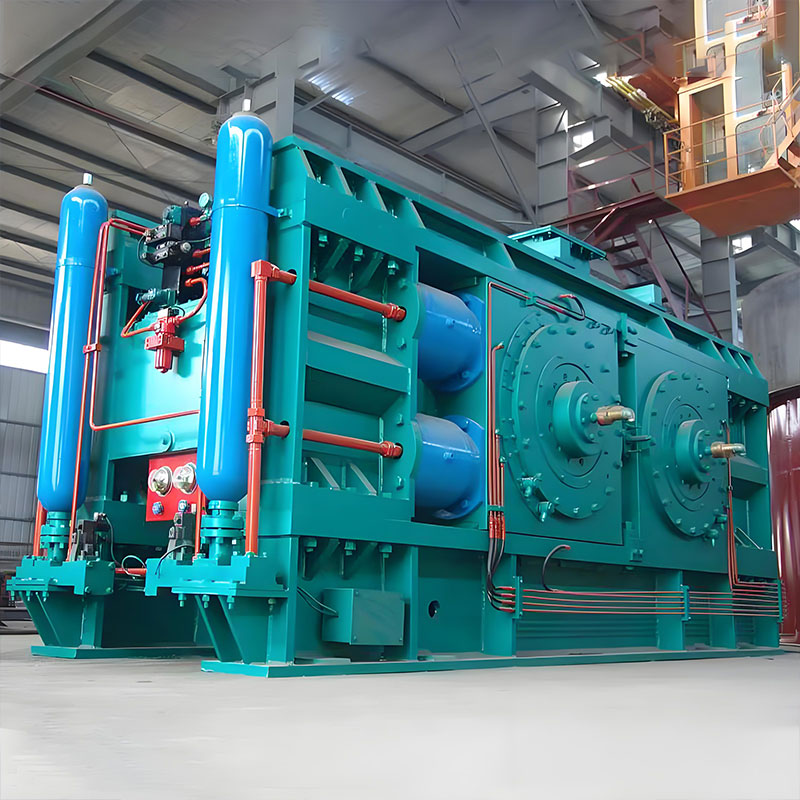
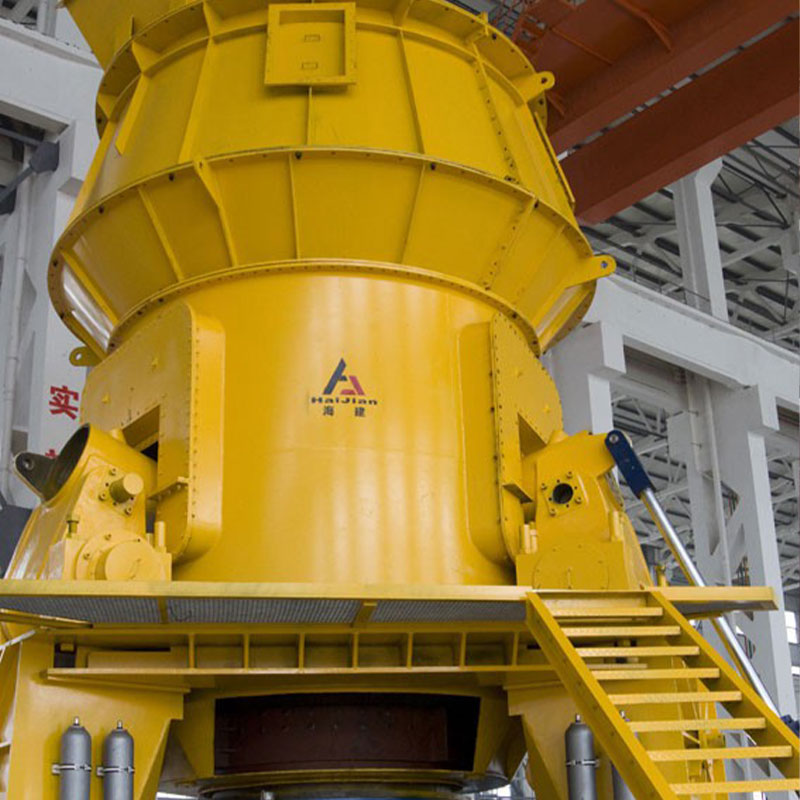
The company possesses vertical lathes ranging from Φ2.5–10m in diameter; gear hobbing machines with Φ2–8m capacity; floor-type lathes with Φ5×16m and Φ7×20m capacities; overhead cranes ranging from 10–150t; plate rolling machines from 30–120; gas annealing furnaces measuring 6.5×6.5×18m; and automatic drying and spraying booths. The company holds independent import/export rights and is authorized to undertake general contracting for foreign projects. Key product lines include: active lime production lines, lime rotary kilns, metallurgical rotary kilns, cement mills, roller presses, raw material VRM, slag VRM, and complete cement production line process equipment.
Q1: What is the difference between active lime and ordinary lime?
Active lime has a higher internal surface area, lower crystallinity, and a larger pore volume than ordinary lime. Measured by the 4N HCl titration method over 10 minutes, active lime typically achieves an activity index above 300 mL, whereas ordinary lime usually falls below 200 mL. This makes active lime significantly more reactive in steelmaking slags, chemical reactions, and flue gas treatment applications.
Q2: What fuel types are compatible with a lime rotary kiln?
Modern lime rotary kilns are designed to handle natural gas, coke oven gas, pulverized coal, and heavy oil. Gas-fired kilns are preferred where clean product is needed (e.g., food or pharmaceutical lime) because they avoid ash contamination. Coal-fired kilns remain common in regions with low-cost coal supply. Dual-fuel burner systems allow plants to switch between fuels based on energy market conditions, improving cost flexibility.
Q3: How long does it take to build and commission an active lime production line?
From contract signing to trial production, a typical 300–600 t/d active lime production line requires 12–18 months. This includes detailed engineering design (2–3 months), equipment fabrication and delivery (4–7 months), civil construction (5–8 months, can run partially in parallel), and installation, commissioning, and performance testing (2–3 months). Larger or more complex plants may require 20–24 months.
Q4: What limestone quality is required for active lime production?
For metallurgical-grade active lime, limestone should have CaCO3 purity ≥90% (ideally ≥95%), SiO2 content below 1.5%, and combined MgO + SiO2 + Fe2O3 below 3%. MgO above 3% risks producing dolomitic lime with lower reactivity. The particle size fed to the kiln should be 10–50 mm, with minimal fines below 10 mm to ensure uniform gas flow and calcination through the kiln bed.
Q5: What is the typical refractory lining service life in a lime rotary kiln?
In the high-temperature firing zone, high-alumina or magnesia-chrome brick linings typically last 12–18 months under continuous operation before requiring replacement or patch repair. In preheating and cooling zones, calcium aluminate castable linings can last 3–5 years. Planned annual maintenance shutdowns of 10–15 days are standard practice for inspecting and replacing critical refractory sections, which helps extend overall kiln campaign life to 10+ years.
Q6: Can an existing cement rotary kiln be converted to lime calcination?
In principle, yes — a cement rotary kiln can be repurposed for lime calcination, but several modifications are typically required: adjusting kiln inclination and rotation speed, replacing the burner for the different heat release profile, installing a compatible vertical preheater/cooler system, and replacing clinker-specific refractory with lime-suitable linings. Feasibility depends heavily on the original kiln's dimensions and condition. A professional engineering assessment is always recommended before committing to conversion.
It is focused on the overall solution of dry bulk material port transfer system,
research and development, manufacturing, and service