Content
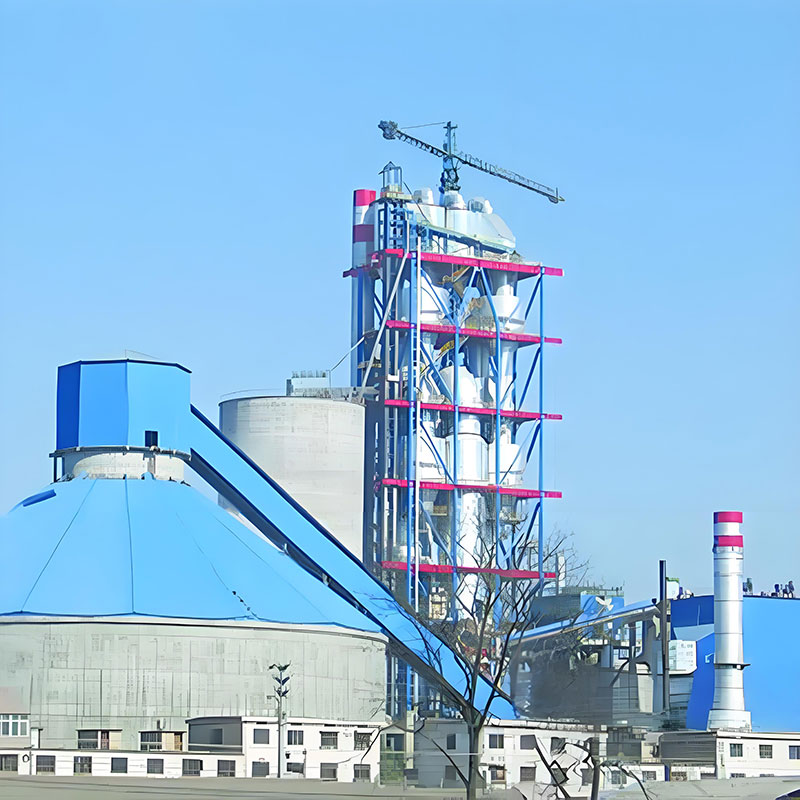
The production chain of cement is a sequential industrial process that converts raw limestone, clay, and iron ore into finished cement through five core stages: raw material processing, raw meal grinding, clinker calcination in a rotary kiln, clinker cooling, and final cement grinding with gypsum and admixtures. This entire sequence is what makes up a cement production line — an integrated industrial system rather than a single machine. Each stage feeds directly into the next, so the throughput, fineness, and chemical consistency achieved at one stage determines how efficiently the following stage can run.
The chain begins with quarried limestone, clay, and iron ore arriving from the mine in run-of-mine sizes that can exceed 1,000mm. Jaw crushers and impact crushers reduce this material down to a workable size, after which belt conveyors transport it to a pre-homogenization stockpile.
A circular or longitudinal stockpile with a stacker-reclaimer blends the crushed limestone to achieve chemical consistency, typically reaching a homogenization ratio exceeding 10:1 before the material moves on to raw grinding. This step matters because uneven raw material chemistry at this stage cascades into clinker quality problems much further down the line.
Raw grinding reduces the blended materials to a fineness typically below 12% residue on a 90-micron sieve, preparing the feed for the kiln. This is one of the most energy-intensive stages in the entire cement production line, consuming 15 to 25 kWh per tonne of raw meal depending on the grinding technology used.
After grinding, a CF silo or multi-chamber blending silo homogenizes the raw meal further, achieving a chemical standard deviation on CaO content below ±0.2% in well-operated systems.
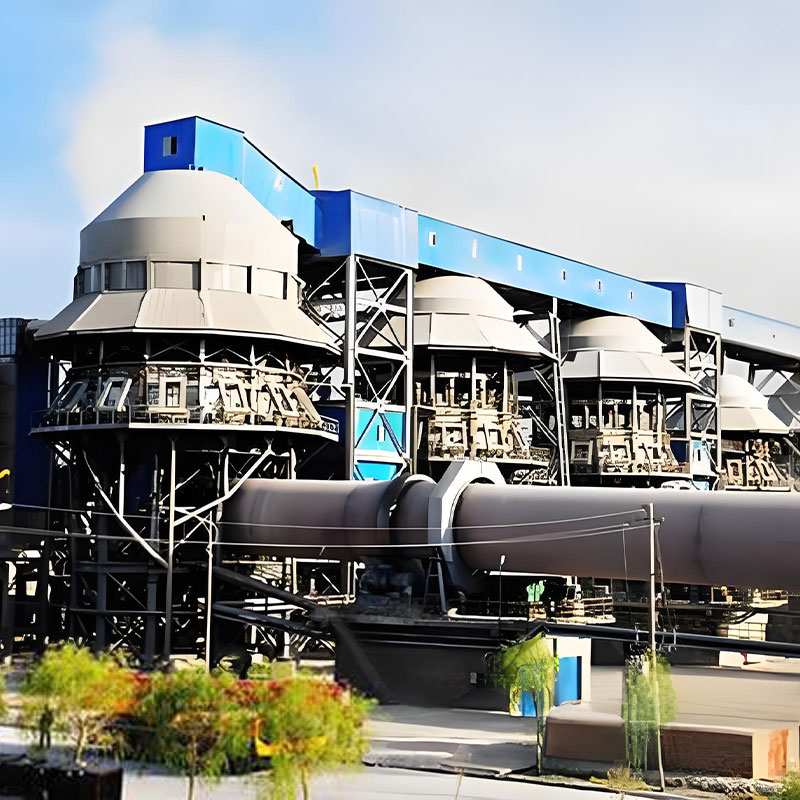
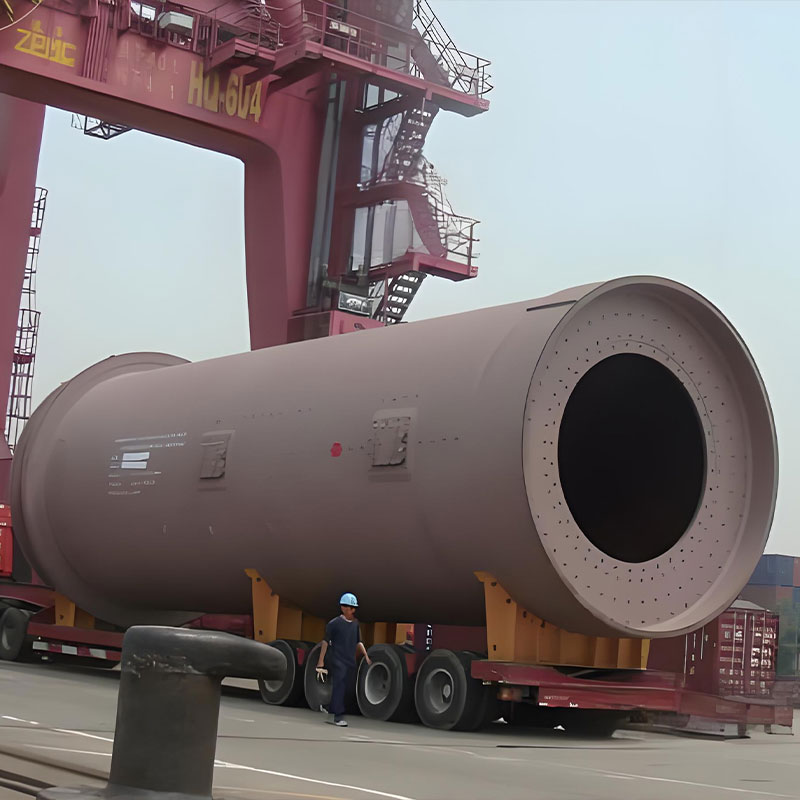
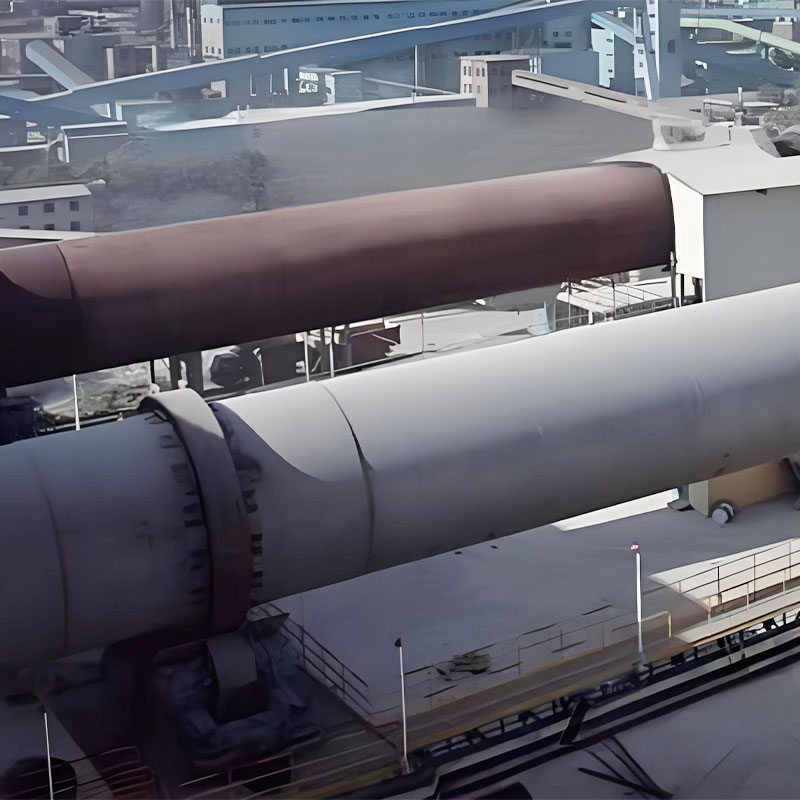
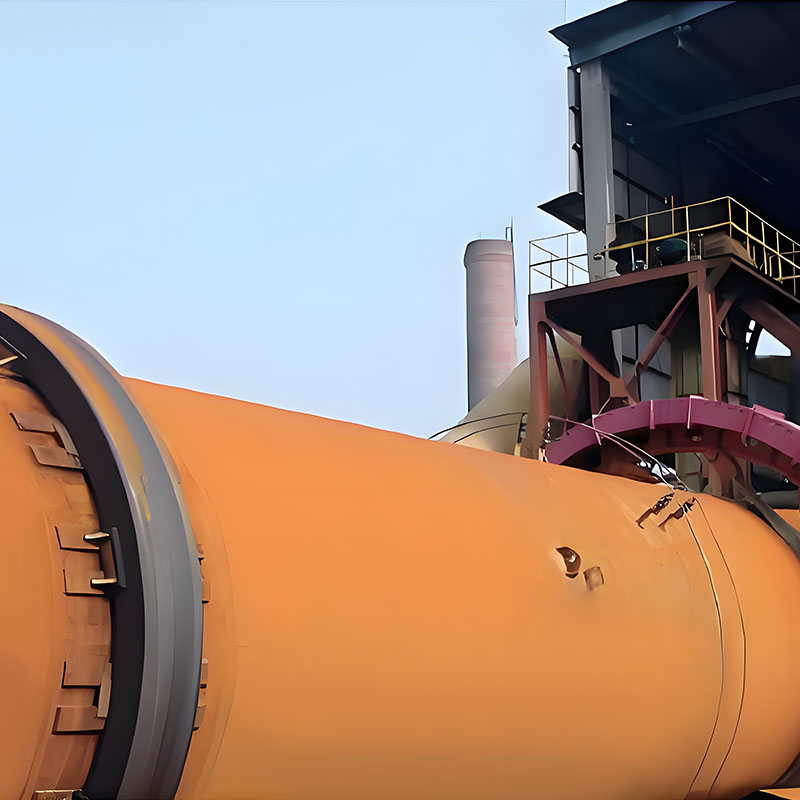
The rotary kiln is the thermal heart of any cement production line. Homogenized raw meal is fed into the kiln and calcined at approximately 1450°C, the temperature at which the chemical reactions that form cement clinker take place. This stage transforms the raw meal into clinker — small, hard nodules that are the direct precursor to finished cement.
A continuous and precisely metered fuel supply is required to maintain kiln temperature. Coal remains the dominant fuel in most regions, though natural gas, fuel oil, and alternative fuels are increasingly used to feed the rotary kiln's combustion system.
Once calcined, clinker passes through a grate cooler, where it is rapidly cooled by forced air. Proper cooling is essential not only to make the clinker safe to handle and transport, but also to recover heat that can be redirected back into the kiln system to improve overall energy efficiency. Regular maintenance of the grate plate and the cooling fan is necessary to keep this stage running at full capacity, since clogged grates or underperforming fans reduce cooling efficiency and can bottleneck the entire line.
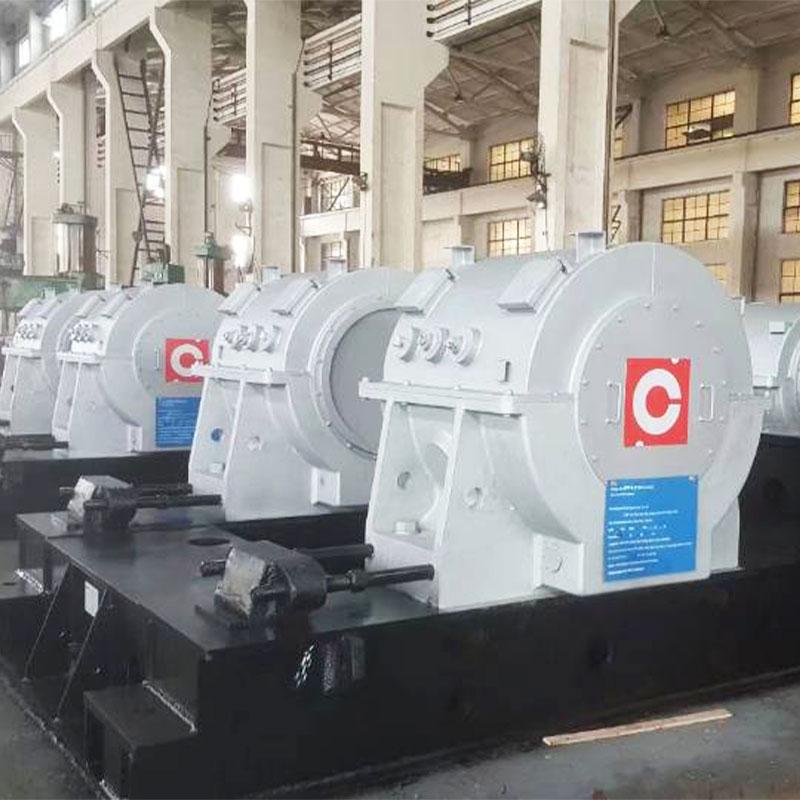
In the final stage, clinker is combined with gypsum and admixtures such as slag and fly ash, then ground into finished cement inside a cement mill. Grinding media — steel balls or rollers — apply impact, compression, and shear forces to break the material down. In a closed-circuit system, a classifier separates qualified fine powder from coarse material, which is returned for further grinding.
This clinker grinding stage is also the single largest electrical consumer in the chain, accounting for 30 to 40% of total electrical energy use in a cement production line. The finished cement is then collected by a dust collection system, stored in silos — commonly ranging from 5,000 to 50,000 tonnes capacity — and packaged in bags or loaded in bulk for transport.
The table below summarizes each stage of the chain alongside its primary equipment and function.
| Stage | Key Equipment | Function |
|---|---|---|
| Raw material processing | Crushers, conveyors, stacker-reclaimer | Size reduction and chemical homogenization |
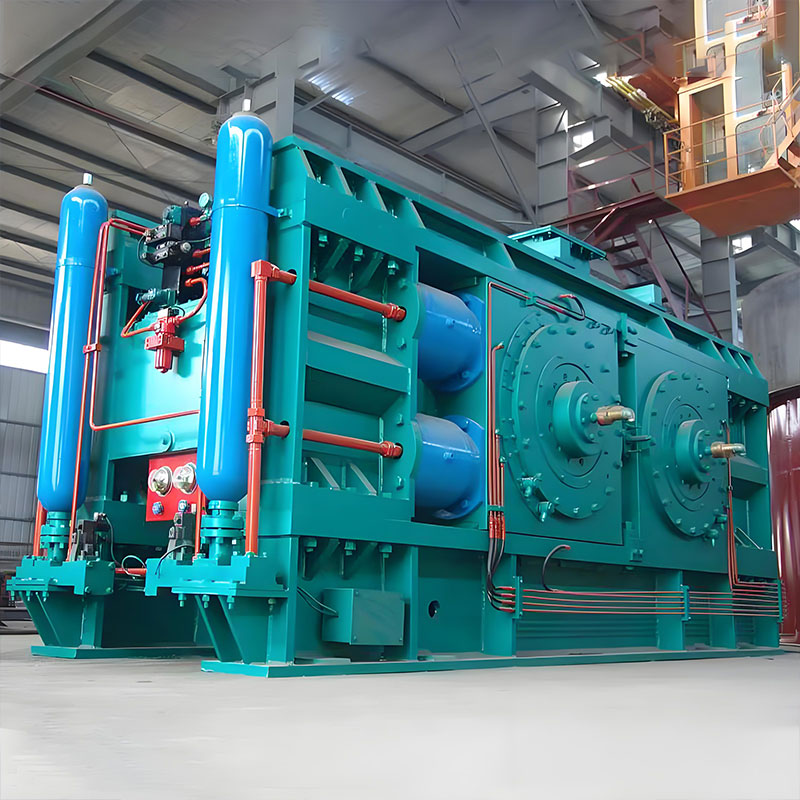
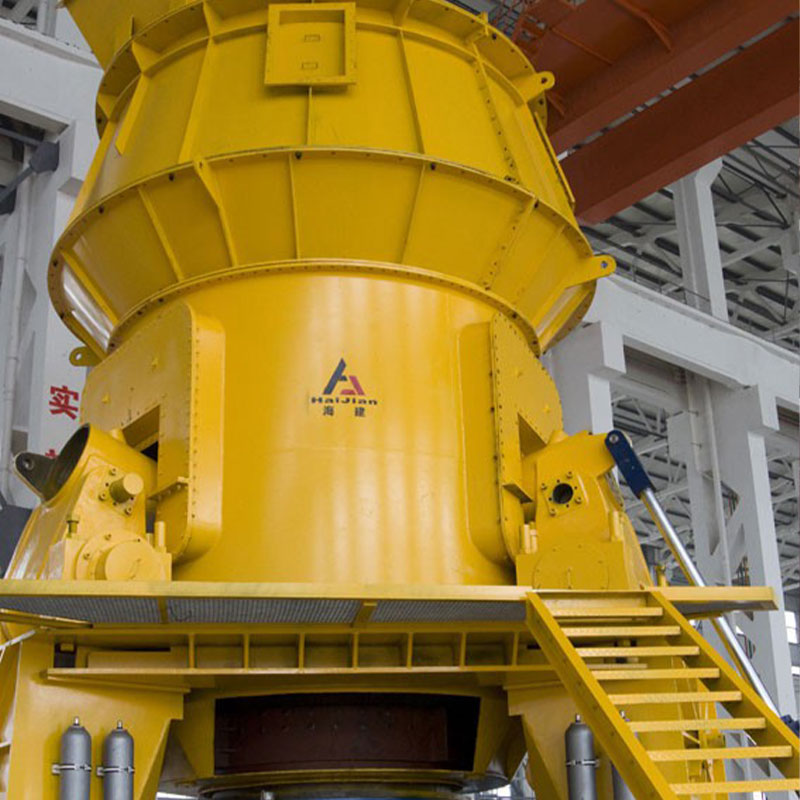
| Raw meal grinding | Vertical roller mill or ball mill with roller press | Fine grinding and blending of raw meal |
| Clinker calcination | Rotary kiln | High-temperature reaction forming clinker |
| Clinker cooling | Grate cooler | Rapid cooling and heat recovery |
| Cement grinding and packaging | Cement mill, classifier, packing machine | Final grinding, storage, and dispatch |
Because each stage of the chain feeds the next, consistent maintenance is what keeps a cement production line operating at full output rather than developing bottlenecks.
Jiangsu Haijian Co., Ltd., established in 1970, provides overall solutions covering the full cement production chain — engineering design, equipment manufacturing, installation and commissioning, and operation optimization — from raw material processing through to finished product output. The company manufactures rotary kilns, ball mills, roller presses, and vertical mills, and has supplied complete cement production line equipment to projects across more than 30 domestic provinces and roughly 10 countries.
Working with a single supplier across the entire chain — rather than sourcing crushing, grinding, kiln, cooling, and packaging equipment separately — makes it easier to keep capacity, throughput, and thermal specifications correctly matched across every stage.
It is focused on the overall solution of dry bulk material port transfer system,
research and development, manufacturing, and service