Content
Solid waste treatment refers to the processes used to manage, reduce, recycle, or safely dispose of solid materials discarded by households, industries, and institutions. The four core treatment methods are landfilling, incineration, composting, and recycling — each suited to different waste types and local conditions. Modern solid waste treatment increasingly combines these methods within an integrated system to maximize resource recovery and minimize environmental harm. No single method handles all waste types effectively, which is why engineered treatment chains are now standard practice in industrial and municipal waste management.
Effective solid waste treatment begins with understanding what types of waste require treatment. The primary categories include:
The treatment method selected for solid waste depends directly on its category, composition, and volume. Industrial facilities managing mixed waste streams typically require multi-stage treatment systems rather than a single process.
Sanitary landfilling remains the most widely used method of solid waste treatment globally, particularly for residual waste that cannot be recycled or composted. A properly engineered landfill is not simply a dump — it is a highly controlled containment system designed to isolate waste from the surrounding environment.
Landfills are best suited for inert or stabilized waste residuals. Diverting organic waste from landfills through composting or anaerobic digestion before disposal is a priority in modern solid waste treatment strategies, as organic decomposition is the primary driver of methane generation and leachate production.
Thermal treatment is a major component of solid waste treatment systems in countries and regions where land for landfilling is scarce or where energy recovery is a policy priority. Incineration reduces the volume of solid waste by up to 90% by volume and 75% by mass, while the heat generated can be recovered for electricity generation or district heating.
Thermal treatment requires significant capital investment in emission control equipment. Modern waste-to-energy plants must comply with stringent flue gas emission standards to limit pollutants including dioxins, furans, NOx, SO₂, and particulate matter.
Biological treatment methods are specifically designed for the organic fraction of solid waste, including food scraps, garden waste, agricultural residues, and sewage sludge. These processes stabilize organic material through microbial activity and can recover both nutrients and energy.
In aerobic composting, organic solid waste is decomposed by microorganisms in the presence of oxygen. The process generates heat (typically reaching 55–70°C in active phases), which destroys pathogens and weed seeds. The end product — mature compost — is a stable, humus-like material used as a soil amendment in agriculture and landscaping. Composting is a low-cost treatment method well suited to agricultural communities and regions with large volumes of green waste.
Anaerobic digestion (AD) breaks down organic solid waste in sealed, oxygen-free reactors through a four-stage microbial process: hydrolysis, acidogenesis, acetogenesis, and methanogenesis. The outputs are biogas (typically 60–70% methane) and digestate. Biogas is used for heat and power generation, while digestate can be further processed into biofertilizer. AD is increasingly applied in industrial-scale solid waste treatment facilities handling food processing waste, municipal organic fractions, and agricultural residues.
Recycling is the cornerstone of sustainable solid waste treatment. It diverts recoverable materials — metals, paper, glass, plastics, and electronics — from landfills and incinerators, conserving natural resources and reducing greenhouse gas emissions associated with primary material production.
MRFs are industrial facilities where mixed or source-separated solid waste is sorted into recoverable material streams using a combination of manual sorting, conveyor systems, magnetic separators, eddy current separators, optical sorters, and air classifiers. Automated optical sorting technology can now distinguish between different polymer types in plastic waste at high throughput rates, significantly improving the quality and value of recovered materials.
Hazardous solid waste requires treatment methods that neutralize or contain toxic, reactive, or infectious properties before the material can be safely managed. Standard landfilling or incineration without proper controls is not sufficient for this waste category.
| Hazardous Waste Type | Primary Treatment Method | Key Requirement |
|---|---|---|
| Industrial chemical waste | High-temperature incineration (>1100°C) | Secondary combustion chamber + scrubber |
| Heavy metal-contaminated waste | Stabilization / solidification | Cement or polymer binders to immobilize metals |
| Medical / infectious waste | Autoclave sterilization or incineration | Pathogen destruction verified by biological indicators |
| Batteries and e-waste | Hydrometallurgical recovery | Acid leaching + metal precipitation under controlled conditions |
| Contaminated soil | Thermal desorption or bioremediation | Volatile contaminant capture or microbial degradation monitoring |
The most effective solid waste treatment approach combines multiple methods in sequence based on waste composition. A typical integrated system follows the waste management hierarchy: prevention → reuse → recycling → recovery → disposal.
In practice, a modern integrated solid waste treatment facility might process incoming municipal waste through the following stages:
This integrated model substantially reduces the volume of solid waste requiring final disposal while maximizing material and energy recovery at each stage.
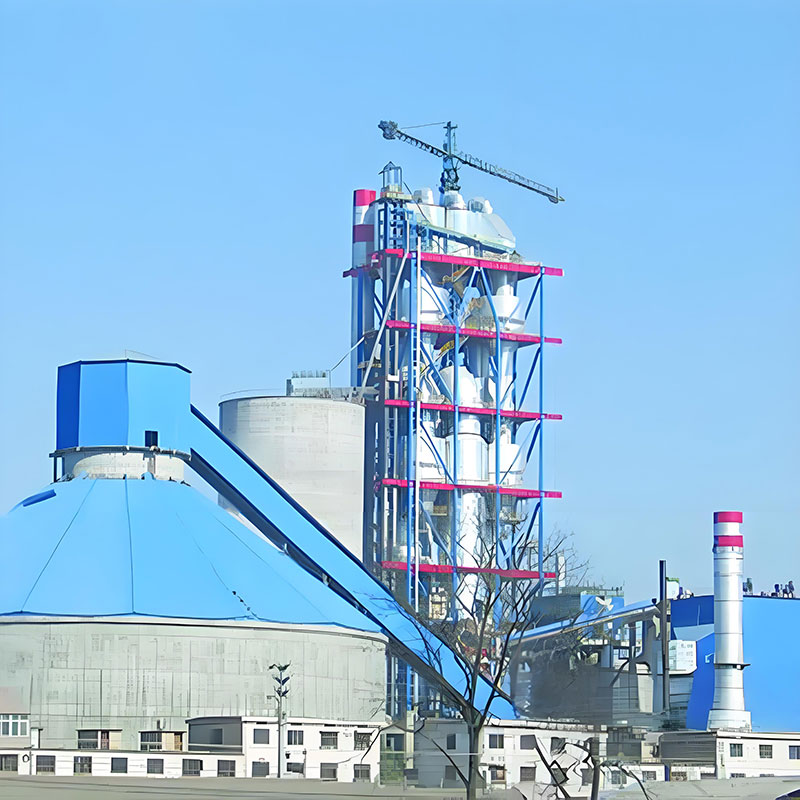
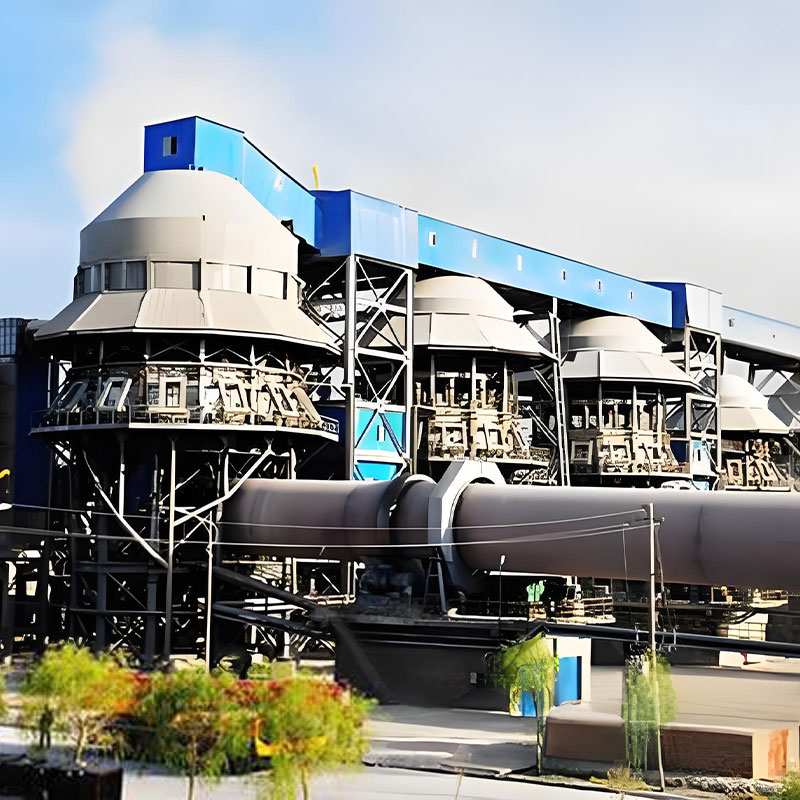
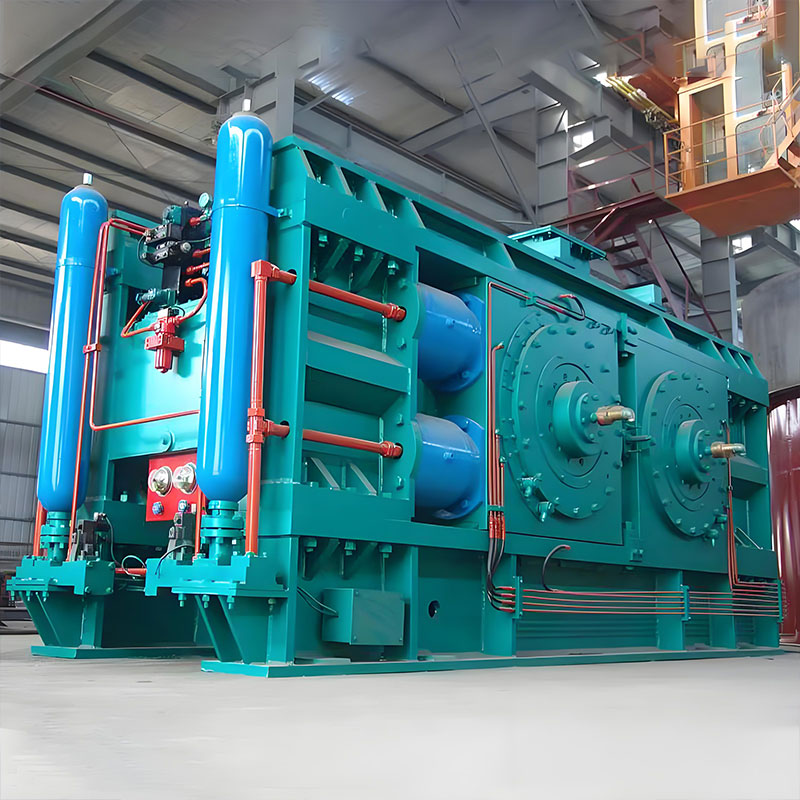
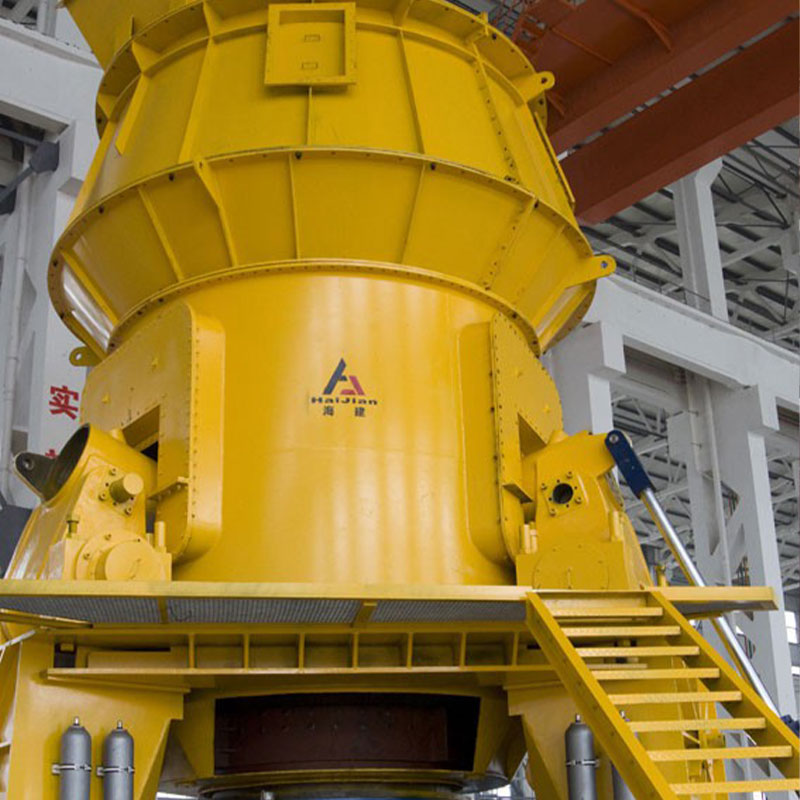
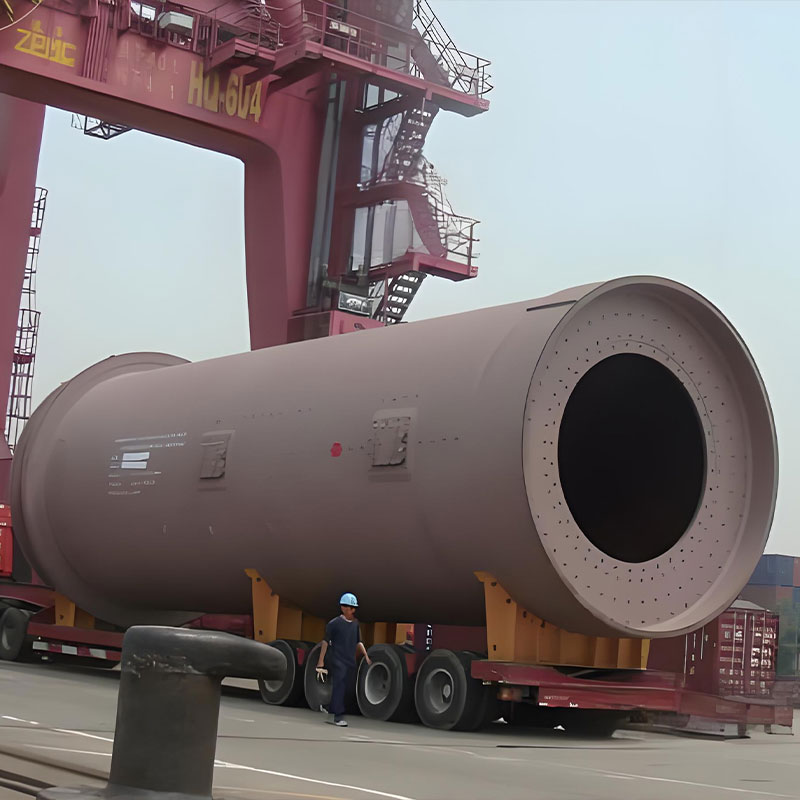
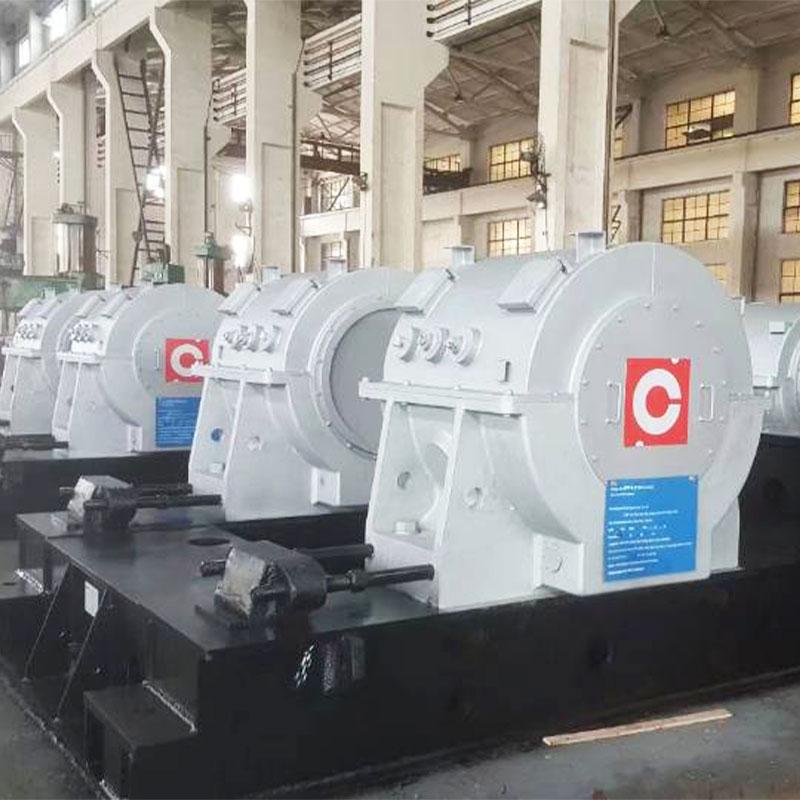
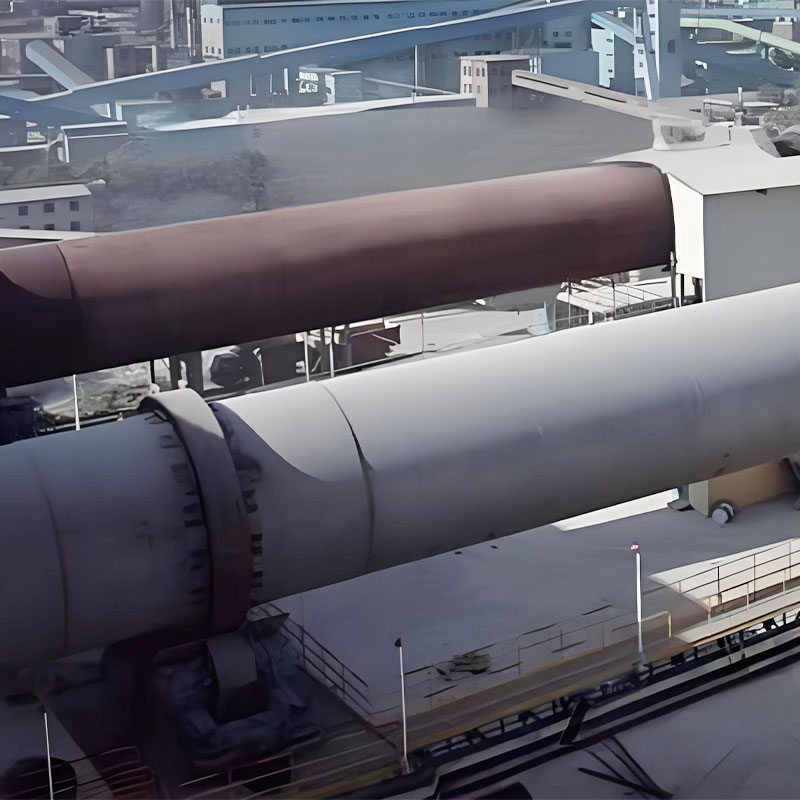
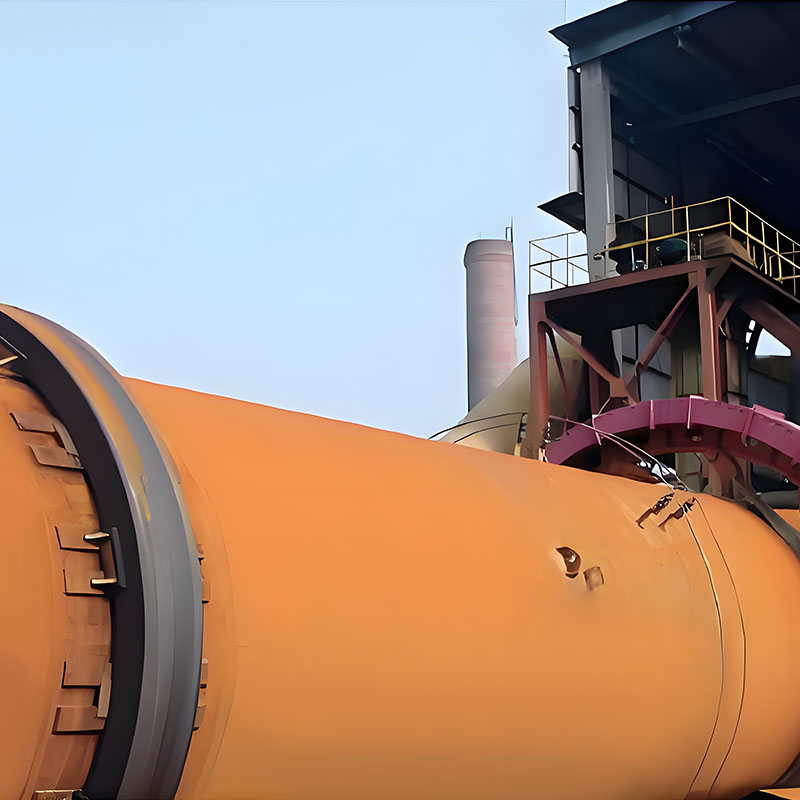
Industrial solid waste treatment operations depend on purpose-built machinery to handle, process, and transform large volumes of waste efficiently. Key equipment categories include:
Selecting the appropriate solid waste treatment method or system depends on several site-specific factors:
| Decision Factor | Landfill | Incineration / WtE | Composting / AD | Recycling / MRF |
|---|---|---|---|---|
| Land availability | High requirement | Low requirement | Moderate | Moderate |
| Capital cost | Low–Moderate | Very High | Moderate | Moderate–High |
| Waste volume reduction | Low (compaction only) | Up to 90% by volume | Significant (organics) | High (diverts stream) |
| Resource recovery | Minimal (biogas possible) | Energy recovery | Compost / biogas | High material value |
| Best waste type | Inert / stabilized residuals | High-calorific mixed waste | Organic / food waste | Dry recyclables |
For industrial facilities, municipalities, and project developers evaluating solid waste treatment options, the starting point is always a detailed waste characterization study. Knowing the composition, moisture content, calorific value, and volume of the waste stream enables engineers to design treatment systems with appropriate capacity, technology selection, and emission controls — avoiding both under-investment and over-engineering.
It is focused on the overall solution of dry bulk material port transfer system,
research and development, manufacturing, and service