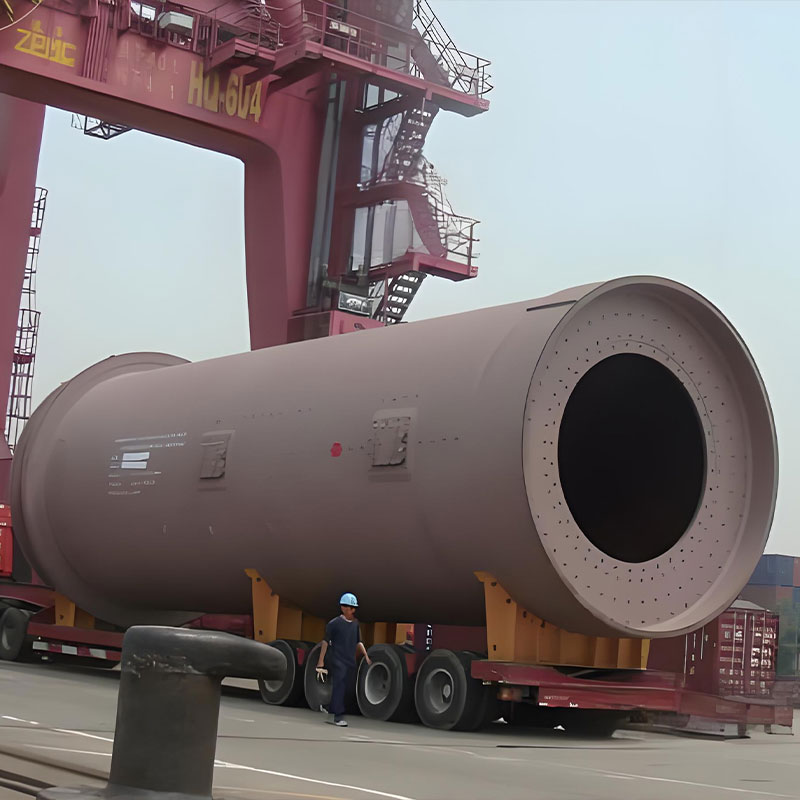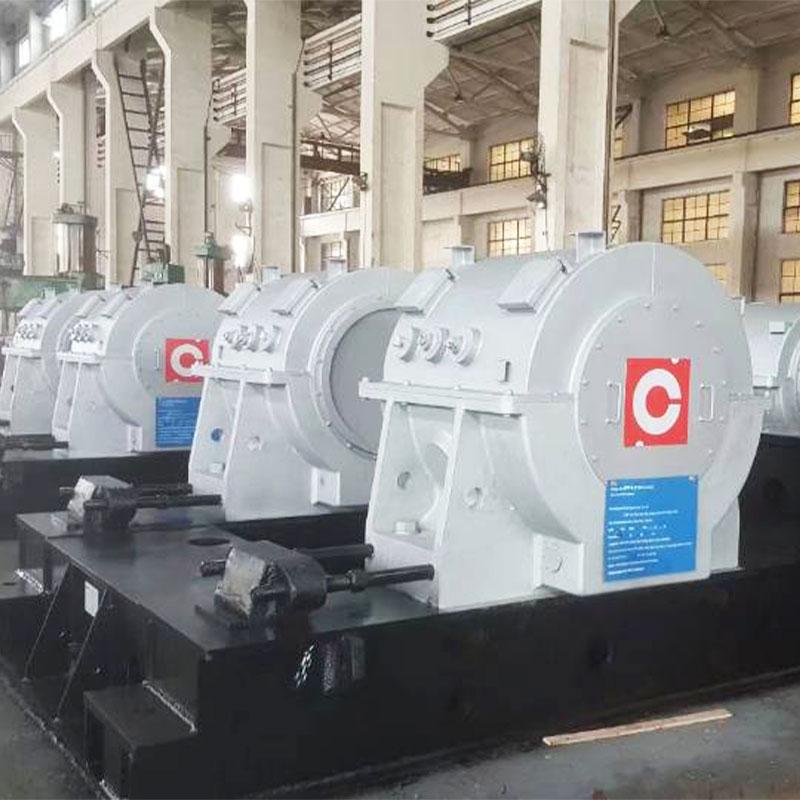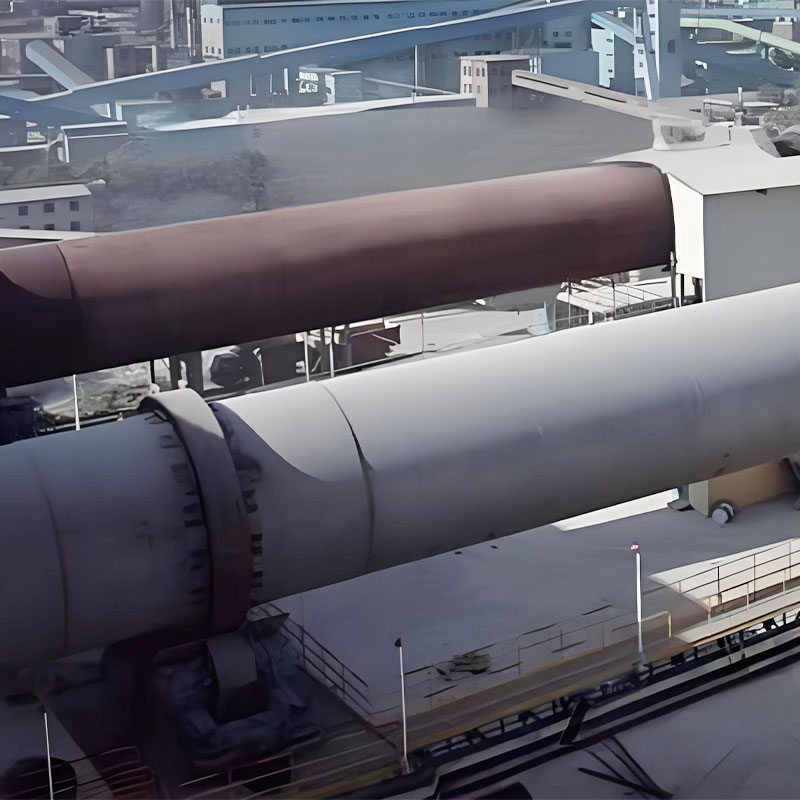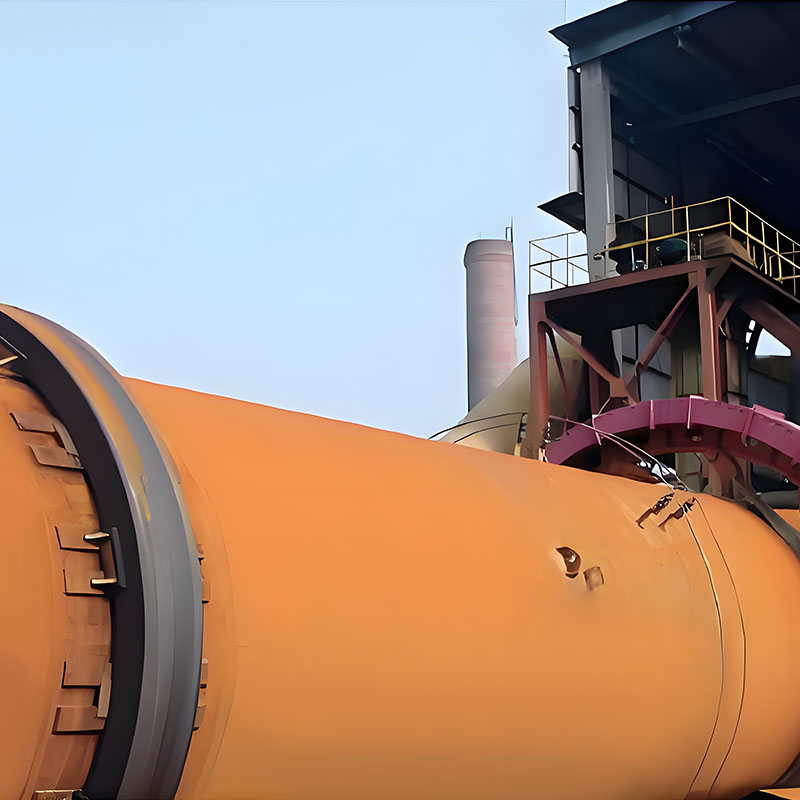
An Industrial Pressure Vessel is a closed container engineered to hold gases or liquids at pressures significantly above or below atmospheric pressure. Unlike ordinary tanks, pressure vessels are safety-critical equipment: they are designed, fabricated, inspected, and certified to international codes such as ASME Section VIII, PED 2014/68/EU, and GB 150 because a failure under pressure can be catastrophic. This guide explains what pressure vessels are, how they are classified, which materials and standards govern their construction, and how to select the right type for your process.
Content
A pressure vessel is a container designed to operate at an internal or external pressure that differs materially from the surrounding atmosphere. In industrial contexts, the working pressure can range from a modest 0.1 MPa (1 bar) in low-pressure separators up to hundreds of MPa in high-pressure reactors used in chemical synthesis or hydrocracking.
What distinguishes an Industrial Pressure Vessel from a standard storage tank is the engineering rigour applied to its design and manufacture. Every dimension — shell thickness, nozzle reinforcement, head geometry, weld joint efficiency — is calculated against the design pressure, design temperature, and material properties. The vessel must then pass non-destructive testing (NDT) including radiographic or ultrasonic examination of welds and a hydrostatic or pneumatic pressure test before being placed in service.
Pressure vessels are found across virtually every process industry: petroleum refining, petrochemicals, power generation, natural gas processing, food and beverage, pharmaceuticals, water treatment, and metallurgy. Their function may be to store a pressurized fluid, to separate immiscible phases, to transfer heat between process streams, or to provide a controlled environment for chemical reactions.
Industrial pressure vessels are most usefully classified by their primary process function. The four internationally recognized functional categories are storage, separation, heat exchange, and reaction.
Hold pressurized gases or liquefied gases at operating conditions — LPG spheres, compressed air receivers, ammonia storage tanks, and hydrogen accumulators are typical examples. Design emphasis is on pressure containment, corrosion allowance, and safety relief.
Separate two or more phases from a mixed process stream. Separators, scrubbers, absorbers, filters, oil collectors, steam drums, degassing devices, and drying towers all fall into this category. They are widely used in oil and gas, water treatment, and chemical processing.
Transfer thermal energy between two process streams without allowing them to mix. Shell-and-tube heat exchangers, condensers, reboilers, and cooling coil vessels are the most common configurations. Tube sheet integrity and differential thermal expansion are the key design considerations.
Provide the containment and environment for chemical or physical reactions: autoclaves, polymerization reactors, hydrogenation vessels, and pressure digesters. They typically require agitators, internal coils or jackets, and multiple process nozzles, making them the most complex vessel type to design.
Beyond functional category, pressure vessels are also distinguished by their physical configuration. The choice of orientation and geometry is driven by the process conditions, installation space, and the nature of the fluid handled.
| Configuration | Orientation | Typical Application | Advantage |
|---|---|---|---|
| Vertical Cylindrical | Upright | Distillation columns, reactors, surge drums | Small footprint; gravity-aided phase separation |
| Horizontal Cylindrical | Lying flat on saddles | Storage tanks, two-phase separators | Low centre of gravity; easy liquid level control |
| Spherical | Freestanding sphere | Large-volume LPG / LNG storage | Most efficient shape for high pressure; minimum wall thickness for a given volume |
| Jacketed / Coiled | Vertical or horizontal | Reaction vessels, heat-sensitive processing | Precise temperature control of vessel contents |
Material selection is one of the most consequential decisions in pressure vessel engineering. The material must withstand the design pressure and temperature while resisting corrosion from the process fluid, remaining weldable, and meeting the requirements of the applicable design code.
Carbon steel (e.g., ASME SA-516 Grade 70) is the most widely used pressure vessel material. It offers high strength, good weldability, and cost-effectiveness for non-corrosive or mildly corrosive services at temperatures between approximately -30°C and 425°C. A corrosion allowance is added to the calculated wall thickness to account for service-life degradation.
Austenitic stainless steels (304, 316, 321) provide excellent corrosion resistance for acid, alkali, and food-grade applications. They maintain mechanical properties at both cryogenic and elevated temperatures. The trade-off is higher material cost and the need for careful control of chloride exposure to prevent stress corrosion cracking.
For highly corrosive media or extreme temperatures, clad plates bond a corrosion-resistant layer (e.g., titanium, Hastelloy, or nickel alloy) to a carbon steel base. This approach delivers the corrosion resistance of the premium material at a fraction of the all-alloy cost. Chromium-molybdenum steels (e.g., SA-387) are used for high-temperature, high-pressure hydrogen service in refinery reactors.
Rubber lining, glass lining, and polymer coatings are applied to the interior of carbon steel vessels when the process fluid would corrode the base metal but the structural demands are moderate. These are common in acid storage and electrochemical processing applications.
Every Industrial Pressure Vessel sold into a regulated market must conform to a recognized design code. The code governs material selection, wall thickness calculation, weld joint efficiency, testing requirements, and documentation. The three dominant international codes are:
Compliance with these codes is not optional — it is a legal and insurance requirement in most jurisdictions. Purchasing a pressure vessel that lacks proper code certification and documentation creates significant liability in the event of an incident.
The following table maps common pressure vessel types to the industries that rely on them most heavily, along with the typical operating conditions that govern material and design choices.
| Industry | Typical Vessel Type | Key Operating Condition | Common Material |
|---|---|---|---|
| Oil & Gas | Separators, scrubbers, absorbers | High pressure, H₂S service | Carbon steel, clad steel |
| Petrochemical | Reactors, heat exchangers, columns | High temp, hydrogen exposure | Cr-Mo alloy steel |
| Power Generation | Steam drums, condensers, deaerators | High-pressure steam service | Carbon steel, low-alloy steel |
| Chemical Processing | Reaction vessels, storage tanks | Corrosive acids/alkalis | Stainless steel, titanium clad |
| Water Treatment | Filters, buffer tanks, degassing units | Moderate pressure, large volume | Carbon steel, stainless steel |
| Metallurgy & Mining | Autoclaves, leaching vessels | High temp, acidic slurry | Alloy steel, titanium clad |
A pressure vessel placed in service does not remain in a "as-built" condition. Corrosion, erosion, fatigue cycling, and exposure to process chemistry all degrade the vessel over time. A structured inspection programme is both a regulatory requirement and a practical necessity for safe operation.
For most industrial services, the recommended inspection regime is:
When an inspection reveals corrosion, cracking, or deformation, a fitness-for-service (FFS) assessment — conducted according to API 579-1 / ASME FFS-1 — determines whether the vessel can continue to operate safely, possibly at a reduced maximum allowable working pressure (MAWP), until the next planned maintenance window. This avoids unnecessary vessel replacement while maintaining a documented safety case.
When procuring an Industrial Pressure Vessel, the following parameters must be defined before a manufacturer can produce a compliant design. Incomplete specifications are the most common cause of procurement delays and post-delivery disputes.
The structural integrity and long-term safety of a pressure vessel are determined far more by manufacturing quality than by price. When evaluating suppliers, the critical differentiators are:
Jiangsu Haijian Co., Ltd. — Industrial Pressure Vessel Solutions
With over 55 years of manufacturing experience, Jiangsu Haijian produces a comprehensive range of Industrial Pressure Vessels — including separation vessels, storage vessels, heat exchangers, and custom reaction vessels — for the metallurgical, mining, chemical, and environmental sectors. Vessels are designed and fabricated to GB 150, ASME, and PED standards, with full in-house NDE, hydrostatic testing, and engineering documentation.
It is focused on the overall solution of dry bulk material port transfer system,
research and development, manufacturing, and service