Content
A complete cement production line is made up of six core equipment groups: crushing equipment, raw material grinding equipment, preheating and precalcining equipment, the rotary kiln, clinker cooling equipment, and cement grinding equipment. Each group handles one physical or chemical transformation, from breaking raw rock down to a fine powder, to sintering that powder into clinker at high temperature, to grinding the cooled clinker into finished cement.
Choosing the right specification and capacity for each machine determines whether a plant reaches its target daily output, typically ranging from 500 to 10,000 tons per day depending on plant scale, while keeping energy consumption per ton of cement as low as possible. The sections below introduce each equipment category in the order material passes through the line.
Crushing equipment reduces raw limestone blocks, which can arrive from the quarry at sizes over 1 meter across, down to a feed size suitable for grinding, usually under 25mm. Most cement production lines use a two-stage arrangement to balance throughput and energy efficiency.
Jaw crushers perform primary crushing, compressing rock between a fixed and a moving jaw plate. They are valued for their simple structure, low maintenance requirements, and ability to handle large feed sizes with high compressive strength, often above 300MPa.
Secondary crushing typically uses impact crushers or compound cone crushers to bring material down to the fine size grinding mills require. Impact crushers use high-speed rotating hammers, which produce a more cubical particle shape than compression crushing alone, improving downstream grinding efficiency.
After crushing and pre-homogenization, raw material must be ground into a fine powder called raw meal. This stage represents one of the largest single sources of electrical power consumption on a cement production line, so equipment choice here has an outsized effect on operating cost.
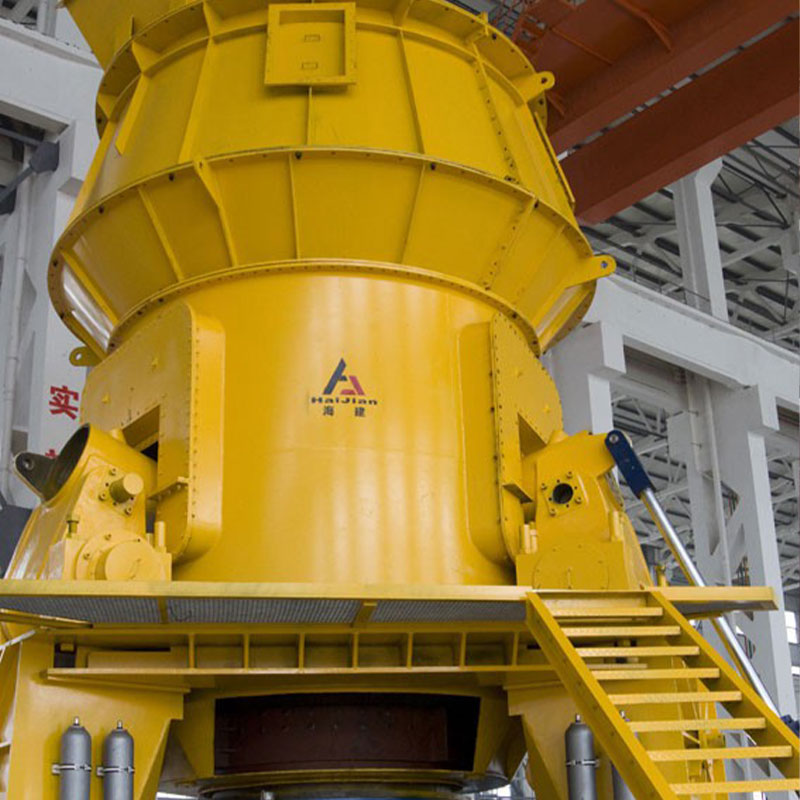
Vertical roller mills (VRMs) grind, dry, and classify material in a single unit by pressing rollers against a rotating grinding table. Compared to a ball mill of similar output, a VRM can reduce grinding power consumption by roughly 20-30%, and its integrated drying capability allows it to process raw material with moisture content up to around 15-20% without a separate dryer.
Ball mills grind material using steel grinding media tumbling inside a rotating cylindrical shell. While they consume more energy per ton than a VRM, ball mills remain in use on many lines because of their simple structure, tolerance for varying material hardness, and long service history in the industry.
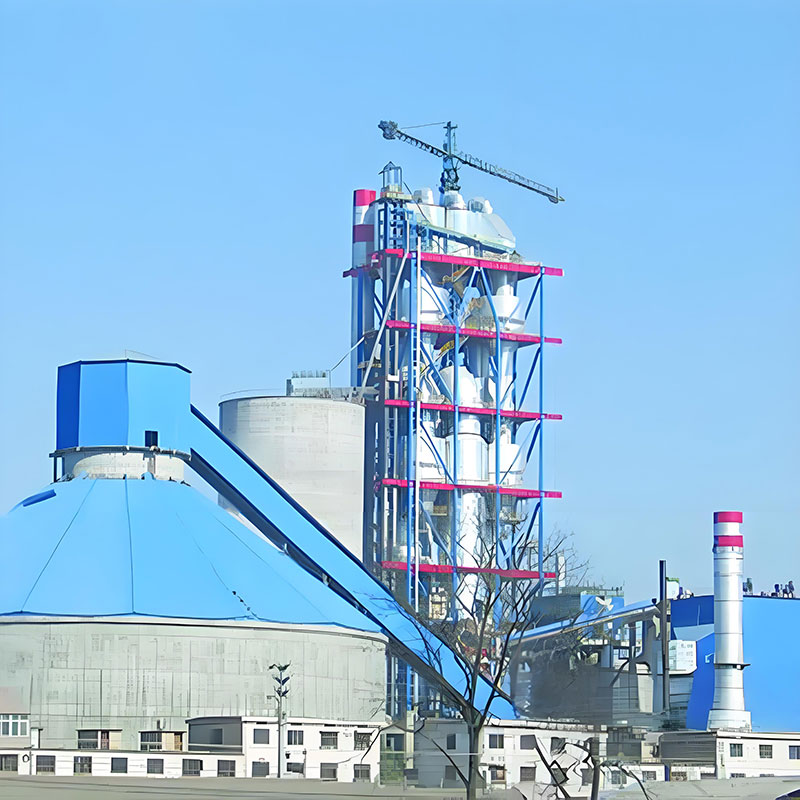
The preheater tower is a stack of cyclone stages, most commonly four or five, that use rising hot gas from the kiln to heat falling raw meal before it enters the kiln itself. This equipment can complete the majority of calcium carbonate decomposition, up to 90-95%, before the material reaches the rotary kiln, cutting the thermal load the kiln has to handle.
A precalciner sits at the base of the preheater tower and burns additional fuel to finish the decomposition reaction. Adding a precalciner allows a shorter, smaller-diameter kiln to achieve the same output as a longer kiln without one, which reduces both capital cost and per-ton energy consumption.
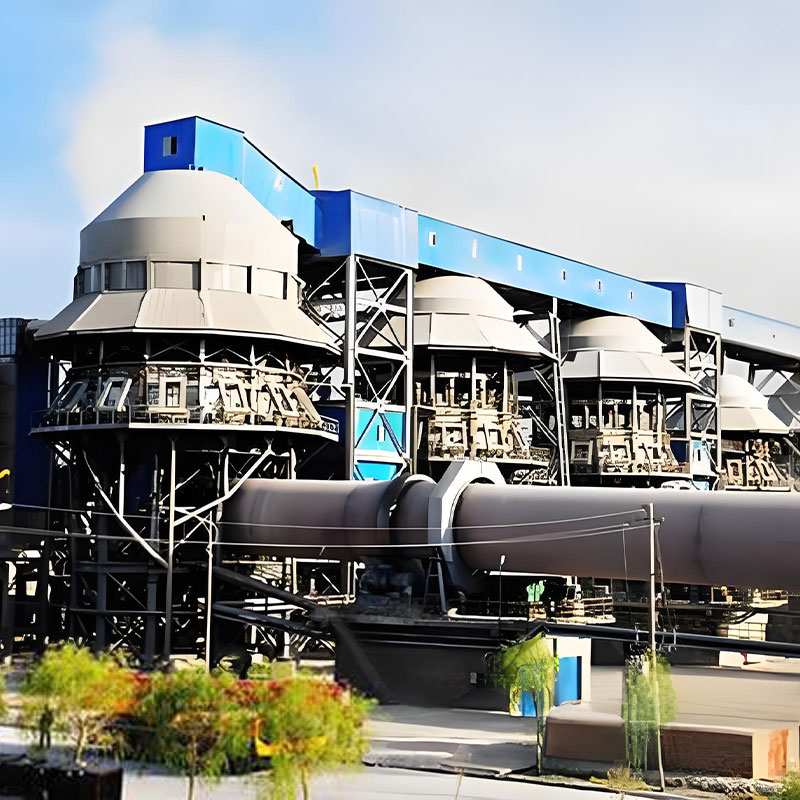
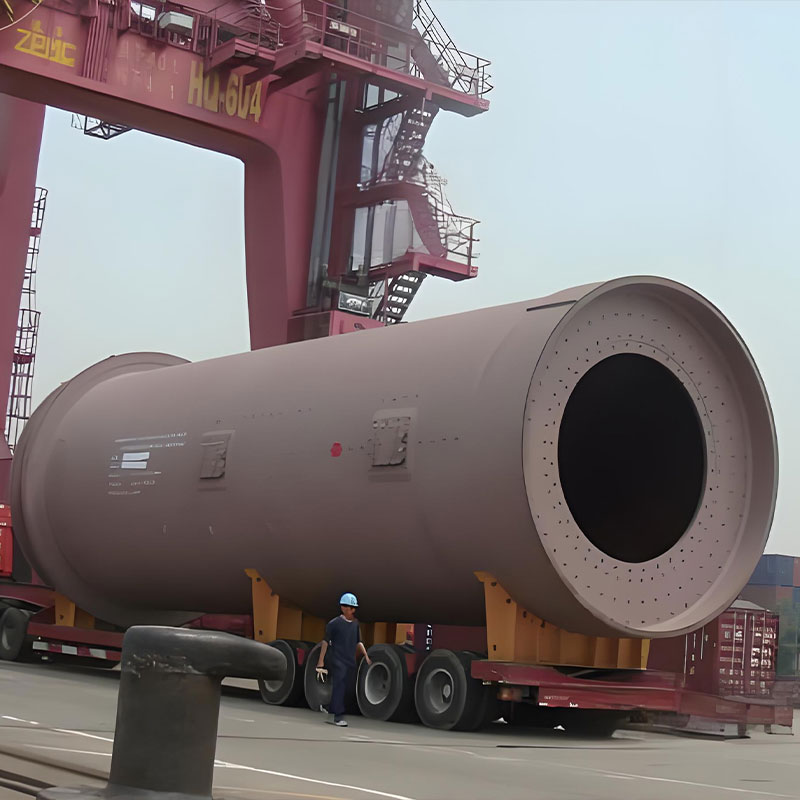
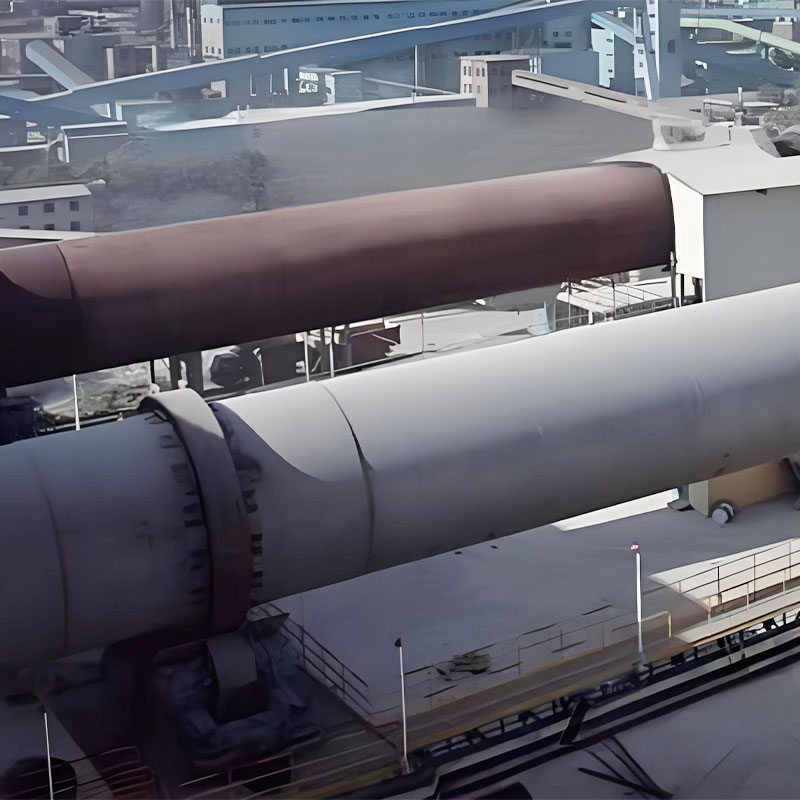
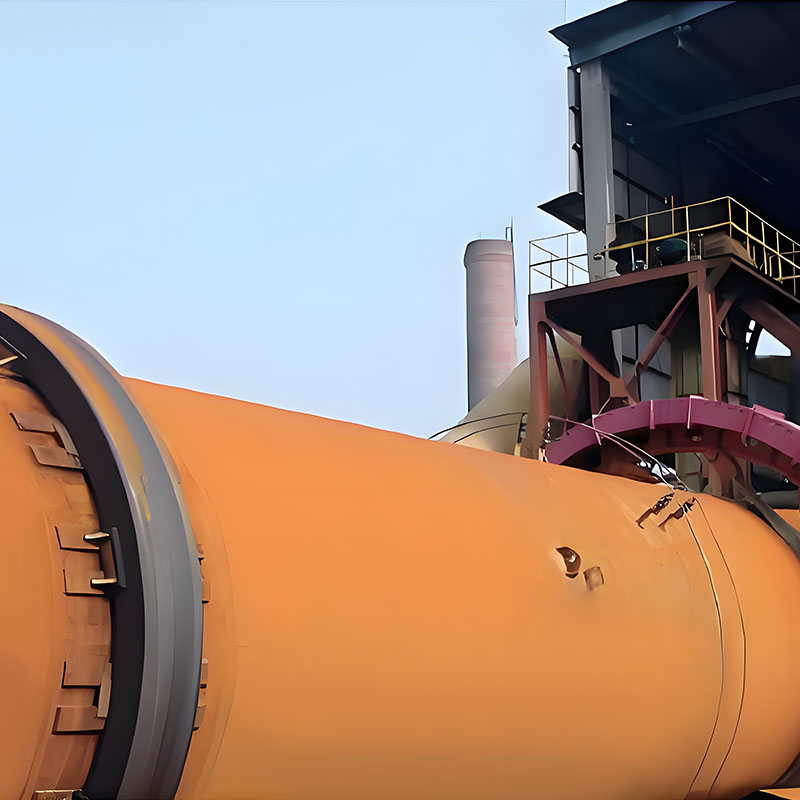
The rotary kiln is a long, slightly inclined steel cylinder lined with refractory brick, rotating slowly while firing at temperatures reaching approximately 1,450°C at the burning zone. As raw meal moves through the kiln, it undergoes the chemical reactions that form clinker, the intermediate product ground into finished cement.
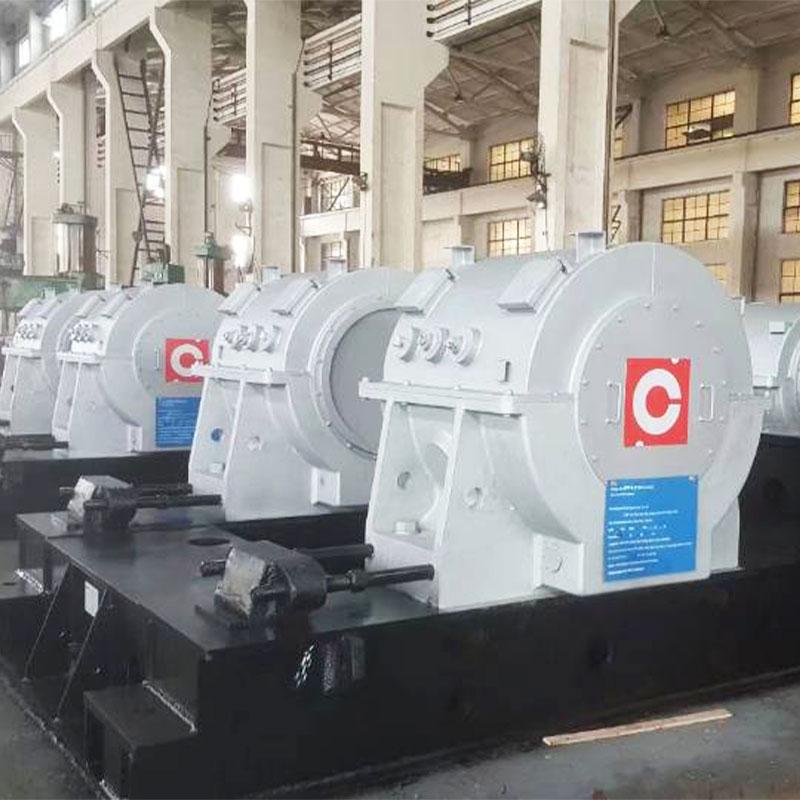
Kiln diameter and length are matched to target daily output, with larger cement production lines running kilns exceeding 4.5 meters in diameter and over 60 meters in length. Support rollers, thrust rollers, and a girth gear and pinion drive system keep the kiln rotating smoothly under its own enormous weight, which for a large kiln can exceed several thousand tons including refractory lining and material load.
Clinker leaves the kiln at around 1,400°C and must be cooled rapidly to preserve the correct mineral structure. Grate coolers accomplish this by pushing ambient air through a bed of clinker moving across a mechanical grate, bringing the temperature down to below 100°C within minutes.
Beyond cooling the clinker, this equipment recovers heat from the hot air stream and redirects it back into the kiln or precalciner as combustion air, which is one of the most effective ways to reduce overall fuel consumption on a cement production line.
Cooled clinker is ground together with roughly 3-5% gypsum and, depending on cement type, supplementary materials such as slag or fly ash. This final grinding stage determines the fineness and reactivity of the finished cement.
Ball mills remain widely used for cement grinding because of their proven ability to produce a well-graded particle size distribution, while vertical roller mills and roller presses are increasingly used in combination to improve throughput and cut power use.
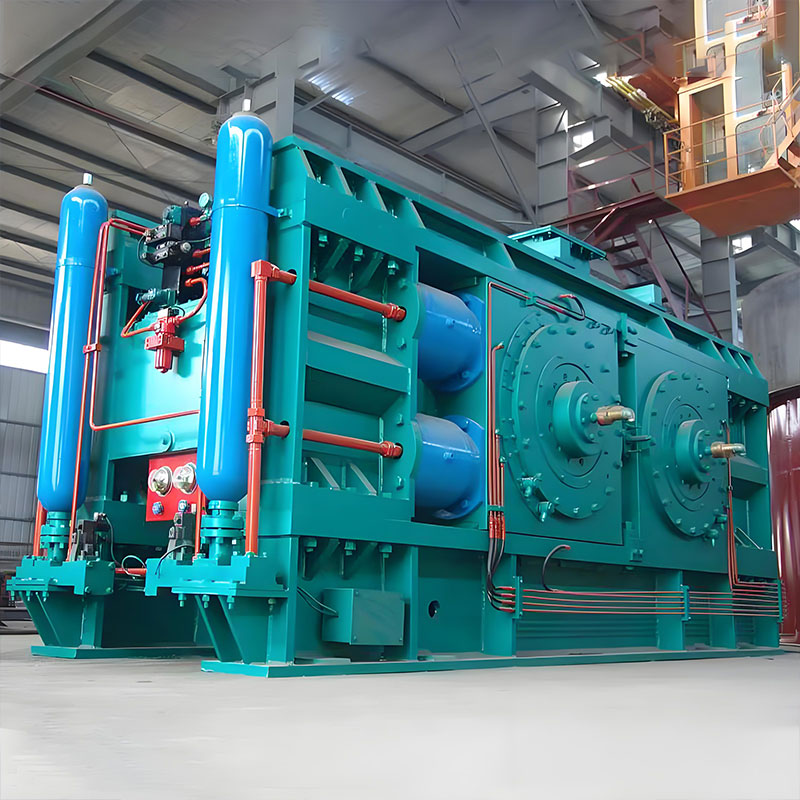
A dynamic separator classifies ground material by particle size, sending oversized particles back for regrinding. Adding a roller press ahead of the ball mill pre-crushes clinker using high pressure between two rollers, which can raise overall grinding system output while lowering specific power consumption.
Between each major process stage, material handling equipment keeps the cement production line moving continuously. This equipment is easy to overlook but directly affects plant availability, since a jammed conveyor or a worn elevator bucket can halt an entire line.
The table below summarizes the primary equipment used at each stage of a cement production line and the main function each machine performs.
| Process Stage | Core Equipment | Main Function |
|---|---|---|
| Crushing | Jaw crusher, impact crusher | Reduce raw rock to grindable size |
| Raw meal grinding | Vertical roller mill, ball mill | Grind and dry raw meal |
| Preheating | Cyclone preheater, precalciner | Decompose raw meal before kiln entry |
| Calcination | Rotary kiln | Sinter raw meal into clinker |
| Cooling | Grate cooler | Rapidly cool clinker, recover heat |
| Cement grinding | Ball mill, roller press, separator | Grind clinker and additives into cement |
Selecting equipment for a new line or a capacity expansion involves more than matching rated capacity to target output. The following factors are worth reviewing carefully for each major machine.
Jiangsu Haijian Co., Ltd, established in 1970 and operating a 100,000㎡ manufacturing base, designs and manufactures the core equipment covered above, including jaw crushers, impact crushers, raw material and coal vertical roller mills, rotary kilns, grate coolers, cement mills, roller presses, and bucket elevators.
Sourcing crushing, grinding, thermal processing, and material handling equipment as a matched, engineered set typically results in better mechanical compatibility and more predictable performance than assembling a line from equipment sourced separately from multiple vendors, since each machine's capacity and interface can be designed around the others from the start.
It is focused on the overall solution of dry bulk material port transfer system,
research and development, manufacturing, and service