Content
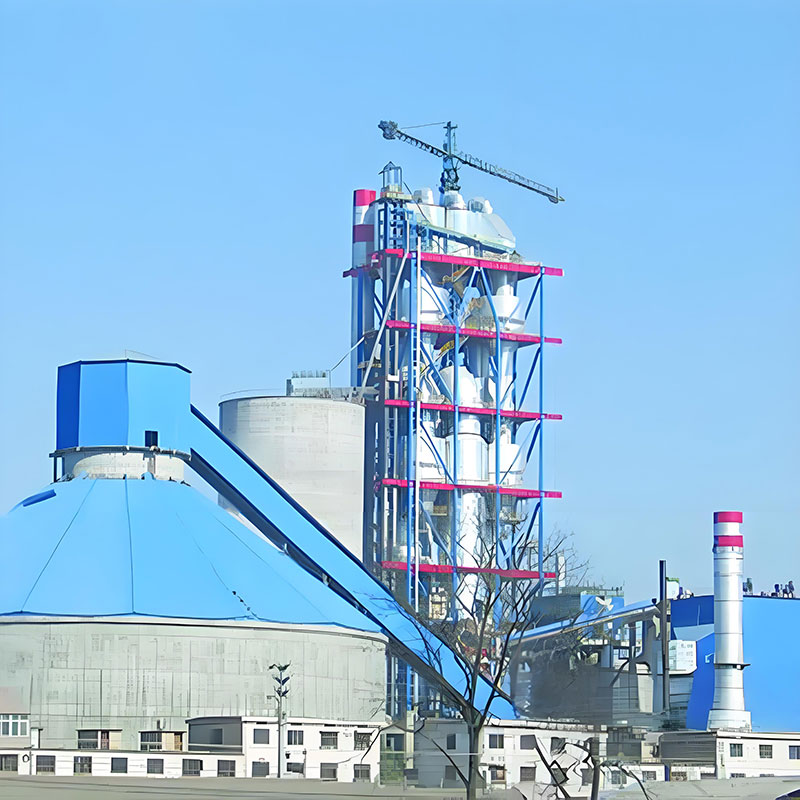
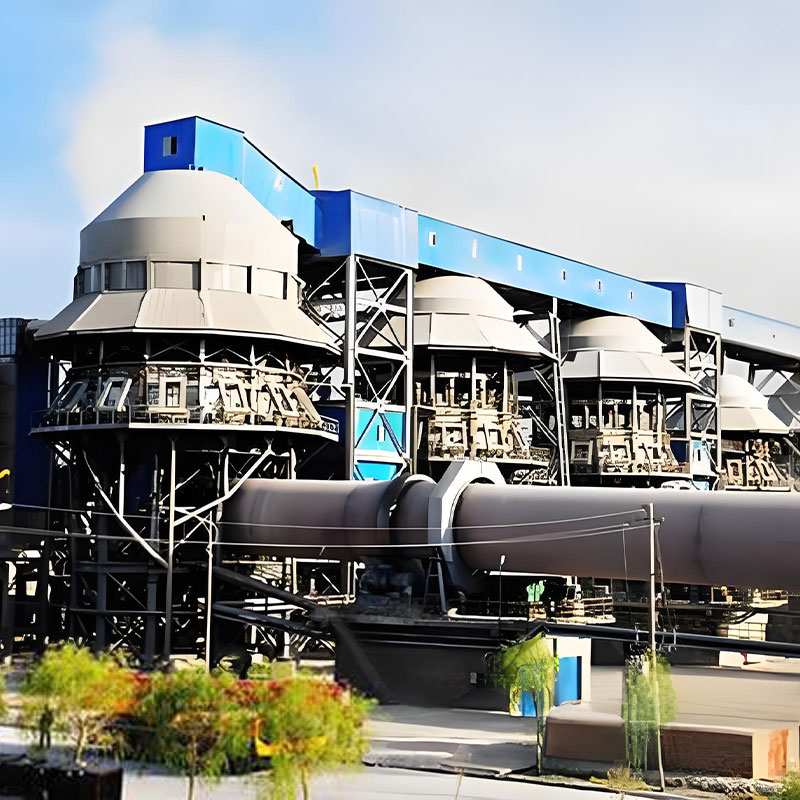
A cement production line is a large-scale facility designed to produce cement by combining raw materials, such as limestone, clay, and gypsum, through a series of processing stages. This includes crushing, grinding, mixing, and heating to create the final product. The efficiency of a cement production line directly impacts both the quality of the cement and the environmental footprint of the production process, making it a crucial component in the construction industry.
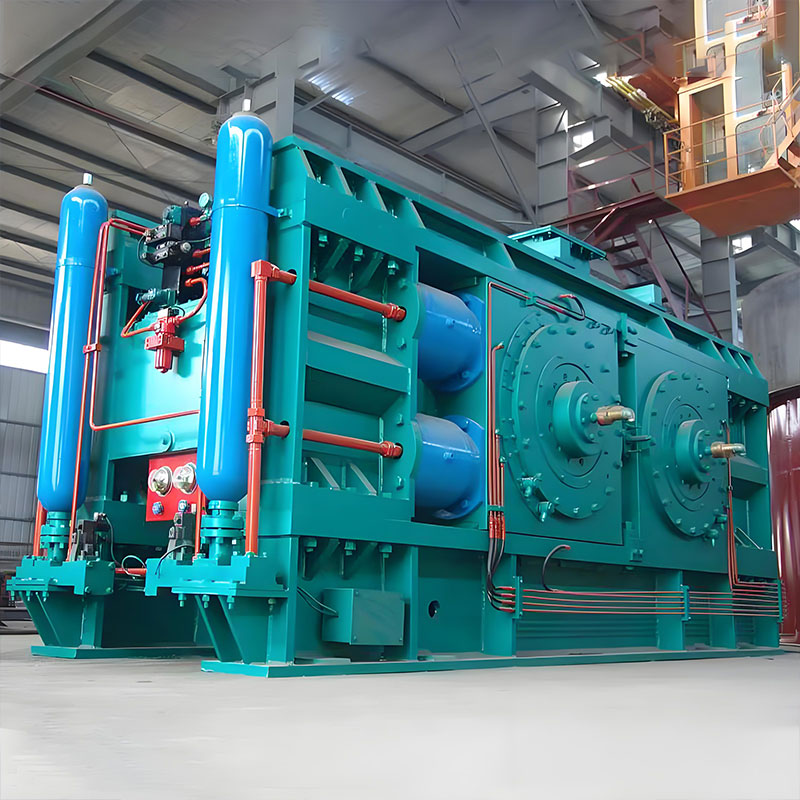
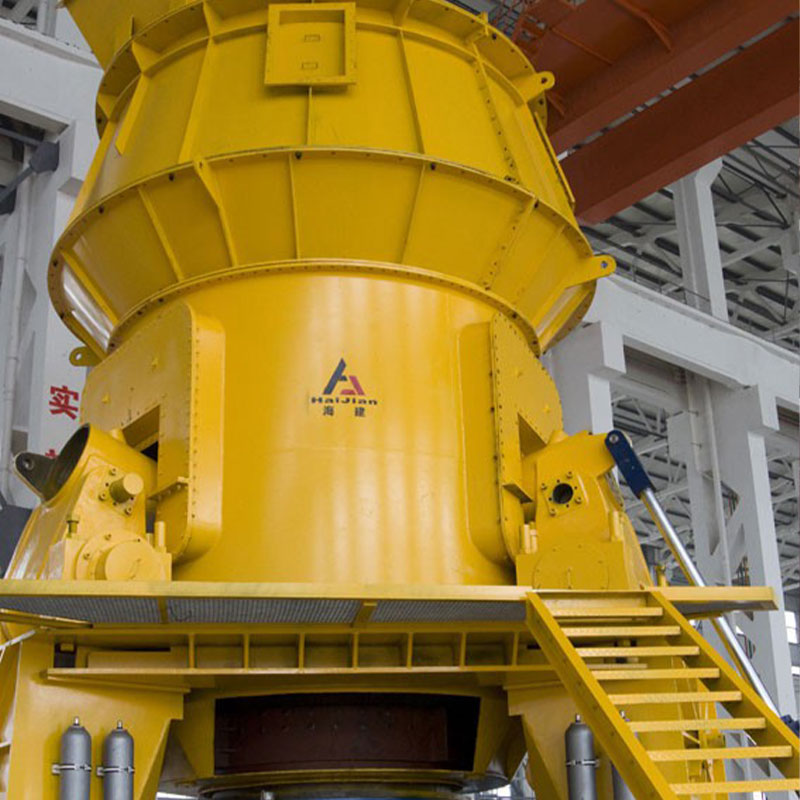
A typical cement production line consists of several key stages and components that work together to produce high-quality cement. These include:
To understand the full cement production process, it is important to break down the stages involved. Below is an overview of the step-by-step process:
The cement industry has seen several technological advancements aimed at increasing efficiency and reducing the environmental impact of cement production. Some of the most notable innovations include:
Cement production is energy-intensive and contributes significantly to global CO2 emissions. However, the industry has been making strides toward more sustainable practices. Some of the key environmental considerations include:
Here are some frequently asked questions regarding cement production lines:
It is focused on the overall solution of dry bulk material port transfer system,
research and development, manufacturing, and service