Content
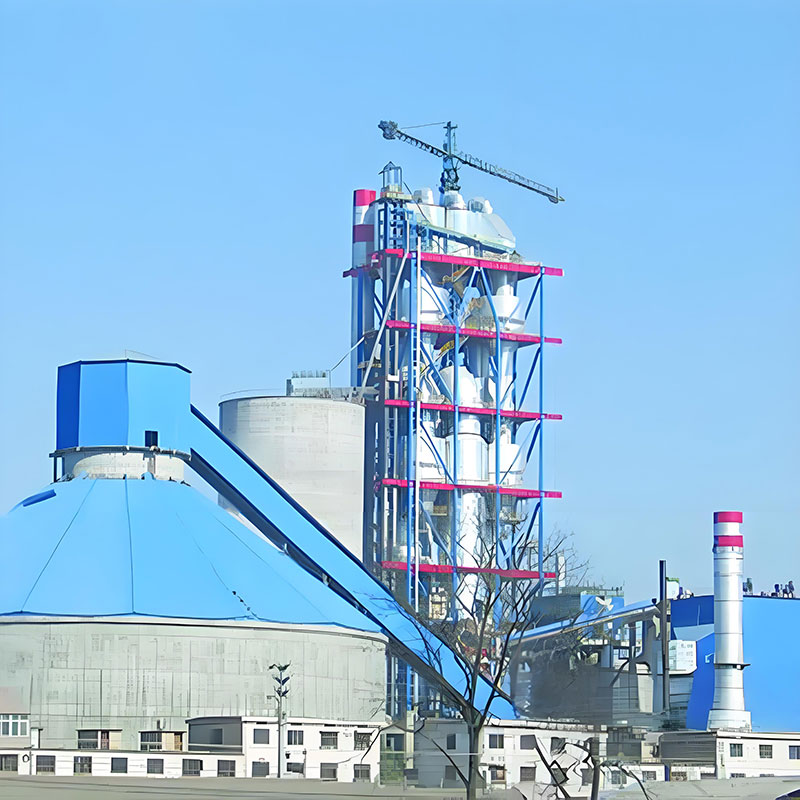
The most effective way to reduce energy consumption in a Cement Production Line is by optimizing grinding efficiency, improving kiln thermal performance, and implementing waste heat recovery systems. Cement manufacturing is energy-intensive, with energy costs accounting for approximately 30–40% of total production costs. By targeting high-consumption stages such as raw material grinding, clinker burning, and cement milling, plants can significantly lower electricity and fuel usage.
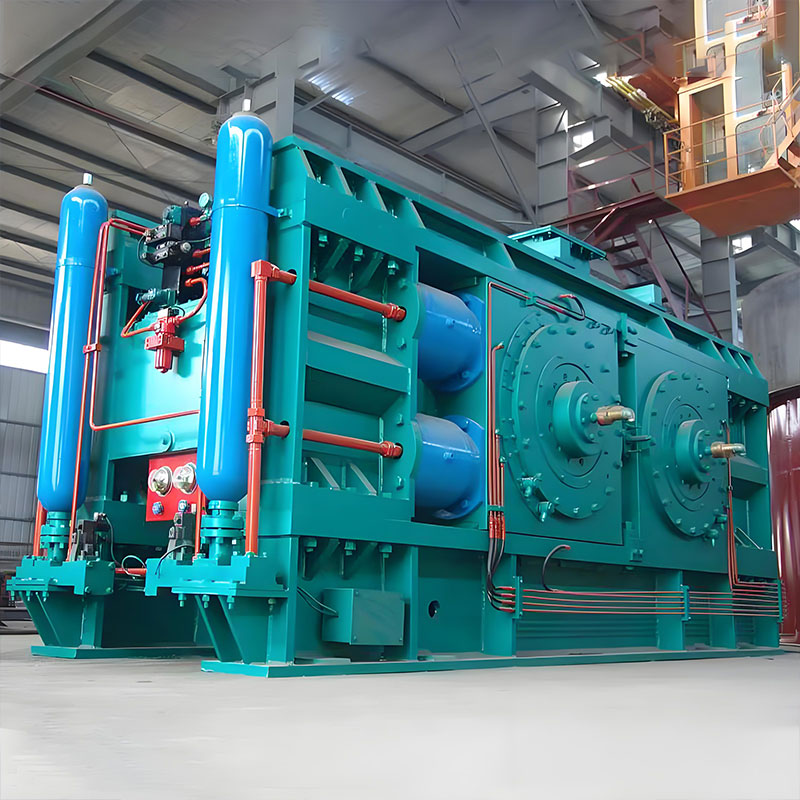
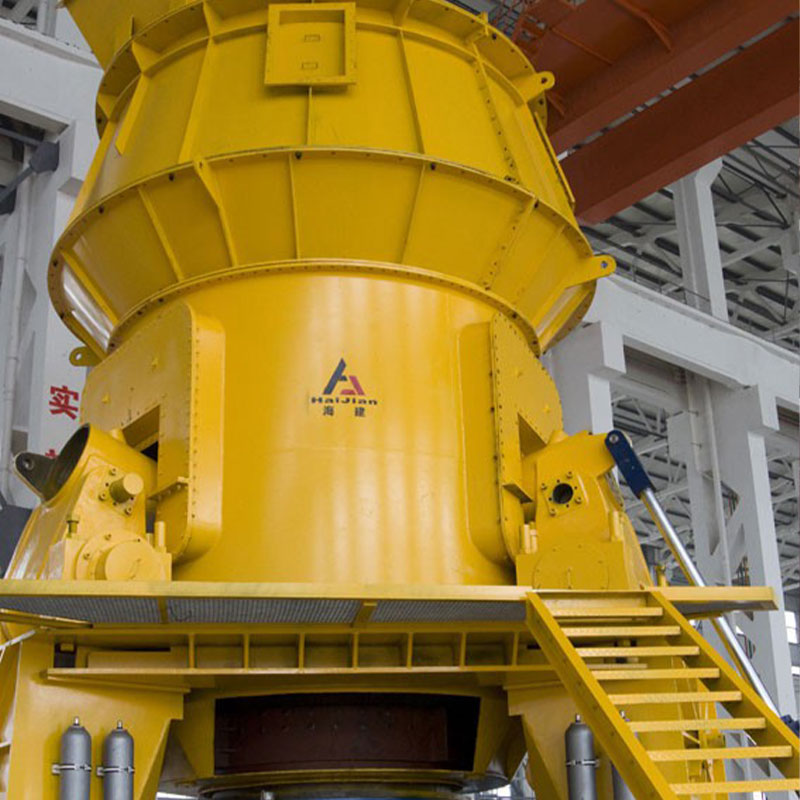
Grinding processes consume nearly 60–70% of total electrical energy in a Cement Production Line. Optimizing grinding systems directly impacts overall energy performance.
Even a 5% improvement in grinding efficiency can lead to substantial annual energy savings in large-scale plants.
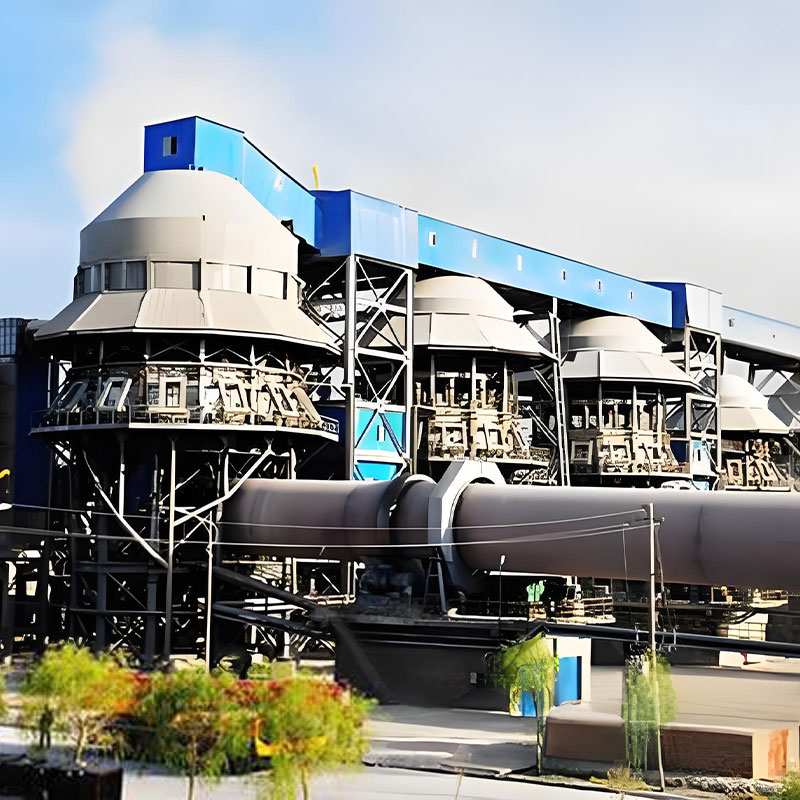
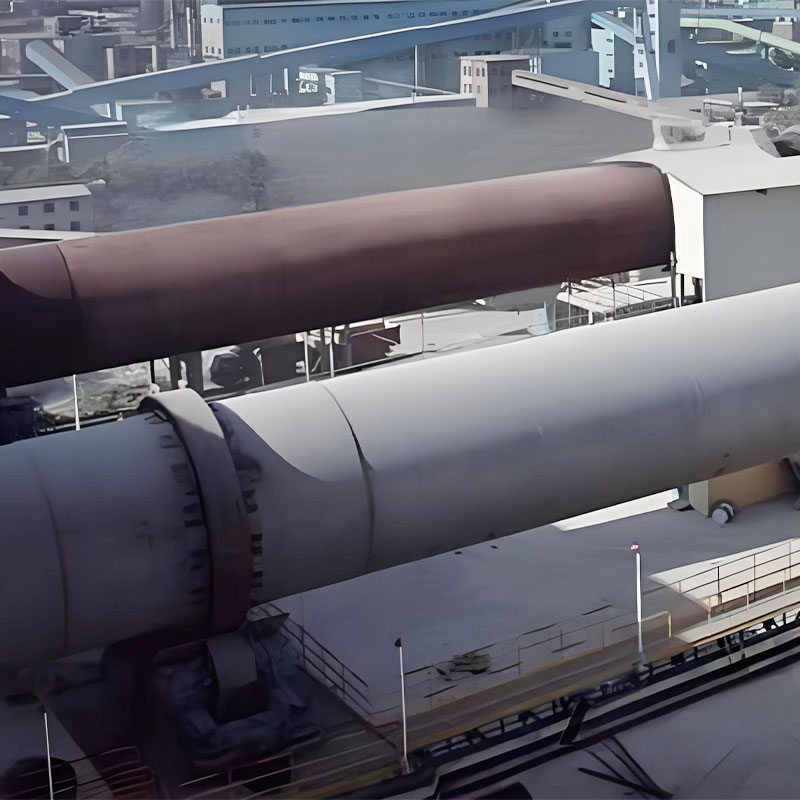
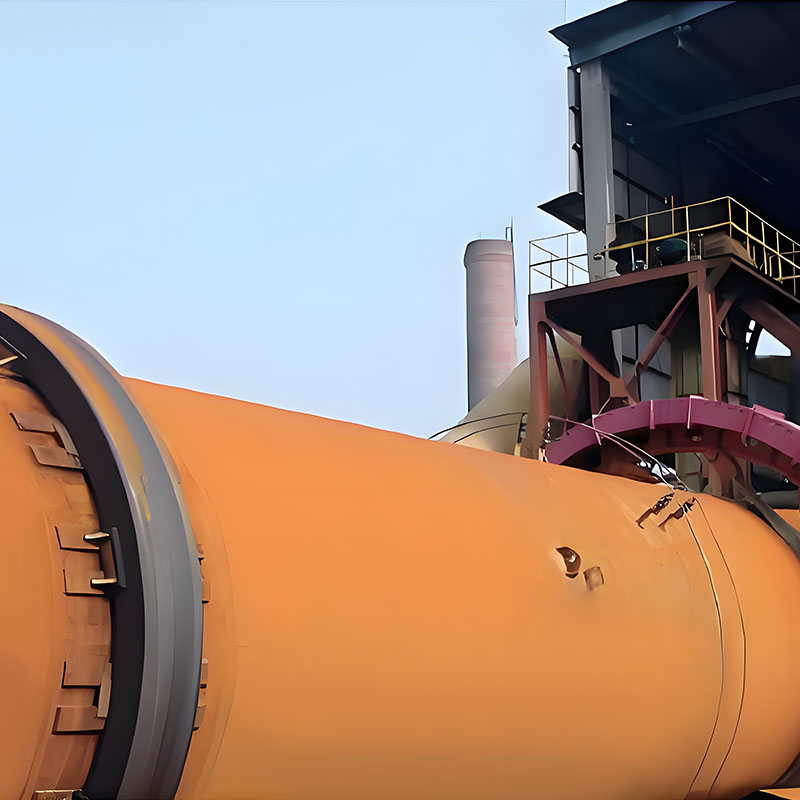
The rotary kiln is the core of the Cement Production Line and accounts for the majority of thermal energy usage. Improving kiln efficiency lowers fuel consumption per ton of clinker.
Modern dry-process kilns typically consume 3.0–3.3 GJ per ton of clinker, significantly lower than older wet-process systems.
A significant portion of heat energy in a Cement Production Line is lost through exhaust gases. Waste heat recovery systems capture this energy and convert it into electricity.
Although initial investment is substantial, payback periods are often within 3–5 years for medium to large plants.
Poor maintenance increases friction, heat loss, and inefficient operation. Predictive maintenance and digital monitoring systems can reduce unexpected downtime and energy waste.
| Area | Optimization Strategy | Potential Energy Reduction |
|---|---|---|
| Raw Grinding | Upgrade to VRM | 20–30% |
| Kiln System | Preheater & combustion control | 10–15% |
| Exhaust Heat | WHR installation | 20–30% electricity offset |
Integrated energy management systems allow real-time monitoring and continuous efficiency improvements.
It is focused on the overall solution of dry bulk material port transfer system,
research and development, manufacturing, and service