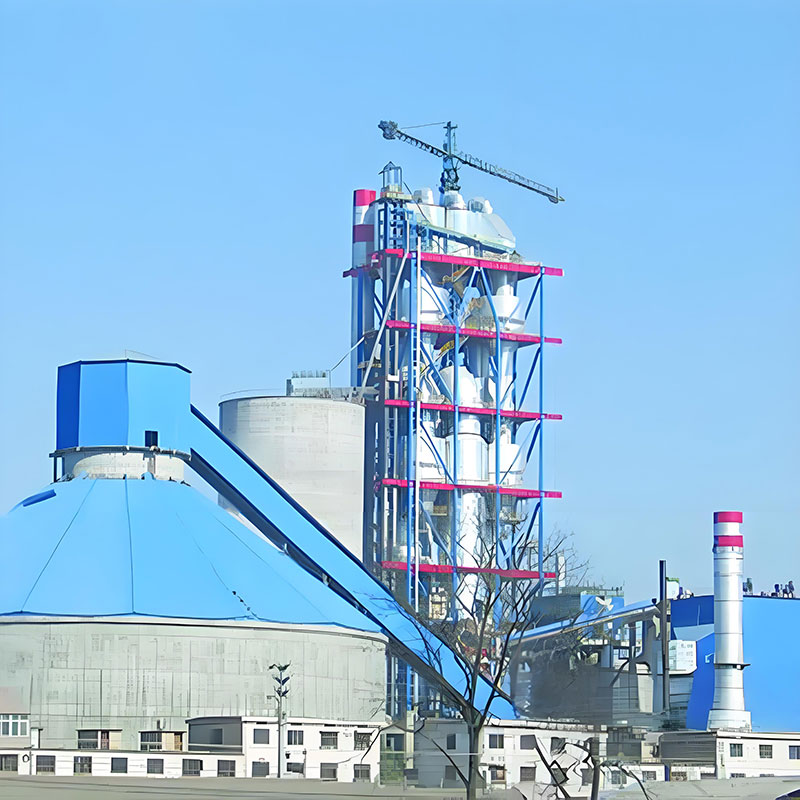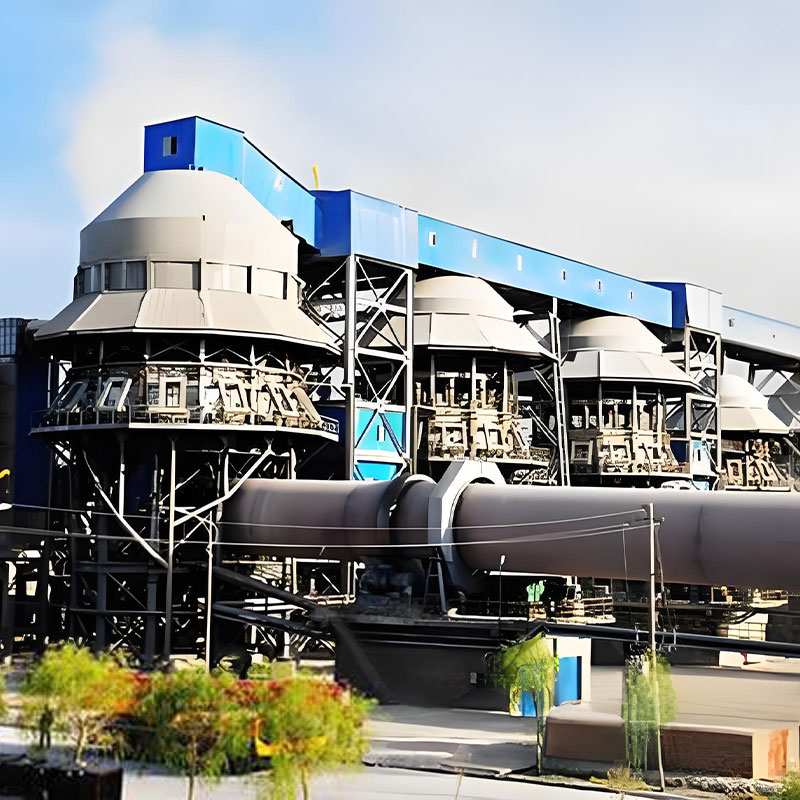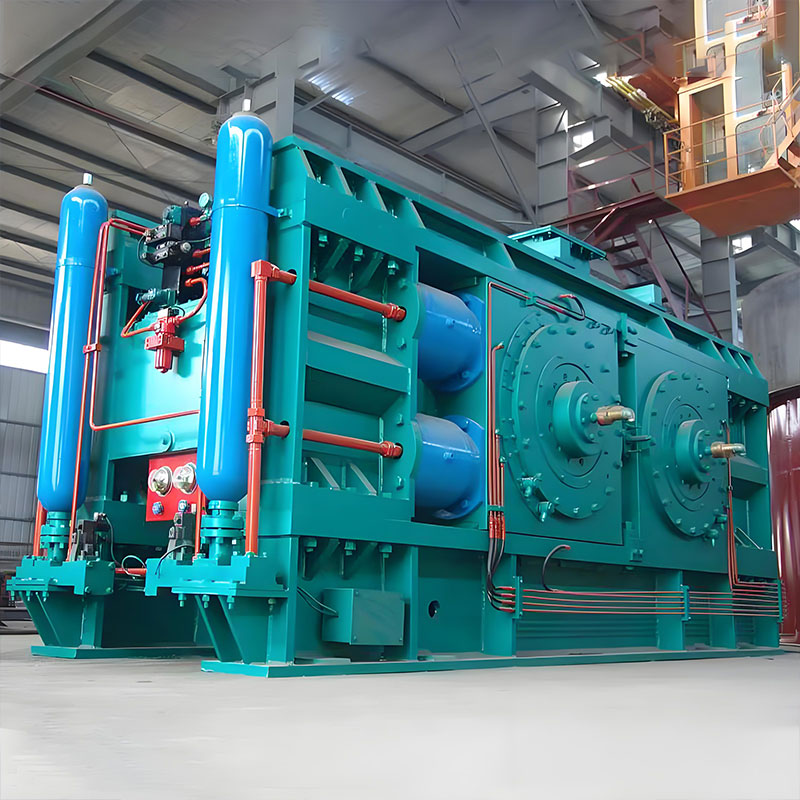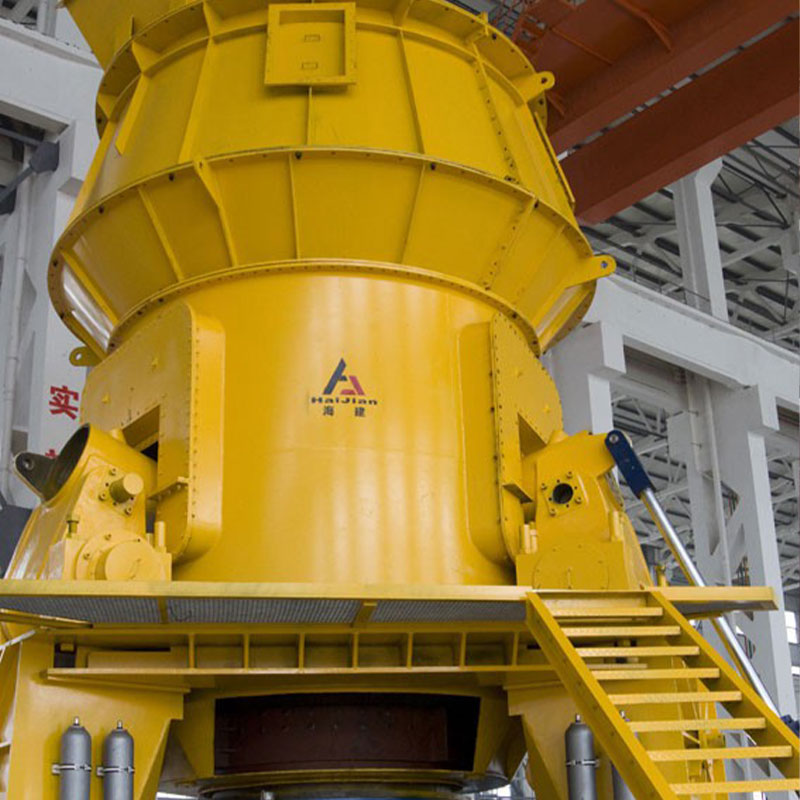
Cement production line performance is mainly determined by equipment efficiency, raw material quality, energy management, process control, and maintenance strategy. Plants that optimize these core factors typically achieve 10–25% higher output efficiency, 8–15% lower energy consumption, and more stable clinker quality. Below, we explore the most critical elements that directly influence production line performance and provide practical improvement insights.
Content
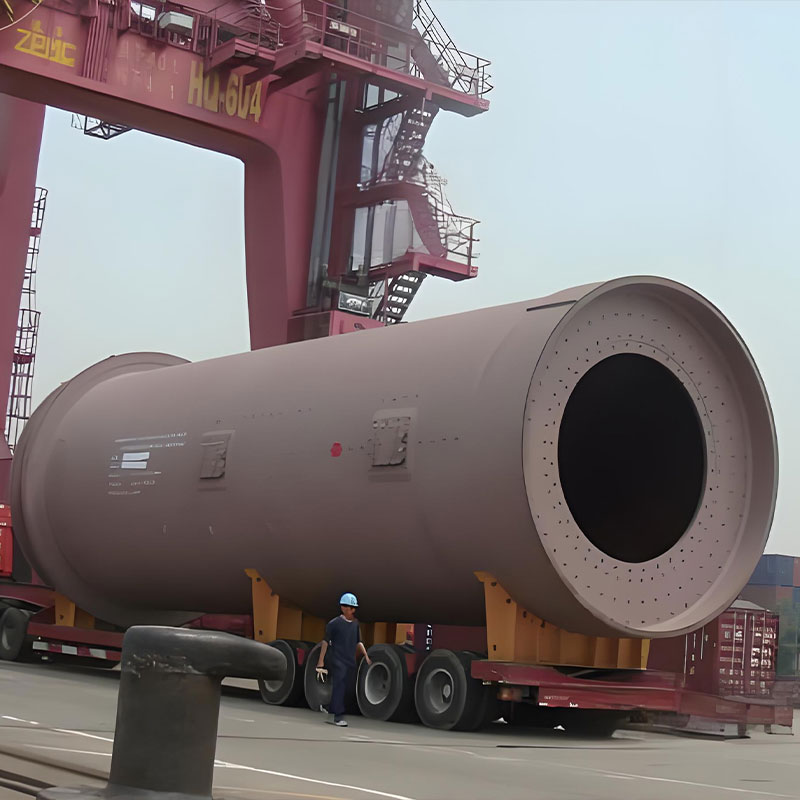
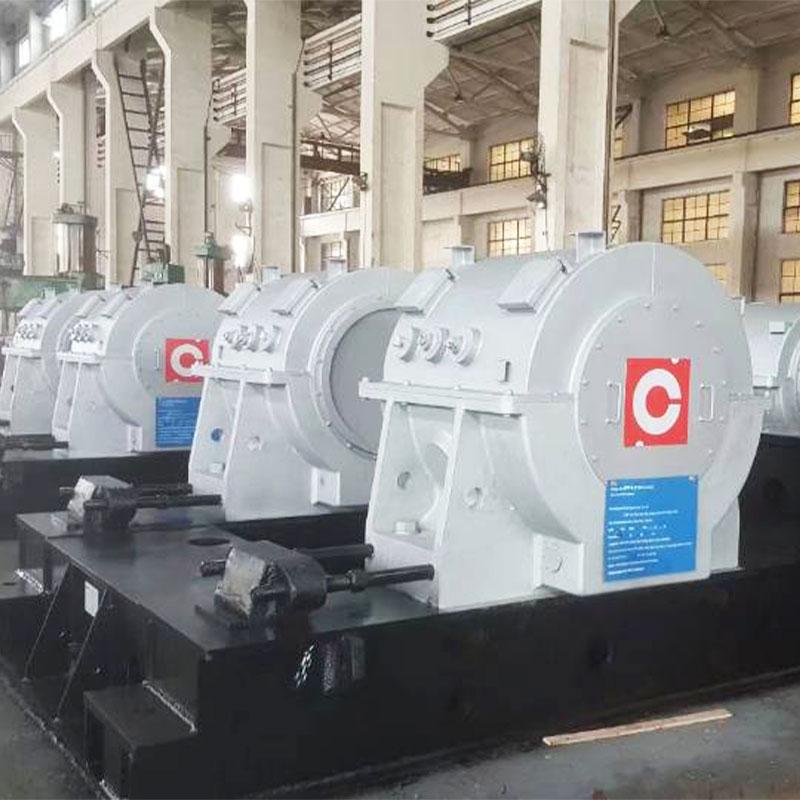
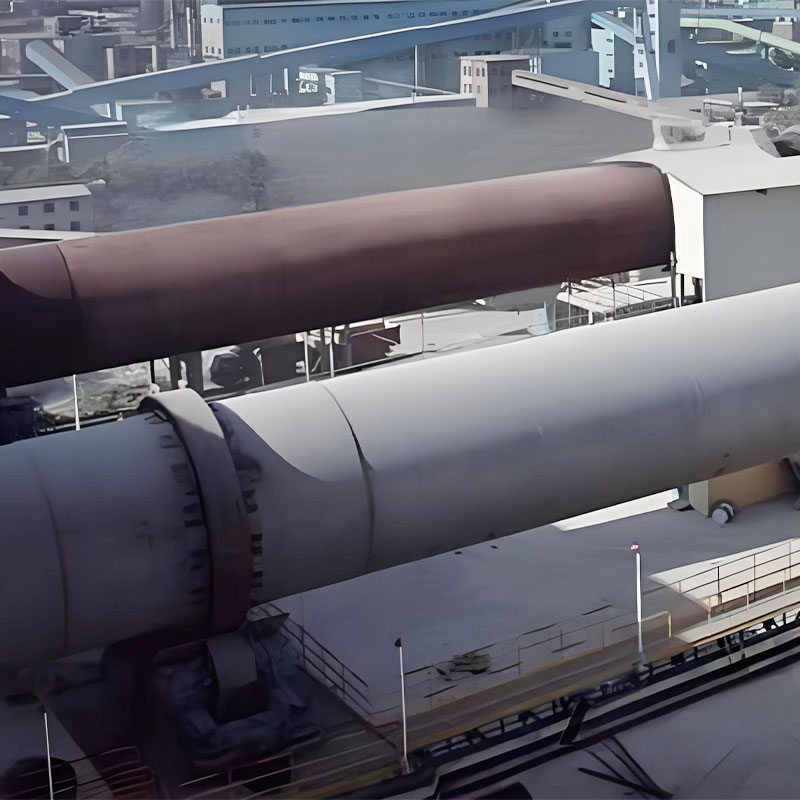
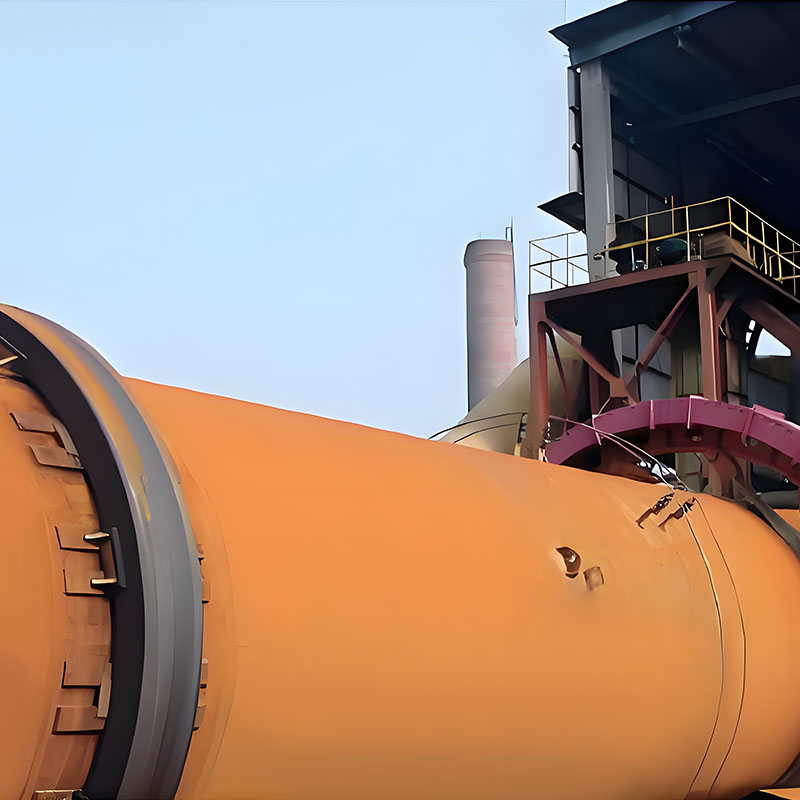
The configuration of core equipment such as crushers, vertical roller mills, rotary kilns, and clinker coolers directly affects capacity and stability. Modern cement production lines increasingly adopt automated systems and intelligent sensors.
Plants with higher automation levels experience fewer unplanned shutdowns and more consistent product quality.
Stable raw material composition is essential for maintaining smooth kiln operation. Variations in limestone purity, moisture content, and clay composition can cause temperature fluctuations and clinker quality issues.
For example, a 1% increase in raw material moisture can raise fuel consumption by 2–3% due to additional drying requirements. Proper pre-blending systems and online analyzers help reduce these variations and improve overall performance.
Energy costs typically account for 50–60% of cement production expenses. Optimizing thermal and electrical energy usage is therefore critical.
| Optimization Method | Typical Benefit |
|---|---|
| Waste heat recovery system | 5–9% power generation savings |
| High-efficiency motors | 3–6% electricity reduction |
| Alternative fuels | Up to 20% fuel cost savings |
Efficient process control ensures stable production parameters such as kiln temperature, feed rate, and grinding fineness. Poor control often results in higher rejection rates and increased maintenance frequency.
Implementing advanced process control (APC) systems can improve kiln output by 5–10% while reducing fuel consumption by 3–5%. Proper operator training also plays a vital role in maintaining consistent performance.
Preventive and predictive maintenance significantly reduce downtime and extend equipment life. Unexpected equipment failures can stop production for hours or even days, resulting in substantial financial losses.
Well-maintained production lines typically achieve 95% or higher equipment availability.
Environmental regulations directly influence production line design and operation. Dust collection systems, low-NOx burners, and desulfurization units are now standard components.
Efficient emission control systems not only ensure compliance but also improve workplace safety and corporate reputation, which indirectly enhances long-term operational stability.
Equipment efficiency combined with stable process control has the greatest impact on overall performance.
Using waste heat recovery systems, high-efficiency motors, and optimized kiln operation can significantly lower energy usage.
Yes, automation improves production stability, reduces human error, and increases output consistency.
It is focused on the overall solution of dry bulk material port transfer system,
research and development, manufacturing, and service