Yes. A modern cement production line can reduce energy consumption by up to 30%, increase production efficiency by more than 20%, and significantly improve product quality stability. By integrating advanced automation, energy-saving equipment, and intelligent control systems, cement manufacturers can achieve both economic and environmental benefits.
Content
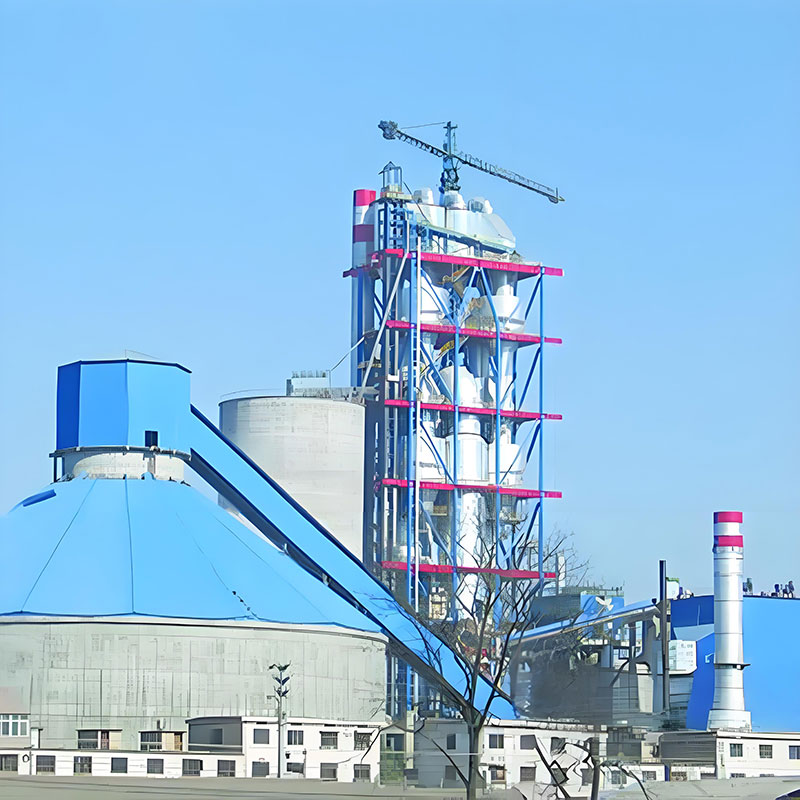
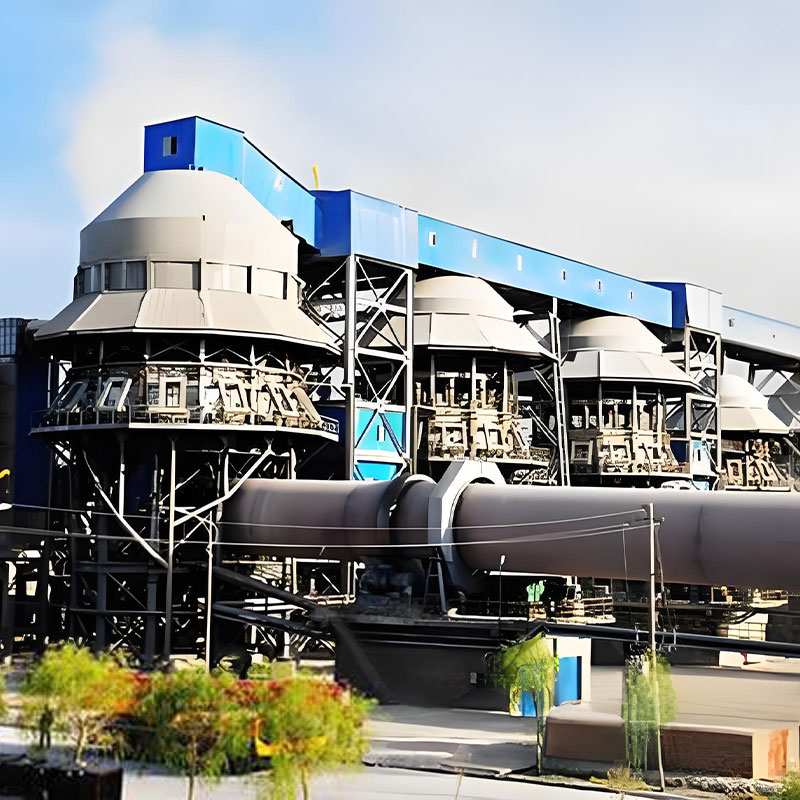
A cement production line is a complete industrial system that converts raw materials such as limestone, clay, and iron ore into finished cement. It integrates crushing, grinding, preheating, calcination, clinker cooling, and cement grinding into one continuous process.
A standard 5000 TPD cement production line can produce over 1.5 million tons of cement annually, supporting large-scale infrastructure projects.
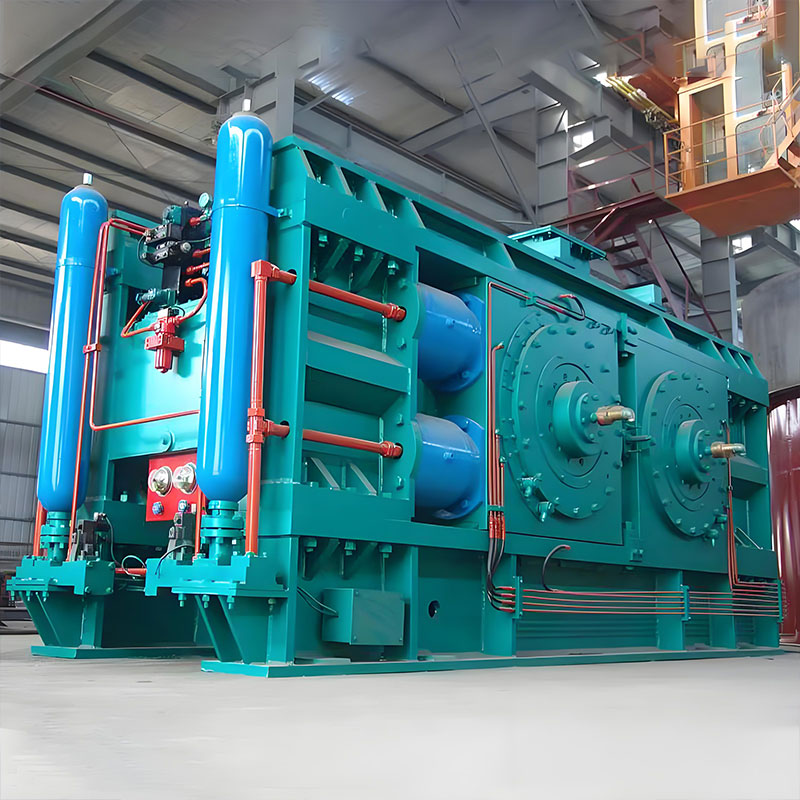
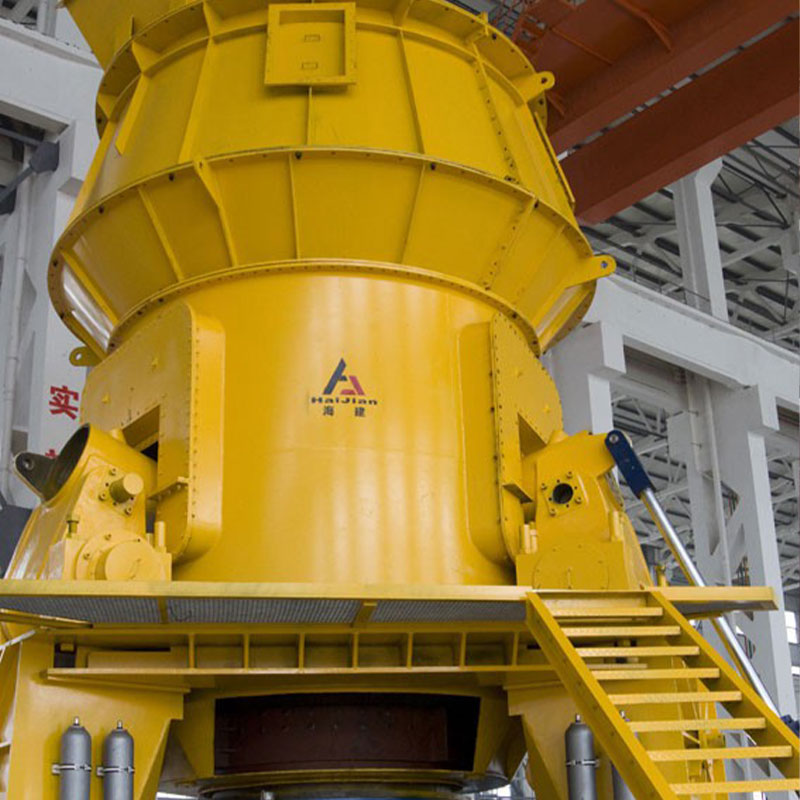
High-performance equipment directly affects production capacity, operating costs, and product consistency. Modern lines use vertical roller mills, high-efficiency separators, and multi-stage cyclone preheaters to optimize performance.
| Equipment | Traditional Type | Modern High-Efficiency Type |
|---|---|---|
| Grinding System | Ball Mill | Vertical Roller Mill |
| Heat Efficiency | Low | High with Preheater System |
| Power Consumption | High | Reduced by 20–30% |
Advanced grinding systems alone can reduce electricity usage by up to 25%, significantly lowering operational costs.
Automation systems allow real-time monitoring and precise control of temperature, pressure, and material flow. This reduces human error and ensures stable product quality.
Fully automated cement plants can improve labor productivity by over 40% compared to semi-automatic lines.
Energy costs account for nearly 60% of total cement production expenses. Modern energy-saving technologies play a vital role in cost reduction.
Waste heat recovery systems can generate 25–35 kWh of electricity per ton of clinker, covering up to 30% of plant power demand.
Environmental compliance is now a critical requirement. New-generation cement production lines integrate dust control, emission treatment, and resource recycling technologies.
Modern eco-friendly cement plants can reduce CO₂ emissions by up to 15–20% compared to conventional production lines.
Common capacities range from 1000 TPD to 10,000 TPD, depending on project scale and market demand.
A complete project typically takes 12 to 24 months, including design, equipment installation, and commissioning.
Yes. Equipment retrofitting and automation upgrades can improve efficiency by over 20% with a relatively short return on investment period.
Routine inspection of kilns, mills, bearings, and dust collectors is essential to ensure stable long-term operation.
It is focused on the overall solution of dry bulk material port transfer system,
research and development, manufacturing, and service