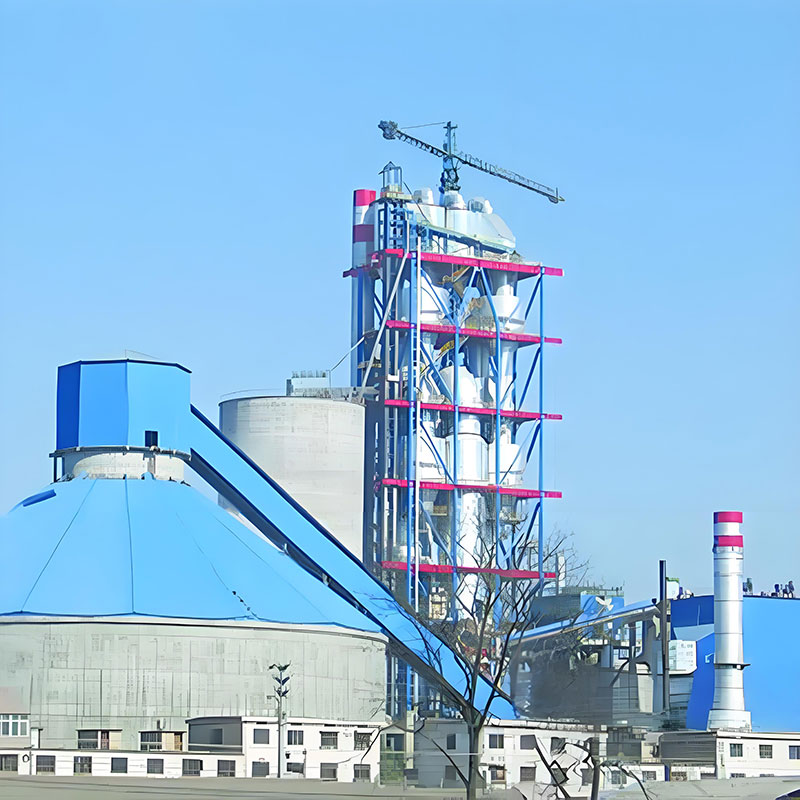
A complete cement production line requires seven major equipment categories: raw material crushing and conveying systems, raw meal grinding mills, blending and homogenization silos, rotary kiln cement manufacturing equipment, clinker cooling systems, clinker grinding plant equipment, and dust collection and emission control systems. Each category contains multiple specialized machines that must be correctly matched in capacity, throughput, and thermal specification to form a functional and efficient production line.
This article provides a structured cement production line equipment list with technical specifications, process context, and capacity data — covering both the dry process and the clinker grinding stage — to support engineers and project managers planning new installations or expansions.
Content
The first stage of the cement production line processes quarried limestone, clay, iron ore, and other corrective materials from run-of-mine sizes — sometimes exceeding 1,000 mm — down to a feed size suitable for raw meal grinding, typically below 25 mm. Two or three stages of crushing are standard depending on feed hardness and initial particle size distribution.
Raw meal grinding reduces the blended raw materials to a fineness typically below 12% residue on a 90-micron sieve, preparing the feed for the rotary kiln. This is one of the most energy-intensive stages in the cement production line, consuming 15 to 25 kWh per tonne of raw meal depending on the grinding technology used.
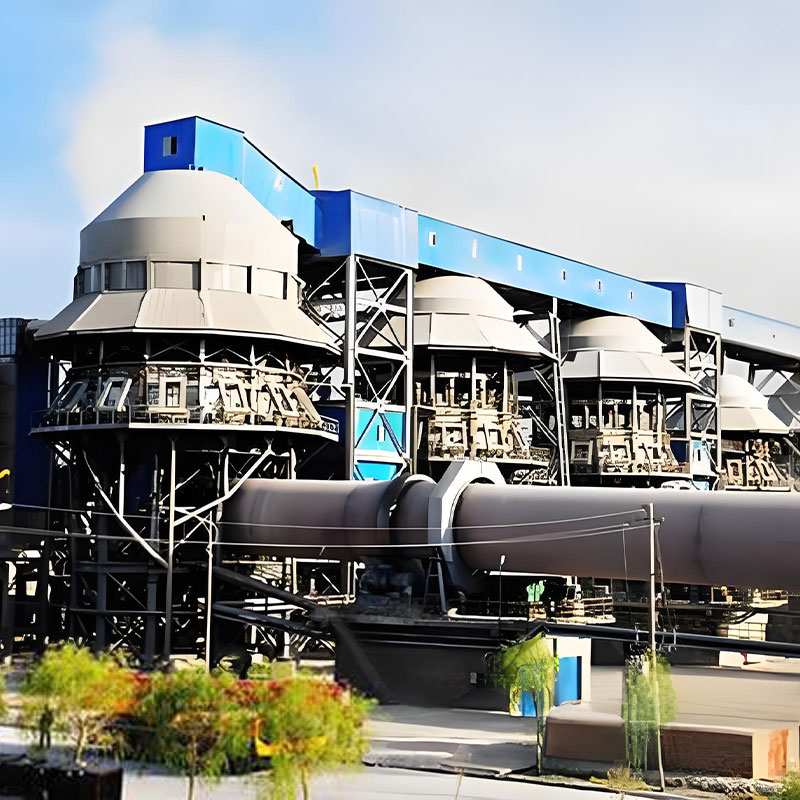
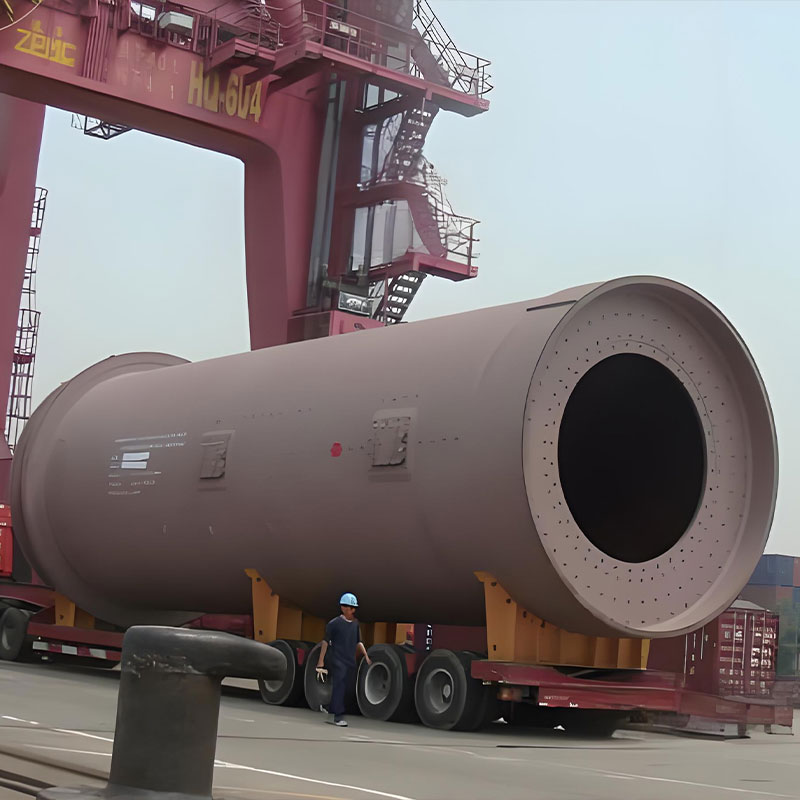
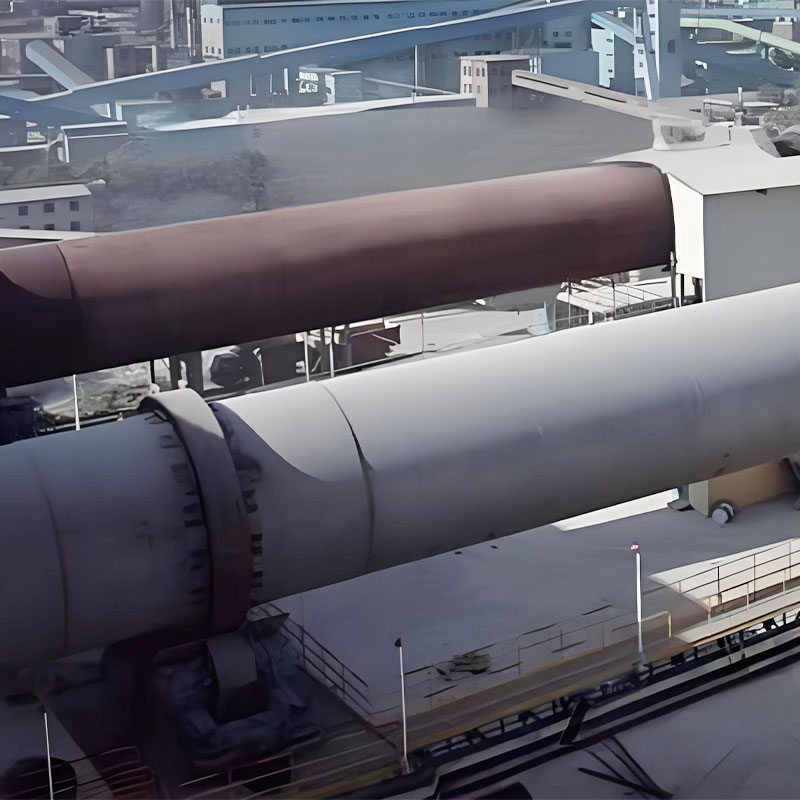
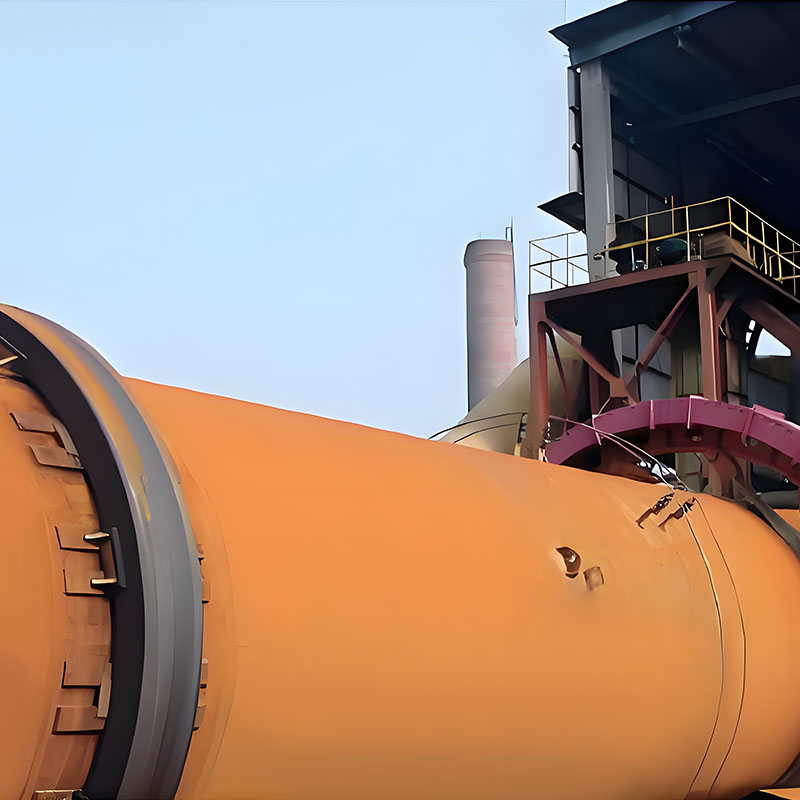
The rotary kiln is the thermal heart of any cement production line. Rotary kiln cement manufacturing equipment converts raw meal into clinker through a series of chemical reactions at peak temperatures of 1,350°C to 1,450°C inside the burning zone. Modern dry process lines integrate the kiln with a multi-stage cyclone preheater and a precalciner to maximize energy efficiency.
Typical clinker output by rotary kiln size for modern NSP dry process cement lines
Clinker exits the rotary kiln at approximately 1,200 to 1,350°C and must be rapidly cooled to below 100°C before storage, transport, and grinding. The cooling rate directly affects clinker mineralogy and grindability — poorly cooled clinker with coarse alite crystals is harder to grind and produces lower-strength cement.
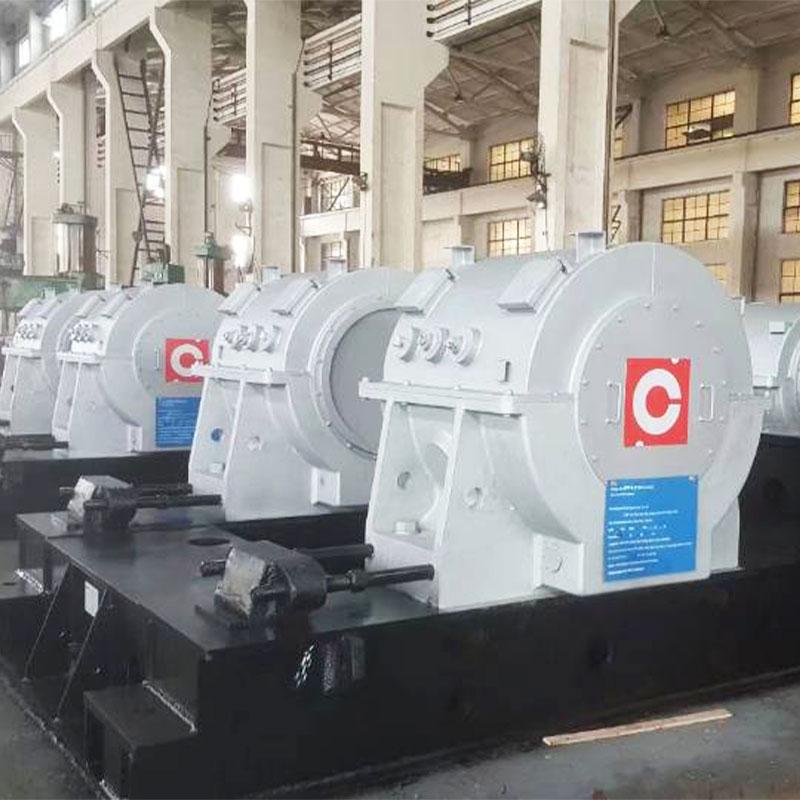
The clinker grinding plant is the final size-reduction stage where clinker, gypsum, and supplementary cementitious materials (SCMs) are ground to produce finished cement. This stage accounts for 30 to 40% of total electrical energy consumption in the cement production line, making equipment selection and optimization critical to operating efficiency.
| Equipment | Typical Capacity (t/h) | Specific Power (kWh/t) | Best Application |
|---|---|---|---|
| Ball mill (closed circuit) | 30 – 200 | 28 – 42 | General OPC, blended cements |
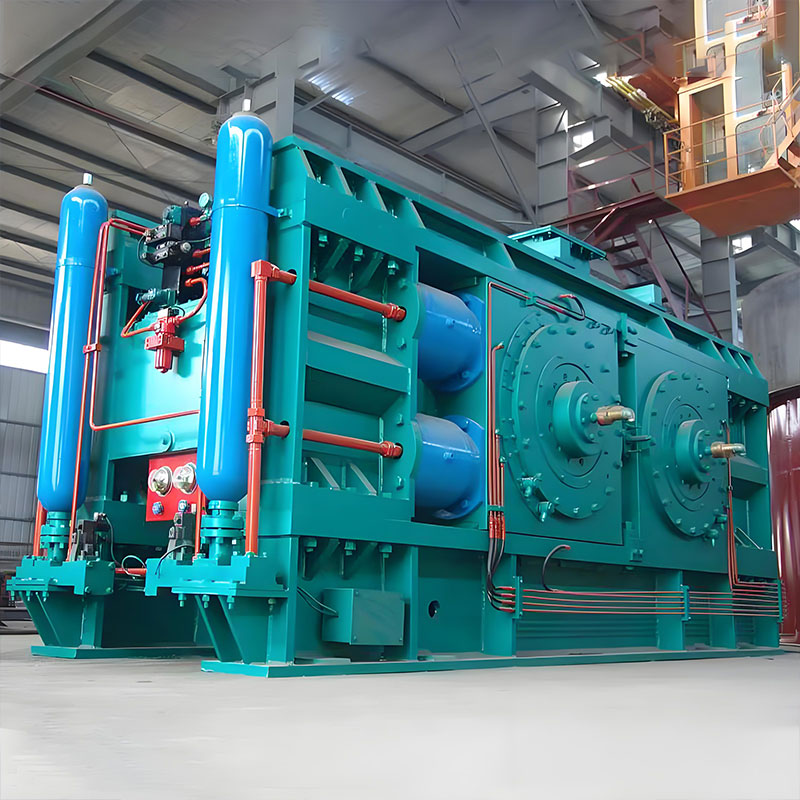
| Roller press + ball mill | 60 – 300 | 22 – 32 | High-output lines, energy saving |
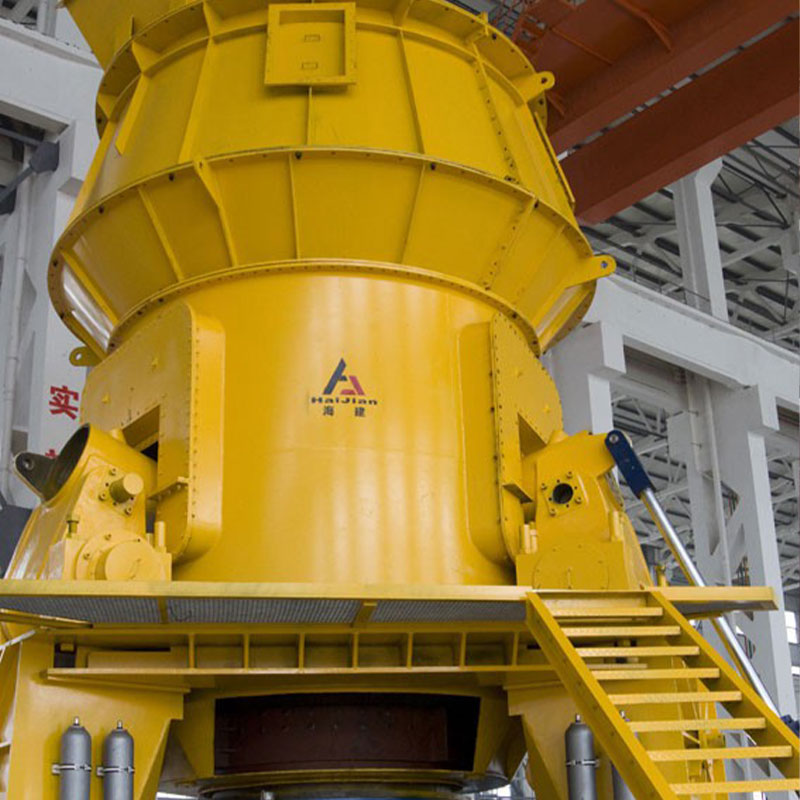
| Vertical roller mill (VRM) | 80 – 500 | 18 – 28 | Slag cement, blended, large lines |
| Roller press finish grinding | 50 – 250 | 16 – 24 | Lowest energy; coarser products |
Supporting clinker grinding plant equipment includes cement separators (high-efficiency third-generation classifiers), cement coolers (for VRM and roller press systems), cement storage silos (typically 5,000 to 50,000 tonnes capacity per silo), and packing machines or bulk loading systems for dispatch.
Rotary kiln cement manufacturing equipment requires a continuous and precisely metered fuel supply. Coal is the dominant fuel in most regions, though natural gas, fuel oil, and alternative fuels are increasingly used. A complete fuel preparation system is a mandatory part of the process equipment of cement production line.
Dust collection is integral to every stage of the cement production line — not only for environmental compliance but also for product recovery and equipment protection. Modern cement plants must meet emission limits typically below 30 mg/Nm³ particulate at stack outlets, with many jurisdictions now requiring limits below 10 mg/Nm³.
Typical electrical energy distribution across cement production line process equipment stages
Jiangsu Haijian Co., Ltd. was established in 1970 and restructured into a provincial privately-owned joint-stock company in 2003. The company currently employs over 300 people, with engineering and technical personnel accounting for 25% of the total workforce. It covers an area of 100,000 m² with a building area of 55,000 m².
The company possesses advanced manufacturing capabilities including vertical lathes from Φ2.5–10 m in diameter, gear hobbing machines with Φ2–8 m capacity, floor-type lathes with Φ5×16 m and Φ7×20 m capacities, overhead cranes from 10–150 t, plate rolling machines from 30–120, gas annealing furnaces measuring 6.5×6.5×18 m, and automatic drying and spraying booths — with a total of 500 units/sets of various equipment.
As a professional China process equipment of cement production line manufacturer and company, Jiangsu Haijian provides professional cement production equipment, industrial solid waste incineration equipment, and equipment for mining and metallurgical applications. The company is a major manufacturing enterprise, a key backbone enterprise, and a primary export base for cement, power, environmental protection, metallurgical, and mining equipment in China — with independent import/export rights and authorization to undertake general contracting for foreign projects.
It is focused on the overall solution of dry bulk material port transfer system,
research and development, manufacturing, and service