Setting up a cement production line follows a defined sequence of eight core stages: site selection and feasibility assessment, raw material sourcing, quarrying and crushing, raw meal preparation, preheating and calcination, clinker production in the rotary kiln, cement grinding and blending, and packaging and dispatch. Each stage requires specific cement plant production line equipment, qualified technical personnel, and adherence to both process parameters and environmental regulations. Skipping or inadequately completing any stage creates quality, efficiency, or compliance problems that are costly to correct after commissioning. The process described here applies to a dry-process cement production line, which accounts for the vast majority of new cement plant installations globally due to its lower energy consumption compared to wet-process lines.
Content
Before any equipment is specified or ordered, the site must be evaluated against a set of technical, logistical, and regulatory criteria. A poorly selected site adds permanent cost and operational friction to the cement production line for its entire service life, which typically spans 30 to 50 years.
The feasibility study should also include a raw material quality analysis. Limestone with a CaCO3 content of 75% or higher is suitable for cement production. Lower-grade deposits may still be usable with blending from higher-grade sources, but this adds complexity and cost to raw meal preparation.
The cement production line begins physically at the quarry. Limestone and other raw materials are extracted by drilling and blasting, then loaded and transported to the primary crusher at or near the quarry face.
The primary crusher reduces run-of-mine limestone from feed sizes up to 1,200 mm down to a product size of 25 to 80 mm, depending on the downstream mill type. Common primary crusher types used in cement plant production line equipment include:
Crushed material is transported to the plant stockpile or pre-homogenization facility by belt conveyor or haul truck. Conveyor systems for large cement plants may span 3 to 8 km between the quarry and the plant.
Raw material chemistry varies across a quarry face, and this variation must be averaged out before the material enters the grinding circuit. Pre-homogenization is achieved by constructing long stockpiles using a stacker operating in a chevron or windrow pattern, then reclaiming material by cutting across the full profile of the pile with a bridge scraper or bucket-wheel reclaimer.
Effective pre-homogenization reduces the coefficient of variation in CaCO3 content from 3 to 6% in the raw quarry feed to below 1% in the reclaimed material. This directly reduces variability in raw meal chemistry and clinker quality downstream.
Corrective materials — such as high-silica sand, iron ore fines, or bauxite — are stored in separate covered storage facilities and metered into the raw mill feed in proportions determined by the raw mix design calculation.
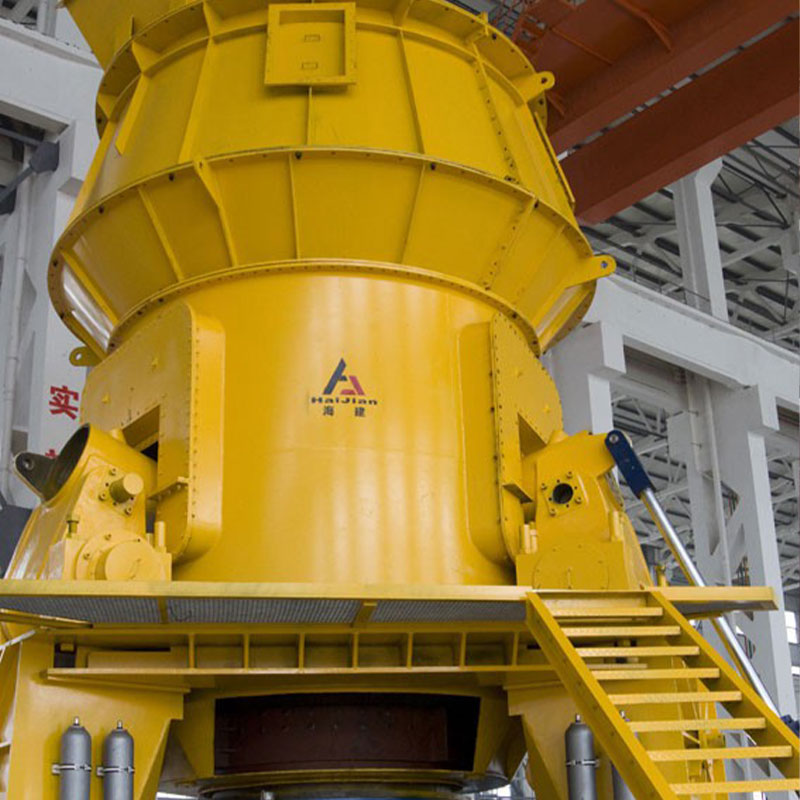
Raw meal grinding reduces the blended raw material mixture to the fine powder required for complete calcination in the kiln. The fineness specification for raw meal is typically 12 to 16% residue on a 90-micron sieve, depending on the raw material mineralogy and kiln type.
| Mill Type | Capacity Range | Specific Power (kWh/t) | Moisture Tolerance | Best Application |
|---|---|---|---|---|
| Vertical Roller Mill (VRM) | 100 - 700 TPH | 14 - 18 | Up to 20% | New large-scale plants, wet raw materials |
| Ball Mill (Tube Mill) | 50 - 350 TPH | 22 - 30 | Up to 6% | Existing plants, proven reliability |
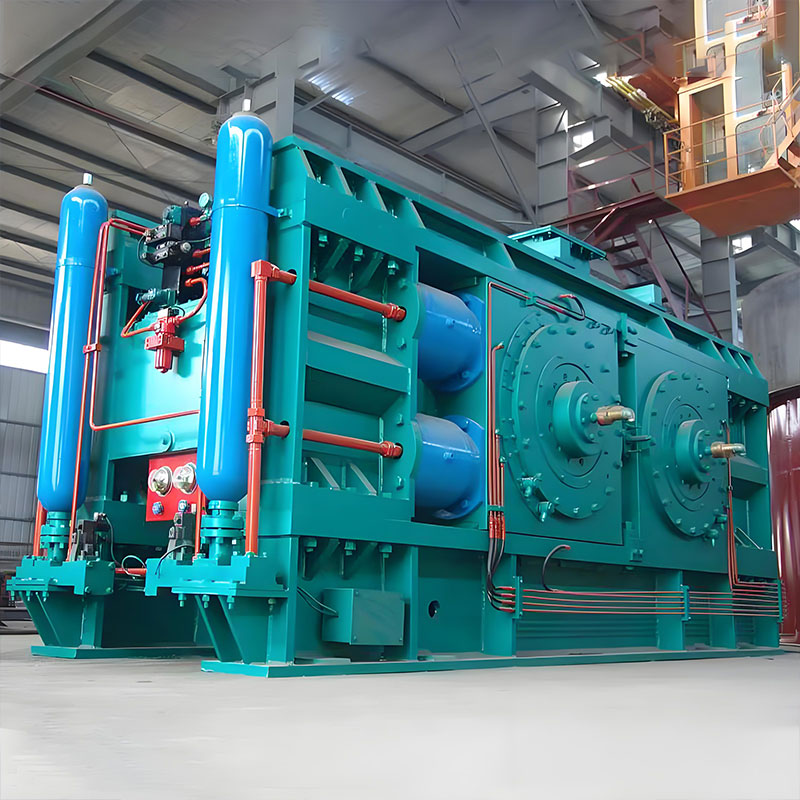
| Roller Press (HPGR) | 100 - 500 TPH | 16 - 22 | Up to 4% | Combined with ball mill for energy saving |
X-ray fluorescence (XRF) analyzers are installed in the raw mill circuit to monitor raw meal chemistry in near-real-time, typically with a sample analysis cycle of 2 to 5 minutes. The analyzer output feeds an automatic proportioning control system that adjusts the feed rates of each raw material component to maintain the target lime saturation factor (LSF), silica modulus (SM), and alumina modulus (AM).
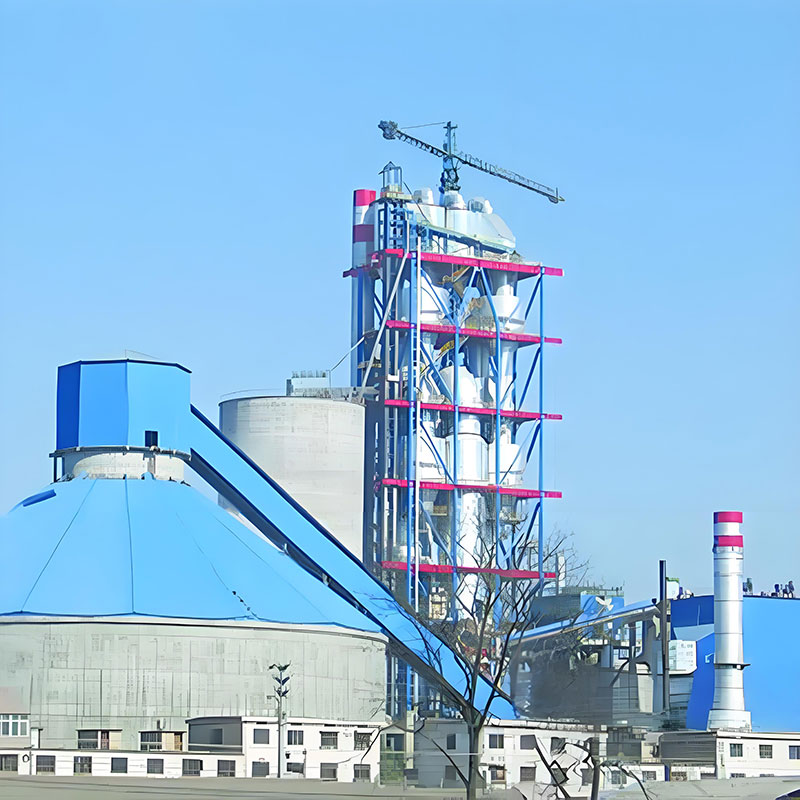
The preheater tower is the tallest single structure in a cement production line, typically standing 80 to 120 meters in height. It uses the hot exhaust gas from the rotary kiln to preheat the raw meal in a series of cyclone stages before it enters the calciner and then the kiln. This heat recovery is the primary reason the dry-process cement production line consumes significantly less energy than wet-process systems.
Modern 5-stage and 6-stage preheater systems achieve raw meal exit temperatures of 820°C to 860°C with calcination degrees above 92%, minimizing the fuel input required in the rotary kiln and reducing specific heat consumption of the total cement production line to 700 to 780 kcal per kg of clinker.
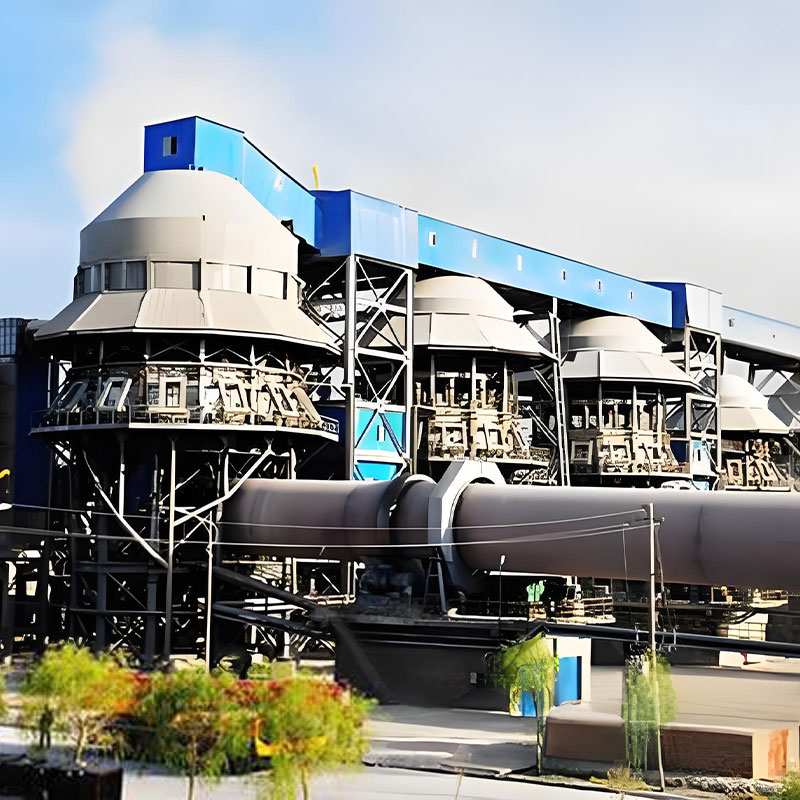
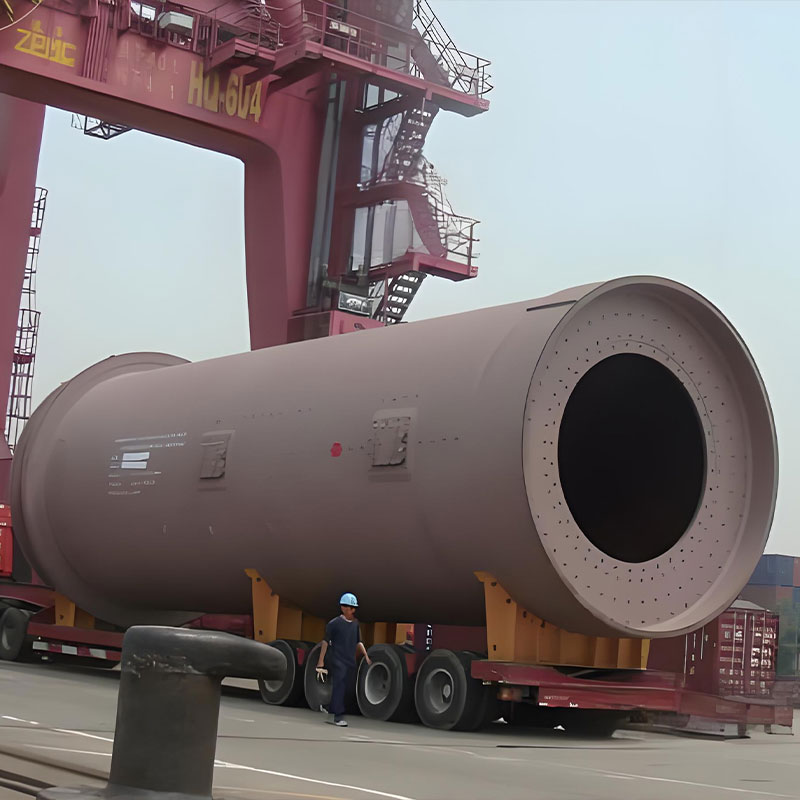
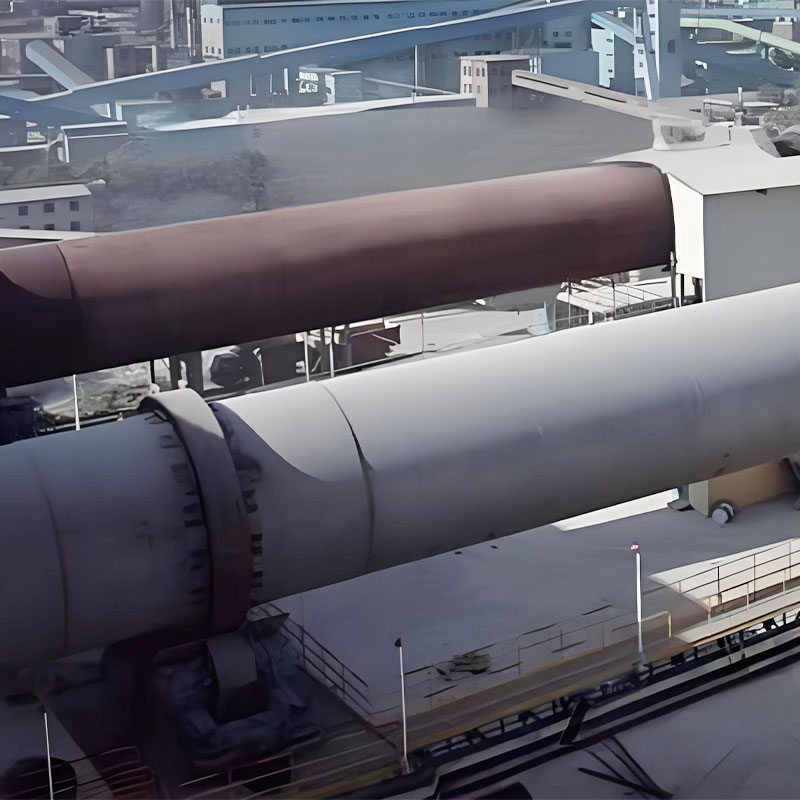
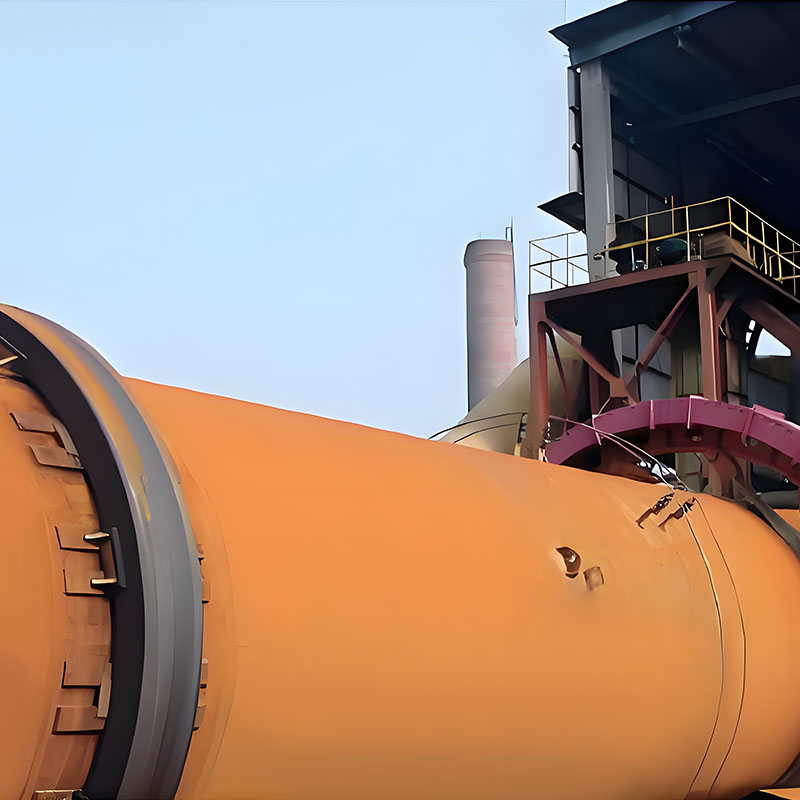
The rotary kiln is the thermal heart of the cement production line. It is a long, slightly inclined rotating cylinder — typically 60 to 90 meters in length and 4 to 6 meters in internal diameter for a 3,000 to 5,000 TPD plant — lined with refractory bricks that protect the steel shell from peak temperatures exceeding 1,450°C in the burning zone.
Temperature profile along the rotary kiln from inlet (feed end) to outlet (burner end)
Rapid cooling of clinker after the kiln is essential for preserving alite crystal structure and recovering thermal energy for use in the calciner and raw mill. The modern standard for cement plant production line equipment is the reciprocating grate cooler or cross-bar cooler, which quenches clinker from 1,200°C to below 100°C over a length of 25 to 40 meters using ambient air blown through the clinker bed by under-grate fans.
Efficient clinker coolers recover 70 to 75% of clinker heat back into the process as hot secondary air (to the kiln burner) and tertiary air (to the calciner). This heat recovery reduces specific fuel consumption by approximately 80 to 120 kcal per kg of clinker compared to inefficient cooler operation.
Cooled clinker is discharged to a clinker hammer crusher, then conveyed to covered clinker storage — typically a circular storage hall or a series of clinker silos — where it may be stored for days to weeks before cement grinding. Clinker storage capacity is typically designed for 15 to 30 days of kiln output to buffer against planned and unplanned kiln outages.
Cement grinding is the final processing stage of the cement production line and is typically the highest electrical energy consumer in the plant, accounting for 35 to 40% of total plant power consumption. Clinker is ground with gypsum (3 to 5% by mass) and, in blended cements, with supplementary cementitious materials (SCMs) such as fly ash, granulated blast furnace slag, or limestone filler.
Typical electrical energy distribution (%) across cement plant production line equipment in a modern dry-process plant
Finished cement is pneumatically conveyed to cement silos, which provide 7 to 14 days of storage capacity for production continuity. Dispatch is via rotary packers for bagged cement (typically in 25 kg or 50 kg bags) or bulk loading spouts for bulk tanker trucks. Modern rotary packers can achieve packing rates of 2,000 to 3,600 bags per hour per packer.
A complete cement production line must include a full suite of emissions control equipment to meet increasingly stringent environmental regulations. This equipment is not optional — it is a required component of cement plant production line equipment in all major markets.
| Equipment | Location in Process | Pollutant Controlled | Typical Outlet Concentration |
|---|---|---|---|
| Bag Filter (Fabric Filter) | Kiln / Raw mill exhaust | Particulate matter (PM) | < 10 mg/Nm³ |
| Electrostatic Precipitator (ESP) | Kiln exhaust or cooler vent | Particulate matter (PM) | < 20 mg/Nm³ |
| SNCR System (ammonia or urea injection) | Calciner / lower preheater | NOx | < 200 to 500 mg/Nm³ |
| SO2 Scrubber / Raw Mill Absorption | Kiln gas circuit | SO2 | < 200 to 400 mg/Nm³ |
After mechanical completion and installation of all cement plant production line equipment, commissioning follows a defined sequence that cannot be compressed without risk to equipment and personnel.
Total commissioning duration from mechanical completion to first saleable cement production typically ranges from 3 to 6 months for a greenfield cement production line of 3,000 to 5,000 TPD capacity.
It is focused on the overall solution of dry bulk material port transfer system,
research and development, manufacturing, and service