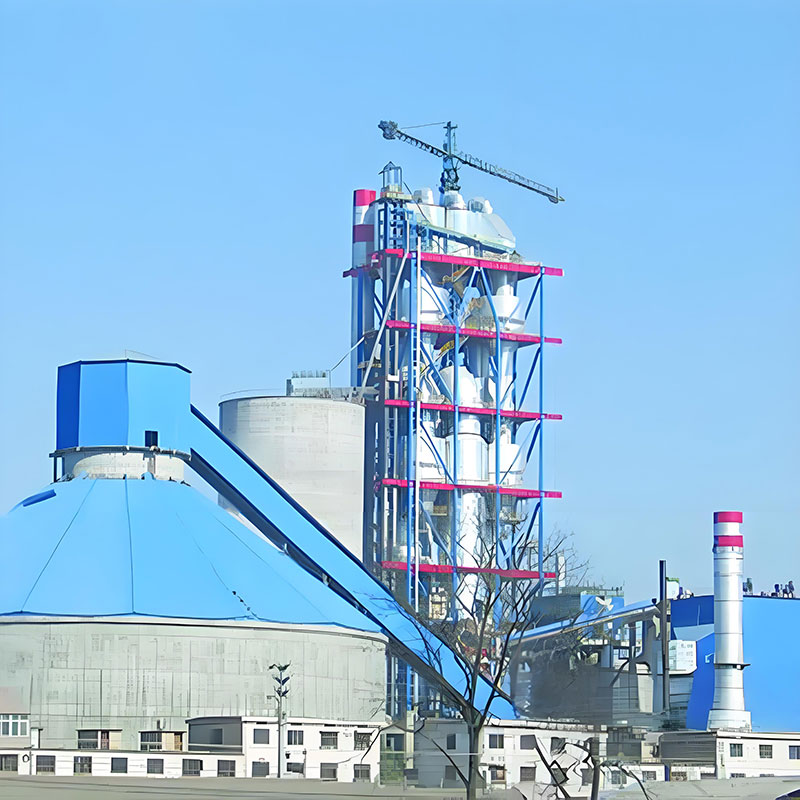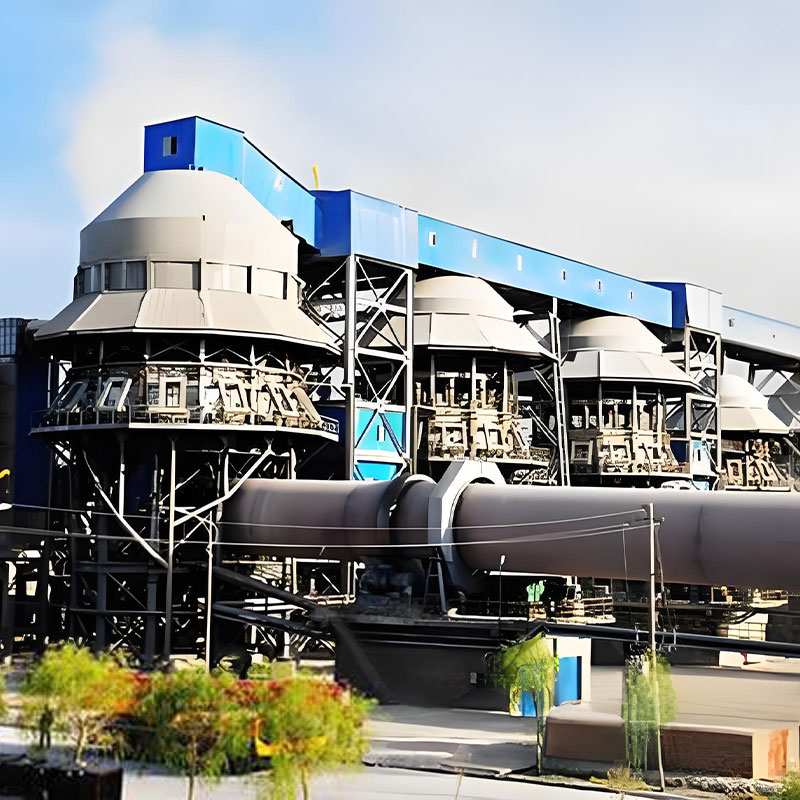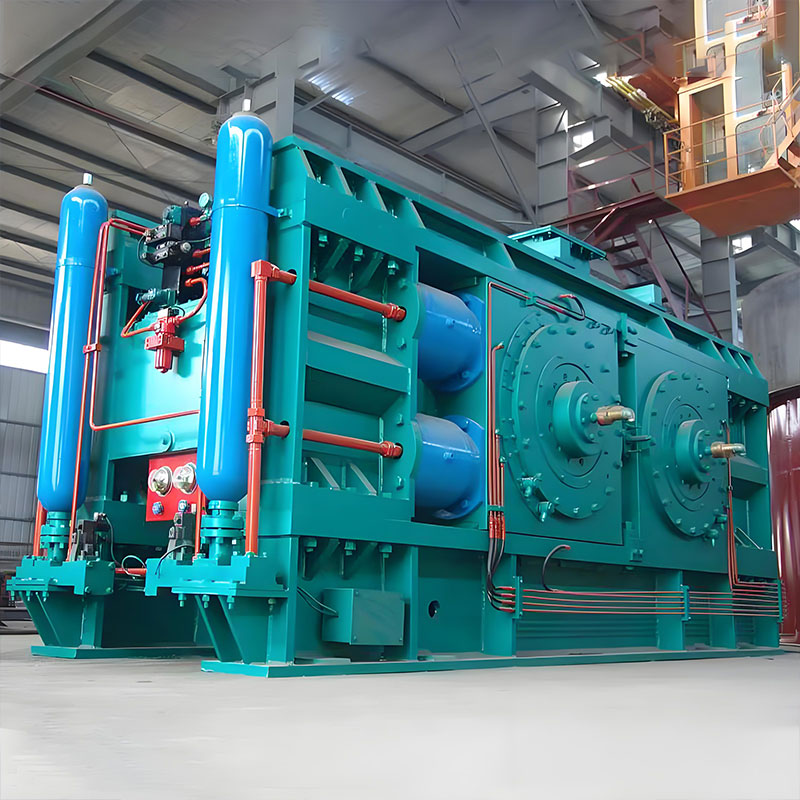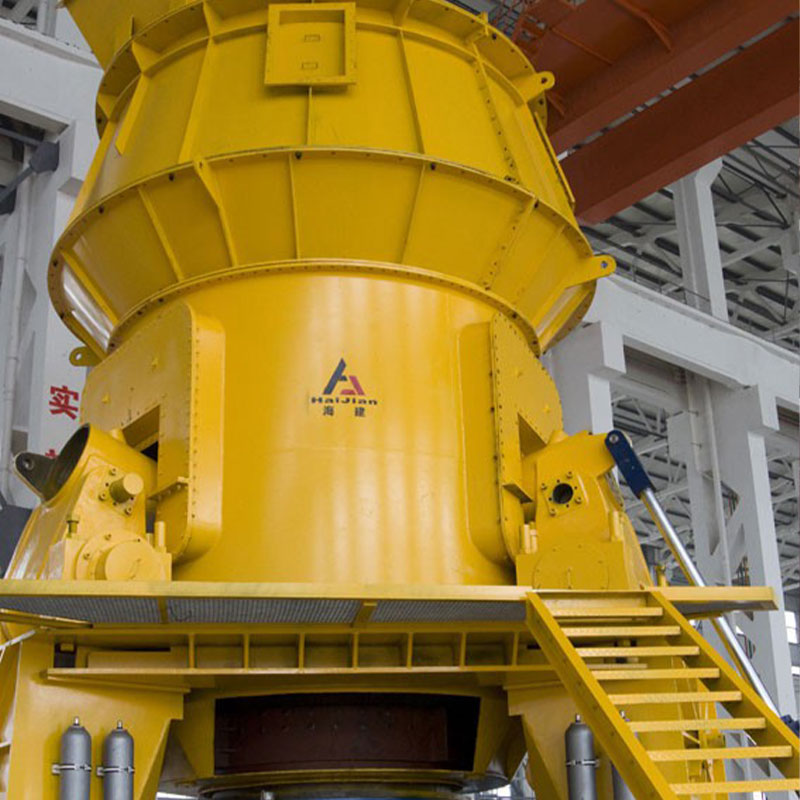
The five most common malfunctions in a cement production line are kiln coating buildup and ring formation, mill vibration and bearing overheating, preheater blockage, clinker cooler inefficiency, and dust collector failure. Each of these issues has identifiable causes and practical solutions that experienced plant engineers apply through a combination of operational adjustments, preventive maintenance, and equipment upgrades. Whether operating a large integrated plant or a small cement production line, the failure modes are consistent — and so are the remedies. Addressing them promptly prevents cascading downtime that compounds production losses across connected process stages.
Content
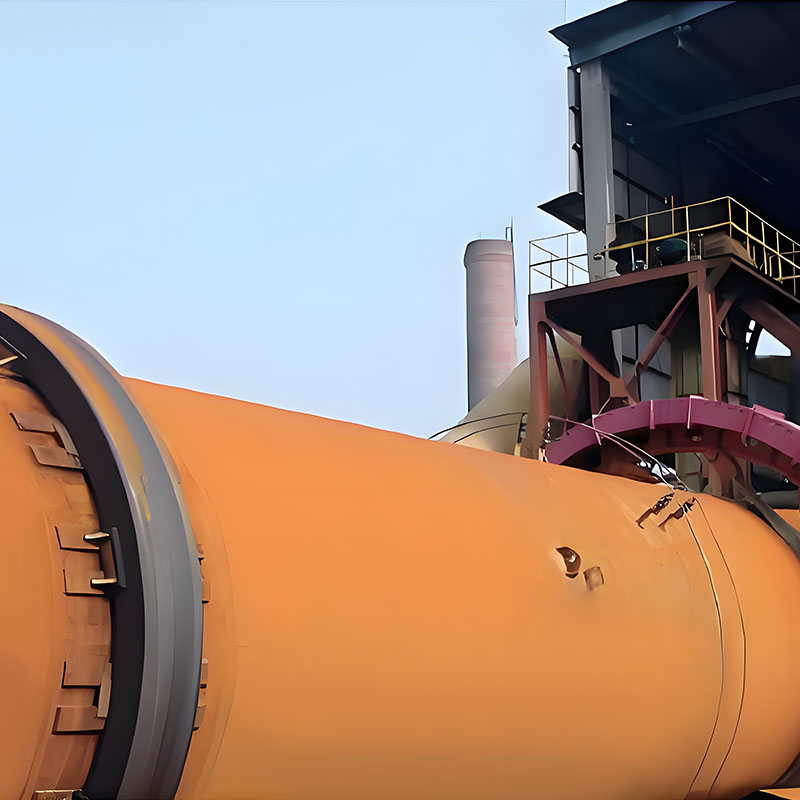
Ring formation inside the rotary kiln is one of the most disruptive faults in any cement production line. Rings form when molten or semi-molten material accumulates on the kiln shell lining, narrowing the internal diameter and restricting material flow. A fully developed rear ring can reduce kiln throughput by 30–50% and, if left unaddressed, forces an unplanned shutdown for mechanical removal.
The primary cause is feed composition variability — specifically elevated alkali, sulfur, or chloride content in raw materials. These volatile compounds condense in the cooler transition zone of the kiln and form sticky deposits that accumulate progressively. The solution involves three actions: tightening raw mix chemical control (targeting an alkali equivalent below 0.6%), adjusting the flame position to shift the high-temperature zone and thermally destabilize existing rings, and increasing bypass gas extraction if alkali input cannot be reduced at the raw material source.
Abnormal vibration and bearing temperature rise are the leading causes of unplanned shutdowns in the grinding section of a cement production line. Both raw mills and finish mills are susceptible, and the two problems are often linked — vibration generates heat at bearing surfaces, and overheated bearings develop running clearance changes that amplify vibration further.
Cyclone preheater blockages — commonly called "snowmen" or plugging events — occur when partially calcined meal accumulates at the cone section of a cyclone stage and bridges across the meal outlet. Blockages in the lower preheater stages can halt kiln feed entirely within minutes and require manual air cannon clearing or rod lancing to restore flow. A single serious preheater plug can cause 4–8 hours of lost production time on a typical cement production line.
Sticky raw meal with high sulfur content, inadequate gas velocity through the cyclone, and worn or incorrectly adjusted meal flaps are the leading contributors. Installing or optimizing air cannon systems at blockage-prone cone positions, maintaining gas velocities above 18 m/s through preheater ducts, and replacing worn meal flap seals on a scheduled basis reduces plug frequency substantially in both large and small cement production lines.
The clinker cooler transfers heat from hot clinker back into the process as secondary and tertiary combustion air — a critical function for energy efficient cement production. When cooler efficiency drops, fuel consumption in the kiln increases and clinker quality can deteriorate. Common cooler faults include grate plate wear, "red river" (channeling of hot clinker to one side), and blower filter blockage.
| Fault | Observable Symptom | Corrective Action |
|---|---|---|
| Worn grate plates | Fine clinker falls through, high under-grate temperature | Replace grate plates at scheduled intervals (typically 12–18 months) |
| Red river / channeling | Uneven clinker bed, high cooler exit temperature (>120°C) | Adjust kiln flame alignment; rebalance grate speed by zone |
| Blower filter blockage | Reduced cooling air flow, rising secondary air temperature | Inspect and clean blower intake filters monthly |
Maintaining cooler exit clinker temperature below 65°C + ambient is the standard target for energy efficient cement production equipment. Every 10°C rise above this threshold represents approximately 0.8–1.2 kg of additional fuel consumed per tonne of clinker produced, due to reduced heat recovery into secondary air.
Bag filters and electrostatic precipitators on a cement production line handle large volumes of dust-laden gas from the kiln, mill, and cooler. Performance degradation leads directly to emissions violations, fines, and in some jurisdictions, forced production curtailment. Filter bag failure rates above 2% of total bag count typically trigger visible stack emissions that breach regulatory limits.
The solutions are straightforward: replace bags on a scheduled 3–5 year cycle rather than waiting for failure, maintain compressed air pulse-jet pressures at 5–6 bar for effective bag cleaning, and monitor differential pressure across bag rows to identify blocked or failed sections before they affect overall collector performance. For energy efficient cement production equipment operating under tighter emissions thresholds, online opacity monitors connected to the DCS provide real-time warning before a regulatory threshold is approached.
It is focused on the overall solution of dry bulk material port transfer system,
research and development, manufacturing, and service