
 English
 русский
 Español
Industry News
Home / News / Industry News / Understanding the Cement Manufacturing Process: From Raw Material to Finished Cement
Cement is the second most-consumed material on Earth after water—a practical measure of how completely modern buildings, bridges, roads, and dams depend on it. The grey powder delivered to a construction site is the result of a tightly coupled manufacturing chain, and every stage in that chain influences the chemistry and behaviour of the next. The full cement manufacturing process can be summarized in eight stages: quarrying, crushing, raw grinding and homogenization, preheating, clinker burning in a rotary kiln, rapid cooling, finish milling, and quality-controlled storage and dispatch. The reason the sequence matters is straightforward: a plant that holds each stage inside its design window produces consistent cement, lower energy use per tonne, and far fewer compliance surprises.
Content
Every tonne of cement starts with roughly 1.6 tonnes of raw material. The main ingredients are limestone, which supplies calcium carbonate, and clay or shale, which supply silica, alumina, and iron oxide. Quarrying usually relies on drilling and blasting to loosen the deposit; hydraulic ripping is used where the rock is soft enough. Haul trucks then carry the shot rock to the primary crusher.
Crushing exists because grinding mills cannot accept feed larger than a certain size. A jaw crusher is the typical primary unit, reducing run-of-quarry rock to 150–200 mm. A secondary impact crusher can take soft to medium-hard limestone down to 40 mm or smaller, while an abrasive stone grade calls for a compound cone crusher at the secondary stage because it resists wear better. The crushed material is stockpiled in layers, which begins the chemical blending process before it ever reaches the mill.
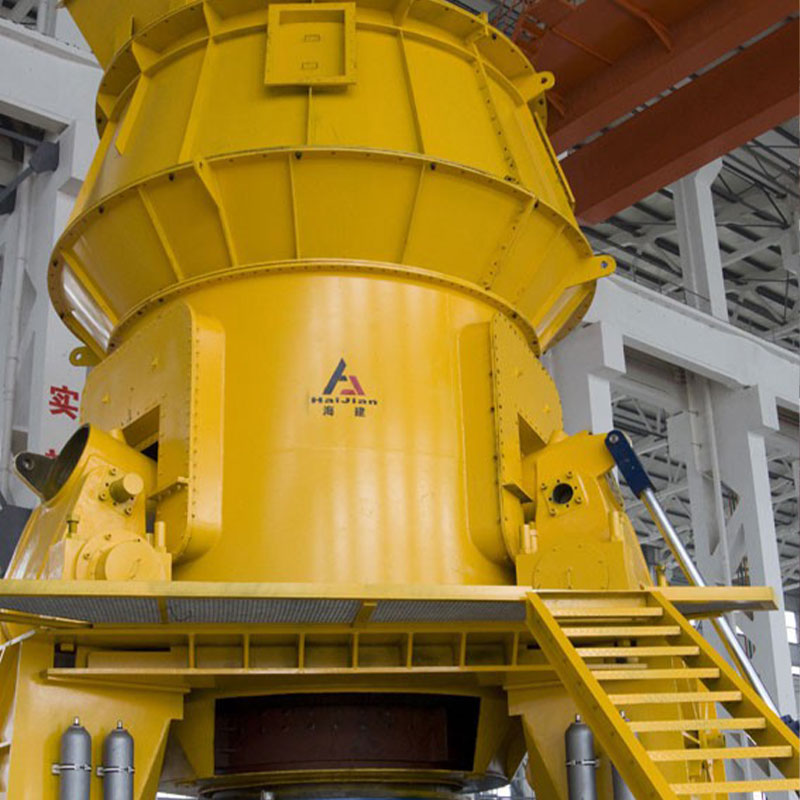
Raw grinding converts crushed stone into a fine powder called raw meal, typically targeting 10–12% residue on a 90 µm sieve. The vertical roller mill has become the preferred equipment for this duty because it dries, grinds, and classifies the material in a single machine. Kiln exhaust gas supplies enough heat to handle feed moisture up to about 20%, which makes the VRM especially useful where limestone is naturally wet.
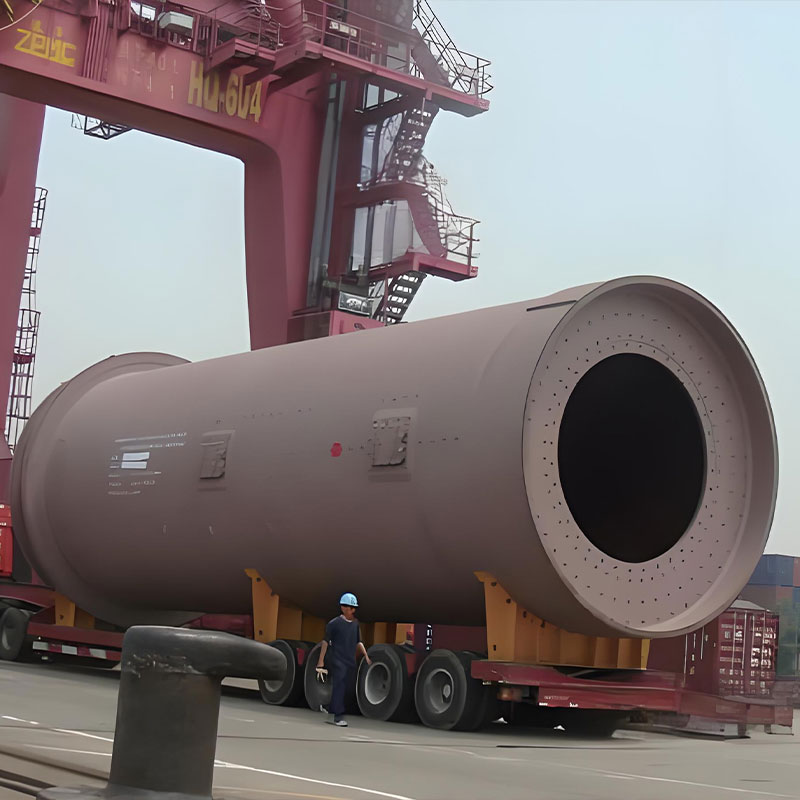
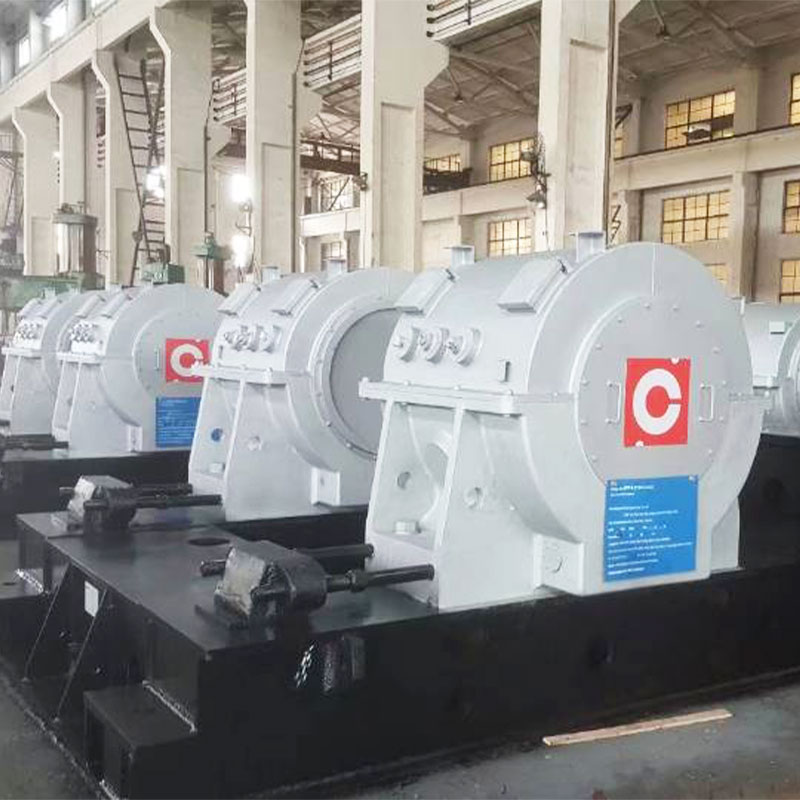
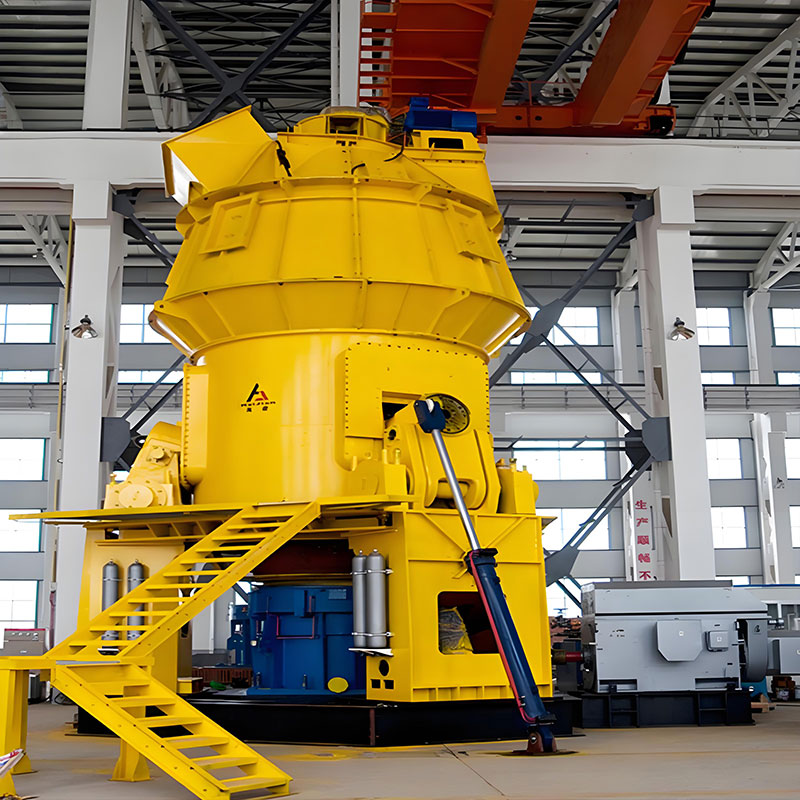 Raw Material Vertical Roller Mill for Cement Raw MealA vertical roller mill for raw meal grinding that combines drying, grinding, and classification, positioned before homogenizing silos in cement raw-material preparation.View Product →
Grinding is only half of this stage. The raw meal then enters homogenizing silos, where compressed-air aeration works the powder to reduce short-term fluctuations in chemistry. Kiln feed must stay close to target oxide ratios for CaCO₃, SiO₂, Al₂O₃, and Fe₂O₃; even minor drifts change burnability and later show up as variability in clinker quality.
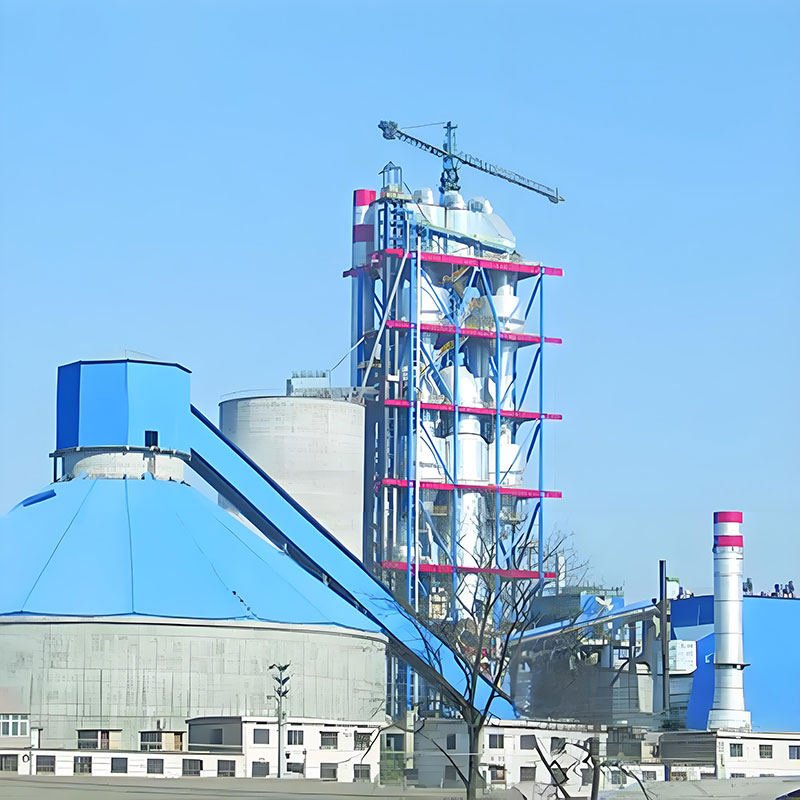
Before raw meal enters the rotary kiln, it passes through a tower of cyclones arranged in stages. Hot gas from the kiln flows upward while the meal cascades downward, heating the material to roughly 800–900 °C. In a precalciner system, about 60% of the plant's fuel is burned in a separate vessel, driving most of the CO₂ out of the limestone ahead of the kiln. Preheating and precalcination together shorten the work the kiln itself must do, which raises throughput and lowers specific fuel consumption compared with older wet-process or long-dry kilns.
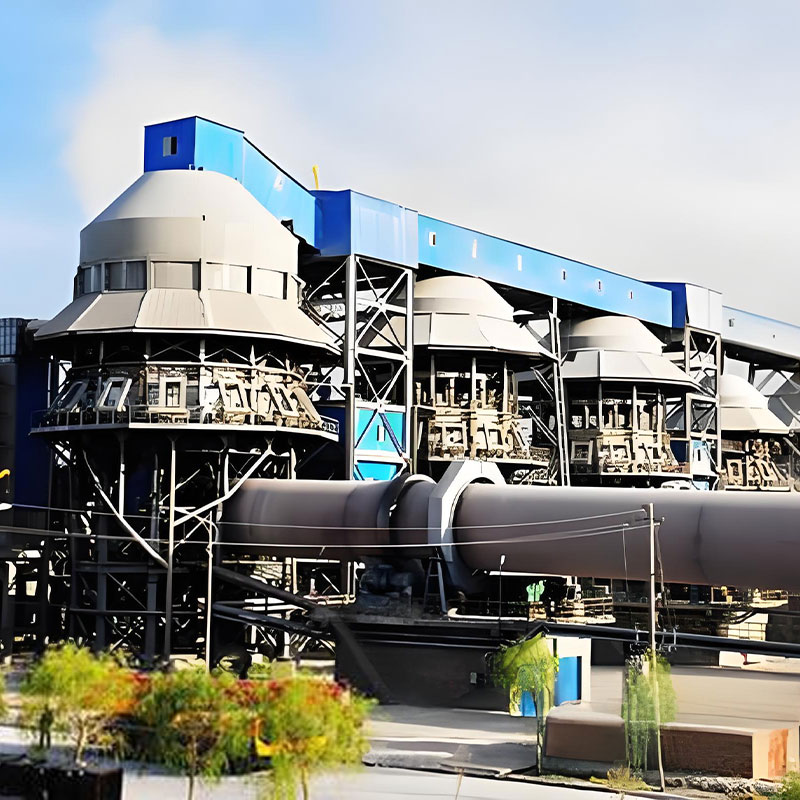
The rotary kiln is a slightly inclined steel cylinder, lined with refractory brick, that rotates slowly around its longitudinal axis. Raw meal enters at the uphill end and travels under gravity and rotation toward a burner flame at the lower end. Temperatures climb past 1,450 °C, where calcium oxide combines with silica, alumina, and iron oxide to form the clinker minerals, chiefly tricalcium silicate C₃S and dicalcium silicate C₂S. A liquid phase appears at these temperatures and welds the material into the dark grey nodules known as clinker.
Kiln stability outweighs peak flame temperature. Retention time, flame shape, and burning-zone temperature must be held steady for days at a time; every fluctuation leaves a footprint in free lime, strength development, and the energy demand of finish grinding.
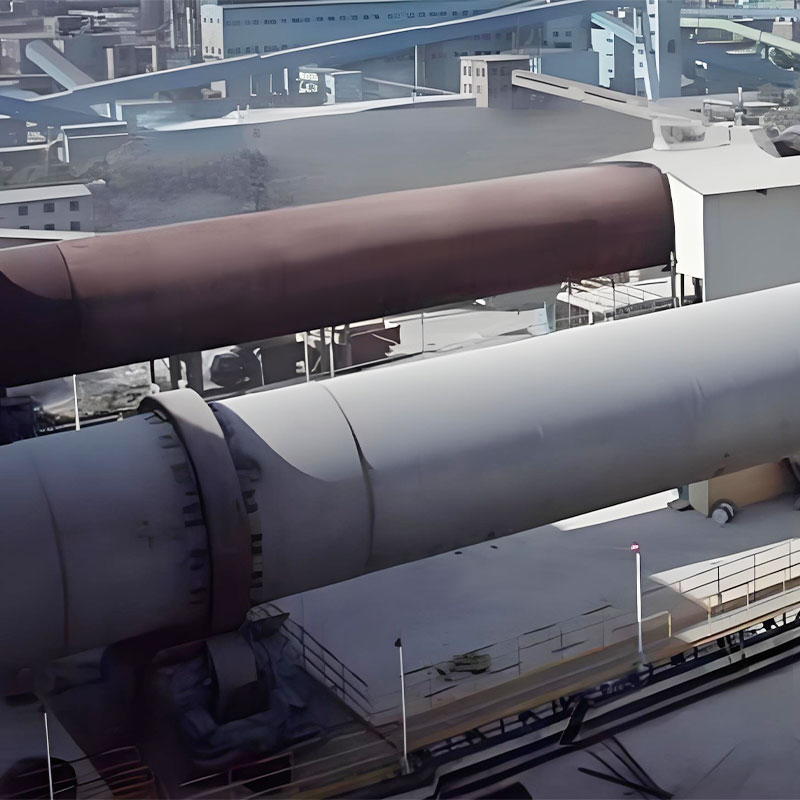
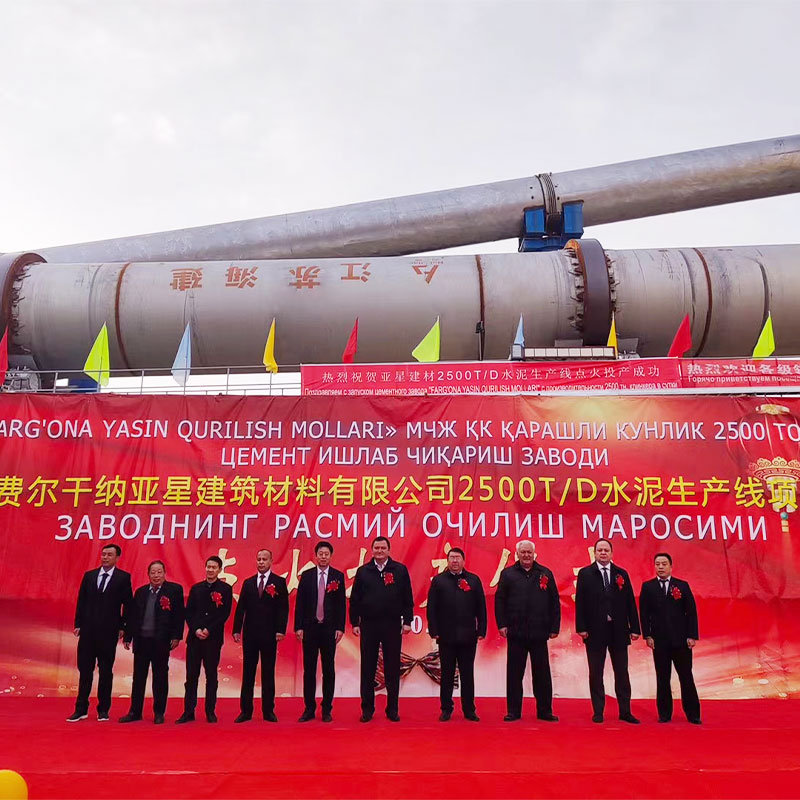 Rotary Kiln for Cement Clinker CalcinationA rotary kiln for calcining cement clinker, shown in the kiln-stage discussion of retention time, flame shape, and burning-zone stability before clinker cooling.View Product →
Clinker leaves the kiln at around 1,200–1,400 °C and must be cooled quickly. Rapid cooling preserves the reactive crystal phases and makes the clinker softer to grind. The grate cooler is the standard solution: clinker moves across a perforated grate while fans blow air upward through the bed. The heated air returns to the kiln as secondary air, so cooling becomes part of the plant's heat balance. Adequately cooled clinker exits at roughly 100–200 °C; slow cooling, by contrast, produces dense, hard clinker that costs more energy to grind and can weaken cement strength development.
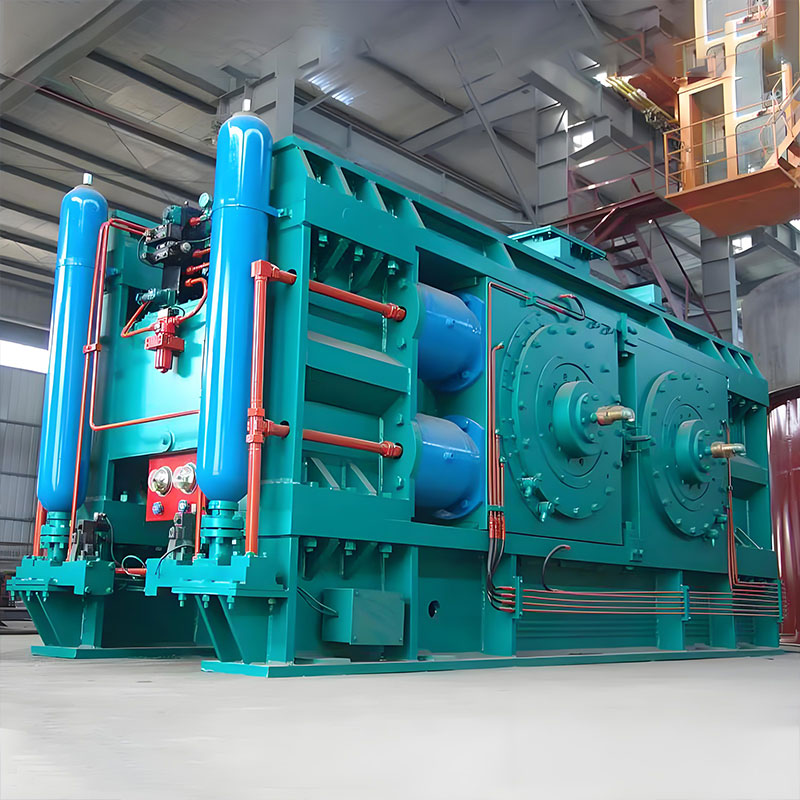
Finish grinding transforms clinker into the cement that leaves the plant. Gypsum is interground with the clinker to regulate setting time, while limestone, slag, or fly ash can be added to produce blended cements. The energy required here is high, so the mill configuration—ball mill, vertical roller mill, or roller press as a pre-grinder—has a direct impact on operating cost. Ordinary Portland cement is typically ground to 300–400 m²/kg Blaine fineness; going finer raises early strength but increases mill power draw and can promote false set if in-mill temperatures are not managed.
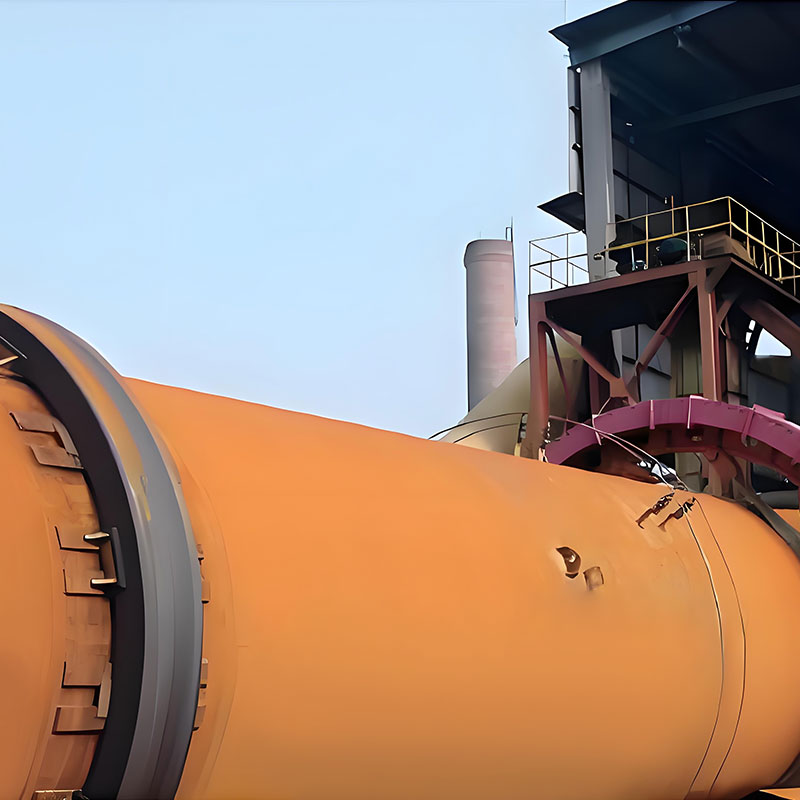
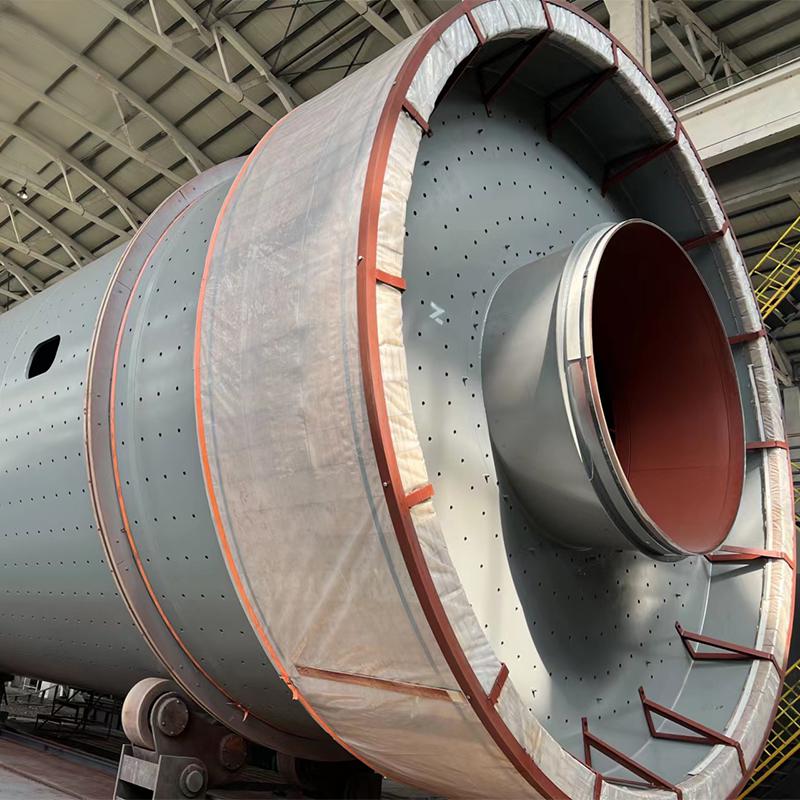 Cement Mill for Clinker and Gypsum Finish GrindingA cement mill for finish grinding clinker, gypsum, and blended materials to target fineness, relevant to particle distribution, strength performance, and mill energy use.View Product →
Quality control runs from the quarry to the loading spout. X-ray fluorescence analysers monitor raw meal oxide composition; free lime in clinker is measured to detect underburning; and the finish mill regulates fineness, temperature, and SO₃ content. The variables that receive the most attention are:
A modern cement plant manages dust, NOx, SO₂, and CO₂ as part of the same process that makes clinker. Bag filters or electrostatic precipitators capture kiln dust; selective non-catalytic reduction (SNCR) injects reagent into the kiln exit gas to lower nitrogen oxides; and hydrated lime or similar sorbents control peaks in sulphur dioxide. Process efficiency is itself an emission measure: additional preheater stages, waste-heat recovery, and alternative fuels reduce the energy and carbon intensity of every tonne.
The table below summarises the eight stages with the typical equipment and control targets discussed above. Use it as a map when auditing an existing line or specifying a new one.
| Stage | Typical Equipment | Control Target | Why It Matters |
|---|---|---|---|
| Quarrying and crushing | Jaw, impact, and cone crushers | Feed reduced to ≈40 mm | Creates a cheap, consistent mill feed |
| Raw grinding | Vertical roller mill or ball mill | 10–12% residue on 90 µm sieve | Kiln reactions need fine, uniform particles |
| Homogenization | Aerated blending silos | Kiln-feed chemistry held close to target | Protects kiln stability and clinker quality |
| Preheating and precalcination | Cyclone preheater plus calciner | Meal at 800–900 °C, ≈60% calcined | Cuts kiln fuel demand and lifts capacity |
| Clinker burning | Rotary kiln and burner | Burning zone around 1,450 °C | Forms C₃S and C₂S clinker minerals |
| Clinker cooling | Grate cooler | Clinker exit 100–200 °C | Preserves reactivity, recovers heat |
| Finish milling | Ball mill, VRM, or roller press | Blaine 300–400 m²/kg | Sets cement strength and setting behaviour |
| Storage and dispatch | Cement silos, packers, bulk loaders | Quality certified before loading | Delivers a repeatable, saleable product |
The cement manufacturing process stands or falls on the equipment that sits between the stages. A kiln cannot outperform its preheater or cooler, and no finish mill can compensate for poorly burned clinker. When you are budgeting a new line or a capacity upgrade, it pays to work with a supplier that builds the full sequence rather than a single machine.
Jiangsu Haijian Co., Ltd. has supplied cement processing equipment for more than five decades, with in-house manufacturing capability for large kiln shells, mills, and grinding systems across the process stages described here. If you are preparing tender documents or comparing technical offers, our engineers can review your raw materials and process targets through the contact page before you commit to a layout.
It is focused on the overall solution of dry bulk material port transfer system,
research and development, manufacturing, and service