
 English
 русский
 Español
Industry News
Home / News / Industry News / Cement Kiln Dust Specifications: Composition, Properties, and Tolerances
Two cement kiln dust samples pulled from the same kiln line in the same week can differ in loose bulk density by about 10 percent, and in free lime content by more than that. That gap is the practical starting point for any cement kiln dust specification. CKD is not a manufactured grade with one fixed datasheet; it is a by-product stream whose numbers follow the raw feed, the kiln operation, and the exact point in the gas path where the dust is captured.
The conclusion first: a specification that survives procurement, reuse review, or a landfill approval defines four things before it defines a single number. Those four are the source, the collection point, the sampling procedure, and a tolerance band around each value. Published reference figures are a sanity check, not an acceptance limit.
Content
Cement kiln dust is the fine, powdery material removed from kiln exhaust gases by air pollution control equipment such as cyclones, fabric filters, and electrostatic precipitators. It looks much like Portland cement, which is precisely why so many buyers assume its properties are equally stable. They are not, and the reasons are operational rather than mysterious.
The practical consequence is simple. A usable specification names the plant, the line, and the collector. "Precalciner line, bag filter outlet, bypass material excluded" is a workable source definition. "Cement kiln dust" on its own is not.
Physical data is where most published CKD reference values live, and it is also the easiest area to check a supplier's claim with a lab, a sieve, and a calibrated container.
| Property | Typical value or range | Verification method |
|---|---|---|
| Specific gravity | about 2.59 g/cm3 | pycnometer or density bottle |
| Loose bulk density | about 1.13 g/cm3 | calibrated container, loose pour |
| Maximum particle size | about 0.3 mm for most dusts; coarser fractions near 2 mm appear in some streams | sieve analysis |
| Fineness by size | roughly 75 percent of particles finer than 0.030 mm (No. 450 sieve) | wet or dry sieving, laser diffraction |
| Fineness by surface area | approximately 4,600 to 14,000, as quoted in FHWA guidance | air permeability, Blaine type |
| Appearance | fine powder closely resembling Portland cement | visual inspection, microscopy |
| Reaction in water | strongly alkaline | pH of a prepared slurry |
Two of these values matter more than the rest in daily operation. Bulk density drives silo sizing, truck load-out, and dust-suppressant dosing, and a loose-poured 1.13 g/cm3 can look very different after a week of storage under its own weight. Particle size drives dustiness and handling behaviour: a stream with 75 percent passing 0.030 mm behaves nothing like one carrying a visible coarse fraction near 2 mm.
Because CKD is a by-product, its chemistry varies more than its physical profile, and that variation, rather than the averages, is what usually blocks a reuse route. Composition is dominated by calcium oxide carried over from raw feed and clinker minerals, alongside silica, alumina, and iron oxide, with free lime, alkali oxides, sulfates, and chlorides present in amounts that depend on the line. Trace metals sit at low concentrations but still shape disposal rules and approvals.
Four chemistry items deserve their own line in a specification:
Alongside these, specify moisture content and loss on ignition. Both are inexpensive to test, both change between the plant gate and the point of use, and both distort any chemistry result reported on an as-received basis if they are left undefined.
The most common cause of a failed CKD delivery is not bad dust. It is a specification copied from a handbook page that describes a different plant. Build the document in a fixed order: source definition, baseline sampling, acceptance band, test method, reporting frequency.
Baseline sampling means collecting at least ten samples across normal operating weeks before writing any limit. The mean sets the target and the spread sets the band. Where a limit protects a downstream use, cap it. Where a value merely describes the material, publish a range.
| Parameter | Why it belongs in the specification | How to accept it |
|---|---|---|
| Source and collection point | Two collectors in one plant produce two different materials | Name plant, line, and collector type |
| Bulk density | Sizing of silos, trucks, and dosing equipment | Band agreed from baseline samples, not a single figure |
| Moisture | Dustiness, handling, and freight cost | Limit at dispatch, with the drying method stated |
| Free lime | Expansion risk in reuse and in storage | Maximum value, tested per lot |
| Chloride and sulfate | Corrosion and expansion in bound applications | Maximum values where dust enters concrete or base layers |
| Gradation and fineness | Dustiness and filler performance | Sieve record per lot, method named |
| Leachable metals | Landfill and reuse approvals | Method named, results reported per lot or per quarter |
State the test method beside every limit. A fineness limit without a method, whether sieving, air permeability, or laser diffraction, is not enforceable, and three laboratories can return three different answers from one sample. Then set the reporting frequency so that a single off-spec lot becomes visible before it disappears into a silo.
Every CKD specification is, indirectly, a specification of the kiln line that produced it. Nobody signs that sentence in a contract, but it is true in practice, and it explains most of the surprises in dust chemistry.
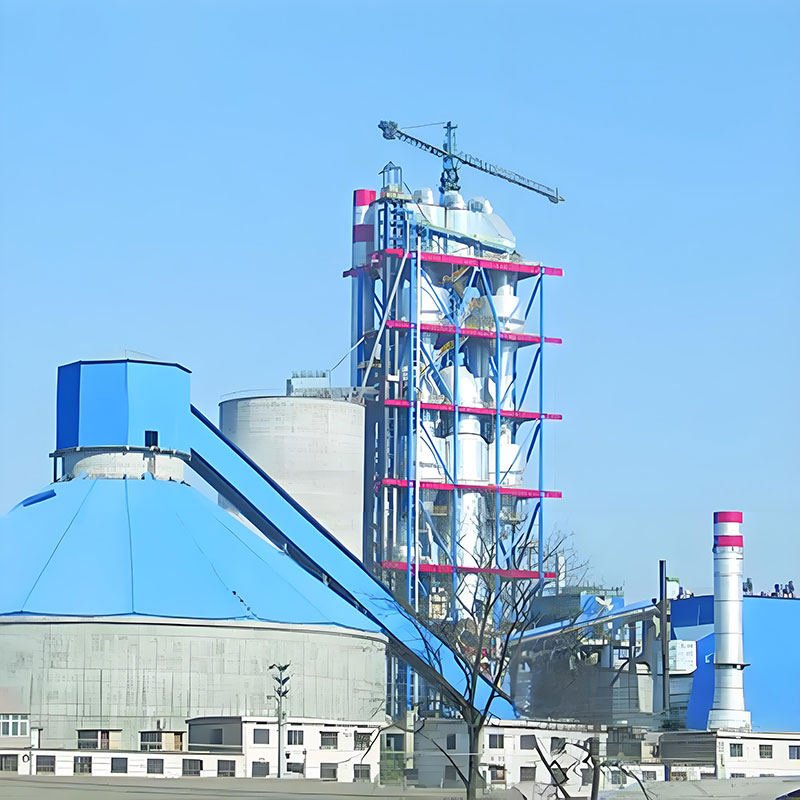
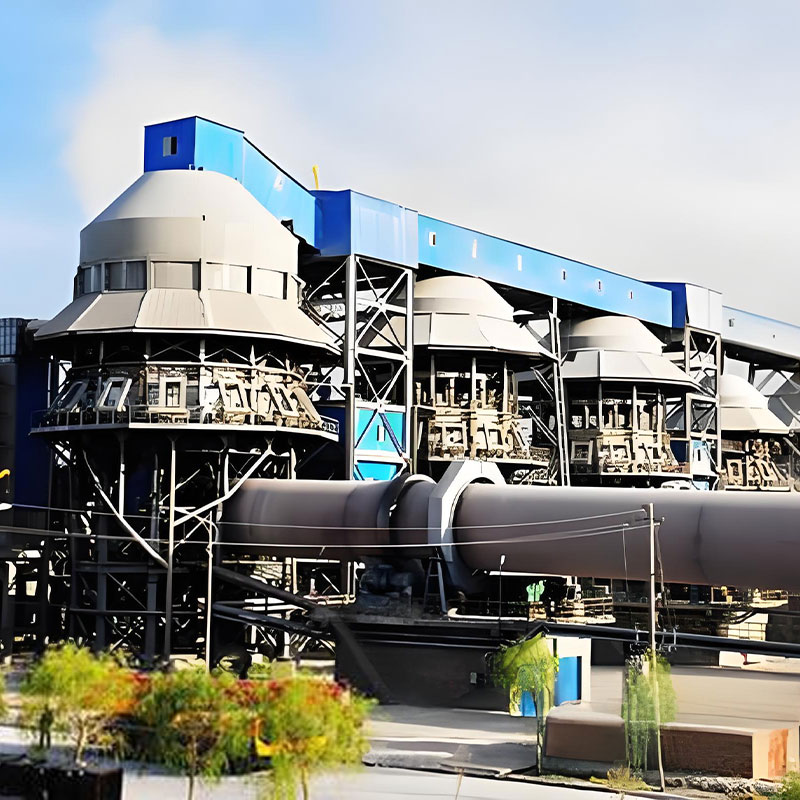
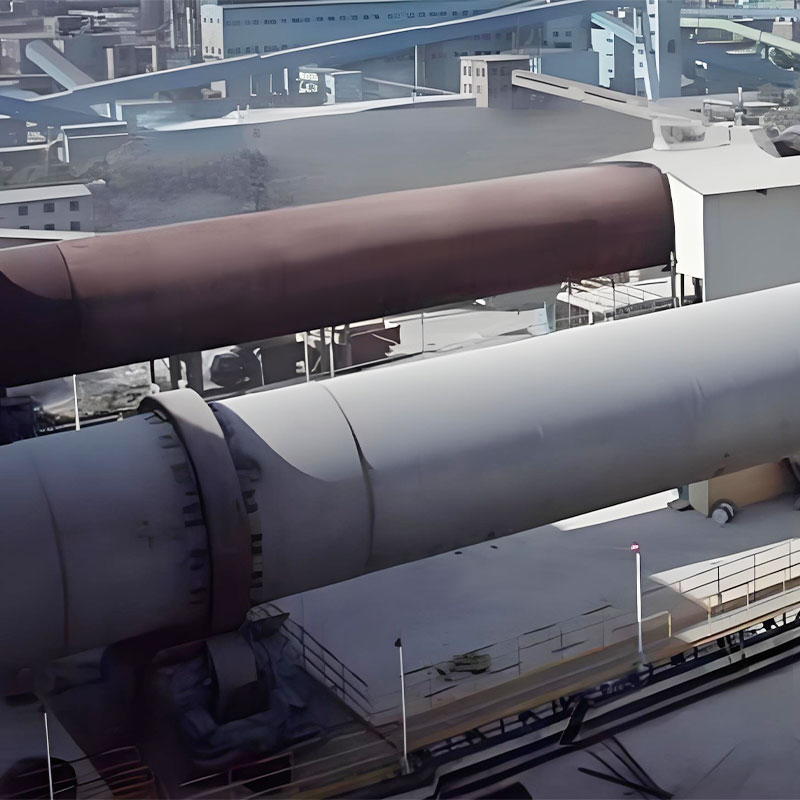
Raw grinding sets how fine the feed arrives, the preheater cyclones and calciner set the thermal profile, the rotary kiln controls burning and volatilisation, the grate cooler handles clinker-side fines as a separate stream, and the baghouse or precipitator decides what is finally captured as by-product.
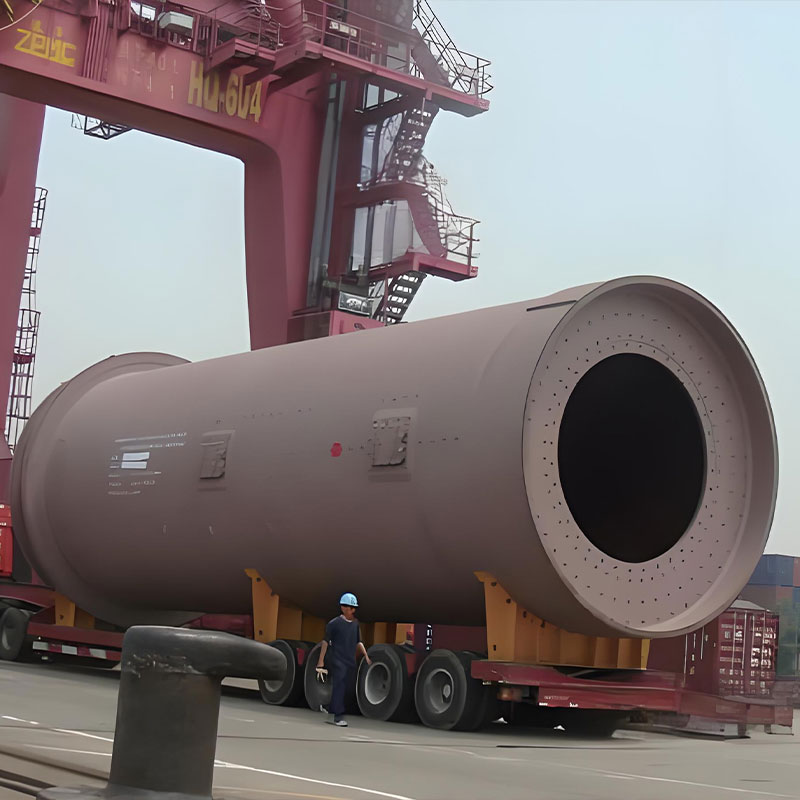
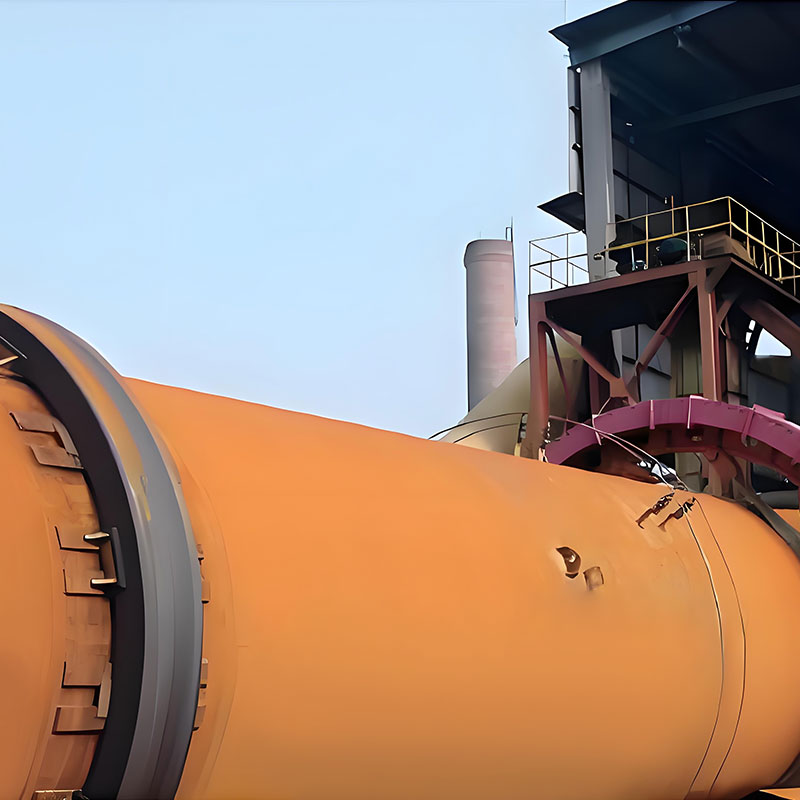
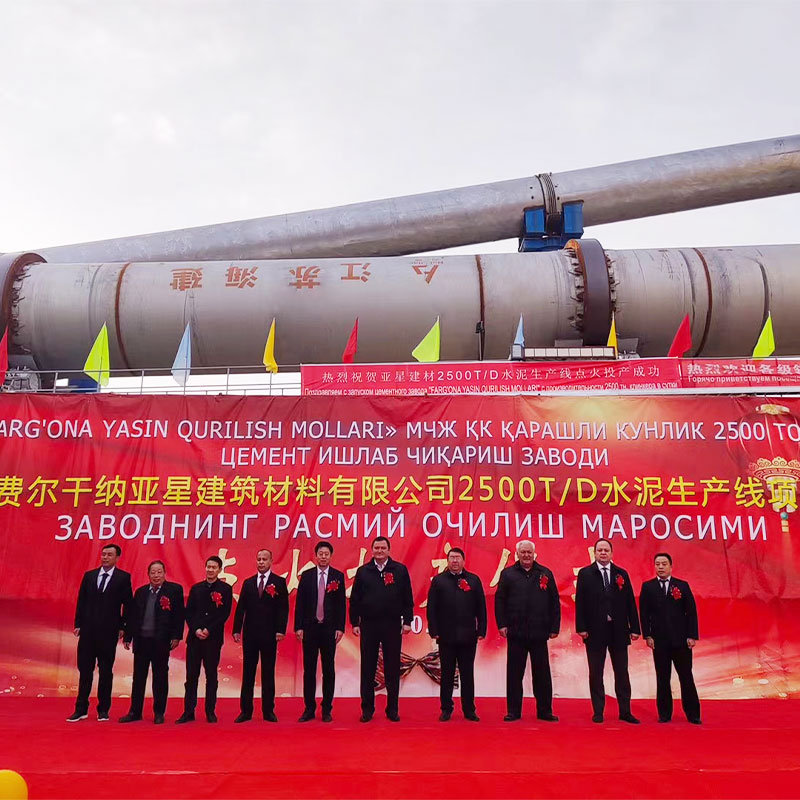 Rotary kilnThe rotary kiln is the main equipment for calcining cement clinker, and is mainly used in the chemical, metallurgical and other industries. The rotary kiln calcining s...View Product →
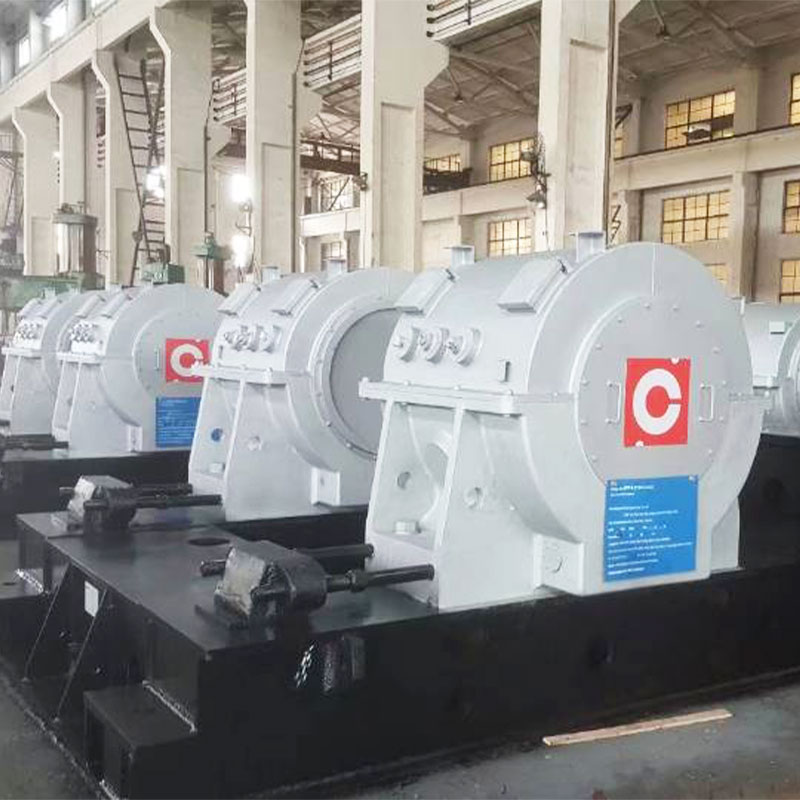
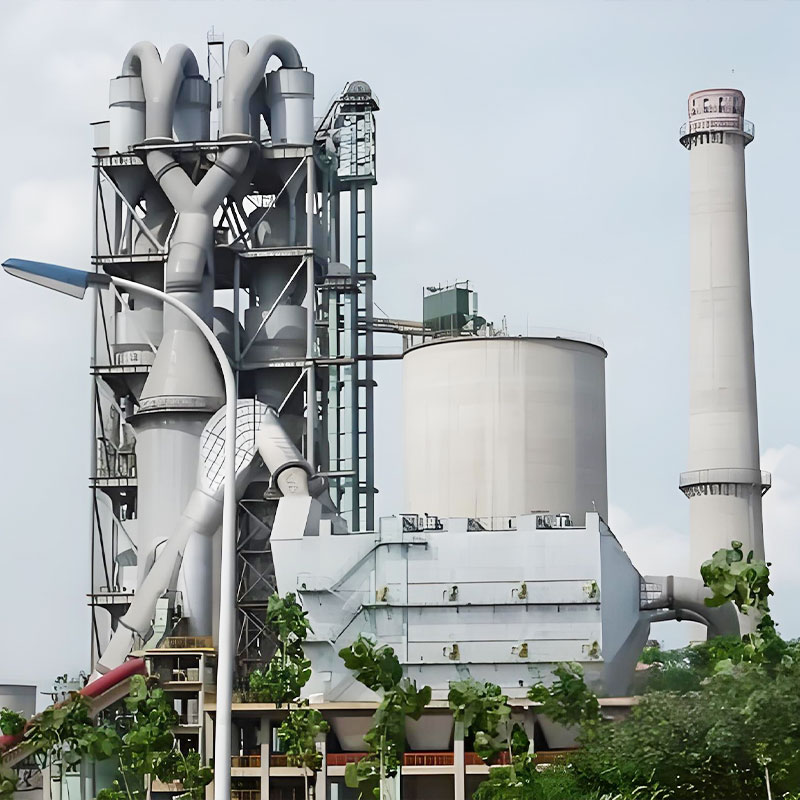 Pre-heaterIn cement production lines, preheaters combine raw material powder with high-temperature exhaust gas at the kiln tail through the synergistic effect of suspension preh...View Product →
Change the dust return ratio, add a bypass, or switch a fuel, and the by-product specification moves without anyone touching the CKD contract. Plants that sell or reuse their dust generally track the return rate in the same report as dust chemistry, so the link between operation and product stays visible to both sides.
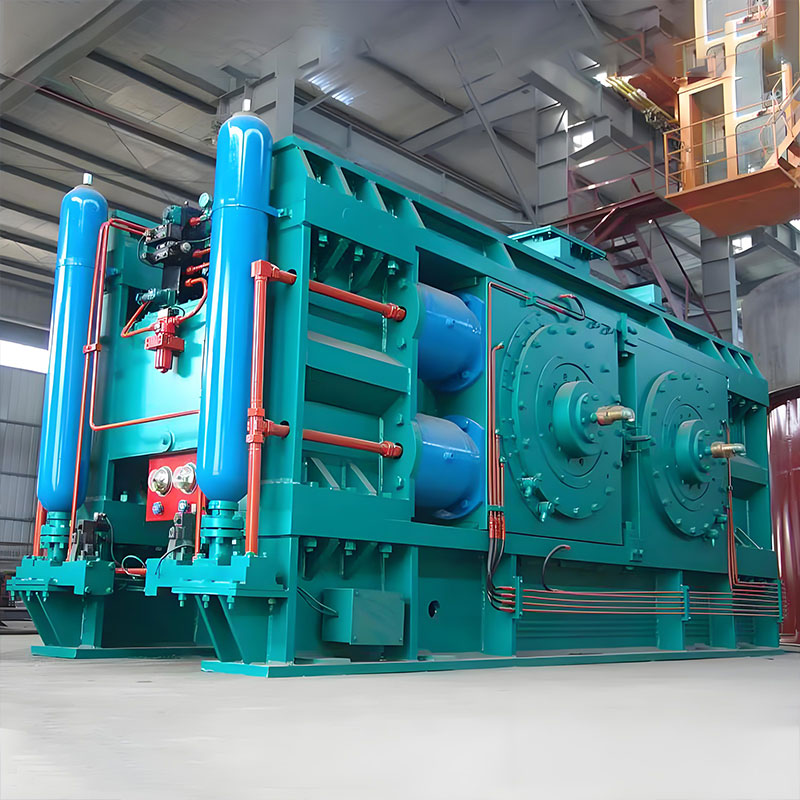
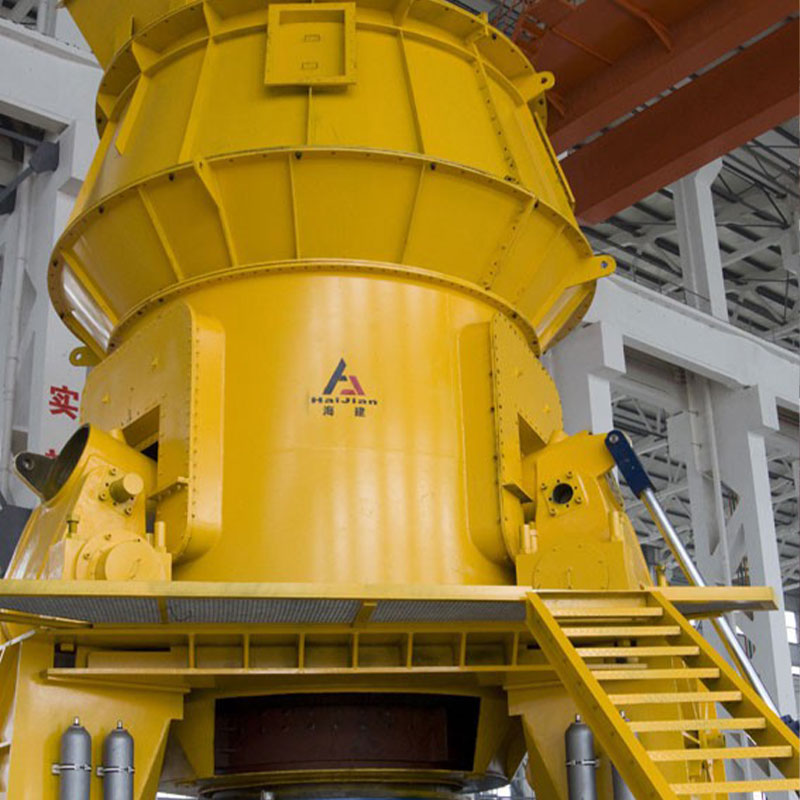
Equipment selection therefore sits close to this problem. Jiangsu Haijian has built process equipment for the cement, power, environmental, and metallurgical industries since 1970, including the kiln, preheater, cooler, and grinding equipment upstream of any CKD stream, and its manufacturing capability covers the heavy machining, rolling, and heat treatment such equipment requires.
The same operational factors that shift CKD chemistry also drive line output and efficiency, which is why experienced buyers read both together — as covered in this review of the key factors that affect a cement production line.
Nothing about cement kiln dust is exotic. It is simply a variable by-product that too often gets specified as if it were a catalogue item. Pin the source, sample before you write limits, cap what protects a downstream use, band everything else, and name a test method beside each line.
Get those six lines right and the document will hold up in a laboratory, in a landfill approval, and in a purchase dispute. It will also survive the one variable no reference table can account for: the next change to the kiln feed.
It is focused on the overall solution of dry bulk material port transfer system,
research and development, manufacturing, and service