
 English
  русский
  Español
 Industry News
Home / News / Industry News / Ash Cement Explained: Types, Standards, and Plant Equipment for Blended Cement
A ready-mix producer in a coastal city receives two quotes for the same 30 MPa mix. One uses ordinary Portland cement. The other replaces 25% of the binder with fly ash and calls the result “ash cement.” The price difference is real, but so is the risk: the second mix may reach 30 MPa at 56 days yet fail a 7-day stripping schedule, or it may pass every strength test and still show erratic air content because the ash source changed between truckloads.
Ash cement is not a single product, and it is not a simple swap for Portland cement. In industrial construction, the term usually means a blended cement or concrete binder in which fly ash, natural pozzolan, or another ash reacts with calcium hydroxide to form additional cementitious compounds. The practical question is not whether ash cement works. It is whether the specific ash, replacement rate, standard, and production method fit the project schedule, exposure, and quality control system.
Start with the conclusion: ash cement can improve long-term strength, lower heat of hydration, and reduce chloride and sulfate vulnerability, but it demands tighter specification and more careful early-age planning than plain Portland cement. The rest of this guide explains what the term covers, where the risks sit, and what industrial production equipment makes a difference.
Content
Three families of material are commonly called ash cement. They share a pozzolanic mechanism but differ in origin, consistency, and code treatment.
| Type | Source | Typical replacement | Common standard | Key constraint | Best fit |
|---|---|---|---|---|---|
| Fly ash cement | Coal combustion by-product | 15–35% in CEM II/A-V or B-V | ASTM C618 Class F/C, EN 450-1 | LOI and fineness vary by plant | Mass concrete, marine, sulfate exposure |
| Natural pozzolan cement | Volcanic ash, calcined clay, diatomite | 15–40% | ASTM C618 Class N, EN 197-1 CEM IV | Reactivity depends on deposit | Heritage and general construction |
| Wood ash / biomass ash | Wood or agricultural ash | 5–20% in experimental or non-structural mixes | Often no harmonized standard | High alkali, unburned carbon, variable silica | Masonry, non-structural, low-strength fills |
Portland cement produces calcium silicate hydrate and calcium hydroxide. Ash cement adds a second reaction: amorphous silica and alumina from the ash combine with calcium hydroxide and water to form additional C-S-H and aluminous phases. That reaction is slower, which explains both the benefits and the delays.
The practical impact is schedule. If a project needs 7-day formwork removal or 3-day post-tensioning, a high ash replacement without accelerators or mix adjustment can cost more in delay than it saves in binder. If the project is a thick foundation, marine wall, or sulfate-exposed structure, the slower reaction is often an advantage rather than a defect.
Ash is a by-product, not a manufactured chemical. Its quality moves with the coal source, combustion conditions, collection system, and storage. A supplier certificate is a starting point, not a guarantee. The following controls reduce the risk of a mix that tests well in the lab and behaves poorly in the field.
For a commercial project, the contract should also define who pays for retesting, schedule recovery, and rejected loads. The lowest ash cement price is rarely the lowest installed cost if the mix needs repeated adjustment.
Ash cement is most convincing in applications where durability and long-term strength matter more than speed.
It is a poorer choice when the schedule is short, ambient temperature is low, or the element needs high early strength for formwork cycling, prestressing, or rapid repair. In those cases, a lower replacement rate, a different supplementary cementitious material, or an accelerator may be needed. The decision should be based on the exposure class and construction sequence, not on a general preference for “green” materials.
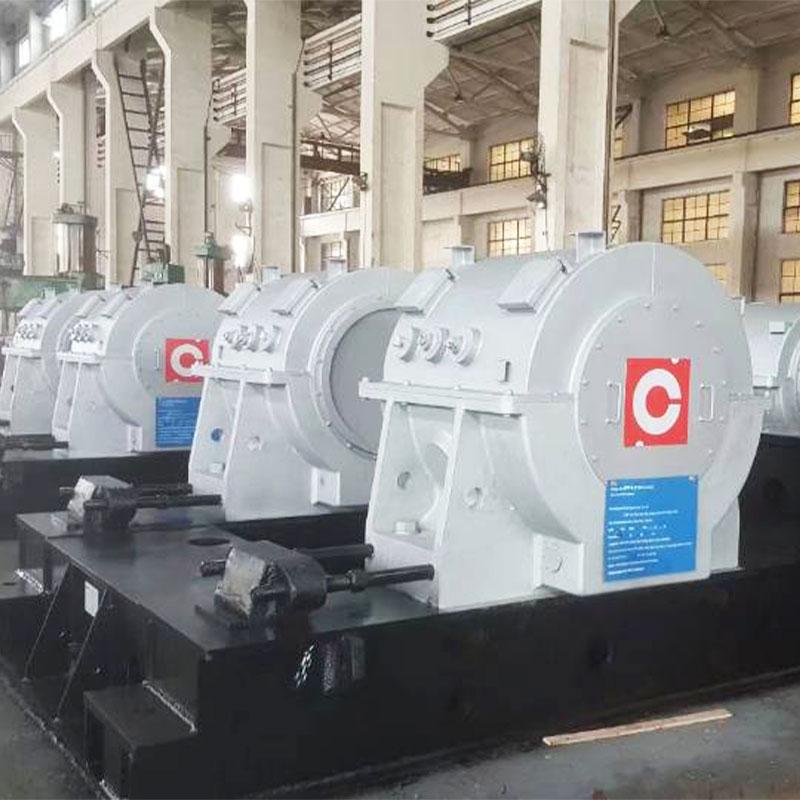
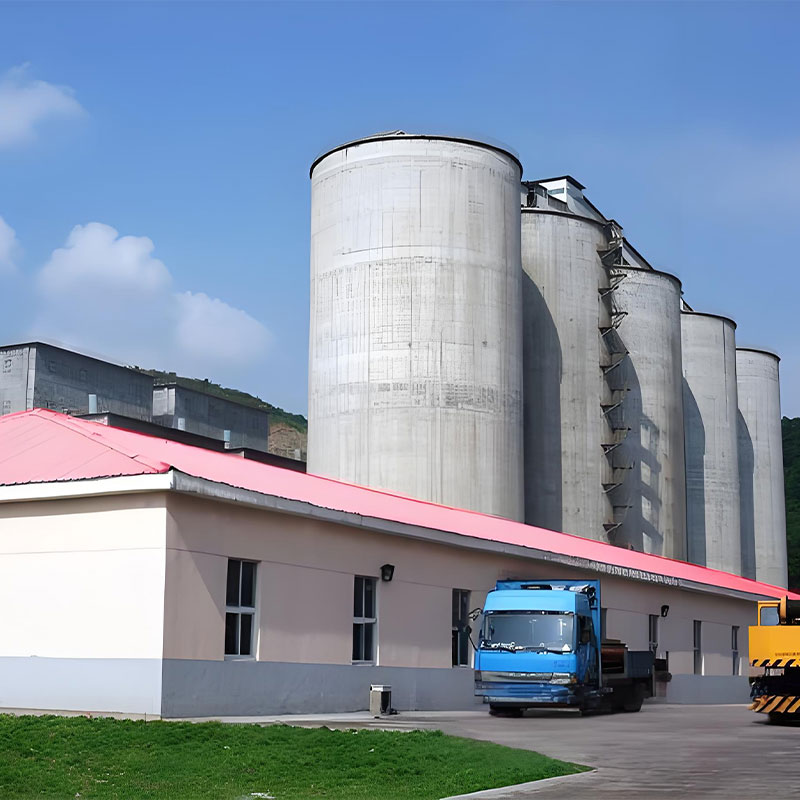 Cement Grinding Station for Clinker, Gypsum, and Fly AshTerminal cement production system that weighs, grinds, and classifies clinker, gypsum, slag, and fly ash to controlled fineness.View Product →
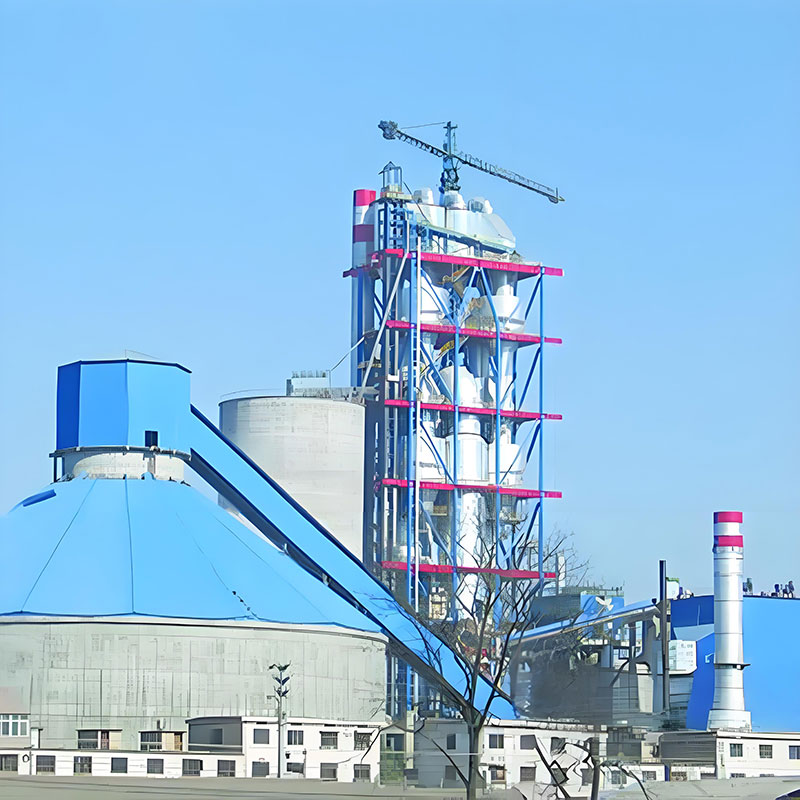
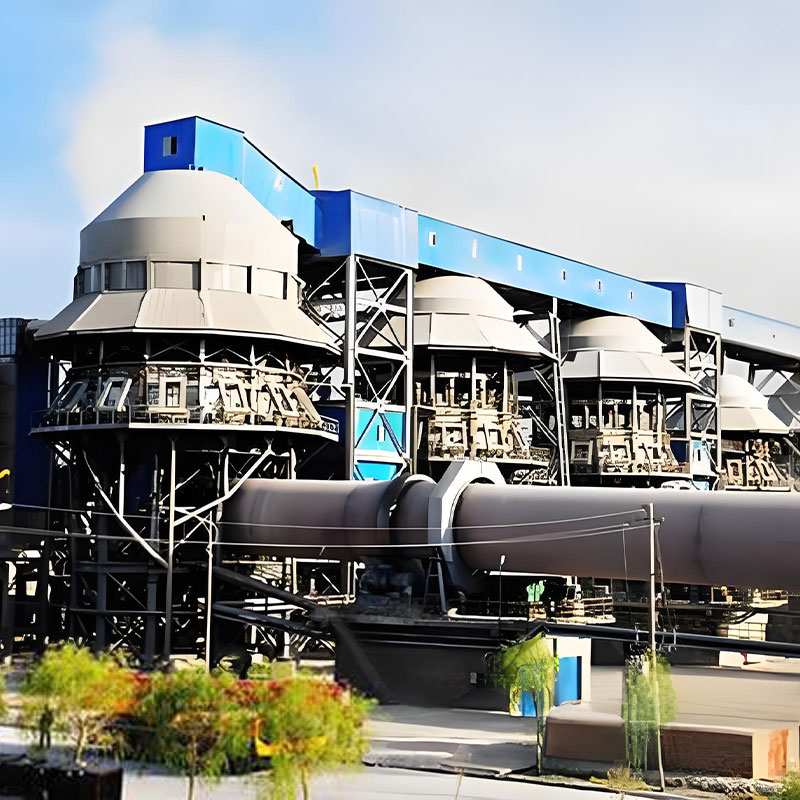
At a cement plant or grinding station, ash cement is a production challenge as much as a materials science one. The ash must be received, stored, dried when necessary, proportioned, and interground or blended with clinker and gypsum to a controlled fineness. A dedicated cement grinding station is one route: clinker, gypsum, fly ash, and other additions are fed at weighed ratios, then ground to a target surface area. The key is not simply mixing ash into cement; it is holding the replacement rate and particle size distribution consistent from hour to hour.
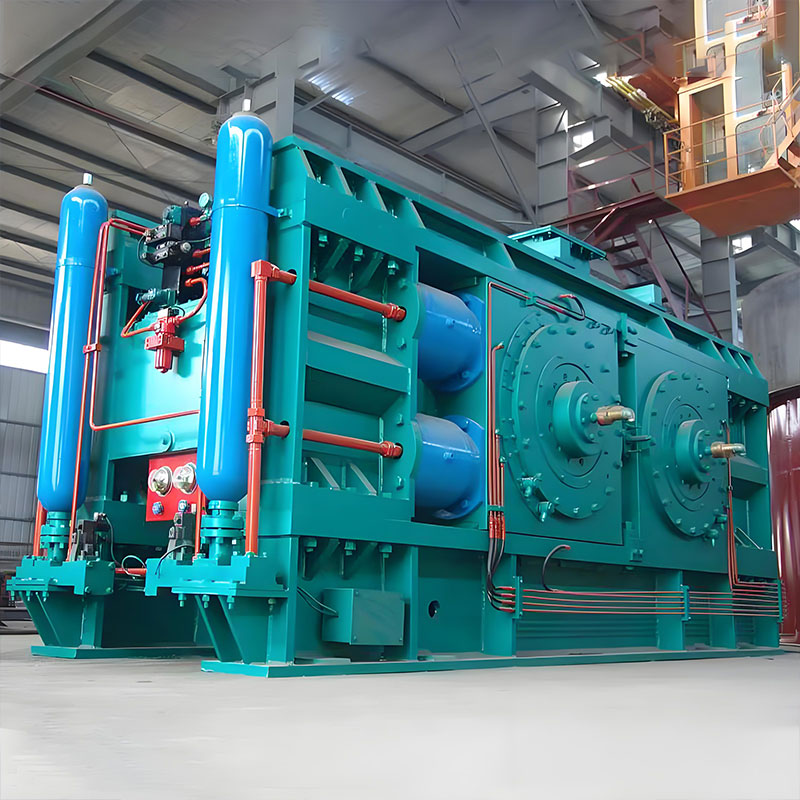
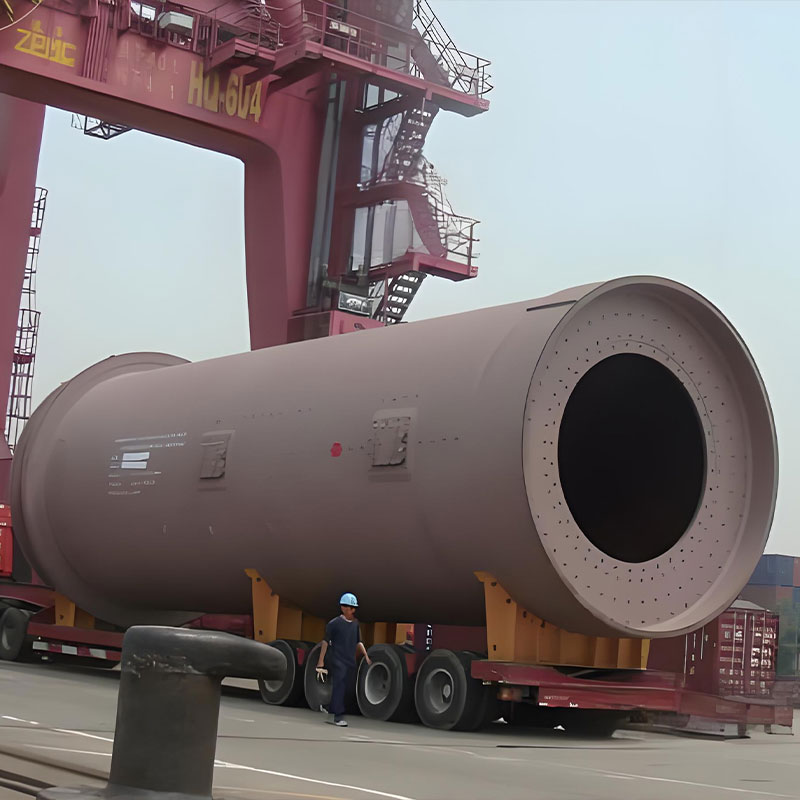
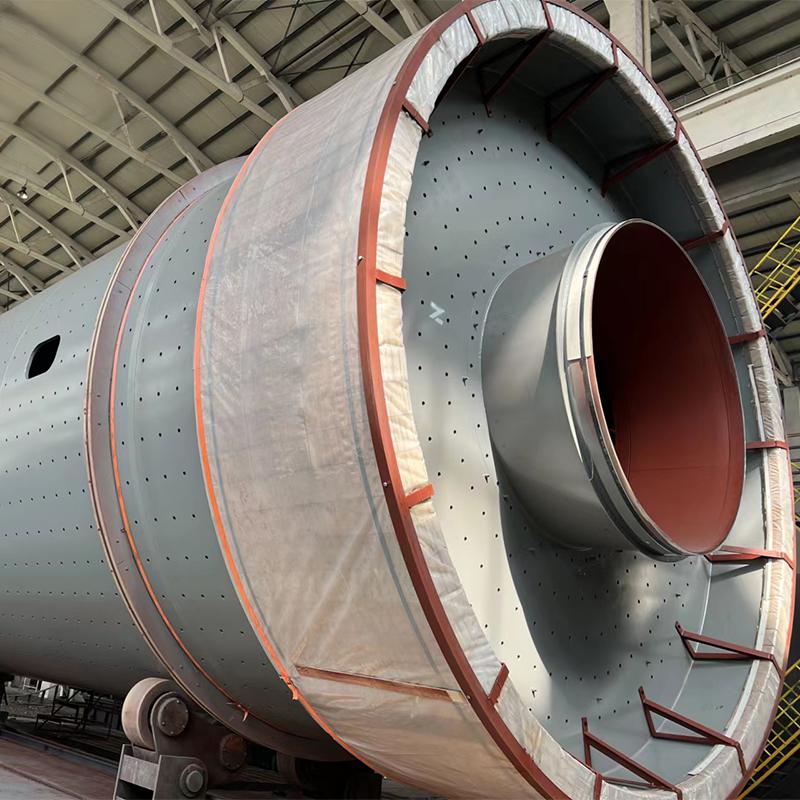 Cement Ball Mill for Clinker, Gypsum, Slag, and Fly AshSecondary grinding mill with closed-circuit classification and roller press option to control cement fineness and reduce energy use.View Product →
In a ball mill circuit, the grinding energy and residence time determine how fine the clinker and ash become. Fly ash is often softer than clinker, so overgrinding can waste energy and change the particle packing. A cement mill used with a roller press or high-efficiency separator gives more control over the final product. For buyers, the practical question is whether the supplier can document mill feed ratios, separator settings, and finished cement fineness, not just the raw ash certificate.
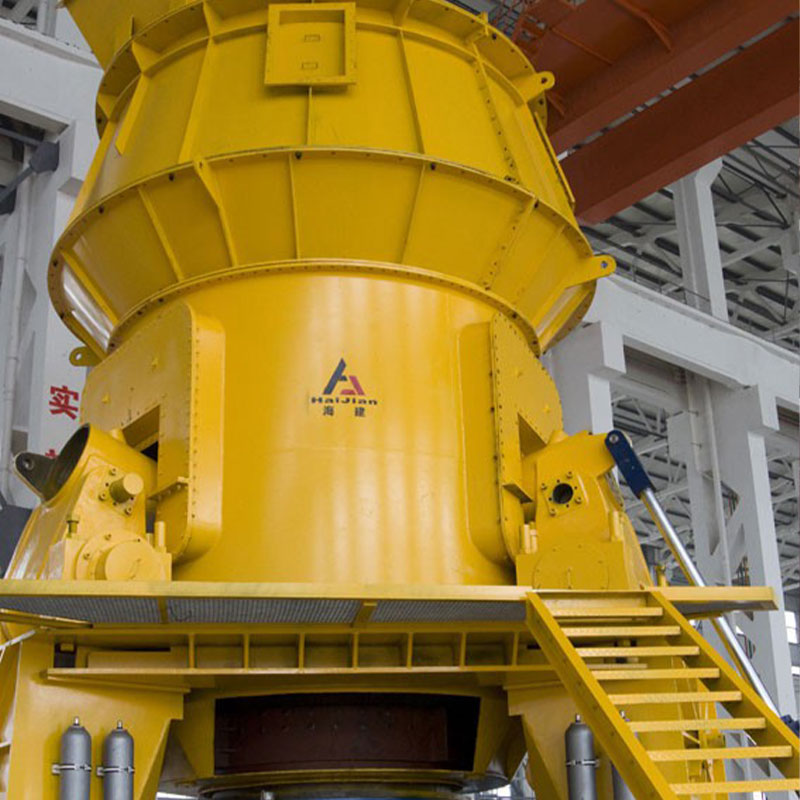
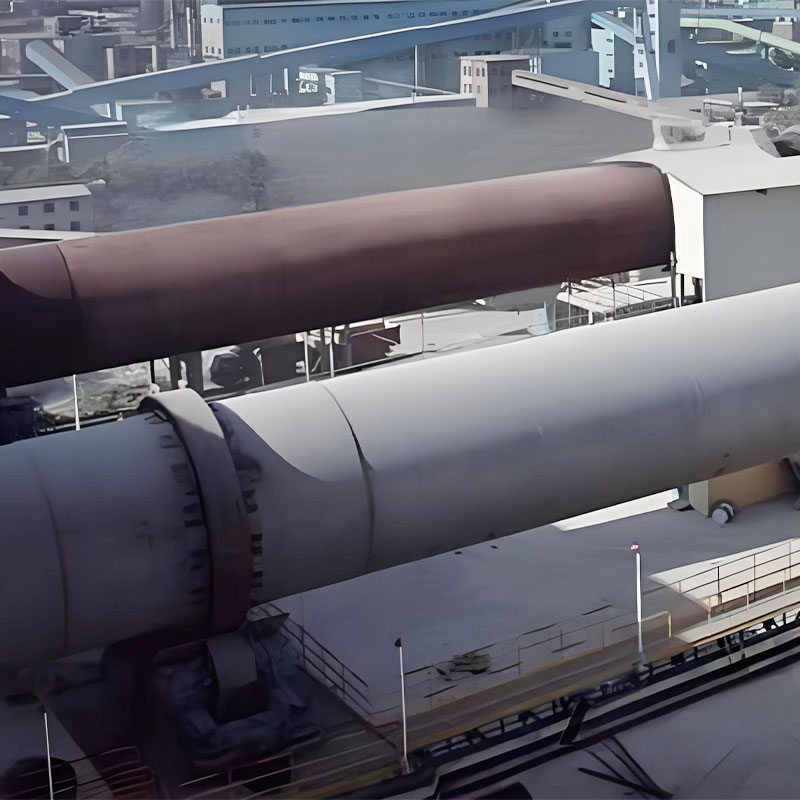
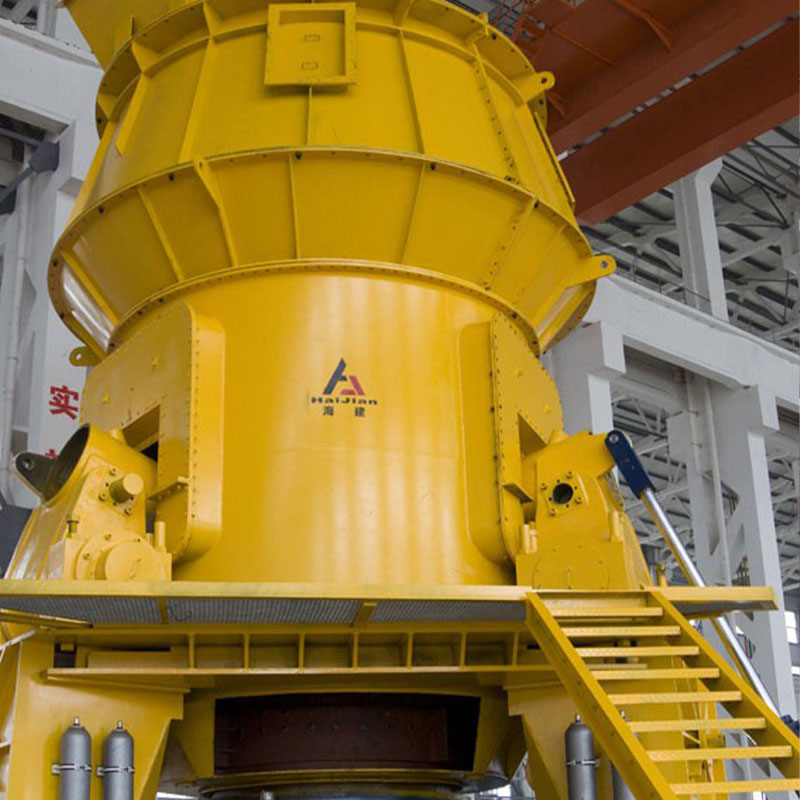 Slag Vertical Roller Mill by Jiangsu HaijianModular vertical roller mill converting metallurgical slag into high-activity micro powder for cement, concrete, and low-carbon building materials.View Product →
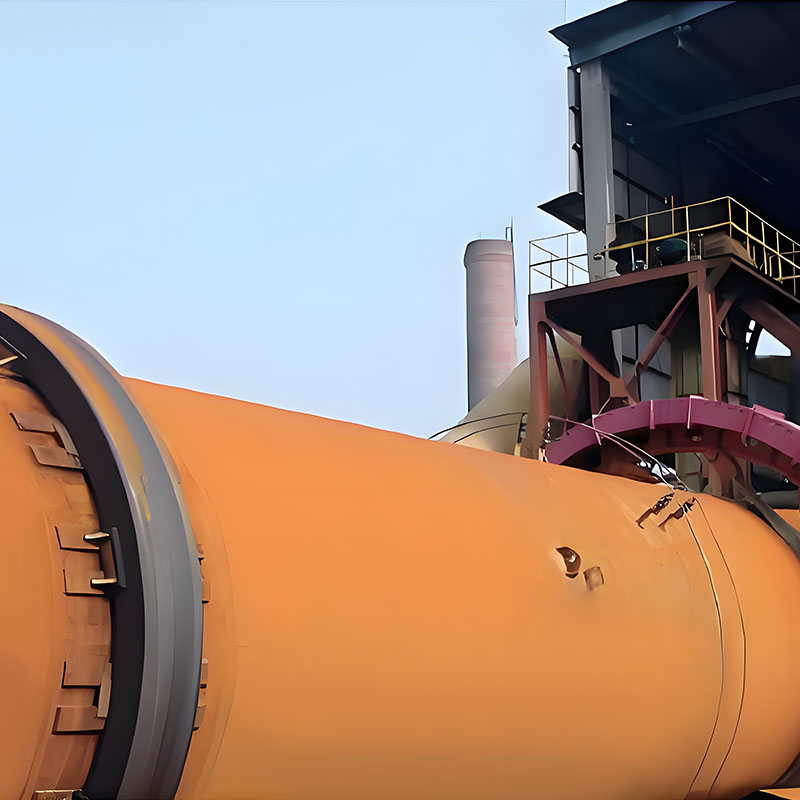
When the blend includes granulated blast furnace slag, a slag vertical roller mill is typically used because slag is hard and abrasive. The same plant may run separate grinding circuits for clinker, slag, and ash, then blend the components. That approach offers flexibility but requires accurate weighing and mixing. Jiangsu Haijian, a Chinese equipment manufacturer with more than 55 years of history in cement and process equipment, supplies equipment for these circuits, including grinding, crushing, conveying, and electrical controls. Its manufacturing capabilities cover large-diameter rotary and grinding equipment, which matters when a project needs a complete line rather than a single machine. For a technical explanation of mill operation, the site also offers a useful article on what a cement mill does.
If you are evaluating ash cement for a specific project, work through the decision in this order:
The best ash cement project is not the one with the highest ash replacement. It is the one where the ash, the cement, the admixture, the construction schedule, and the quality control system are specified as one system.
Ash cement is a practical answer to two pressures: lower clinker content and better long-term durability. It is not a universal substitute. Fly ash, natural pozzolan, and wood ash behave differently, and each needs its own specification, trial mix, and acceptance plan. When the material is controlled and the production equipment is capable, ash cement can deliver lower heat, tighter permeability, and reliable strength at later ages. When it is treated as a generic bargain replacement, the savings often appear in the bid and disappear in the schedule.
For project owners and engineers, the next step is simple: define the standard, test the actual ash, and verify the production route. That is how ash cement becomes a controlled engineering material rather than an uncertain additive.
It is focused on the overall solution of dry bulk material port transfer system,
research and development, manufacturing, and service