
 English
  русский
  Español
 Industry News
Home / News / Industry News / Cement Decarbonization: Where the Emissions Come From and What to Specify
Ask a plant manager why one kiln line runs at 760 kcal per kilogram of clinker while another nearby burns 1,150, and carbon capture will not come up in the answer. Preheater stages, cooler recuperation, raw-mix moisture, fuel ash chemistry, and the local market for slag or fly ash will.
Cement production accounts for roughly 8 percent of global CO2 emissions, yet the practical route to lowering that share rarely begins with a laboratory breakthrough. It begins with a specification. For most operating plants, the next decade of measurable progress comes from four things that can already be engineered, quoted, and purchased: kiln thermal efficiency, clinker substitution, grinding efficiency, and fuel flexibility. Capture is the backstop you size after everything cheaper has been removed.
Content
CO2 leaves an integrated cement plant from three different places, and only two of them respond to how you fire the kiln. The third is chemistry: limestone is calcined into lime and CO2, and no fuel choice changes that reaction.
| Emission source | Typical share | What actually controls it |
|---|---|---|
| Calcination of limestone (process CO2) | 50-60% | Clinker factor and alternative raw materials; the residual needs capture |
| Fuel combustion in kiln and calciner | 30-40% | Specific heat consumption, thermal substitution rate, fuel carbon intensity |
| Electricity for mills, fans and conveying | 5-10% | Mill type and circuit, fan and drive efficiency, grid carbon intensity |
Read the table as a budget. If process emissions are 55 percent of the total, even a perfectly decarbonised fuel supply caps your reduction at 45 percent. A tonne of clinker also carries roughly half a tonne of CO2 from the raw material alone. That is why clinker factor and capture sit at the centre of every serious roadmap, and why kiln projects should be judged on fuel per tonne of clinker rather than on total plant emissions.
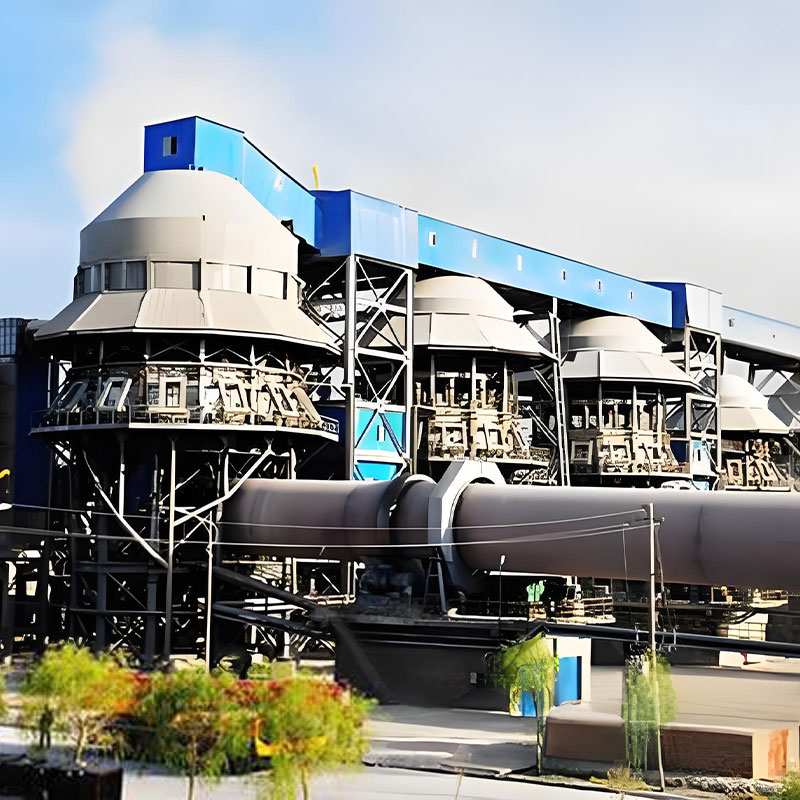
A long dry kiln without a precalciner typically consumes 1,200 to 1,500 kcal per kilogram of clinker. A modern five- or six-stage preheater with a calciner runs at roughly 700 to 800 kcal/kg on the same clinker. That gap is 30 to 40 percent of the fuel bill and a similar share of combustion CO2.
The losses hide in predictable places: stage count and cyclone pressure drop; preheater exit gas temperature, which falls by roughly 30 to 50 °C for each added stage of heat exchange; tertiary air temperature and grate cooler recuperation, which normally recovers 65 to 75 percent of clinker heat; and false air drawn in through the kiln inlet, the cooler and the mill circuits. Waste heat recovery on preheater exit gas and cooler exhaust can cover a meaningful slice of plant power demand, and it performs best on a kiln that already runs at low specific heat consumption.
One practical caution: size the preheater, calciner and cooler for the fuel you intend to burn in five years, not the coal you burn today. Waste-derived fuels need longer residence time, different burner momentum, and often a taller riser duct to complete combustion.
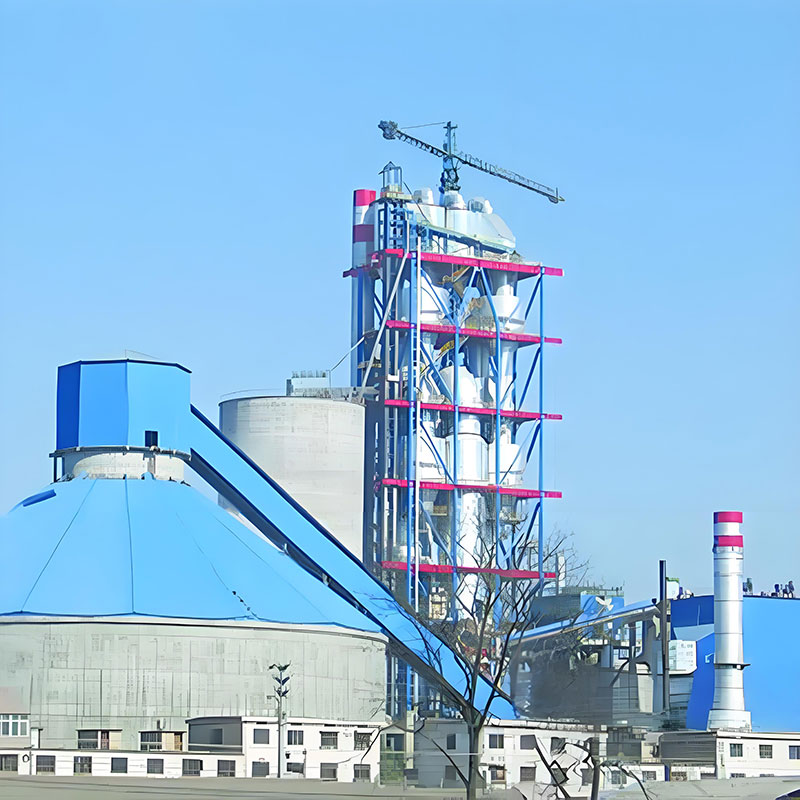
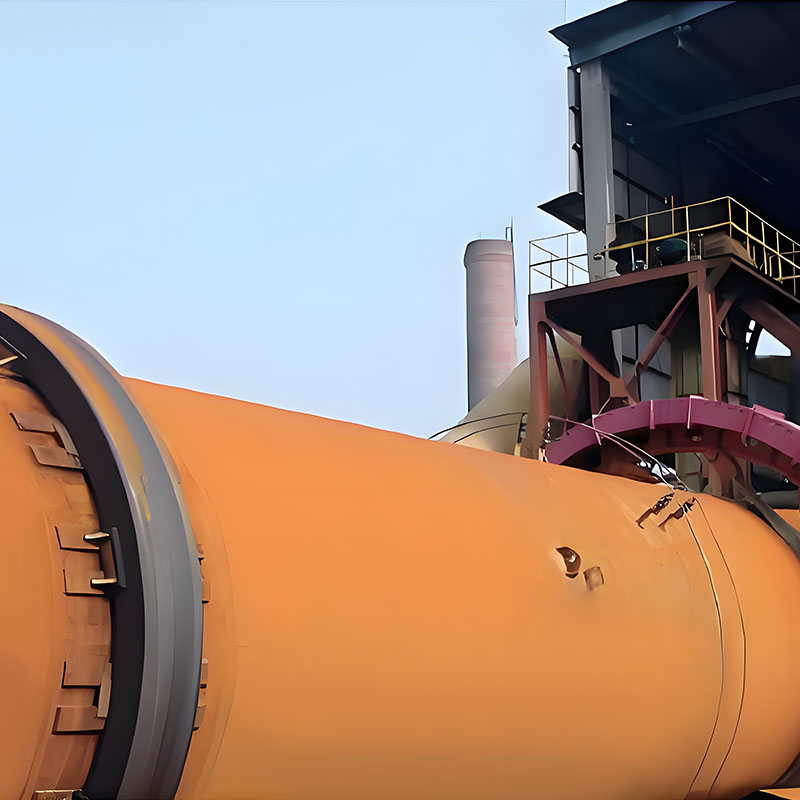
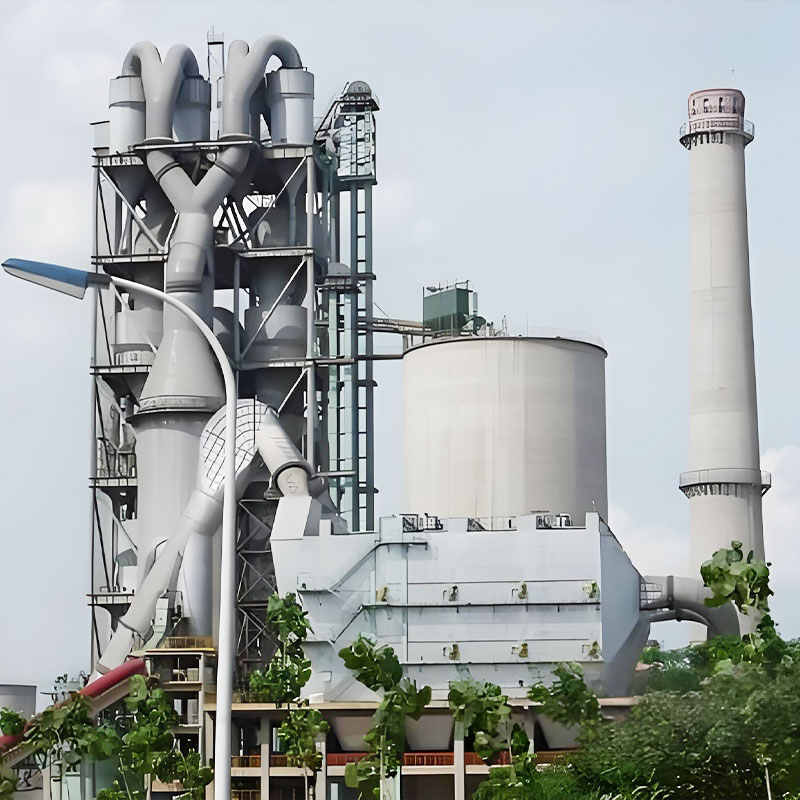 Pre-heaterIn cement production lines, preheaters combine raw material powder with high-temperature exhaust gas at the kiln tail through the synergistic effect of suspension preh...View Product →
The global average clinker-to-cement ratio sits near 0.70 to 0.75. Every 0.01 removed is roughly 8 to 10 kg of CO2 per tonne of cement, before any equipment change. The main options and their practical limits:
The ceiling is rarely chemistry. It is standard acceptance, early-age strength development, and logistics. A plant that cannot dry and grind slag consistently will not capture the benefit, which makes the mill circuit rather than the kiln the bottleneck in many substitution projects.
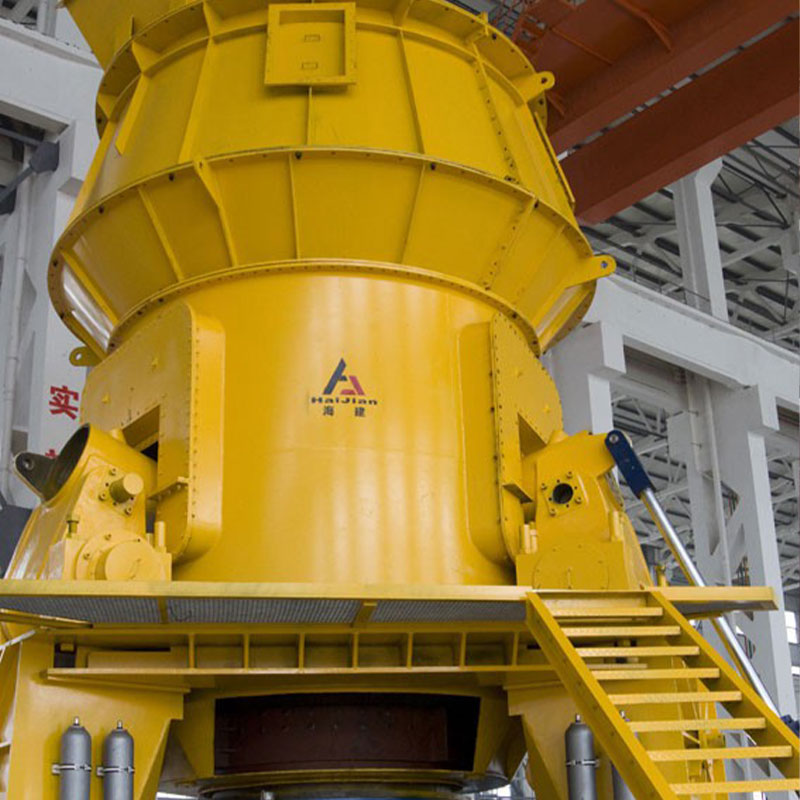
Cement grinding typically consumes 30 to 40 kWh per tonne in a ball mill circuit. A roller press or vertical roller mill circuit can cut specific power by 30 to 50 percent, and the saving applies to every tonne produced for the next twenty years. Particle size distribution matters more than the fineness number on a certificate: a well-controlled distribution lets you hold early strength with less clinker in the mix, which links grinding directly to the substitution target above. Raw material moisture is the other variable worth pricing honestly, because wet chalk or clay will derate a mill that was sized on dry feed assumptions.
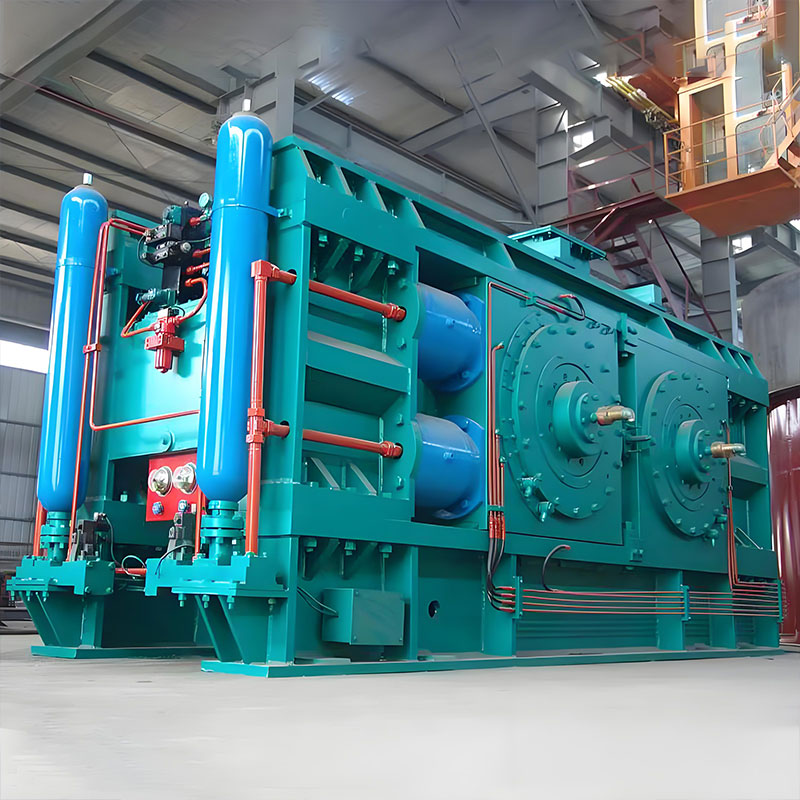
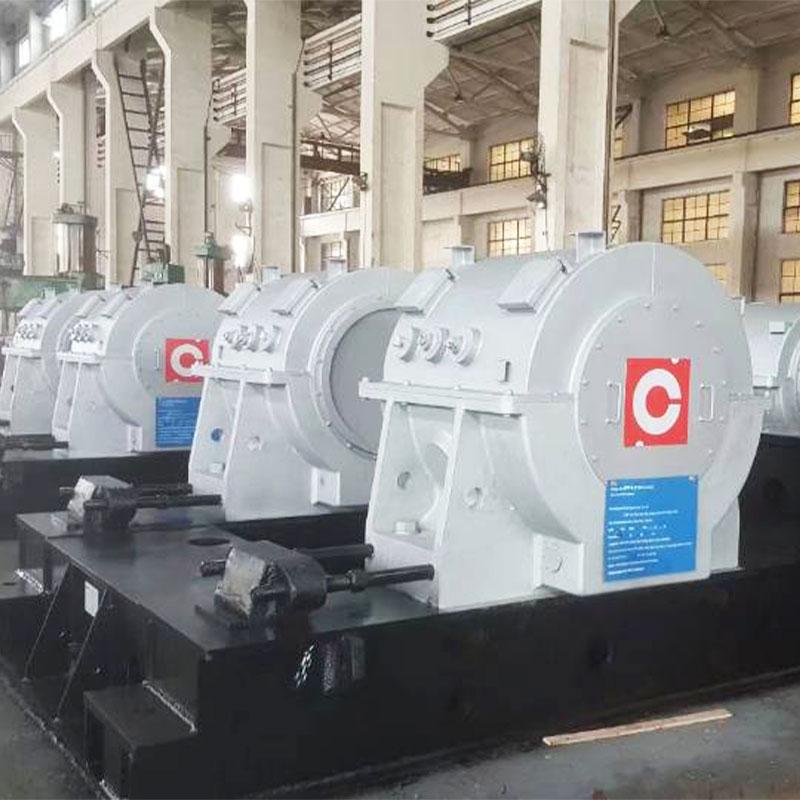
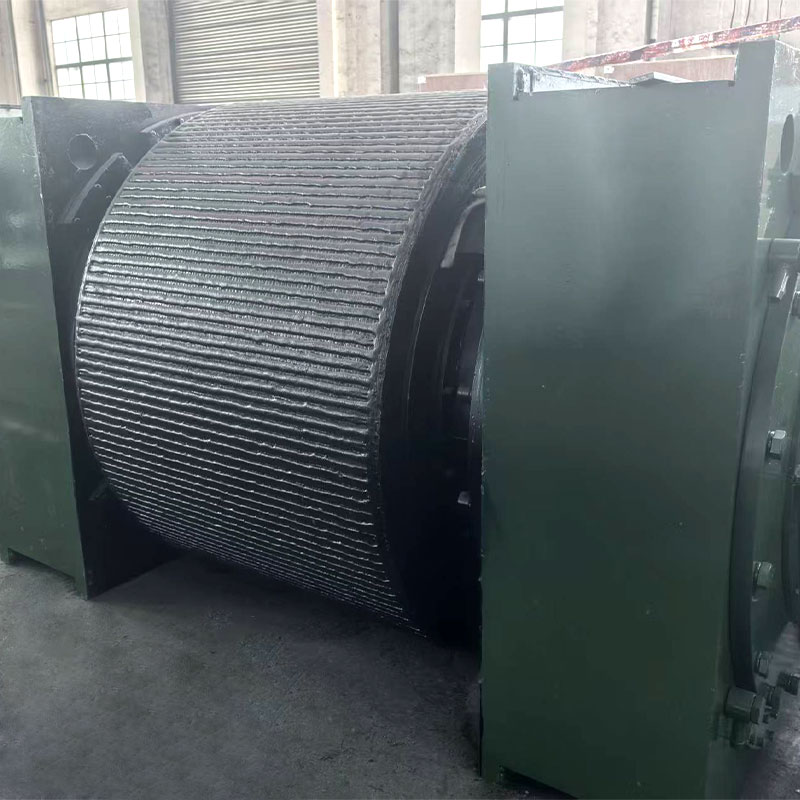 Roller PressRoller press is a new type of cement energy-saving grinding equipment developed in the mid-1980s. It can completely or partially replace the high-energy ball mill syst...View Product →
Thermal substitution rates range from about 10 percent at conservative plants to more than 60 percent at installations designed for it. The kiln is a forgiving reactor: gas temperatures above 1,450 °C, long residence time, and an alkaline environment that binds chlorine and sulphur into the clinker. The limits are equally real:
Fuel preparation and solid waste handling are therefore not a side project bolted onto a kiln upgrade; they decide whether a substitution target is achievable week after week.
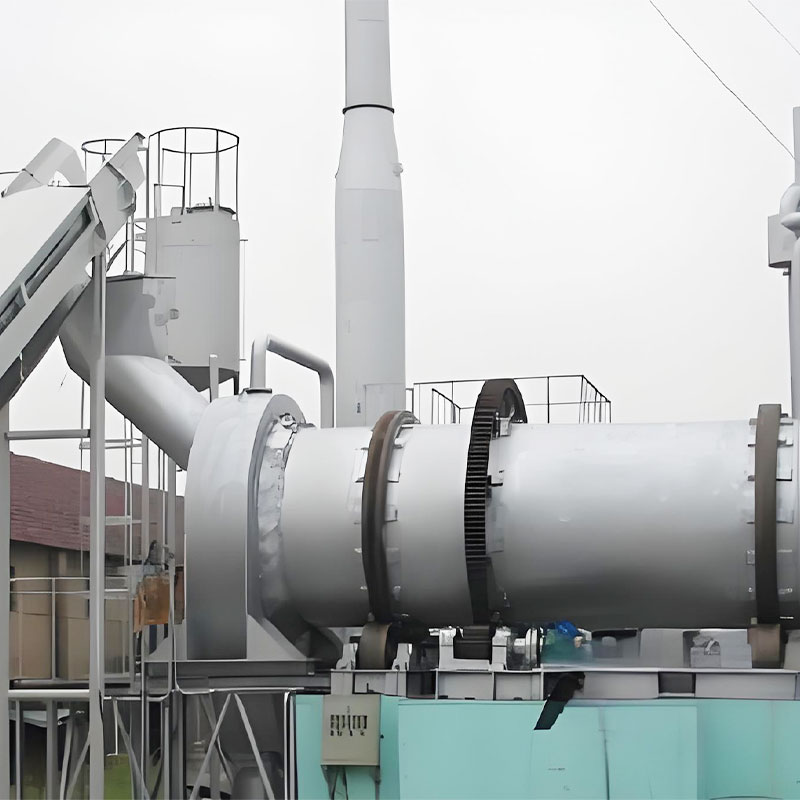 Solid waste treatmentThe solid waste treatment system has wide applicability to waste, high combustion thermal efficiency, and the thermal reduction rate of residue is ≤3%. The incineratio...View Product →
If process CO2 is more than half of your emissions, the residual after efficiency and substitution is a capture problem. Published cost work suggests capture can add roughly 20 to 40 percent to the price of cement, while the effect on total construction cost is usually only a percent or two, because cement is a small share of a built asset's budget. That asymmetry is the argument for starting capture studies early even when construction is years away.
Electrified calciners, plasma and microwave heating, and thermal energy storage remain mostly at pilot or demonstration scale. They also depend on a decarbonised grid to earn their carbon claim, and they change the plant's electrical load profile, which touches transformer capacity and high-voltage switchgear design. Those are easier to specify up front than to retrofit.
Carbon targets only count once they appear in purchasing language. Insist on:
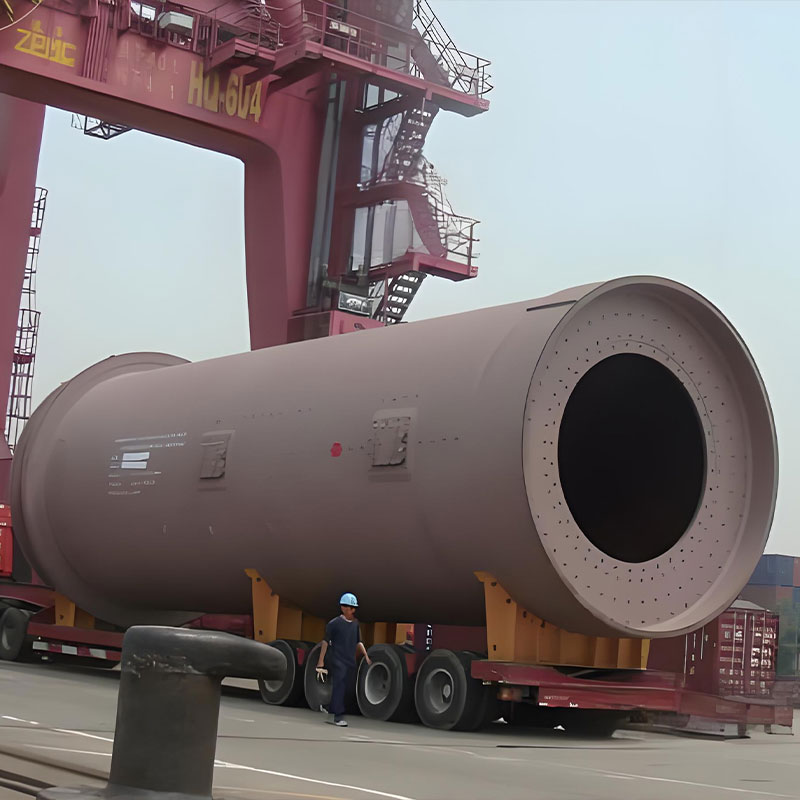
Fabrication capability decides whether those guarantees survive first firing. Kiln shells, mill bodies and pressure vessels are large-diameter, heavy-wall fabrications, and this class of work needs large vertical lathes, gear hobbing, heavy cranes and stress-relief furnaces; the equipment behind that capacity is described on our manufacturing page. Day-to-day discipline matters just as much, and our notes on optimizing rotary kiln operation cover the stability issues that decide whether a guaranteed number is met in practice.
Sequence beats technology list. Audit the kiln and close false air and cooler losses first. Raise the substitution rate to the limit your market accepts. Then push fuel substitution and waste heat recovery. Only then study capture on the tonnes that remain. Plants that reverse this order end up financing capture for emissions a mill upgrade could have removed.
And measure everything in the same unit, CO2 per tonne of cement rather than per tonne of clinker, or your substitution, grinding and fuel projects will each claim credit for the same reduction.
It is focused on the overall solution of dry bulk material port transfer system,
research and development, manufacturing, and service