
 English
  русский
  Español
 Industry News
Home / News / Industry News / AI in Cement Manufacturing: Where It Pays Off and What Plant Teams Should Verify First
A 5,000 t/d preheater kiln that drifts 25–30 °C in burning-zone temperature between shifts is rarely a discipline problem in the control room. It is usually a data and actuator problem, and it is the kind of problem AI in cement manufacturing was built to solve.
The conclusion first: AI pays back fastest on kiln stability, mill throughput and maintenance scheduling. Those three areas are already instrumented, their losses are measurable in kcal and kWh, and an operator can accept or reject a recommendation within seconds.
What follows is what a plant engineer or project buyer should verify before signing anything.
Content
Three conditions separate a project that shows results inside a year from one that quietly disappears after the commissioning report. The loss must already be measurable in fuel, power or downtime. The manipulated variables must be reachable through the existing control layer. And plant staff must be able to retrain the model without waiting for a remote data-science team.
| Use case | What the system moves | Data it depends on | Realistic horizon | Most common failure |
|---|---|---|---|---|
| Kiln burning-zone control | Coal, feed, ID fan, kiln speed | Shell scan, free lime, O2, NOx, torque | 6–12 months | Model follows sensor drift instead of process physics |
| Mill load optimization | Feed, roller pressure, separator speed, water | Motor power, differential pressure, Blaine | 3–9 months | Worn liners make the model chase noise |
| Predictive maintenance | Work-order timing and spare parts | Vibration, oil analysis, bearing temperature | 9–18 months | Alert fatigue from thresholds set too tight |
| SNCR ammonia dosing | Reagent flow per injection level | NOx analyser, temperature profile | 3–6 months | Compliance limits change mid-project |
| Alternative fuel blending | Blend ratio and feed point | Calorific value, moisture, chlorine | 6–15 months | Fuel variability outruns model updates |
A preheater kiln is expected to hold burning-zone temperature around 1,400–1,500 °C and free lime between roughly 0.8% and 1.5%, while the lab result that confirms free lime arrives 30 to 60 minutes after that clinker was made. Closing the delay is the core job. Using kiln shell thermal imaging, kiln torque, O2, NOx and secondary air temperature, a model can predict free lime 20–40 minutes ahead and adjust coal, feed and kiln speed inside limits set by the process engineer.
Targets worth noting: 1–3% lower specific heat consumption, a 30–50% reduction in free-lime standard deviation, and fewer emergency stops caused by unstable coating. Treat those figures as the shape of the benefit rather than a promise.
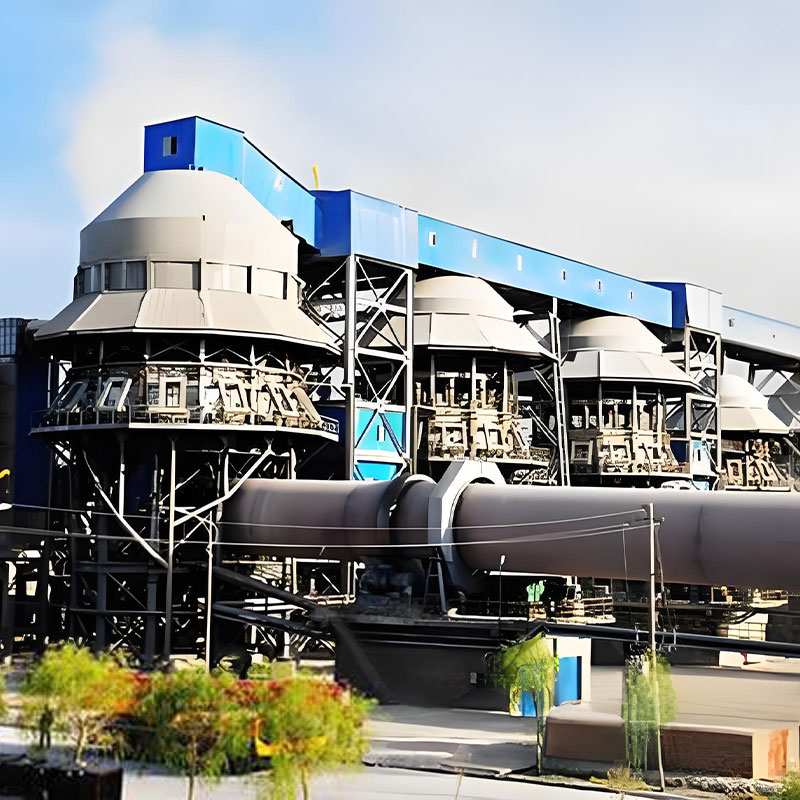
An adaptive controller cannot compensate for a misaligned kiln, an oval shell, spalling refractory or a coal mill that responds minutes late. When the shell temperature profile moves for mechanical reasons, the model learns the wrong cause-and-effect pair and takes the blame for the result. Verify alignment, riding-ring clearance and refractory condition first. The fundamentals of optimizing rotary kiln operation are worth reviewing alongside any software proposal, because a controller can only work with the process it is given.
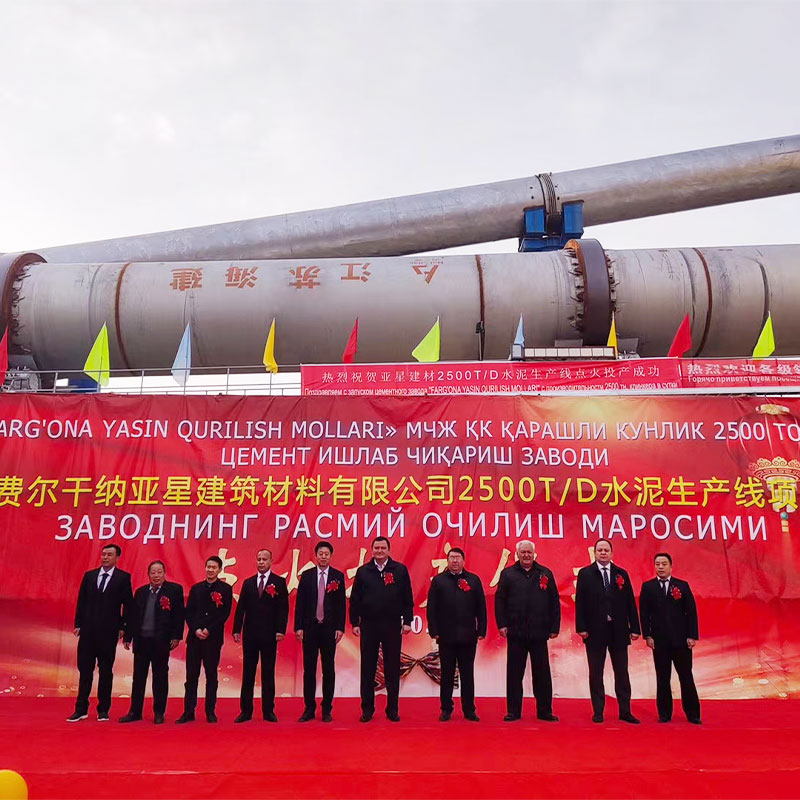 Rotary kilnThe rotary kiln is the main equipment for calcining cement clinker, and is mainly used in the chemical, metallurgical and other industries. The rotary kiln calcining s...View Product →
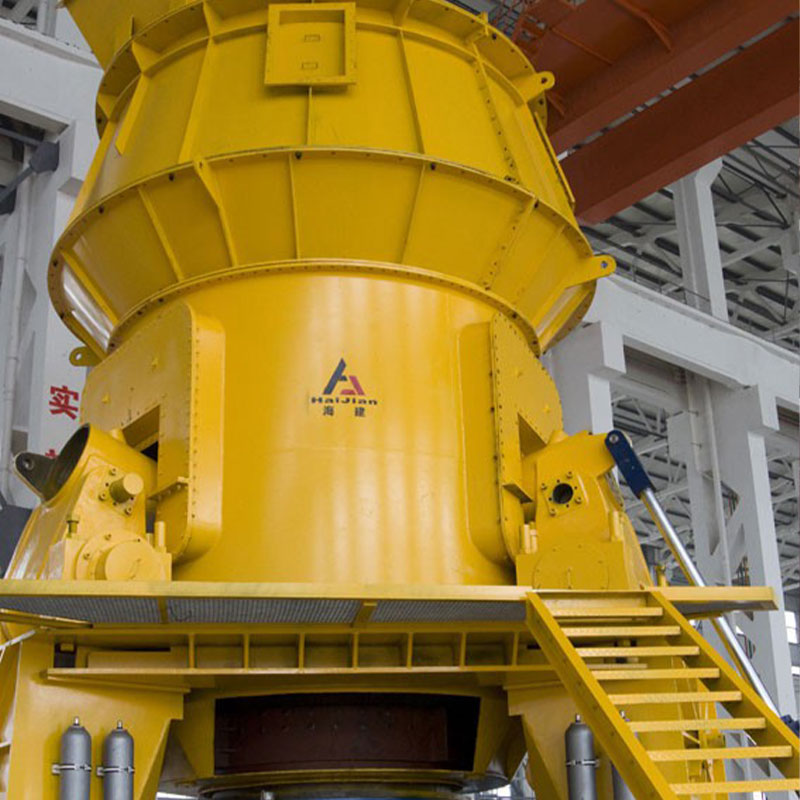
Comminution takes roughly 30–40% of a plant's electrical energy, and the cement or raw mill is usually the largest single consumer on site. At identical product fineness, a vertical roller mill's specific power can move 10–15% depending on bed stability, gas flow and separator settings — a spread large enough to pay for the instrumentation many times over.
The ceiling is mechanical. Worn table and roller liners, a damaged nozzle ring or air leaks at the mill inlet all raise specific power, and no algorithm recovers that loss. If specific power has drifted 8% over two years with no change in product, the answer is hardfacing, not software.
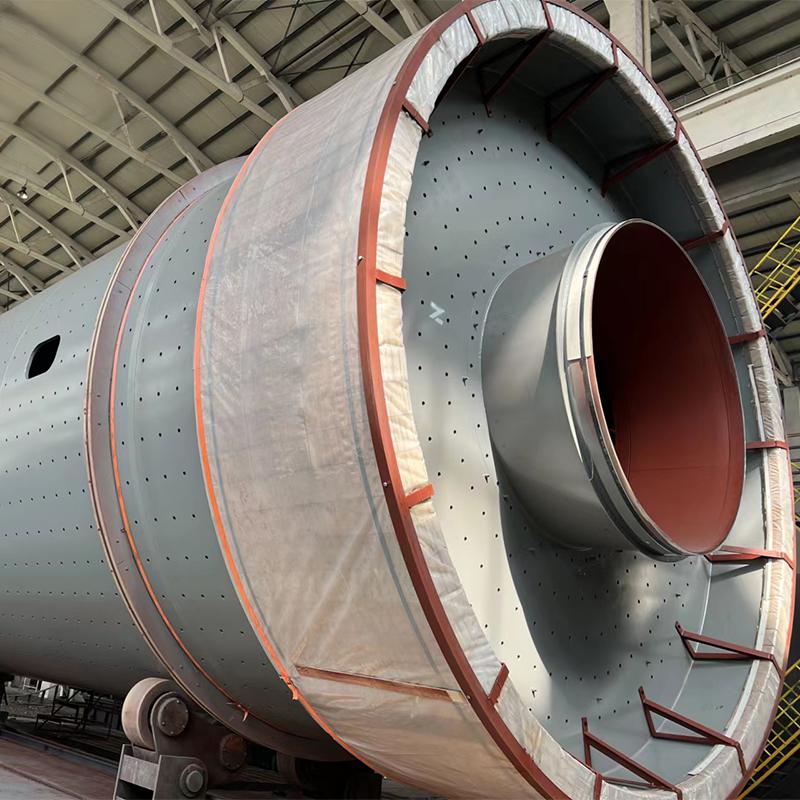 Cement MillThe function of cement mill is to grind the crushed cement clinker, gypsum, slag and other raw materials to the target fineness through mechanical force to form cement...View Product →
Unplanned stops in a cement plant come from a short list of failure modes, and most of them announce themselves weeks in advance. What separates a useful system from an ignored one is not the model but what happens after the alert.
Name the failure modes first, then choose sensors — not the other way round. Thresholds set too tight produce alert fatigue within a month; set too loose and nothing is detected. Either way, an alert that never becomes a work order is a hobby, not maintenance.
SNCR ammonia dosing is one of the cleanest AI targets in a cement plant because the trade-off is explicit: too much reagent wastes ammonia and creates slip, too little breaches the NOx limit. A model that reads the temperature profile and the stack analyser can hold that limit with less reagent than a fixed dosing curve, and it reacts to kiln upsets faster than an operator watching three screens.
Alternative fuels make the problem harder. Refuse-derived fuel varies in calorific value, moisture, chlorine and particle size from hour to hour, and the kiln has to absorb that variability in the calciner. Blending control, feed-point selection and pre-processing all matter, but the control layer is what keeps the process from swinging. Flue-gas treatment equipment and the control strategy should be specified together rather than procured as two separate decisions.
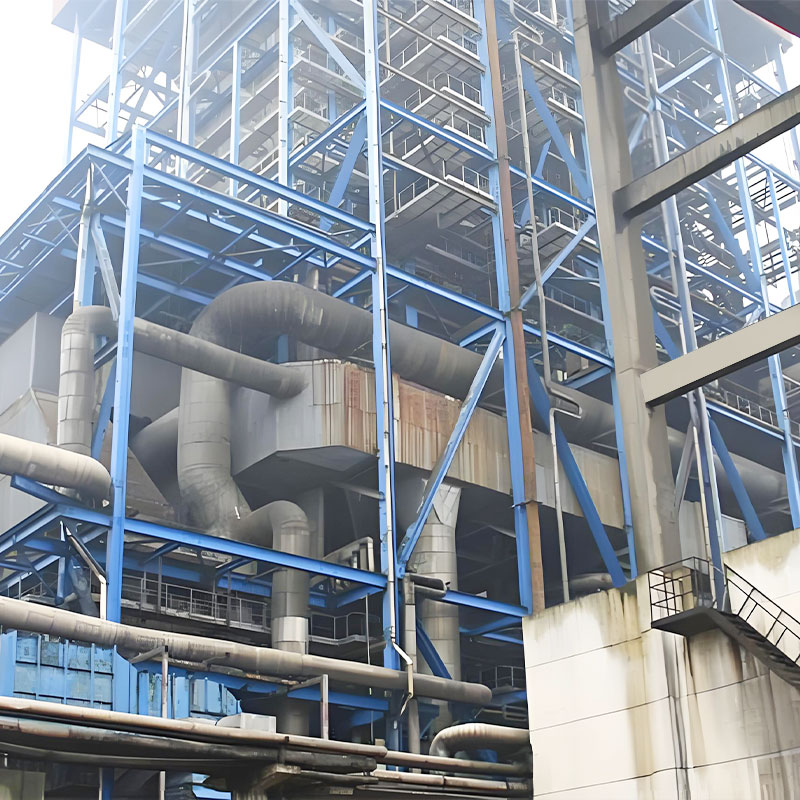 Desulfurization and denitrification of electric powerThe coal produced by thermal power plants will produce a large amount of waste gas containing sulfur and nitrate smoke, which will be discharged into the atmosphere an...View Product →
It is worth being blunt about the gaps, because vendors rarely are.
In each case the money is better spent on repair, instrumentation or process work first. AI amplifies a well-run process, and it amplifies a sloppy one just as efficiently.
Projects fail most often at step four, when the system is installed but nobody has agreed who acts on its output.
The practical test is simple. If you cannot name the loss in a unit you already invoice — kcal per kilogram of clinker, kWh per tonne of cement, hours of unplanned stop — you are not ready for AI yet, and instrumentation and mechanical repair are the honest first step.
If you can name it, the projects described above are the ones that return money inside roughly eighteen months. Start with the kiln, measure honestly, and let the second project be chosen by the data from the first.
It is focused on the overall solution of dry bulk material port transfer system,
research and development, manufacturing, and service