

 English
  русский
  Español
 How to Improve the Production Efficiency of a Cement Production Line?
The cement production line is a crucial link in cement manufacturing, encompassing the entire process from raw material mining to final product production and packaging. With the ever-increasing market demand for cement products, improving the production efficiency of cement production lines has become an urgent need within the industry. How to improve the production efficiency of cement production lines, reduce energy consumption, and minimize environmental pollution has become a key focus of industry development.
1. Optimize Raw Material Proportioning and Preparation Processes
The main raw materials for cement production lines include limestone, clay, iron ore, and gypsum. Optimizing the raw material proportions not only ensures cement quality but also improves production efficiency. By precisely controlling the raw material proportions, material waste can be reduced, and more complete and efficient reactions can be ensured during the production process.
Practice for optimizing raw material proportioning:
Use higher quality raw materials: High-quality raw materials can improve the reaction efficiency of cement and reduce unnecessary processing time and energy consumption.
Implement precise batching: Through automated batching systems, ensure the precise proportioning of various raw materials, avoiding resource waste caused by human error.
Furthermore, employing modern raw material preparation technologies, such as dry pre-homogenization and wet mixing, can improve the uniformity of raw materials and further enhance production efficiency.
2. Improving Kiln Operating Efficiency
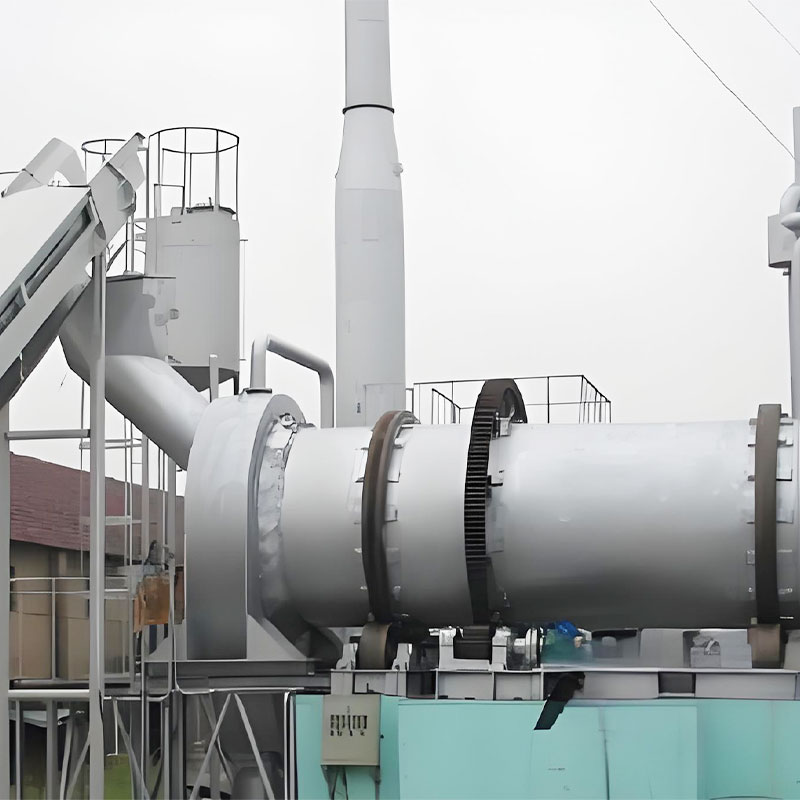
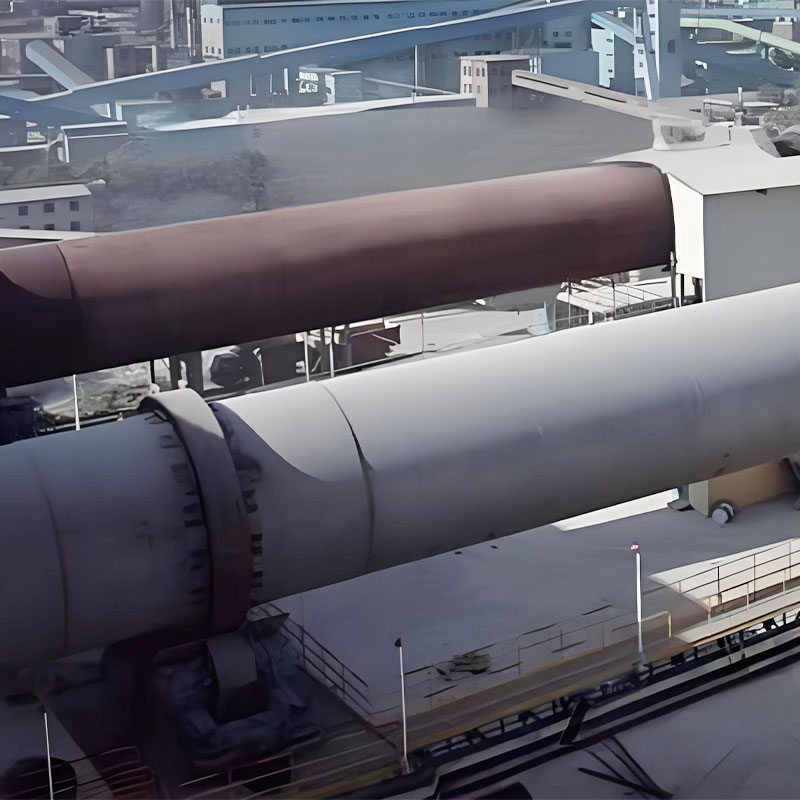
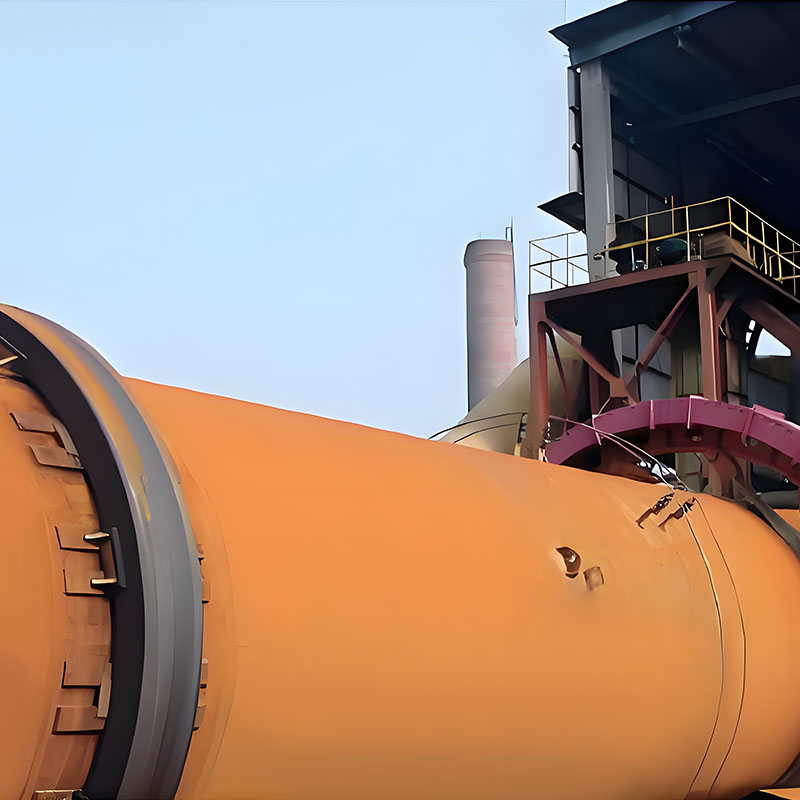
The kiln is one of the core pieces of equipment in a cement production line. The operating efficiency of the kiln directly affects the overall efficiency of the cement production line. Improving the kiln's thermal efficiency and fuel utilization rate are important ways to increase production efficiency.
Methods to improve kiln operating efficiency include:
Strengthening kiln temperature control: Precise temperature control within the kiln is crucial to avoid excessively high or low temperatures affecting the reaction process. Using an **automated temperature control system** can improve the accuracy of temperature regulation, ensuring efficient reaction processes.
Using high-efficiency fuels: Selecting high-calorific-value, low-pollution fuels, such as natural gas or alternative fuels, can improve kiln thermal efficiency and reduce energy consumption.
Using a combination of rotary kiln and preheater: By configuring a preheater at the front end of the rotary kiln, heat can be effectively recovered, reducing temperature fluctuations within the kiln and improving fuel utilization efficiency.
Furthermore, employing waste heat recovery technology to preheat raw materials or generate electricity from waste heat generated in the kiln not only saves energy but also reduces production costs.
3. Improving the Efficiency of the Grinding System
The grinding system is a crucial link in cement production, primarily used to grind clinker, gypsum, slag, and other materials into fine powder. The grinding process is energy-intensive; therefore, improving the efficiency of the grinding system is an important way to reduce cement production costs.
Methods to improve grinding efficiency include:
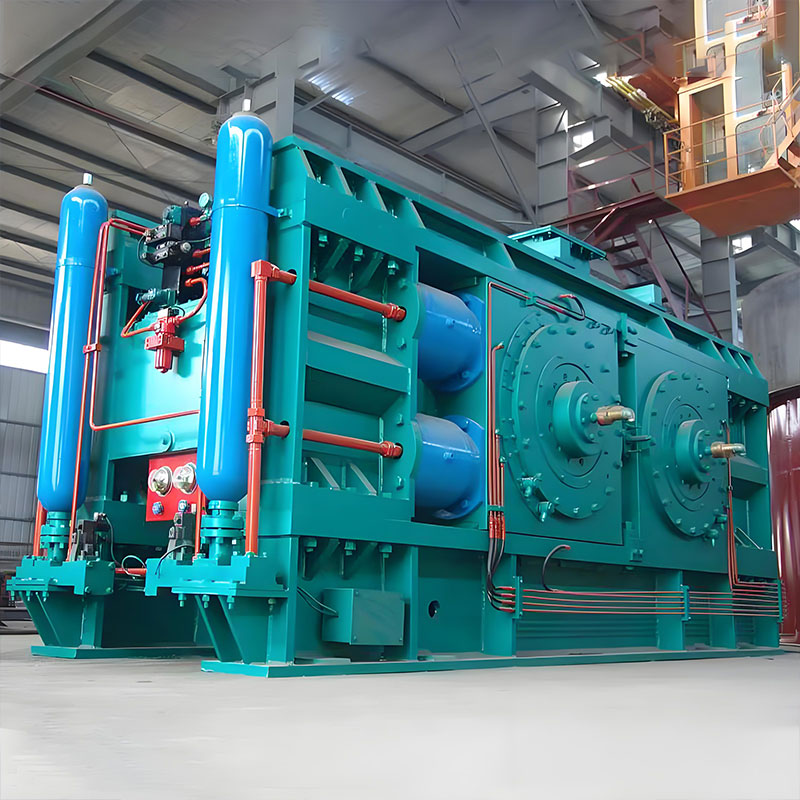
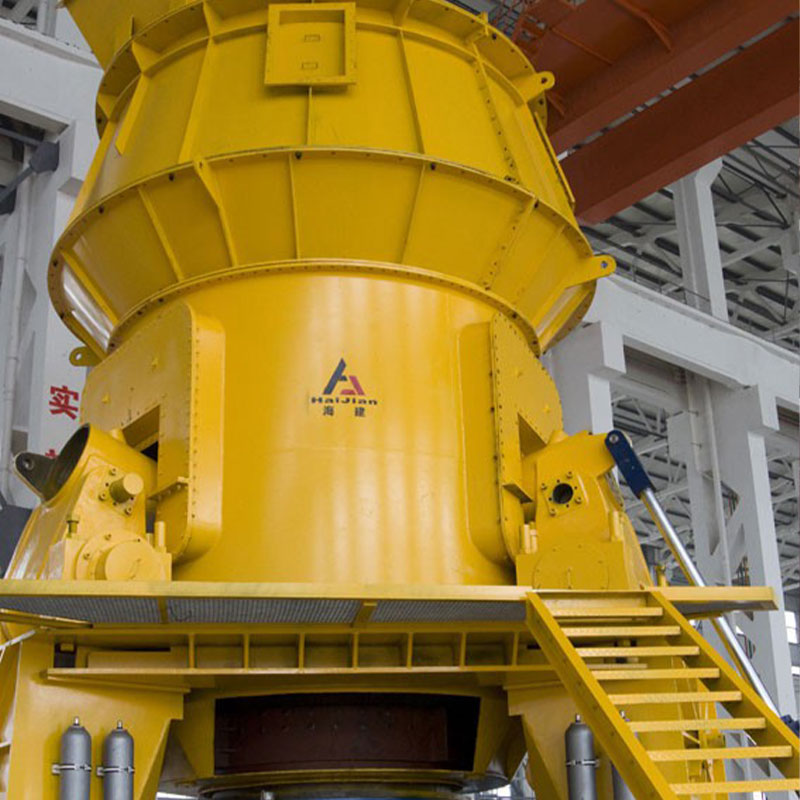
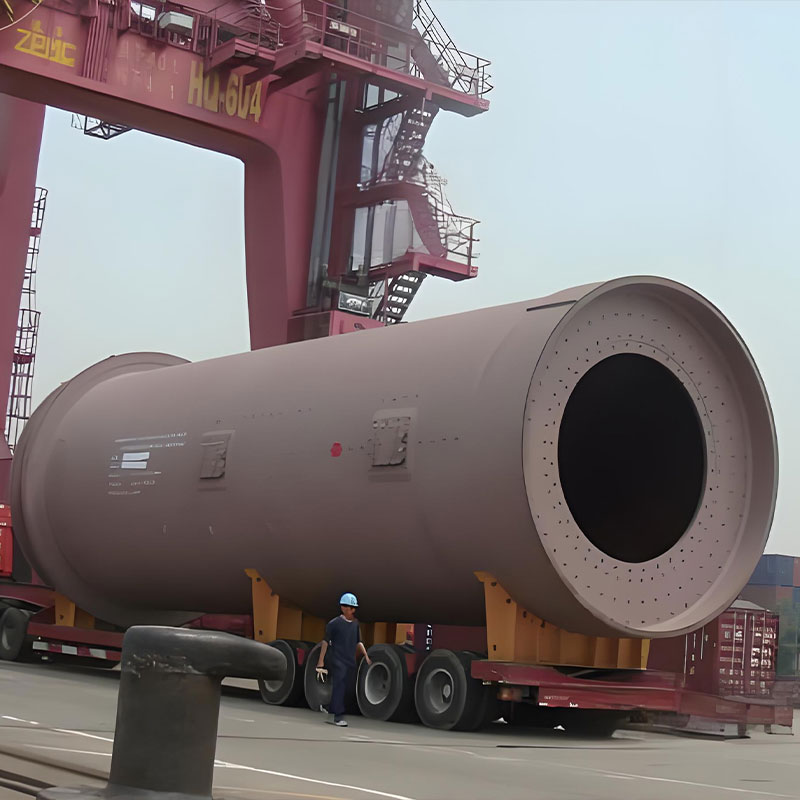
Optimizing grinding equipment selection: Choosing more efficient grinding equipment, such as vertical roller mills and high-pressure roller mills, can complete the grinding task more efficiently and reduce energy consumption compared to traditional ball mills.
Improving the classification system: Using a reasonable classification device ensures the uniformity of the particle size of the ground material, avoiding energy waste caused by excessively coarse or fine abrasives.
Applying automated control systems: Automated systems can monitor various parameters in the grinding process in real time, such as temperature, pressure, and flow rate, ensuring that the equipment operates under optimal conditions.
Furthermore, the adoption of waste heat recovery technology in cement grinding can further improve production efficiency by utilizing the heat energy in waste gas to heat materials, thereby improving energy utilization.
4. Strengthen Equipment Maintenance and Management
In cement production lines, equipment maintenance and management are crucial for production efficiency. Equipment failures not only affect production schedules but also increase maintenance costs. Therefore, strengthening daily equipment maintenance and management, and promptly identifying and eliminating faults, are important means to improve production efficiency.
Equipment Maintenance and Management Practices:
Regular Inspection and Maintenance: Establish a regular equipment inspection system to identify potential faults in advance and avoid production stoppages or reductions due to equipment failures.
Use High-Quality Parts and Lubrication Systems: High-quality parts and lubrication systems can reduce equipment wear and tear, improving equipment operating efficiency and service life.
Adopt Intelligent Monitoring Systems: By installing intelligent monitoring systems, the operating status of each piece of equipment can be monitored in real time, allowing for timely detection of equipment anomalies and reducing downtime.
Improving the production efficiency of cement production lines not only reduces production costs and enhances product market competitiveness but also reduces resource waste and promotes sustainable development. By optimizing raw material ratios, improving the efficiency of kilns and grinding systems, strengthening equipment maintenance, and implementing energy-saving technologies, cement companies can achieve more efficient production while ensuring quality.
Recommended Products
It is focused on the overall solution of dry bulk material port transfer system,
research and development, manufacturing, and service
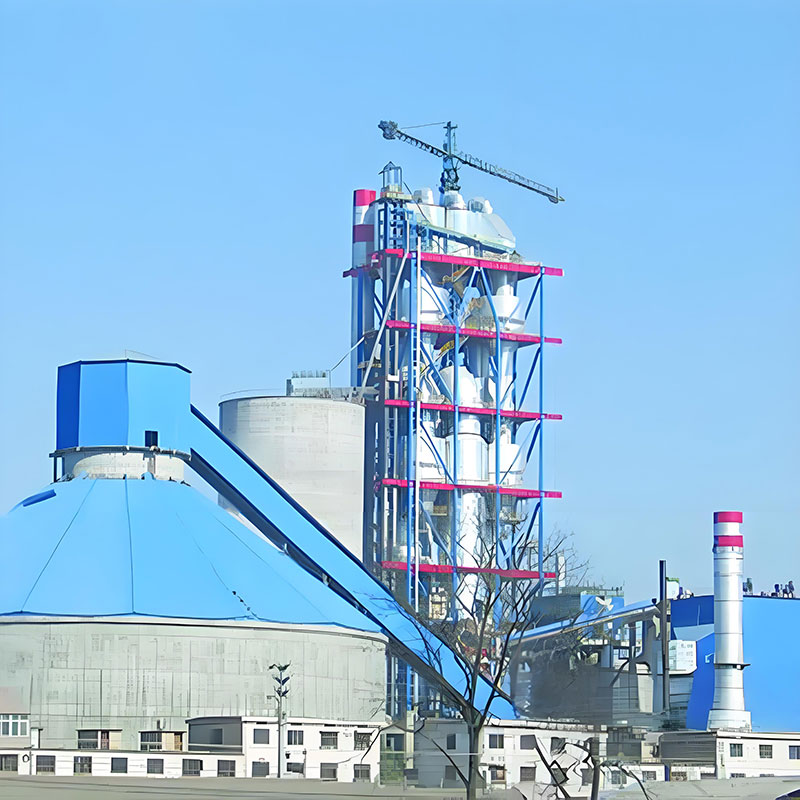
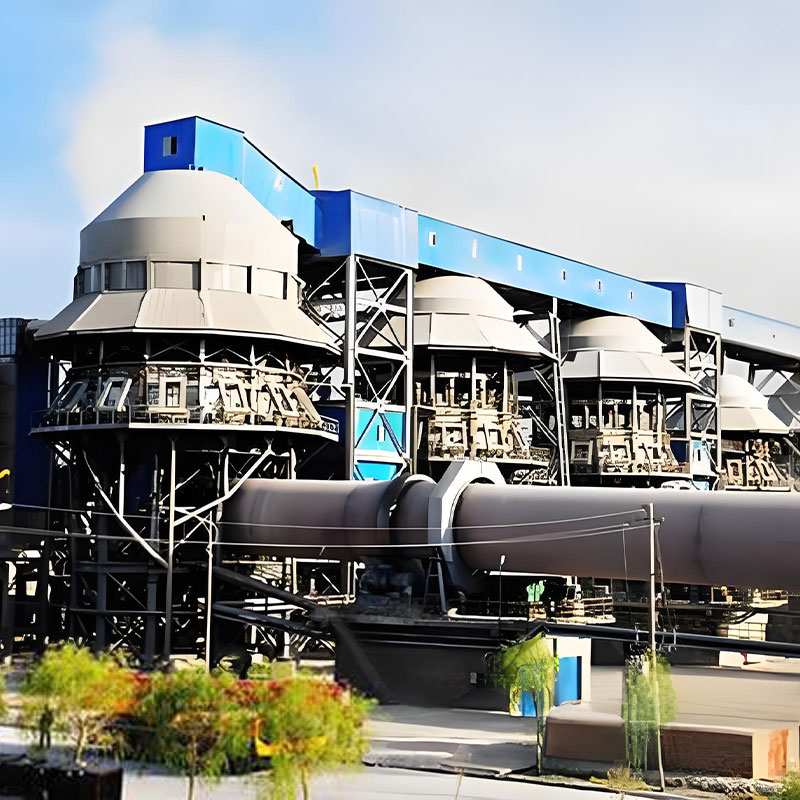

Optimized cement production solutions—reducing energy costs and increasing output efficiency.
- Product Category
- >Cement production line
- >Environment protection
- >Metallurgical and mining equipment
- >Pressure Vessel
- Quick Links
- >Products
- >Company
- >Equipments
- >Solutions
- >Services
- >News
- >Contact
- Contact us
-
-
 Call us for support+86 13584702563
 -
 Call us for supporthaijian@haijianstock.com
 -
 No. 198, Shuanglou Road, Qutang Town, Haian County, Jiangsu Province
-

