

 English
  русский
  Español
 Common Faults and Solutions of Cement Production Lines
A cement production line is a complex system encompassing multiple stages, including raw material crushing, mixing, calcining, cooling, and grinding. Each stage requires precise control and coordination, and any malfunction in any stage can affect the efficiency and product quality of the entire production line.
Common Faults and their Causes:
1. Grinding System Faults
Fault symptoms:
Cement grinding mill runs unevenly, resulting in reduced output.
Grinding efficiency decreases, and particle size is uneven.
Motor overload and frequent shutdowns.
Cause analysis:
Severe wear of grinding media (such as steel balls), leading to decreased grinding efficiency.
Clogging or instability of conveying equipment, affecting raw material supply.
Damage to the internal lining or screen of the grinding mill, resulting in uneven material flow.
Problems with the electrical control system, leading to frequent equipment starts or stops.
Solutions:
Regularly inspect and replace grinding media to maintain their good condition.
Clean the conveying pipes to ensure smooth material flow.
Check the integrity of the grinding mill lining and screen, and replace worn parts promptly.
Inspect and debug the electrical control system to ensure stable operation.
2. Rotary Kiln Faults
Fault symptoms:
Unstable rotary kiln temperature, affecting clinker calcination.
Abnormal noise from the kiln body, vibration or displacement.
Kiln head blockage, poor airflow.
Cause analysis:
Kiln body displacement or misalignment, leading to uneven heating of the furnace.
Unsuitable fuel or improper burner adjustment, leading to temperature fluctuations.
Insufficient gas flow at the kiln tail, resulting in incomplete combustion.
Scaling or material adhesion inside the kiln, leading to blockage.
Solutions:
Regularly inspect and adjust the kiln body alignment to ensure the stability of the rotary kiln.
Optimize the fuel configuration of the burner and adjust the combustion temperature to ensure stable temperature.
Increase or adjust the gas flow at the kiln tail to improve combustion efficiency.
Regularly clean the accumulated material inside the kiln to prevent scaling.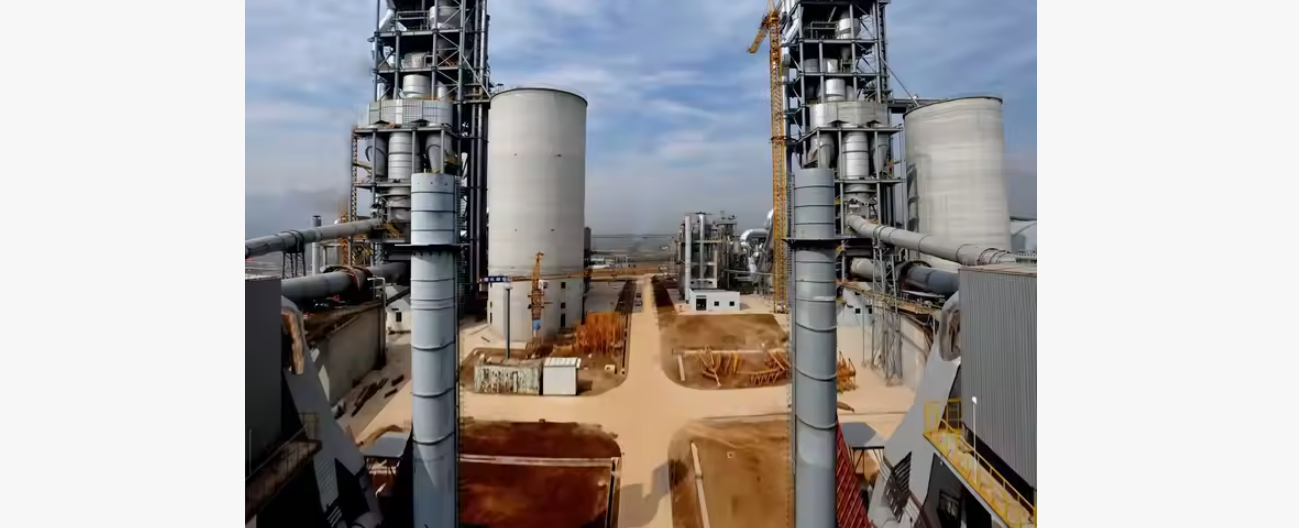
3. Fan Faults
Fault symptoms:
Difficulty starting the fan, high operating noise.
Reduced fan efficiency, leading to poor ventilation.
Fan motor overload, frequent shutdowns.
Cause analysis:
Wear or deformation of fan blades, leading to poor airflow. Insufficient lubrication of the fan bearings or motor causes excessive friction.
Blockage of the fan duct or filter affects airflow.
Problems with the electrical control system prevent the fan from starting or operating normally.
Solutions:
Regularly inspect the fan blades and replace damaged blades promptly.
Provide sufficient lubrication for the fan bearings and motor to reduce friction loss.
Clean the fan duct and filter to ensure smooth airflow.
Check the fan's electrical control system to ensure all electrical components are working properly.
4. Metering and Conveying System Faults
Fault symptoms:
Inaccurate material metering leads to uneven raw material proportions.
Conveying system blockage or jamming causes production stoppage.
Conveyor belt aging, breakage, or slippage.
Cause analysis:
Metering system sensor malfunction or inaccurate calibration.
Conveyor belt wear or looseness leads to reduced transport efficiency.
Silo blockage or material adhesion affects material flow.
Motor or electrical control system failure prevents the conveying system from operating normally.
Solutions:
Regularly calibrate the metering system to ensure accurate raw material metering.
Inspect and replace the conveyor belt to ensure proper tension and working condition.
Clean the silo to prevent material adhesion and blockage.
Regularly inspect the motor and electrical system to ensure smooth operation of the conveying system.
5. Cement Cooling System Faults
Fault symptoms:
Incomplete clinker cooling leads to unqualified product quality.
Cooling machine malfunction, resulting in temperature control failure.
Damaged cooling equipment, leading to low cooling efficiency.
Cause analysis:
Wear or damage to internal components of the cooling machine results in poor cooling effect.
Insufficient airflow reduces cooling efficiency.
Cooling water pipe blockage affects cooling water circulation.
Solutions:
Regularly inspect and replace cooling machine components to maintain good working condition.
Adjust the airflow and speed of the cooling machine to ensure sufficient airflow through the cooling system.
Clean the water pipes to ensure normal cooling water flow.
Recommended Products
It is focused on the overall solution of dry bulk material port transfer system,
research and development, manufacturing, and service
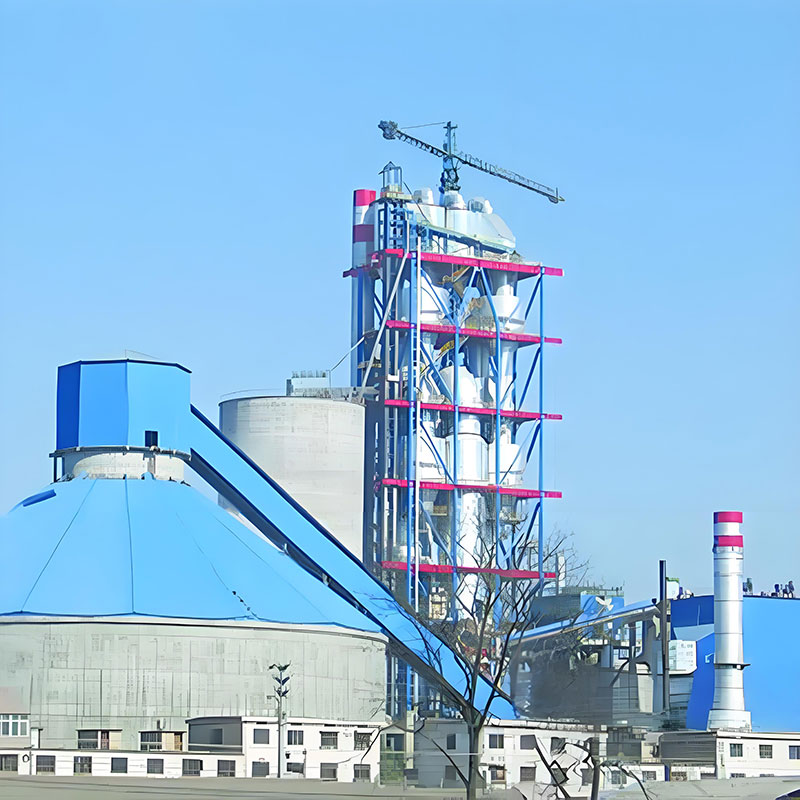
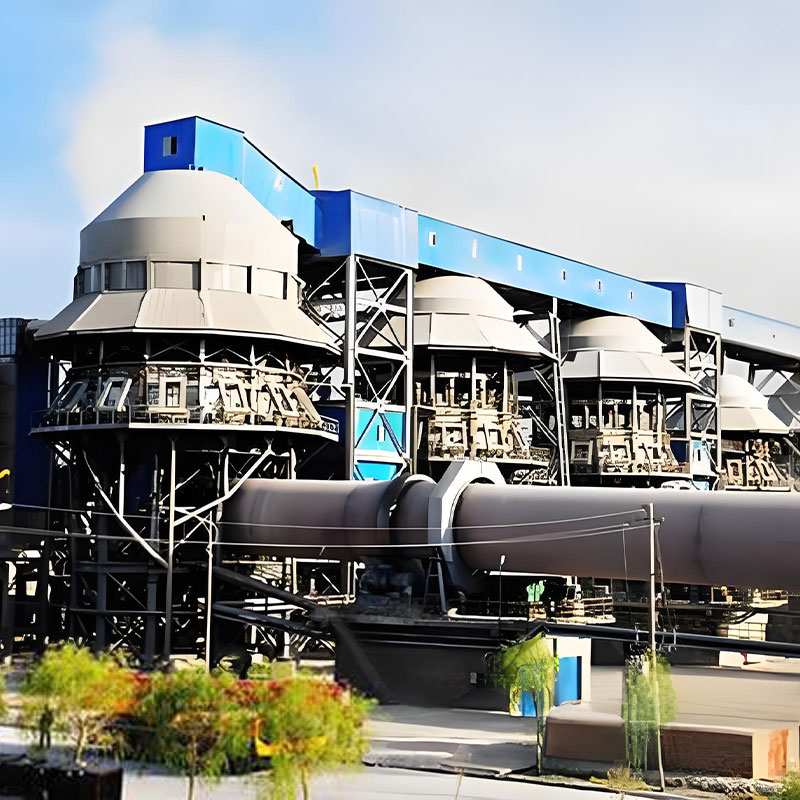
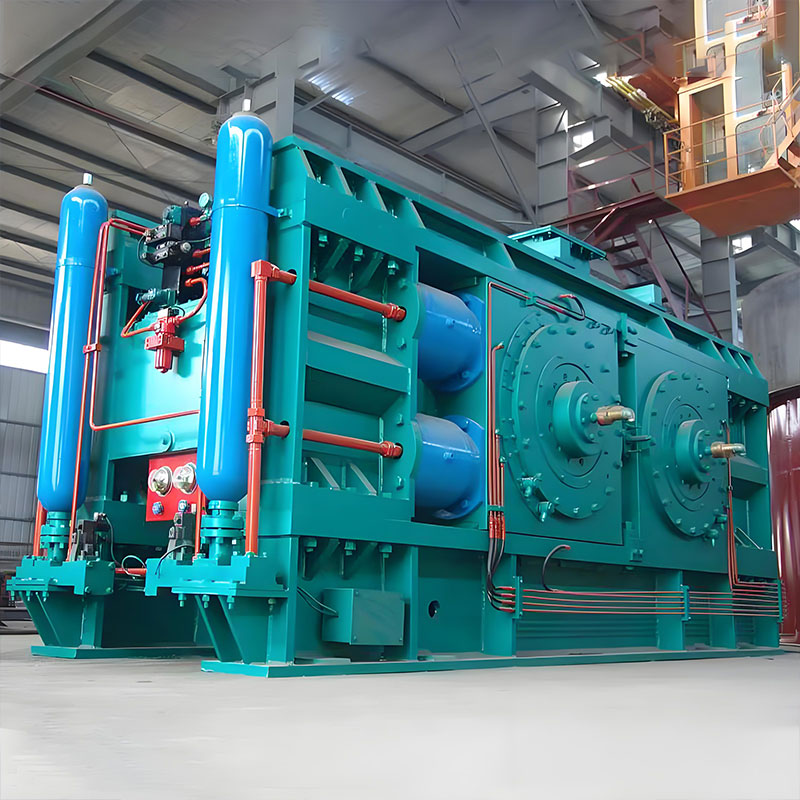
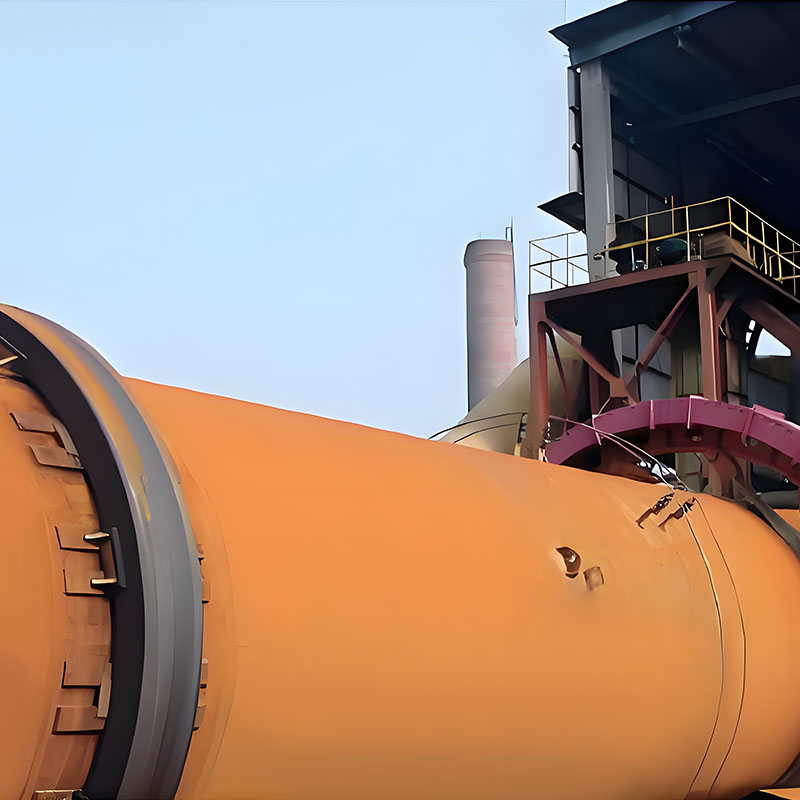

Optimized cement production solutions—reducing energy costs and increasing output efficiency.
- Product Category
- >Cement production line
- >Environment protection
- >Metallurgical and mining equipment
- >Pressure Vessel
- Quick Links
- >Products
- >Company
- >Equipments
- >Solutions
- >Services
- >News
- >Contact
- Contact us
-
-
 Call us for support+86 13584702563
 -
 Call us for supporthaijian@haijianstock.com
 -
 No. 198, Shuanglou Road, Qutang Town, Haian County, Jiangsu Province
-

