

 English
  русский
  Español
 Common Problems and Solutions in Cement Production Lines
As one of the core pieces of equipment in cement manufacturing, the stability of the cement production line directly affects the efficiency, quality, and cost of the entire production process. However, during long-term production, cement production lines may encounter some common problems. If not handled properly, these problems can lead to equipment failure, production stoppages, energy waste, and other serious consequences.
This article will introduce some common problems in cement production lines and propose corresponding solutions to help enterprises improve production efficiency and reduce operational risks.
1. Excessive Wear of Production Line Equipment
In the cement production process, especially in the crushing, grinding, and calcining stages, equipment often faces harsh conditions such as high temperature, high humidity, and high wear. Increased equipment wear directly affects production efficiency and product quality.
Solutions:
Use wear-resistant materials: Choose equipment materials with strong wear resistance, such as high-chromium alloy steel and wear-resistant ceramics, to reduce equipment wear.
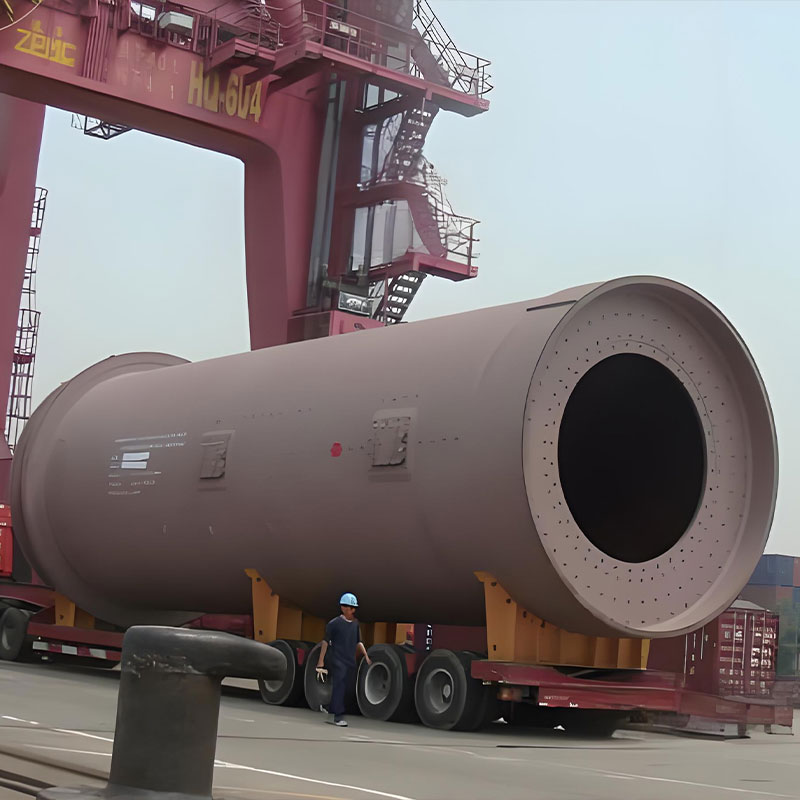
Regular inspection and maintenance: Regularly inspect, clean, and replace worn parts, especially key components of high-wear equipment such as crushers and ball mills.
Optimize operating parameters: Adjust the equipment's operating parameters to ensure that the equipment operates in its optimal working state. For example, by adjusting the mill load and the operation of the cooling device, reduce equipment overload and extend the service life of the equipment.
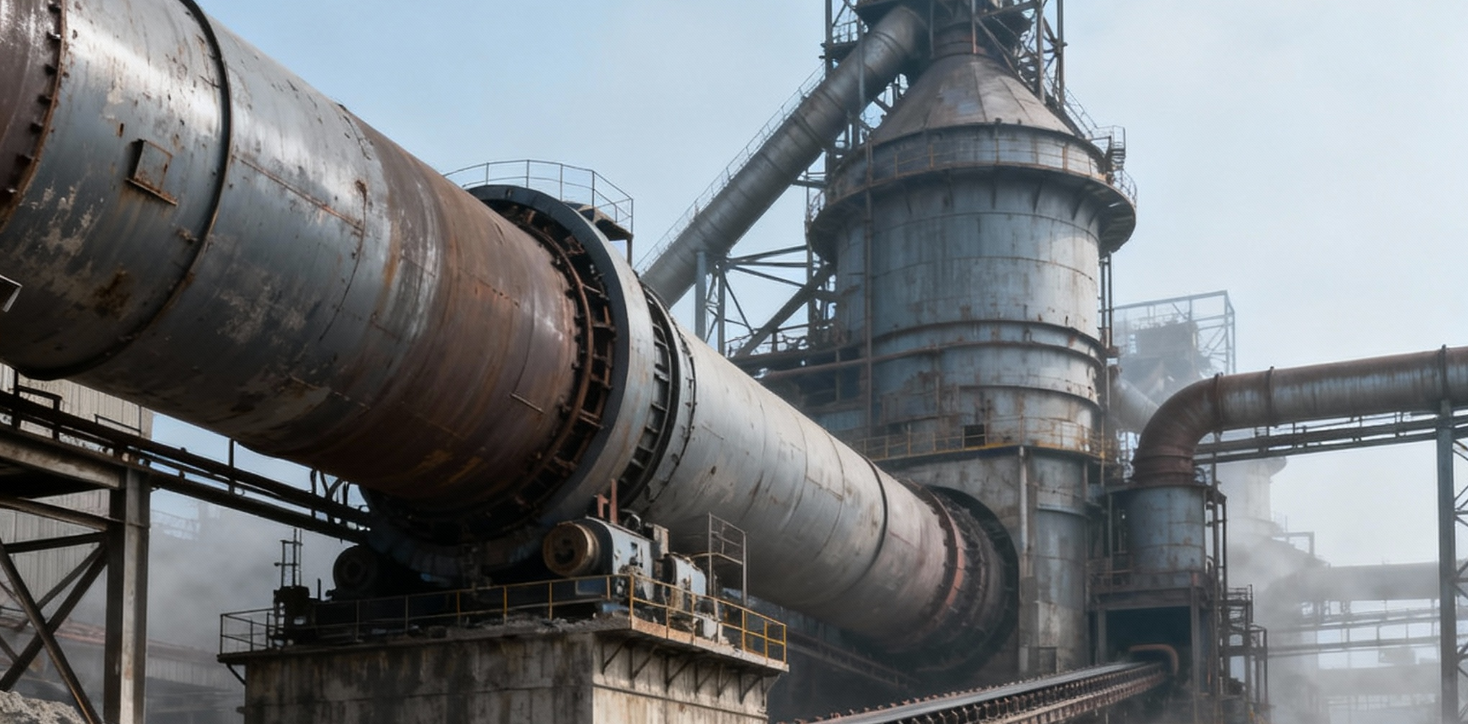
2. Unstable Operation of Rotary Kiln
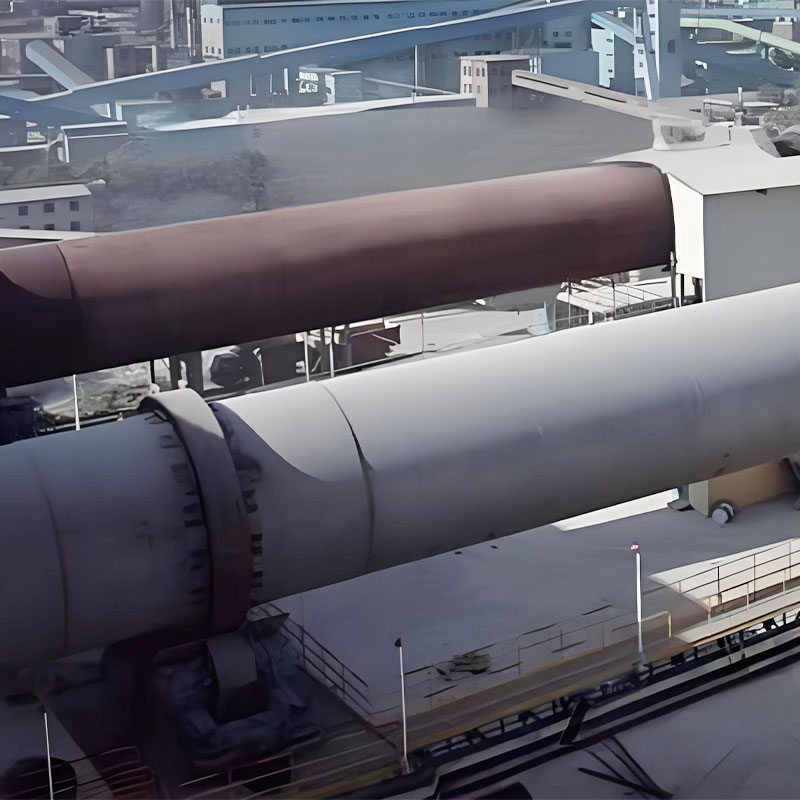
The rotary kiln is one of the core pieces of equipment in the cement production line, responsible for calcining raw materials into cement clinker. However, rotary kilns often encounter problems of unstable operation in actual operation, such as uneven kiln temperature, material accumulation, and unstable kiln lining, affecting the production process.
Solutions:
Balanced material proportioning: Ensure uniform feed proportioning to avoid material accumulation or excess in the kiln, which can cause uneven temperature distribution in the kiln. This can be achieved by optimizing the proportioning and feeding speed of raw materials.
Kiln temperature control: Adopt advanced temperature control technology to monitor the kiln temperature in real time, and adjust the fuel supply through an automated control system to ensure the uniformity and stability of the kiln temperature.
Regular cleaning and maintenance: Regularly clean and inspect the rotary kiln to prevent the formation of excessively thick or thin kiln lining, which affects the heat exchange efficiency and production stability.
3. Low Cement Grinding Efficiency
The cement grinding process is a crucial part of the production process. Low grinding efficiency not only increases power consumption but may also affect the final quality of the cement. Common causes include excessive mill load, wear of mill liners, and loss of grinding media.
Solutions:
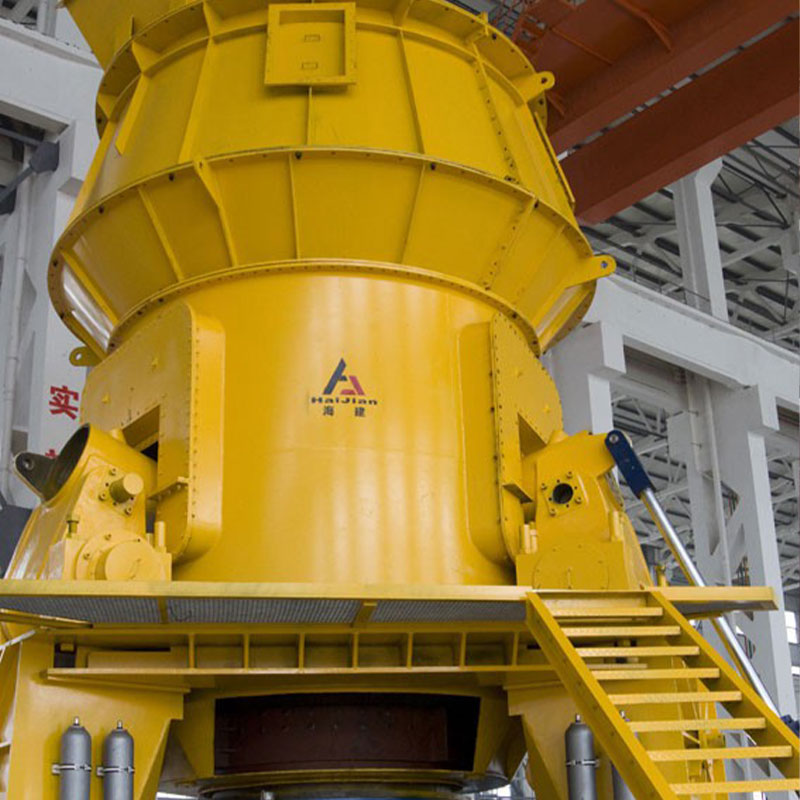
Optimize the grinding process: Select a suitable grinding process based on the properties and particle size requirements of the raw materials. For example, using a high-efficiency vertical mill instead of a traditional ball mill can improve grinding efficiency and reduce energy consumption.
Adjust grinding media: Replace or adjust the grinding media of the mill (such as steel balls, liners, etc.) to adapt to different production needs, thereby improving grinding efficiency.
Install high-efficiency classifiers: Install high-efficiency classifiers to ensure the fineness and uniformity of the ground material and improve grinding efficiency.
4. Excessive Power Consumption
Power consumption in cement production lines usually accounts for a large portion of production costs. Excessive power consumption not only increases production costs but may also affect the company's profitability. High power consumption is usually related to low equipment efficiency and improper operation.
Solutions:
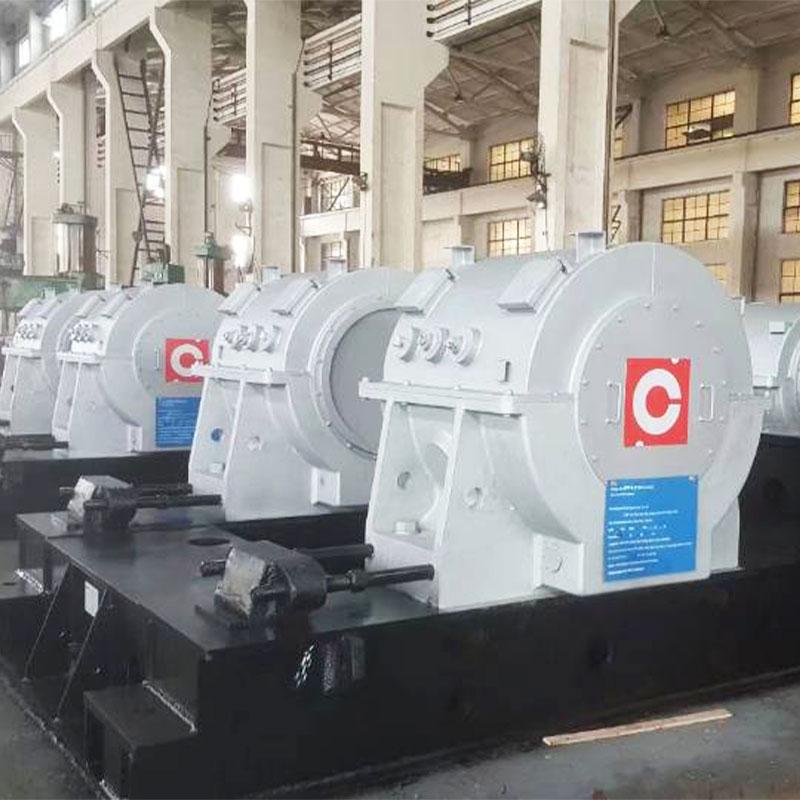
Replace with energy-efficient equipment: Invest in high-efficiency and energy-saving equipment, such as using high-efficiency vertical mills instead of ball mills, and using variable frequency motors and electronic control systems to optimize power usage and reduce energy consumption.
Optimize production processes: Reduce unnecessary energy consumption by optimizing the production process. For example, optimize the operation of crushing, grinding, and calcining processes to ensure that the equipment operates in the best condition.
Implement an energy efficiency management system: Install an energy efficiency monitoring system to monitor and analyze energy consumption at each stage in real time, identify energy waste points in a timely manner, and take corresponding measures for improvement.
5. Environmental Pollution Problems
During the cement production process, high-temperature calcination and dust emissions can lead to serious environmental pollution, especially the emission of dust, nitrogen oxides, and sulfur dioxide. With stricter environmental regulations, reducing emissions has become a challenge that companies must face.
Solutions:
Install environmental protection equipment: Install high-efficiency dust removal equipment, such as bag filters and electrostatic precipitators, to effectively reduce dust emissions.
Waste gas treatment system: Equip with waste gas treatment equipment for nitrogen oxides and sulfur dioxide, such as denitrification equipment and desulfurization devices, to reduce the pollution of the atmosphere by waste gas. Optimizing the Combustion Process: By optimizing the combustion control of the rotary kiln, combustion efficiency is improved, and the generation of harmful gases is reduced.
6. Frequent Equipment Failures and Downtime
Equipment failure is one of the most common problems in cement production lines. Equipment failures not only affect production progress but can also lead to high repair costs and downtime losses. The causes of equipment failure may be related to equipment aging, improper maintenance, or improper operation.
Solutions:
Regular Maintenance and Upkeep: Establish a comprehensive equipment maintenance plan, regularly inspect and maintain equipment, promptly identify potential fault hazards, and address them.
Improve Equipment Management: Through an equipment management system, monitor the operating status of equipment in real time, provide early warnings of potential failures, and prevent production stoppages due to equipment failures.
Employee Training: Strengthen employee training on operation and equipment maintenance, improve the standardization of employee operations, and reduce equipment failures caused by improper operation.
7. Product Quality Fluctuations
The quality of cement products directly affects market competitiveness. Quality fluctuations usually manifest as insufficient cement strength, abnormal setting time, and uneven particle size. The causes of quality fluctuations may be uneven raw materials, unstable production processes, or equipment failures.
Solutions:
Strict Control of Raw Material Quality: Select high-quality raw materials and conduct strict quality control to ensure the consistency and stability of raw materials.
Optimize Production Process: By adjusting production process parameters, such as controlling the rotary kiln temperature and grinding fineness, maintain the stability of the production process.
Automated Monitoring System: Adopt an advanced automated control system to monitor product quality indicators in real time and make timely adjustments during the production process.
In the long-term production process, cement production lines inevitably encounter various problems. By analyzing common problems and adopting effective solutions, companies can improve production efficiency, reduce costs, reduce environmental pollution, and ensure the stable quality of cement products.
Recommended Products
It is focused on the overall solution of dry bulk material port transfer system,
research and development, manufacturing, and service
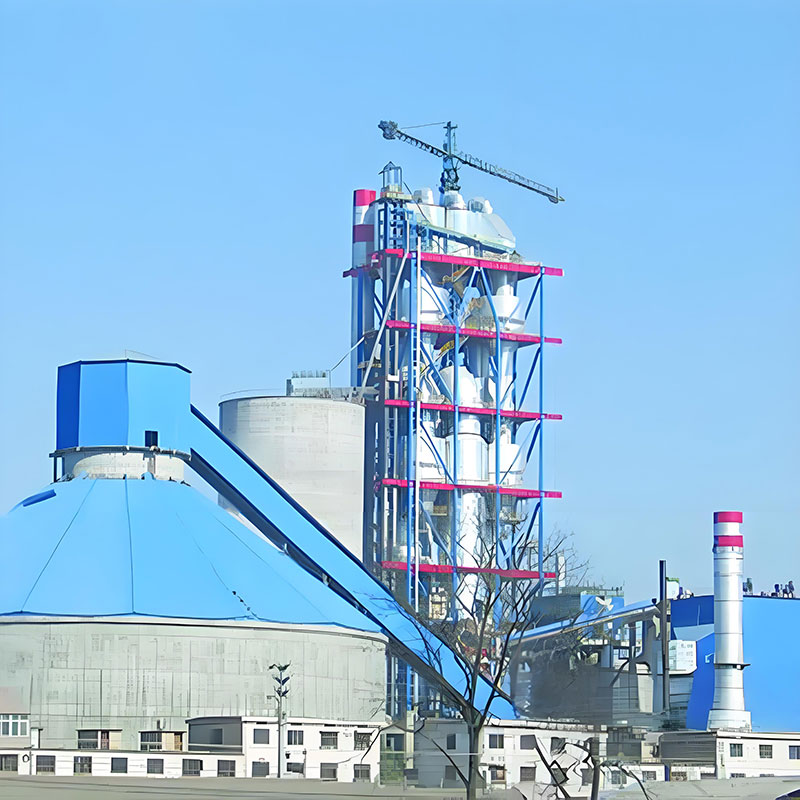
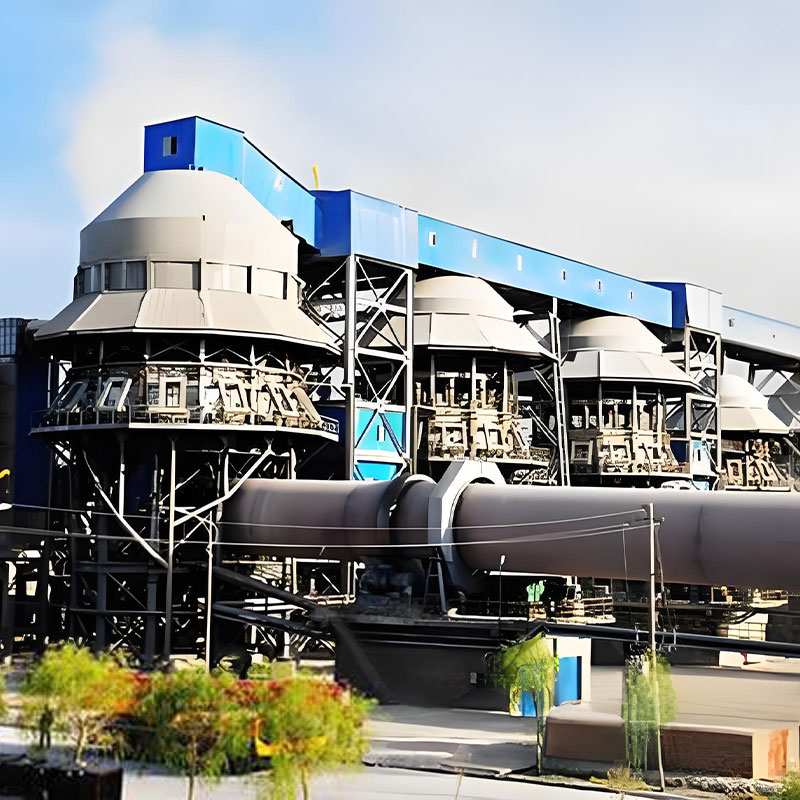
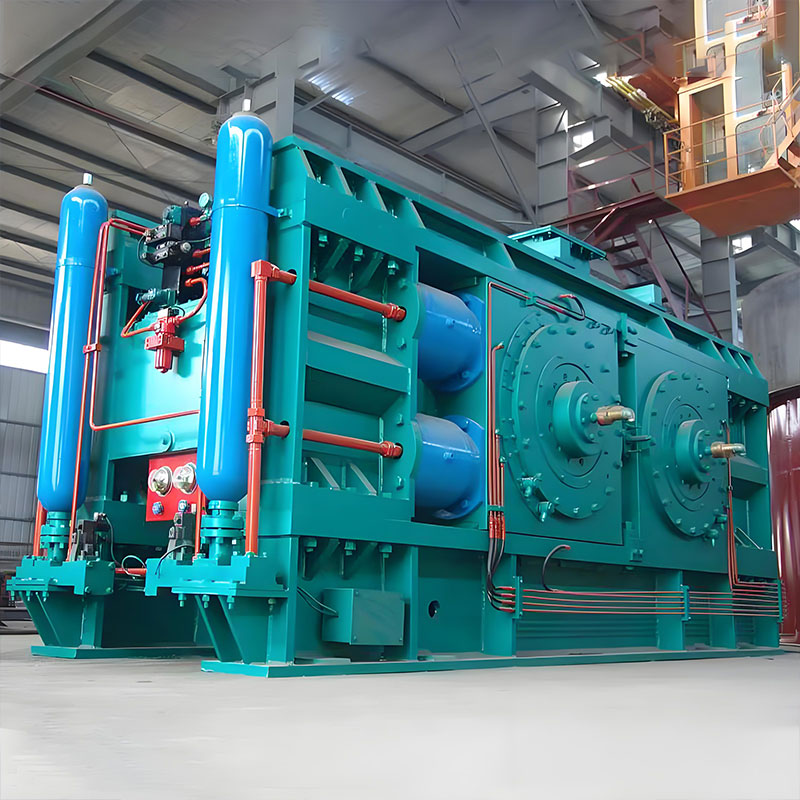
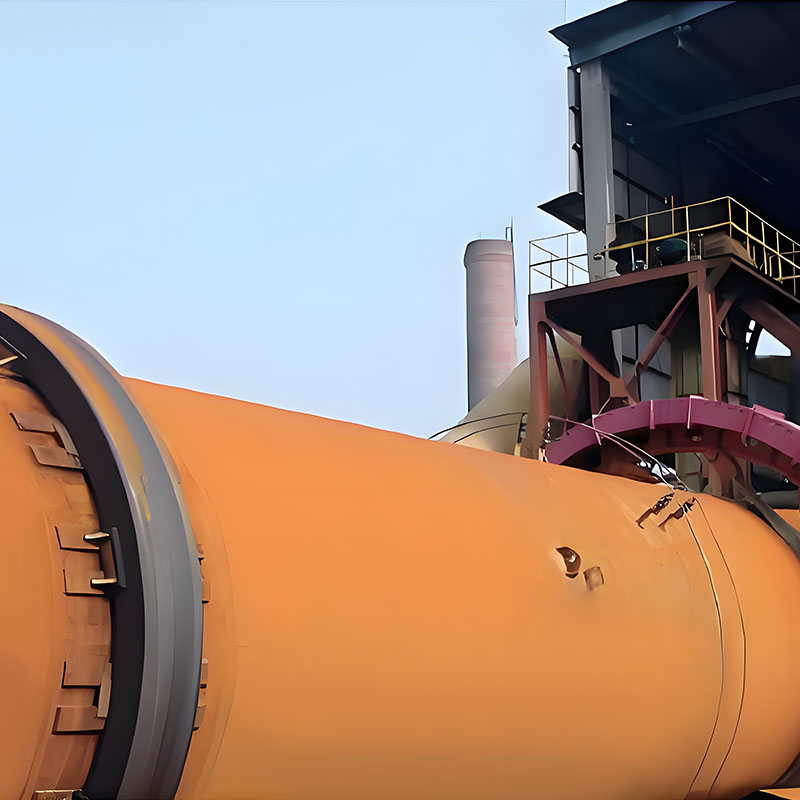

Optimized cement production solutions—reducing energy costs and increasing output efficiency.
- Product Category
- >Cement production line
- >Environment protection
- >Metallurgical and mining equipment
- >Pressure Vessel
- Quick Links
- >Products
- >Company
- >Equipments
- >Solutions
- >Services
- >News
- >Contact
- Contact us
-
-
 Call us for support+86 13584702563
 -
 Call us for supporthaijian@haijianstock.com
 -
 No. 198, Shuanglou Road, Qutang Town, Haian County, Jiangsu Province
-

