

 English
  русский
  Español
 How to Choose the Right Cement Production Line Equipment?
A cement production line is the core equipment for the production of building materials. Its performance and configuration directly affect production efficiency, product quality, and the economic benefits of the enterprise. Choosing the right cement production line equipment is not only crucial for improving production capacity and saving costs, but also relates to the company's performance in environmental protection and energy consumption. This article will guide you on how to choose the right cement production line equipment.
1. Understanding the Basic Components of a Cement Production Line
Before choosing the right cement production line equipment, you first need to understand the basic components of a cement production line. A cement production line usually consists of the following main parts:
Crushing system: Used to crush raw materials such as limestone to the required particle size.
Raw material grinding system: Used to grind the crushed raw materials into powder, usually using a ball mill or vertical mill.
Preheating and calcining system: Heats the raw materials to a high temperature to promote chemical reactions and produce cement clinker. This process requires a rotary kiln.
Clinker cooling system: Rapidly cools the high-temperature clinker to prevent excessive sintering.
Cement grinding system: Grinds the clinker with auxiliary materials such as gypsum into cement powder.
Packaging and conveying system: Packages the produced cement and transports it to the storage or shipping area.
Depending on the production scale and product requirements, different cement production lines may have different equipment configurations. When choosing the appropriate equipment, decisions need to be made based on the characteristics and needs of each stage.
2. Factors to Consider When Choosing Cement Production Line Equipment
(1) Production Scale and Output Requirements
Production scale is one of the primary factors in choosing cement production line equipment. Cement production line equipment can be divided into small, medium, and large production lines based on production capacity. If your production needs are small, you can choose a small production line, which can save initial investment costs. For large-scale enterprises, high-output, high-efficiency equipment is needed to meet large production demands.
Small production line: Suitable for small-scale production with an annual output of less than 100,000 tons.
Medium-sized production line: Suitable for medium-scale production with an annual output of 100,000 to 500,000 tons.
Large-scale production line: Suitable for large-scale production with an annual output of more than 500,000 tons.
(2) Equipment Technology Level
With the development of technology, the degree of automation and energy-saving effects of cement production line equipment are constantly improving. Choosing high-tech equipment can effectively improve production efficiency and reduce labor costs and energy consumption. Common technological innovations include automated control systems, advanced kiln technology, and energy-efficient grinding mills.
Automated control systems: Advanced control systems enable real-time monitoring and adjustment of the production process, improving production efficiency and reducing human error.
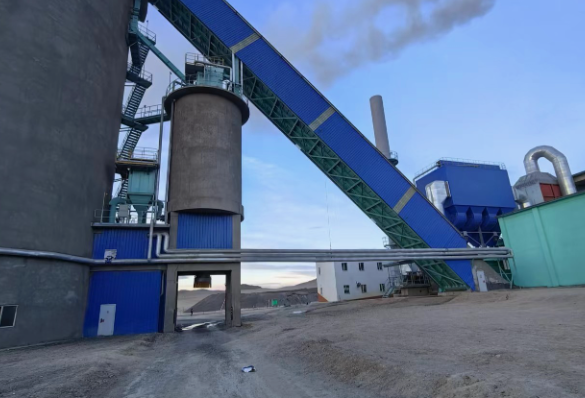
Energy-saving equipment: Modern cement production lines mostly use high-efficiency and energy-saving equipment, such as vertical mills, preheaters, and new rotary kilns. These devices play a vital role in reducing energy consumption.
(3) Energy-saving and environmental performance of equipment
Energy saving and environmental protection have become important factors that must be considered when selecting cement production line equipment. With the continuous strengthening of global environmental regulations, companies need to choose equipment that meets environmental requirements to avoid legal risks and economic losses due to excessive emissions.
Low-energy consumption equipment: Choose high-efficiency grinding mills, kilns, and preheating systems, which can significantly reduce electricity and fuel consumption.
Waste gas treatment system: Modern cement production lines should be equipped with advanced waste gas treatment systems, such as desulfurization and denitrification equipment, to ensure that emissions meet environmental standards.
Wastewater and waste treatment: The cement production process generates a certain amount of wastewater and waste. Choosing a production line with a waste recycling system can reduce environmental pollution.
(4) Ease of maintenance and operation of equipment
The ease of maintenance and operation of equipment directly affects the long-term operating efficiency of the production line. Choosing equipment that is easy to operate and maintain can not only reduce production line downtime but also reduce production losses caused by equipment failures.
Ease of operation: Choose equipment with a high degree of automation and a user-friendly interface to reduce the difficulty of operation for workers.
Convenient maintenance system: The equipment should have quick troubleshooting and repair functions, and the easily damaged parts should be easy to replace.
Reliable after-sales service: When choosing equipment suppliers, ensure that they provide timely technical support and after-sales service so that problems can be solved quickly when they arise.
(5) Equipment quality and brand reputation
Equipment quality is a key factor in ensuring stable and efficient production. Choosing reputable brands and reliable equipment can reduce the failure rate and ensure the long-term stability of production.
Well-known brands: Choose equipment from well-known brands in the industry. These brands usually have higher quality assurance and technical support.
Long-term cooperation: Establish a long-term cooperative relationship with equipment suppliers to ensure equipment quality and after-sales service.
(6) Equipment cost and return on investment
When choosing equipment, the initial investment and long-term operating costs of the equipment must also be considered. The purchase cost of equipment is only the first step; subsequent maintenance, energy consumption, and operating costs are also important factors to consider. A comprehensive cost analysis is necessary to ensure a return on investment.
Initial investment: Choose cost-effective equipment, considering not only the price but also its technical performance and energy efficiency.
Operating costs: Choose energy-efficient and easy-to-maintain equipment to reduce long-term operating costs.
Return on investment: Evaluate the equipment's payback period based on the actual production capacity of the production line and market demand.
3. Common Types of Cement Production Line Equipment and Their Characteristics
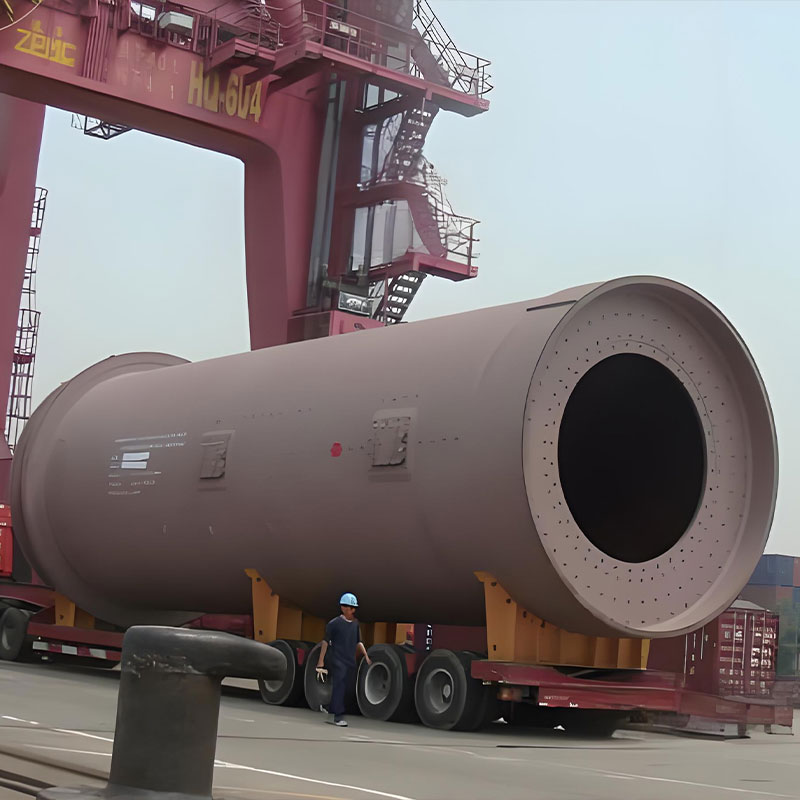
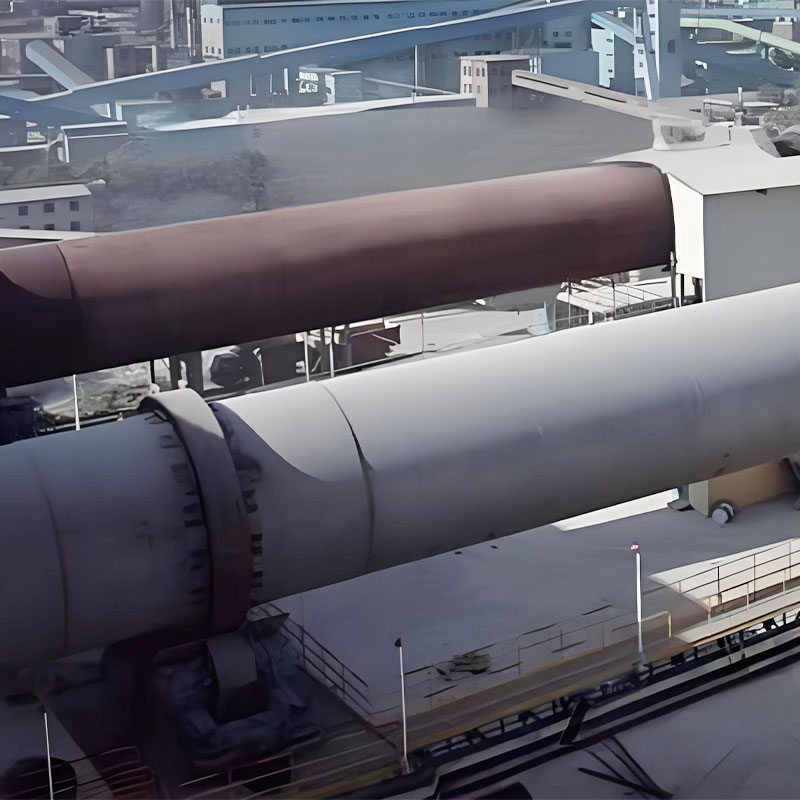
(1) Rotary Kiln
The rotary kiln is one of the most critical pieces of equipment in a cement production line, used to calcine raw materials into clinker. Choosing the right rotary kiln requires determining its size and type based on production scale and energy requirements.
Characteristics: High temperature resistance, suitable for large-scale cement production.
Selection suggestion: Choose a high-efficiency, energy-saving rotary kiln to reduce fuel consumption and improve production efficiency.
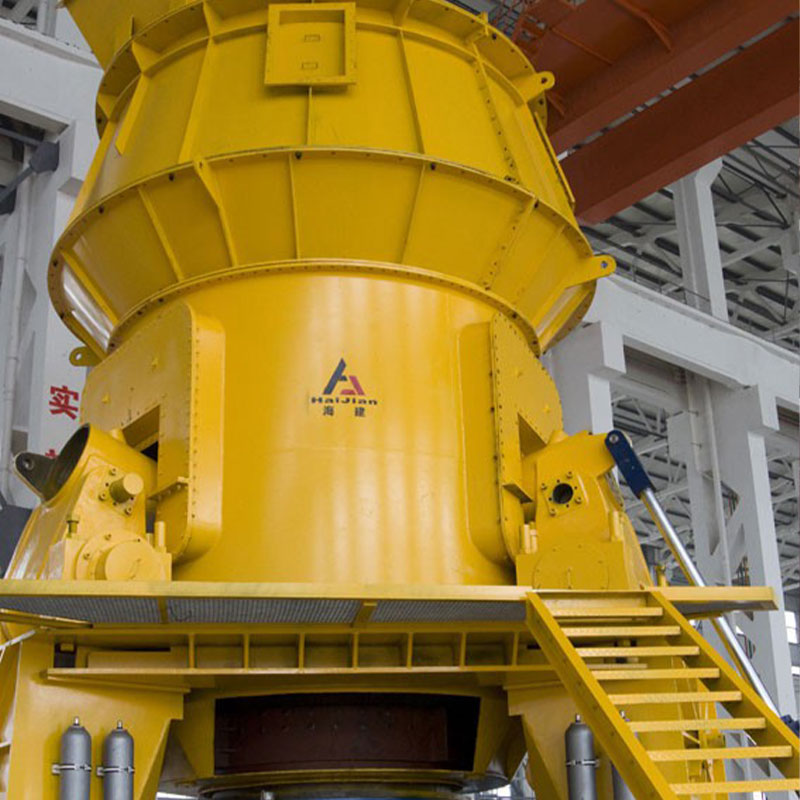
(2) Vertical Mill
The vertical mill is a commonly used grinding equipment in cement production lines, characterized by high efficiency and energy saving. Compared with traditional ball mills, vertical mills have higher grinding efficiency and lower energy consumption.
Characteristics: High efficiency and energy saving, suitable for large-scale cement production.
Selection suggestion: Choose a high-pressure vertical mill, which can complete the grinding of large-particle raw materials in a shorter time, reducing energy consumption.
(3) Preheater
The preheater is used to increase the temperature of raw materials, reducing the burden on the rotary kiln. Choosing the right preheater can effectively improve energy utilization and reduce fuel consumption.
Characteristics: Improves thermal efficiency and reduces energy consumption.
Selection suggestion: Choose a multi-stage preheater to improve heat recovery rate and reduce heat loss.
(4) Packaging System
The packaging system is used to package the produced cement into bags for easy storage and transportation. Choosing the right packaging system can improve the automation level of the production line and reduce labor costs.
Characteristics: High efficiency and automation, reducing manual intervention.
Selection suggestion: Choose a high-speed, high-precision automatic packaging system to ensure packaging quality and production efficiency.
Choosing the right cement production line equipment is crucial for ensuring the efficiency, quality, and cost control of cement production. Factors such as production scale, technical level, energy saving and environmental protection, ease of maintenance, equipment quality and brand reputation, and return on investment all need to be considered comprehensively. When selecting equipment, it is important to configure the equipment rationally based on specific production needs to ensure the long-term stable operation and sustainable development of the cement production line.
Recommended Products
It is focused on the overall solution of dry bulk material port transfer system,
research and development, manufacturing, and service
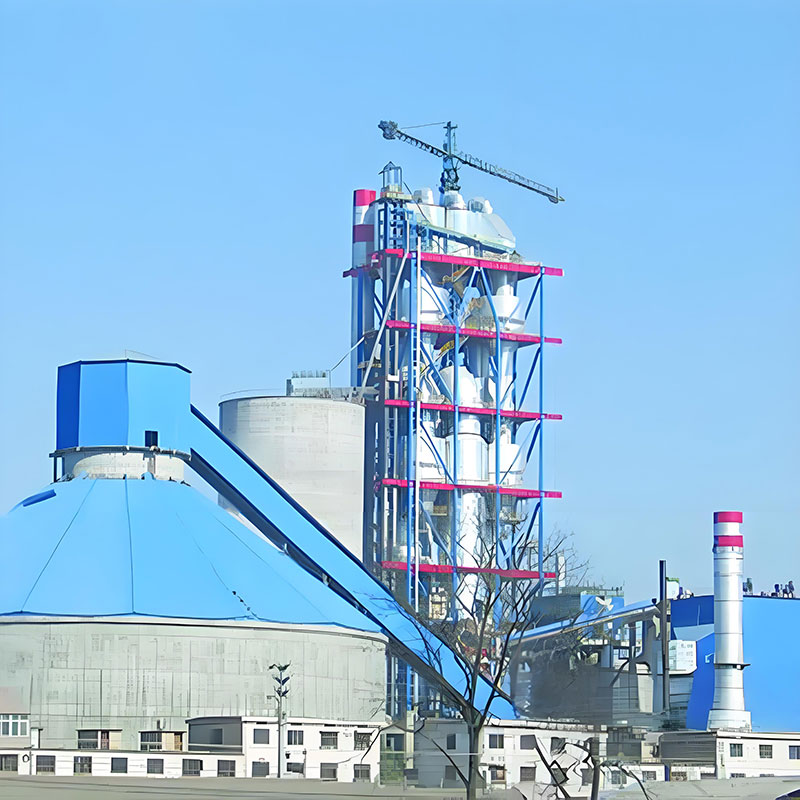
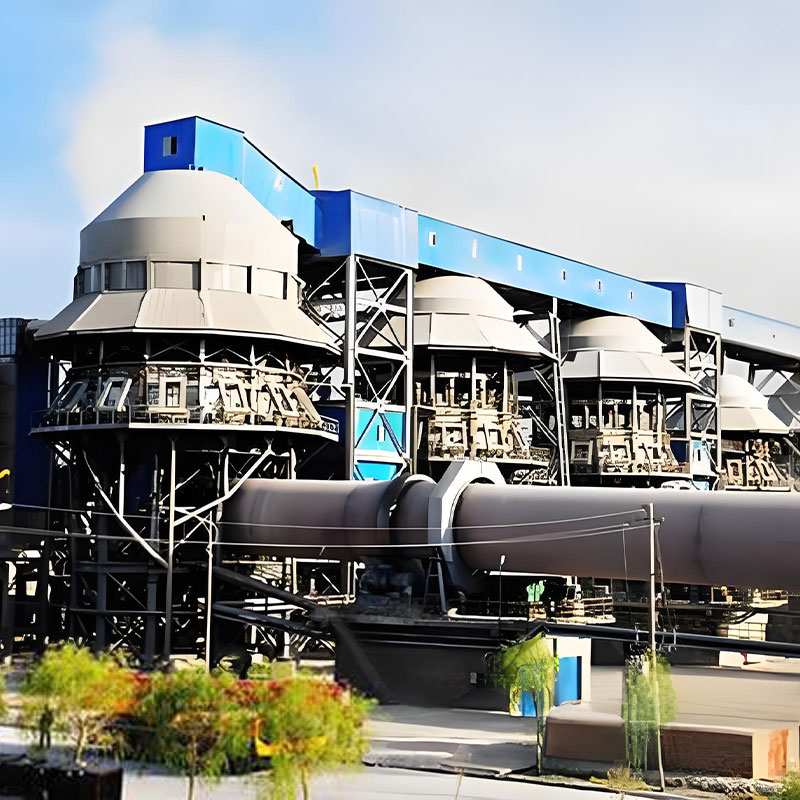
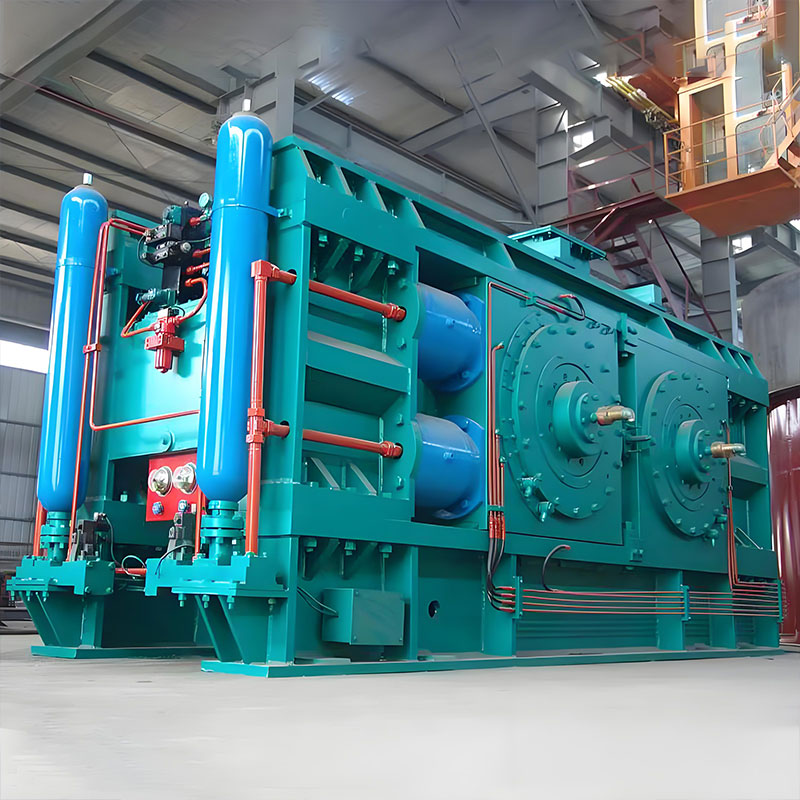
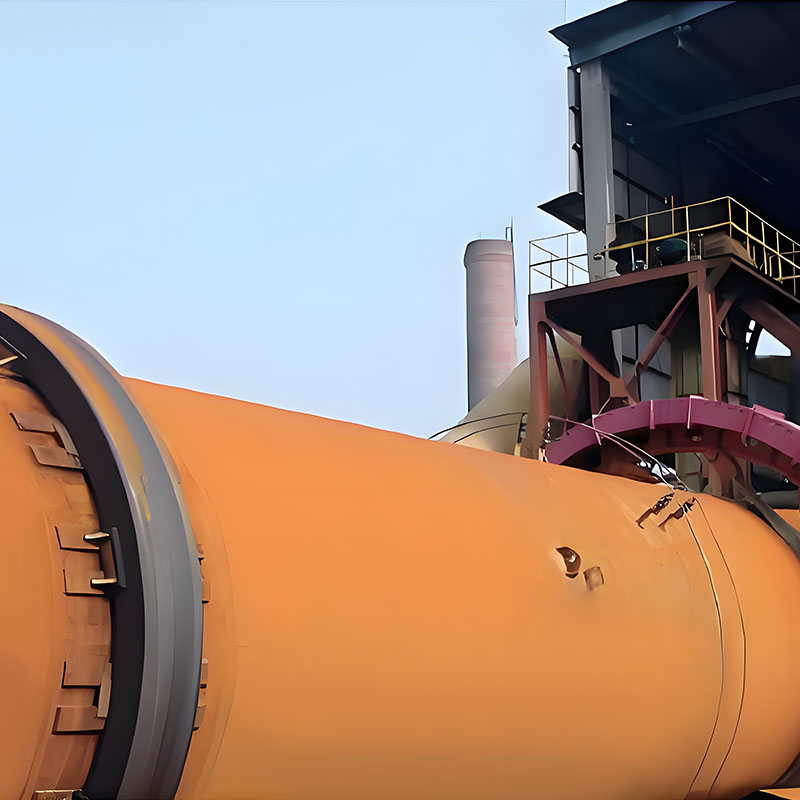

Optimized cement production solutions—reducing energy costs and increasing output efficiency.
- Product Category
- >Cement production line
- >Environment protection
- >Metallurgical and mining equipment
- >Pressure Vessel
- Quick Links
- >Products
- >Company
- >Equipments
- >Solutions
- >Services
- >News
- >Contact
- Contact us
-
-
 Call us for support+86 13584702563
 -
 Call us for supporthaijian@haijianstock.com
 -
 No. 198, Shuanglou Road, Qutang Town, Haian County, Jiangsu Province
-

