

 English
  русский
  Español
 How does a complete cement production line operate?
Cement, as an indispensable material in infrastructure construction, has its quality and output directly affecting project progress and structural safety. The stable production of cement relies on a scientific, continuous, and efficient cement production line. For many non-professionals, a cement production line may seem complex, but in fact, each stage has a clear division of labor and logic.
1. Raw Material Mining and Primary Crushing
The main raw materials for cement production include limestone, clay, sandstone, and a small amount of corrective materials. These raw materials are usually transported to the crushing system of the production line after being mined from the quarry. The function of the crushing equipment is to crush large pieces of raw materials into a particle size suitable for subsequent processing, facilitating transportation and further processing.
This stage is very important for the stable operation of the cement production line. If the raw material particle size is uneven, it will directly affect the efficiency and energy consumption of subsequent processes.
2. Raw Material Pre-homogenization and Batching
The crushed raw materials do not directly enter the next step, but require pre-homogenization treatment. Through the stacking and reclaiming system, different batches and components of raw materials are thoroughly mixed to reduce compositional fluctuations.
Subsequently, the cement production line will precisely batch the limestone, clay, and other raw materials according to the formula requirements. Scientific batching ratios are the basis for ensuring stable cement quality.
3. Raw Material Grinding and Raw Meal Preparation
After batching, the raw materials enter the grinding system. Here, the raw materials are ground into raw meal powder with the required fineness. The grinding process not only determines the fineness of the raw meal but also affects the reaction efficiency of subsequent calcination.
Modern cement production lines mostly use high-efficiency grinding equipment to reduce energy consumption, increase output, and ensure the uniformity of the raw meal composition.
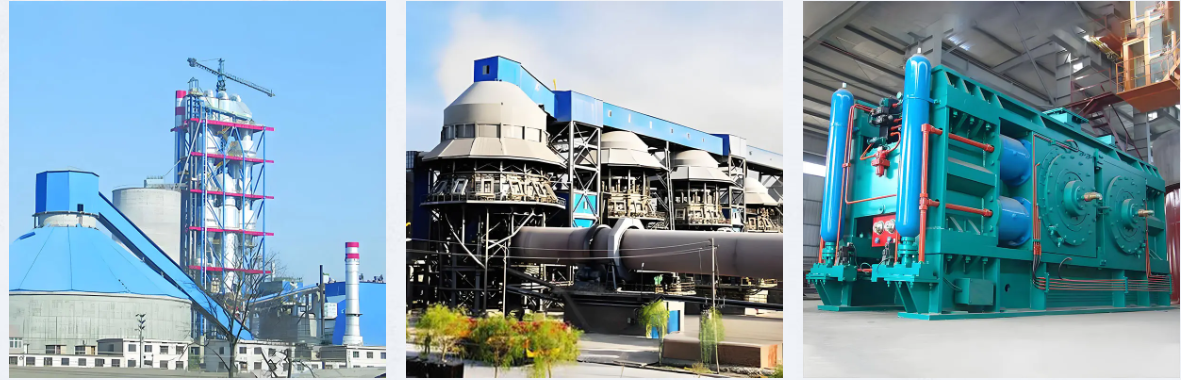
4. Raw Meal Homogenization and Transportation
The ground raw meal usually enters the raw meal homogenization silo. In the homogenization silo, the raw meal is mixed again through pneumatic or mechanical means to make its composition more stable.
The homogenized raw meal is continuously and stably transported to the preheater system through the conveying system, preparing for the next step of high-temperature calcination.
5. Preheating and Calcination to Form Clinker
The preheater is one of the key pieces of equipment in a cement production line. Before entering the rotary kiln, the raw materials undergo heat exchange with high-temperature flue gas in the preheater, gradually increasing in temperature. This process effectively recovers heat energy and reduces overall energy consumption.
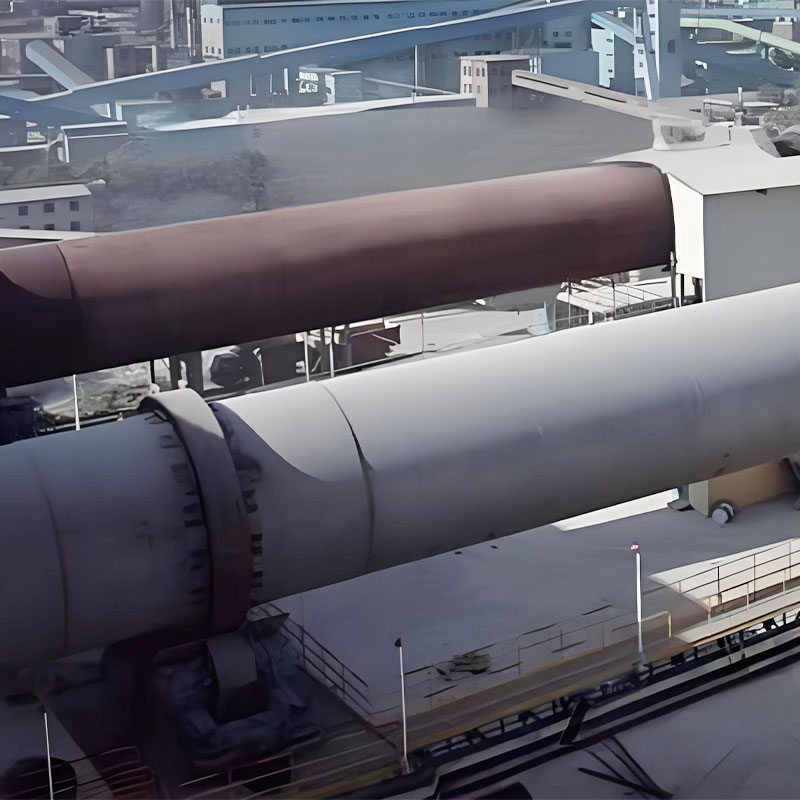
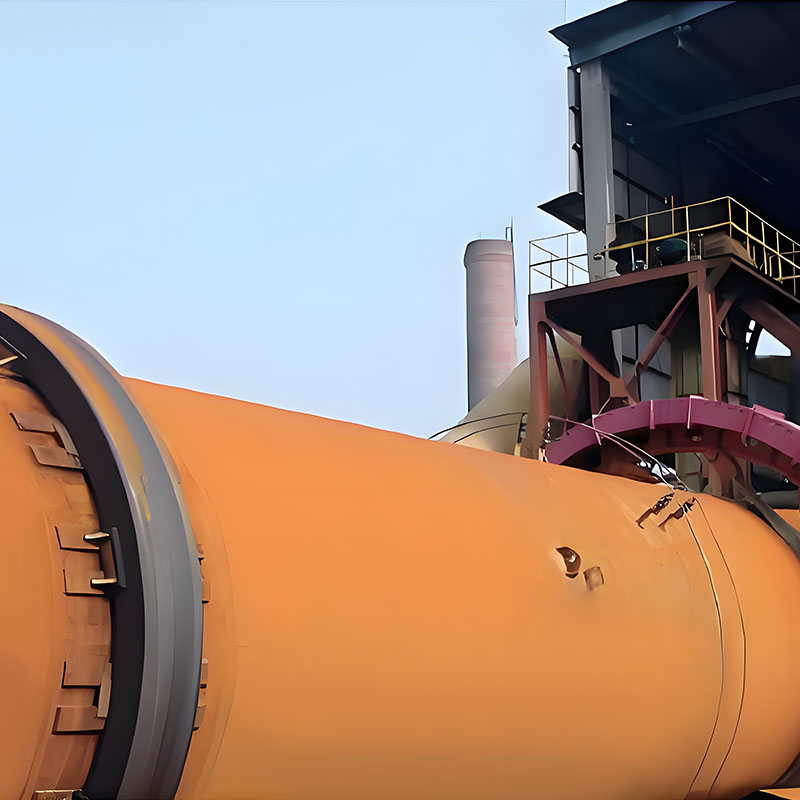
Subsequently, the raw materials enter the rotary kiln, where complex physical and chemical reactions occur under high-temperature conditions, ultimately forming cement clinker. This is the most critical and technically demanding stage in the cement production line.
6. Clinker Cooling and Storage
The clinker just out of the rotary kiln is at an extremely high temperature and needs to be cooled rapidly. The cooling process not only helps improve clinker quality but also recovers some heat energy for use in other production stages.
The cooled clinker is then transported to the clinker silo for storage, awaiting the next process.
7. Cement Grinding and Finished Product Preparation
In the cement grinding stage, the clinker, along with an appropriate amount of gypsum and other admixtures, enters the grinding equipment. Through fine grinding, the final cement product meeting standard requirements is produced.
This stage determines key indicators such as cement fineness and strength development performance, and is a very important part of the cement production line.
8. Finished Product Storage and Packaging and Shipment
The finished cement product is stored in the cement silo. Depending on market demand, the cement can be packaged and shipped in bulk or in bags. The application of automated packaging systems has greatly improved shipping efficiency and reduced labor costs.
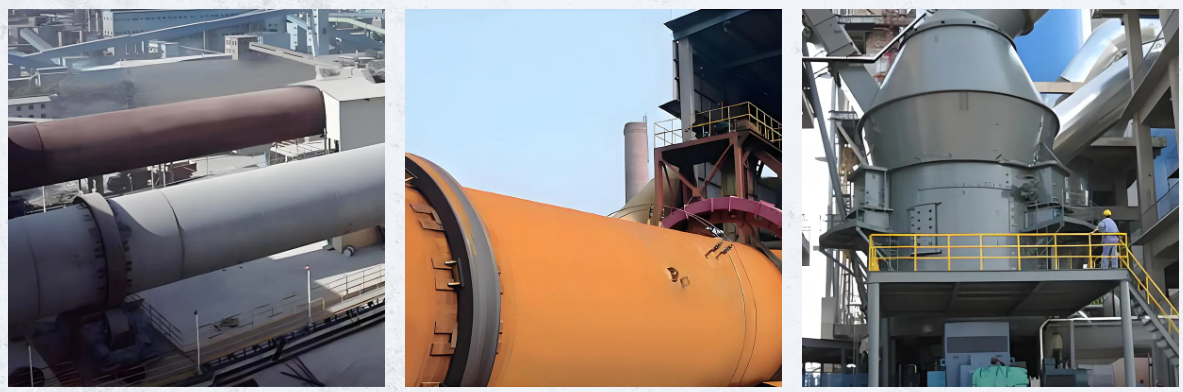
9. Overview of Main Processes in a Cement Production Line
To provide a clearer understanding of the role of each stage, the main processes of a complete cement production line are summarized in the table below:
| Process Stage | Main Function | Key Equipment |
| Raw Material Crushing | Reduce particle size for easier handling | Crusher |
| Pre-homogenization & Proportioning | Stabilize raw material composition | Stacker-reclaimer, dosing system |
| Raw Material Grinding | Produce raw meal | Raw mill |
| Raw Meal Homogenization | Improve composition uniformity | Raw meal blending silo |
| Calcination | Form cement clinker | Preheater, rotary kiln |
| Clinker Cooling | Reduce temperature and recover heat | Cooler |
| Cement Grinding | Produce finished cement | Cement mill |
| Packing & Dispatch | Deliver finished product | Packing machine, conveying system |
A complete cement production line is a system engineering project consisting of multiple closely connected and continuously operating processes. From raw material extraction to finished product shipment, every stage directly affects the quality, output, and energy consumption level of the cement.
Recommended Products
It is focused on the overall solution of dry bulk material port transfer system,
research and development, manufacturing, and service
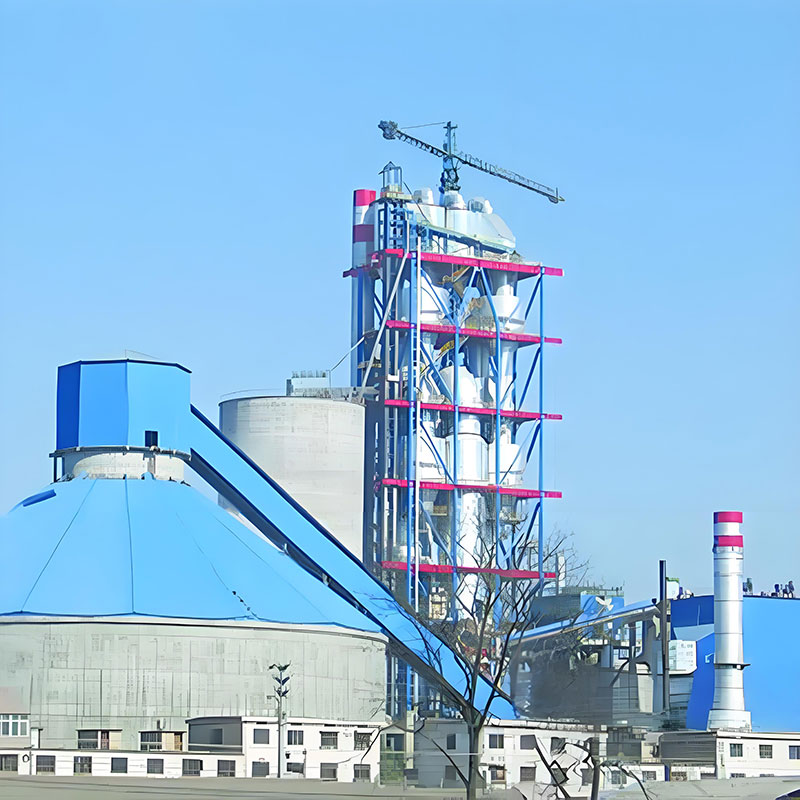
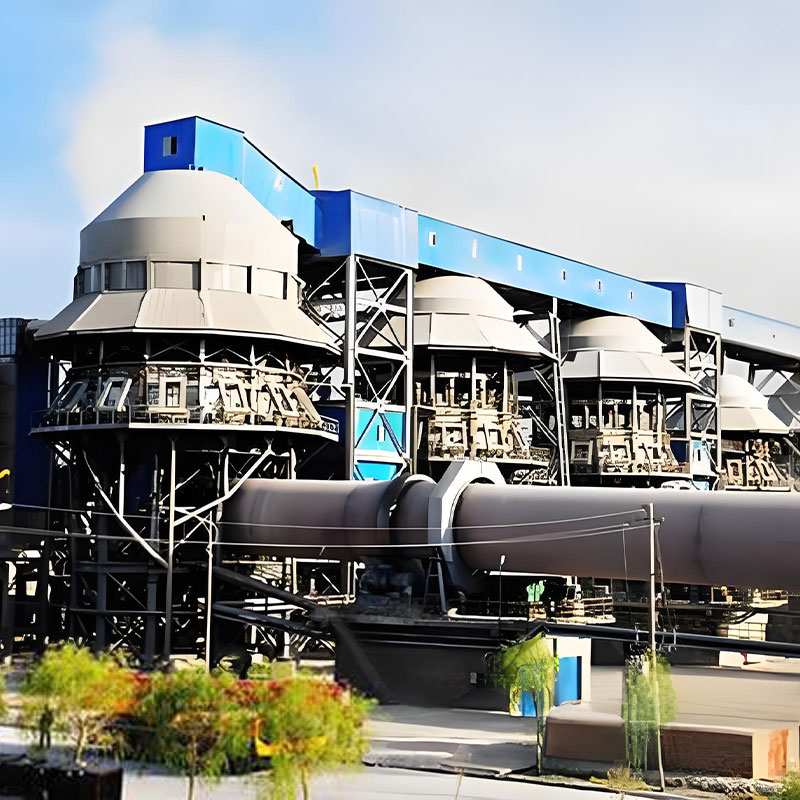
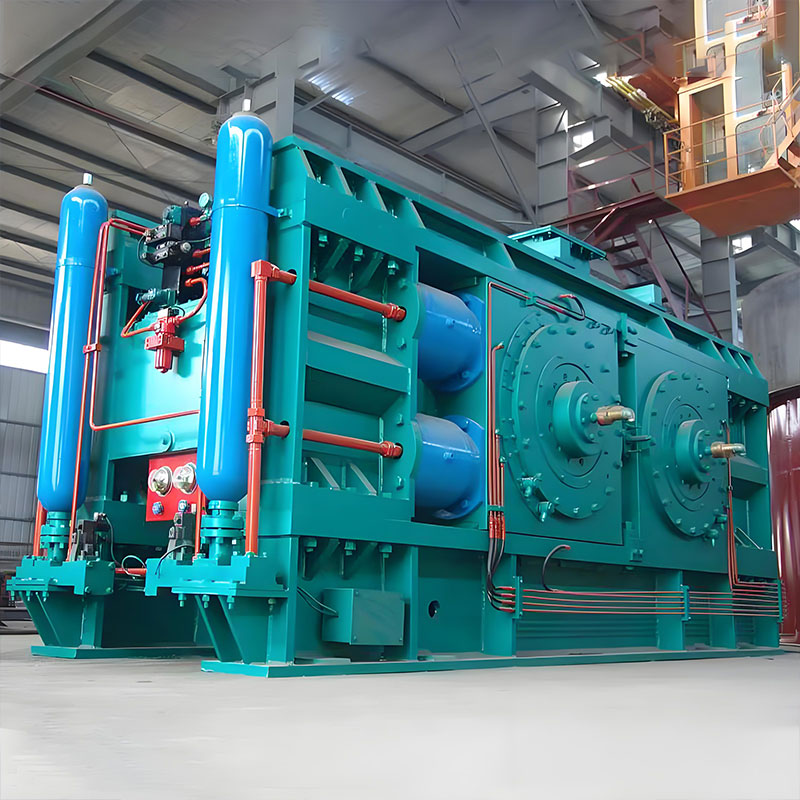
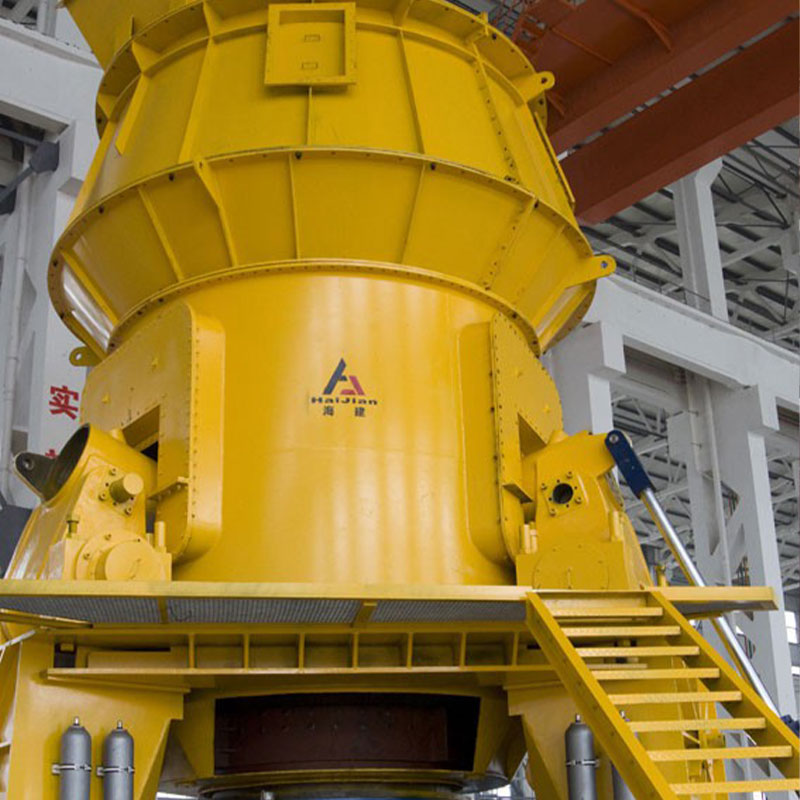
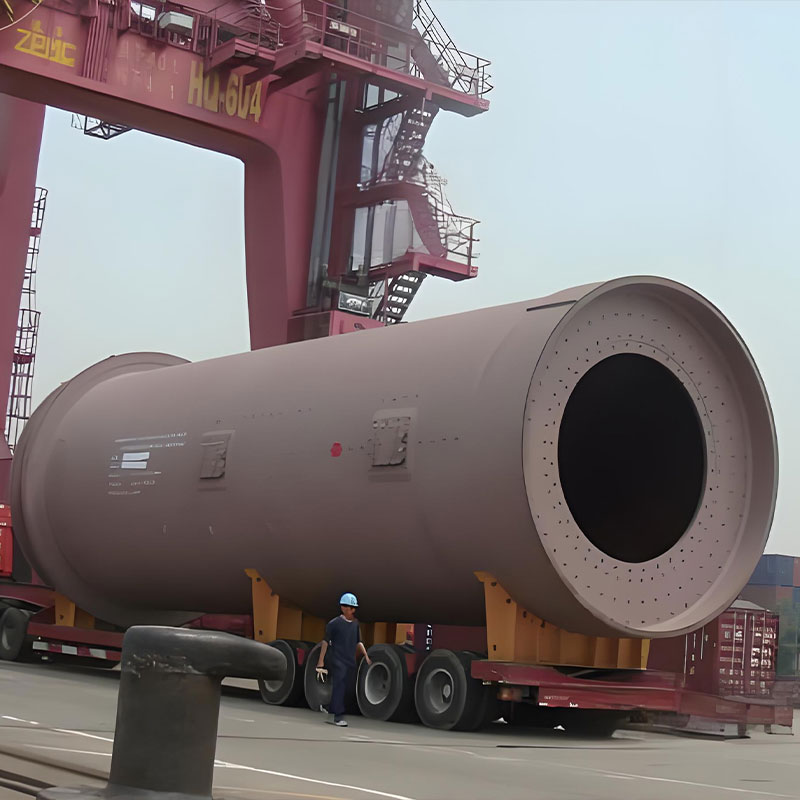
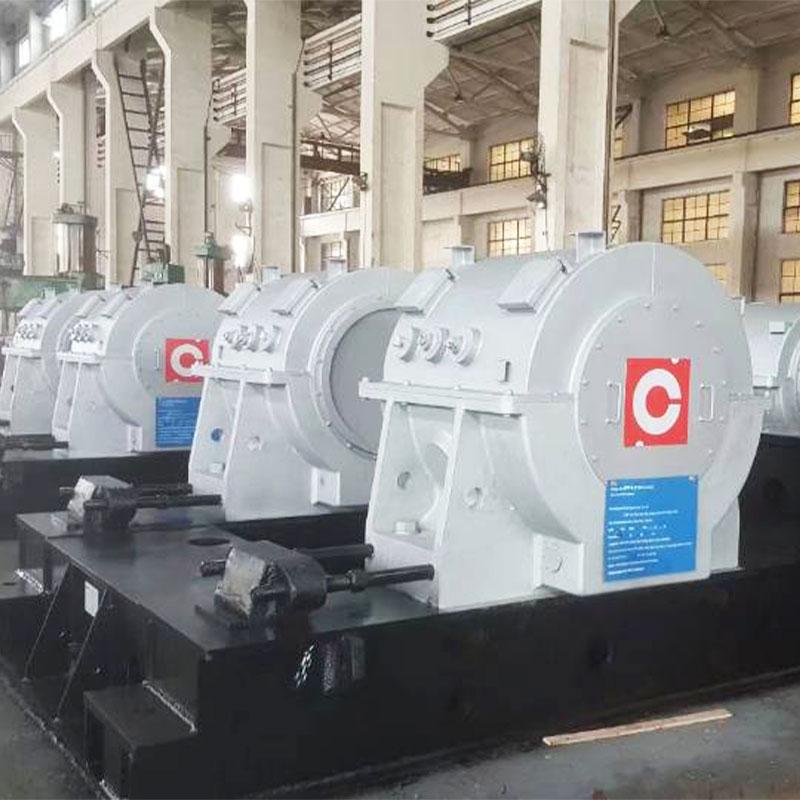

Optimized cement production solutions—reducing energy costs and increasing output efficiency.
- Product Category
- >Cement production line
- >Environment protection
- >Metallurgical and mining equipment
- >Pressure Vessel
- Quick Links
- >Products
- >Company
- >Equipments
- >Solutions
- >Services
- >News
- >Contact
- Contact us
-
-
 Call us for support+86 13584702563
 -
 Call us for supporthaijian@haijianstock.com
 -
 No. 198, Shuanglou Road, Qutang Town, Haian County, Jiangsu Province
-

