
 English
 русский
 Español
Industry News
Home / News / Industry News / Chemical Composition of Cement Kiln Dust: Key Oxides, Salts and Variability
A baghouse sample of cement kiln dust (CKD) can look like pale grey flour, yet two drums from the same plant may behave nothing alike. One may contain 15–20% free lime and enough chloride to rule out cement blending; another may be mostly unreacted raw meal. The difference is not an accident. CKD is a mixture of raw feed, partially calcined material, clinker dust, free lime and volatile alkali salts, and its chemical composition of cement kiln dust shifts with the collection point, kiln operation, raw meal, fuel and bypass strategy.
For a plant team, the useful conclusion comes first: treat CKD as a stream-specific material, not a fixed by-product. Ask where it was collected, how it was composited, and whether the laboratory reported free lime separately from total calcium oxide. Those three details explain more about performance than a single oxide total.
Content
A cement kiln dust analysis is easier to read when it is broken into the four materials that usually make up the sample:
Two CKD samples can both report 45% total CaO and still behave differently. One may carry 20% free lime and little chloride; the other may carry 8% free lime and 6% chloride. The first is a stronger candidate for neutralisation or raw-meal substitution. The second may need a bypass, washing or controlled disposal route because chloride and alkali recirculation can build up in the kiln system.
The ranges below are indicative rather than a specification. They reflect common dry-process cement kiln dust analyses, but a plant-specific composite sample is the only reliable basis for purchasing, blending or environmental decisions.
| Component | Often reported around | Practical reading |
|---|---|---|
| Total CaO | 35–60% | Main alkaline component; high values suggest carbonate-derived dust and free lime potential. |
| Free lime | 5–25% | Reactive and expansive; useful for pH control but risky in volume-stable bound applications. |
| SiO2 | 10–20% | Raw meal and clinker signal; contributes to potential hydraulic phases after firing. |
| Al2O3 | 3–8% | Clay-derived oxide; affects melt phase and clinker chemistry if returned to the kiln. |
| Fe2O3 | 1–5% | Fluxing oxide; useful in raw meal, but only within the plant's mix design. |
| MgO | 1–4% | Usually moderate; high values need checking against cement soundness limits. |
| SO3 | 1–15% | Can be beneficial as a sulfate source, but adds to the cement SO3 balance. |
| K2O + Na2O | 1–12% | Alkali load; affects kiln buildup, low-alkali cement limits and alkali-silica risk. |
| Chloride | 0.5–10% | Critical reuse constraint; chloride recirculation causes corrosion and preheater blockage. |
| LOI | 10–30% | Carbonate, moisture and hydration signal; high LOI lowers useful cementitious content. |
| Trace metals | ppm to low % | Chromium, lead, nickel and zinc require leaching and total-content checks for disposal or soil use. |
The first split is physical. Dust collected at the kiln inlet or rising duct is fine and volatile-rich. Bypass dust is usually the most concentrated in chloride and alkali salts. Baghouse and electrostatic precipitator dusts carry the fine fraction that escaped the preheater. Cooler dust is coarser, richer in clinker minerals and generally lower in chloride. A single “CKD” certificate that does not identify the collection point is difficult to use.
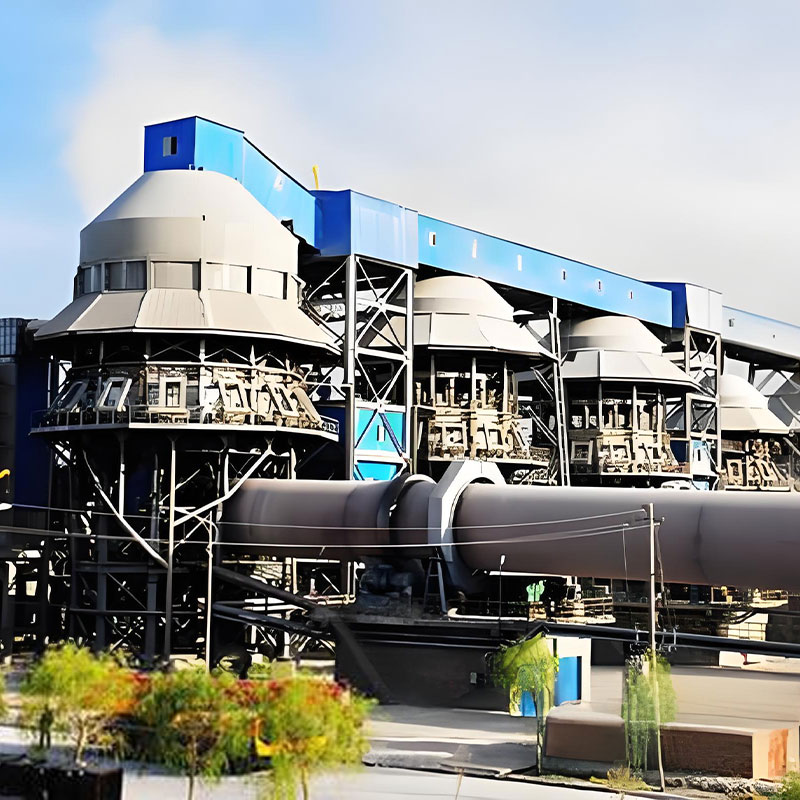
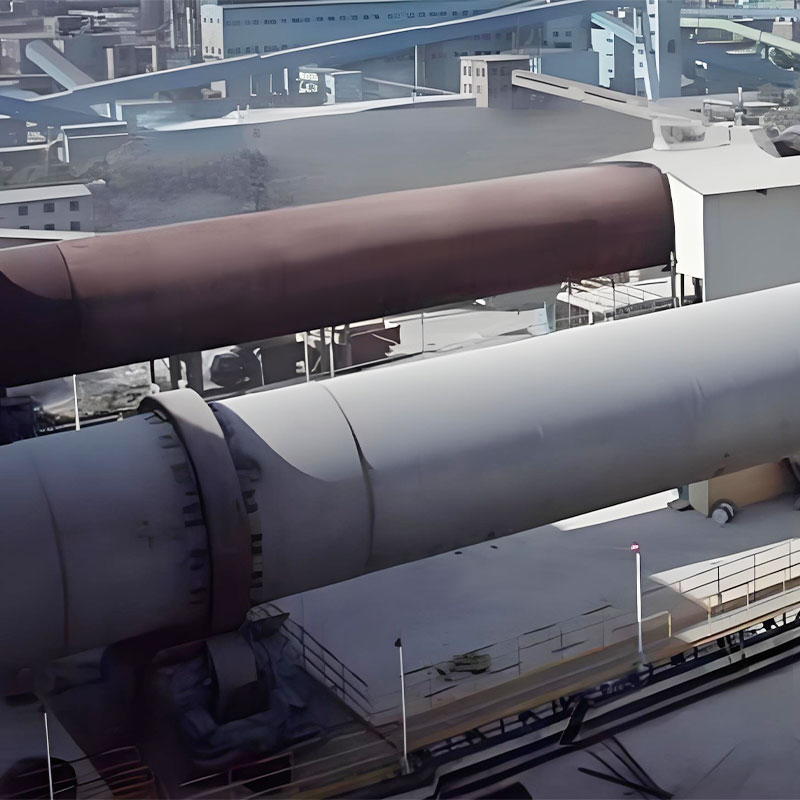
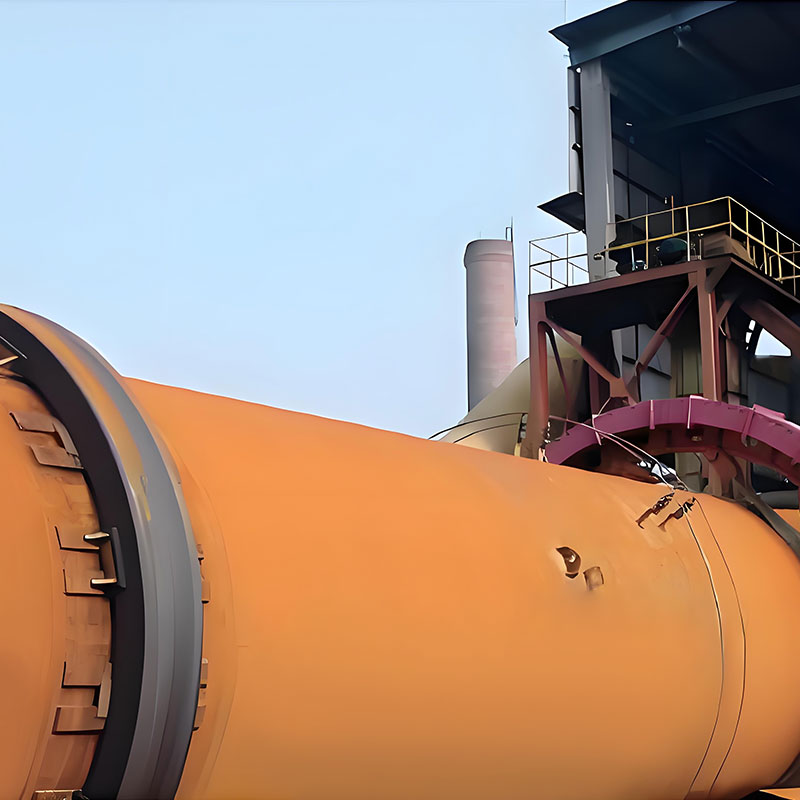
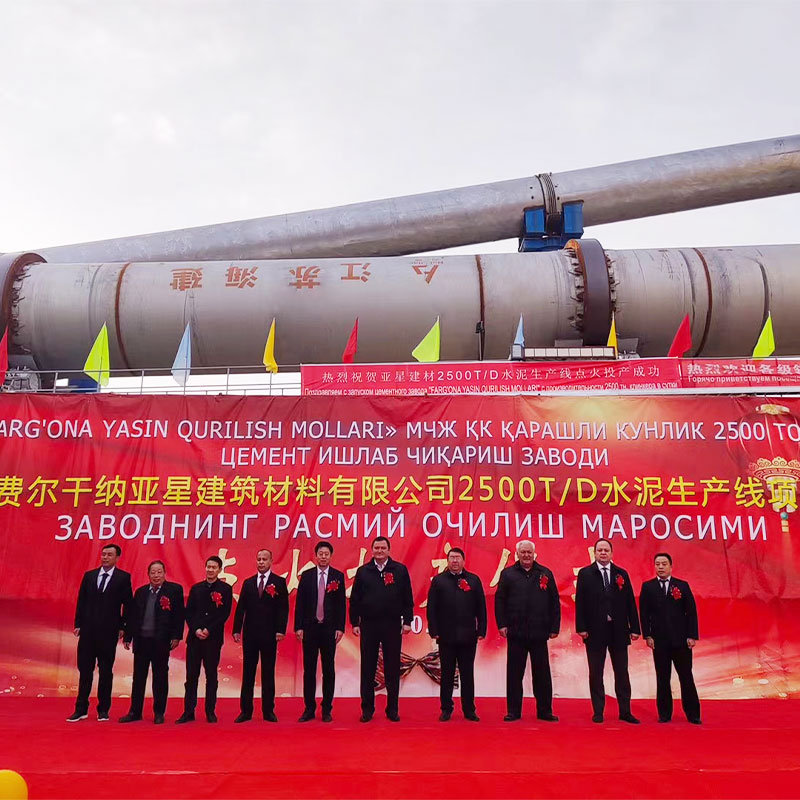 Rotary Kiln for Clinker and Industrial CalcinationThis rotary kiln overview covers inclined cylinder operation, combustion monitoring and temperature control, relevant when evaluating kiln-related dust variability.View Product →
Kiln operation adds a second layer of variation. Unstable feed, high sulfur fuel, reduced kiln atmosphere or a changed bypass rate can move the salt balance within hours. Rotary kiln and preheater design also influence where volatiles condense and how much dust returns to the feed end.
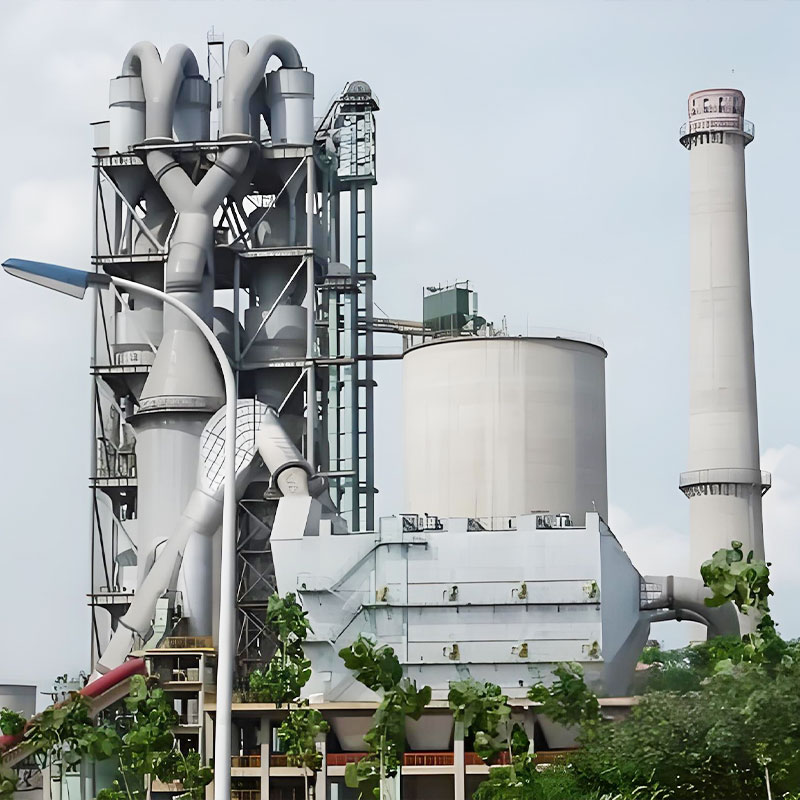 Cement Preheater with Multi-Stage Cyclone Heat ExchangeConsult this preheater overview for cyclone-stage arrangement, calciner decomposition and temperature profiles that shape kiln-tail dust and volatile behavior.View Product →
For routine control, sample each dust stream separately, then prepare a weighted composite only after the stream map is clear. Sampling location, probe depth and whether the sample was taken during stable operation should be written on the label.
Chloride is often the deciding number. Cement for reinforced concrete is commonly limited to about 0.10% chloride as Cl−; CKD can contain several percent. Alkali limits for low-alkali cement are often around 0.60% Na2O equivalent, and sulfate limits vary by cement type but usually sit near 3.5–4.0% SO3. When CKD is proposed as a cement component, those ceilings matter more than total CaO.
The practical rule is simple: low-chloride, low-alkali CKD may be considered for raw meal or blended cement after trial mixes. High-salt dust belongs in a controlled bypass, recovery or disposal route unless a proven treatment step removes the salts.
A useful CKD report answers more than “what is the CaO?” It should state the sample basis, the collection point and the test methods. Use the following sequence when reviewing a supplier or plant analysis:
Ask for detection limits and the number of samples behind any average. A single grab sample is a screening tool, not a design basis.
CKD is not automatically a drop-in lime replacement or cement extender. The route depends on salt content, free lime, LOI and the receiving process.
Dust chemistry is not only a laboratory issue. Raw meal homogeneity, fuel ash, kiln stability, bypass rate, dust return and cooler operation all move the composition. A plant that wants a more consistent CKD stream should control these variables before adding treatment equipment.
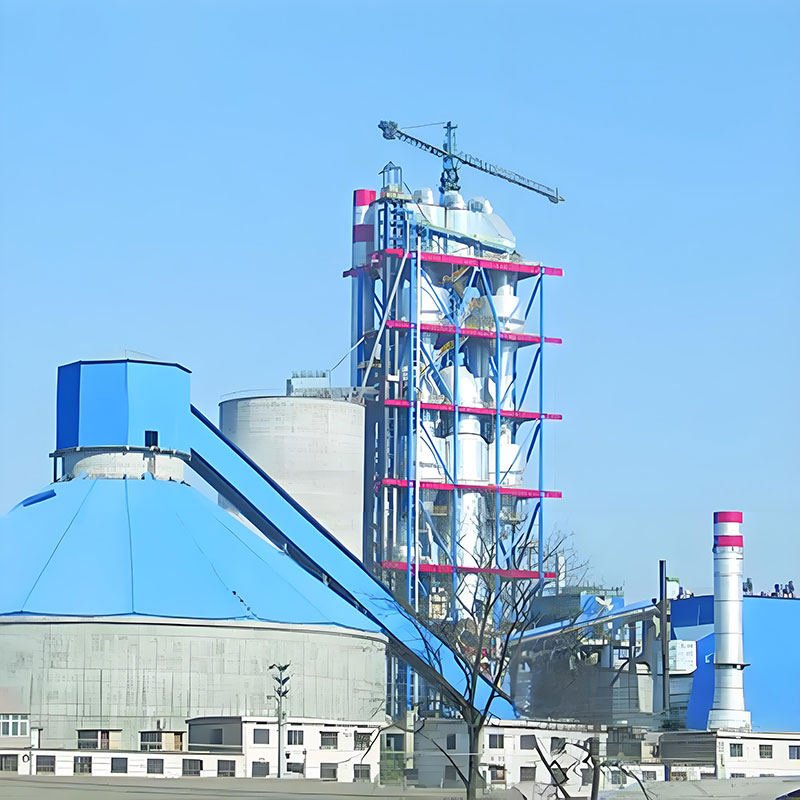
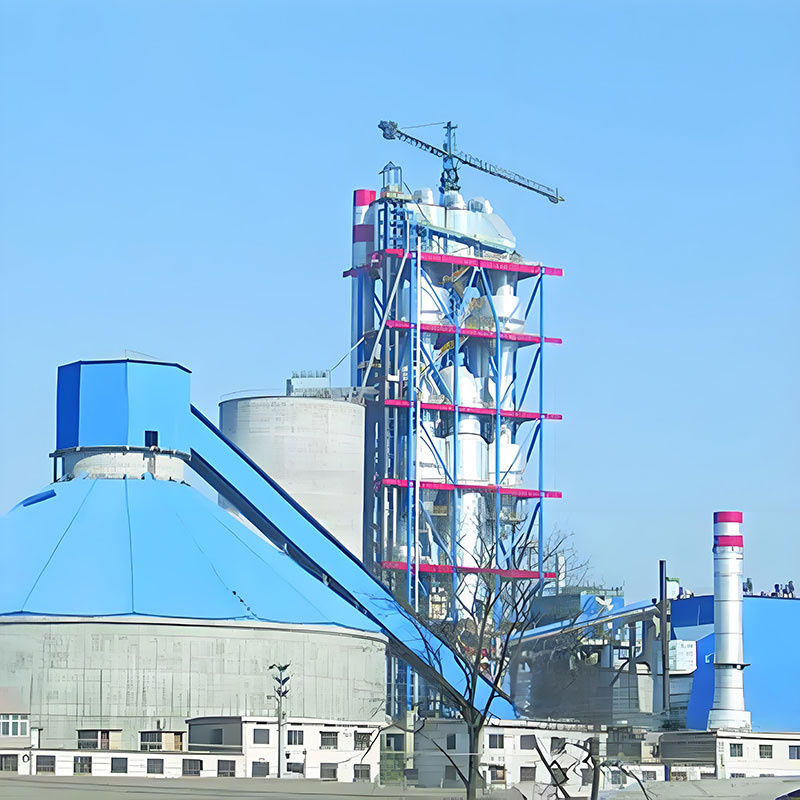 Cement Production Line Process Equipment and EngineeringThis cement production line overview covers crushing, raw meal preparation, preheating, clinker burning and grinding, useful when matching equipment to raw meal and product targets.View Product →
Equipment selection and operating discipline matter together. The preheater, rotary kiln and cooler should be treated as one chemical system, not three separate machines. For a broader checklist on matching equipment to raw meal and product targets, see this guide to choosing a cement production line.
A practical control plan includes monthly stream sampling, a chloride balance across the kiln, and a review of dust-return points after any fuel or raw material change.
Start with the collection point, then the free lime and chloride values. Those three facts tell you whether CKD is a raw meal opportunity, a cement blending risk, a neutralisation reagent or a controlled waste. A single oxide total cannot carry that decision.
If you are assessing a new kiln line or a dust-return strategy, begin with a stream map and a composite analysis, then match the kiln, preheater, cooler and gas handling design to the chemistry you actually have. You can discuss the process route with our team through the contact page.
It is focused on the overall solution of dry bulk material port transfer system,
research and development, manufacturing, and service