
 English
 русский
 Español
Industry News
Home / News / Industry News / Cement Production Technology: Principles and Practice Behind a Stable Line
A cement line that meets its performance guarantee rarely does so because of one good machine. It happens because four balances were settled before the first steel plate was cut: raw meal chemistry, heat exchange in the preheater and kiln, gas and dust flow through the whole system, and grinding fineness at the finish mill. When one of those balances drifts, the symptom appears far from its cause. Free lime climbs although the kiln is running hot enough. The shell shows a red spot while the fuel rate looks normal. Mill output drops eight to ten tonnes per hour with no visible change in the circuit. Reading cement production technology as a set of coupled variables, rather than a list of equipment, is what separates a smooth commissioning from eighteen months of troubleshooting.
Content
Clinker quality is settled by chemistry first and hardware second. A kiln cannot burn its way out of a badly proportioned raw meal; it can only spend more fuel trying. The moduli below are the shared language between the quarry, the raw mill and the control room, and they are worth agreeing on in writing before the first bag of feed enters the system.
| Parameter | Working window | What it governs | Warning sign when it drifts |
|---|---|---|---|
| Lime saturation factor | 92 to 98 | Ratio of lime to acid oxides; drives alite formation | Free lime above 2% even at normal burning temperature |
| Silica modulus | 2.2 to 2.6 | Quantity of liquid phase and coating behaviour | Unstable coating, dusty clinker, fluctuating torque |
| Alumina modulus | 1.2 to 1.6 | Liquid phase viscosity and setting behaviour | Ring build-up and blocked riser ducts |
| Kiln feed fineness | 12 to 18% residue on 80 µm | Reaction rate inside the burning zone | Higher specific heat consumption at unchanged output |
| Clinker free lime | 0.5 to 1.5% | Completeness of burning | Rapid setting and early strength loss in concrete |
Two practical notes matter more than the numbers themselves. First, moduli are targets for kiln feed, not for the material in the ground, so a quarry with high chemical variation needs pre-blending or a chemical stockpile strategy rather than tighter control at the mill. Second, burnability is not the same as modulus: two meals with identical lime saturation can differ by 30 to 50 degrees in burning zone temperature if the quartz grain size or mineralogy differs, and that difference shows up directly in the fuel bill.
The textbook order of operations is fixed. What varies between projects is how much margin each step is given, and that is where most design reviews should spend their time.
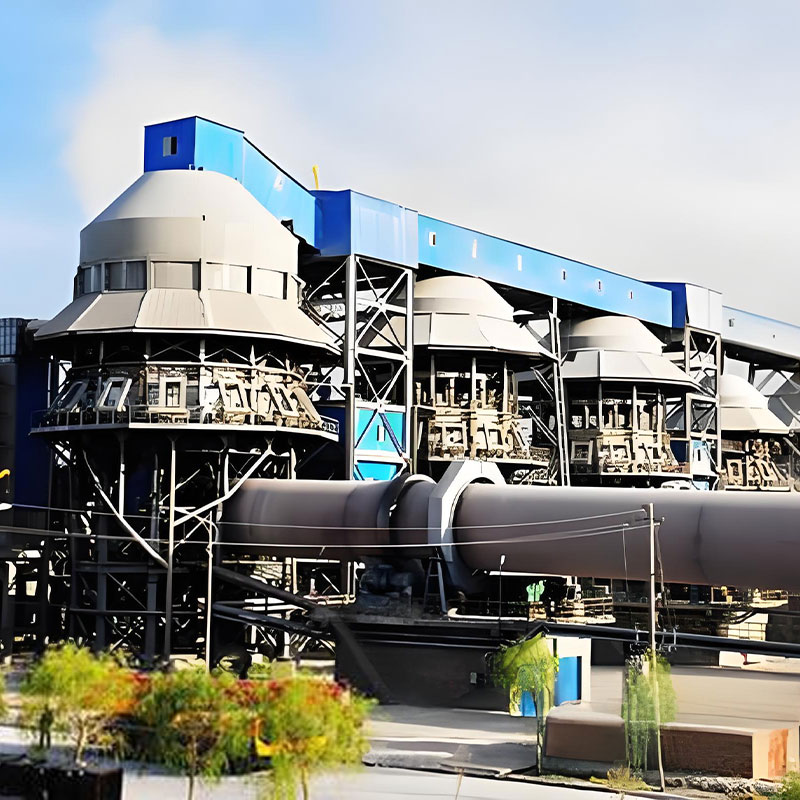
The kiln is a modest share of capital cost but the largest single determinant of fuel consumption and refractory life. Shell diameter, length-to-diameter ratio, support configuration, tyre clearance and girth gear accuracy decide how the unit behaves under thermal load, and those are specification items rather than catalogue items.
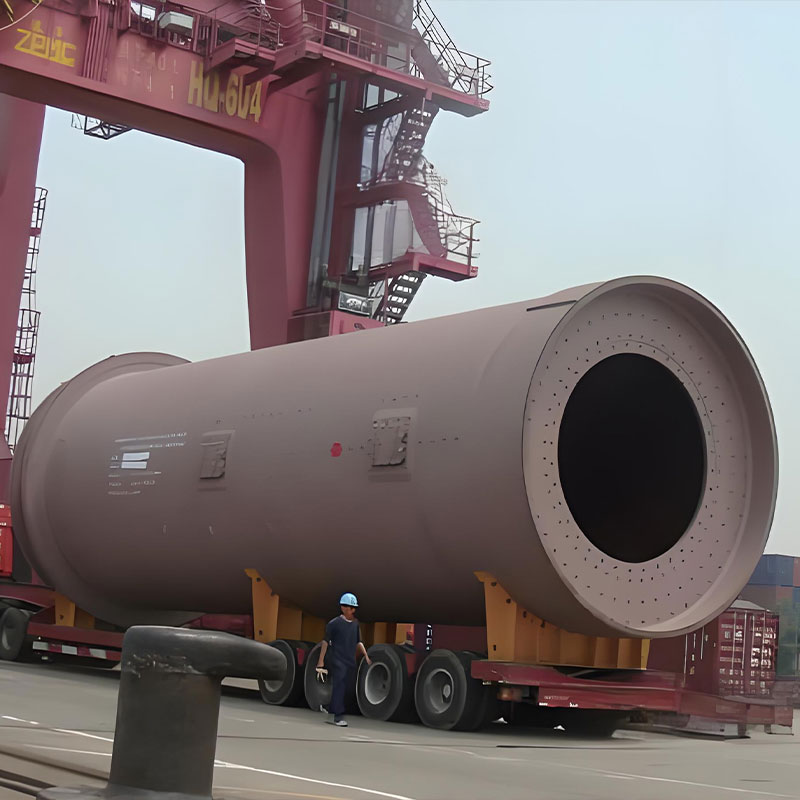
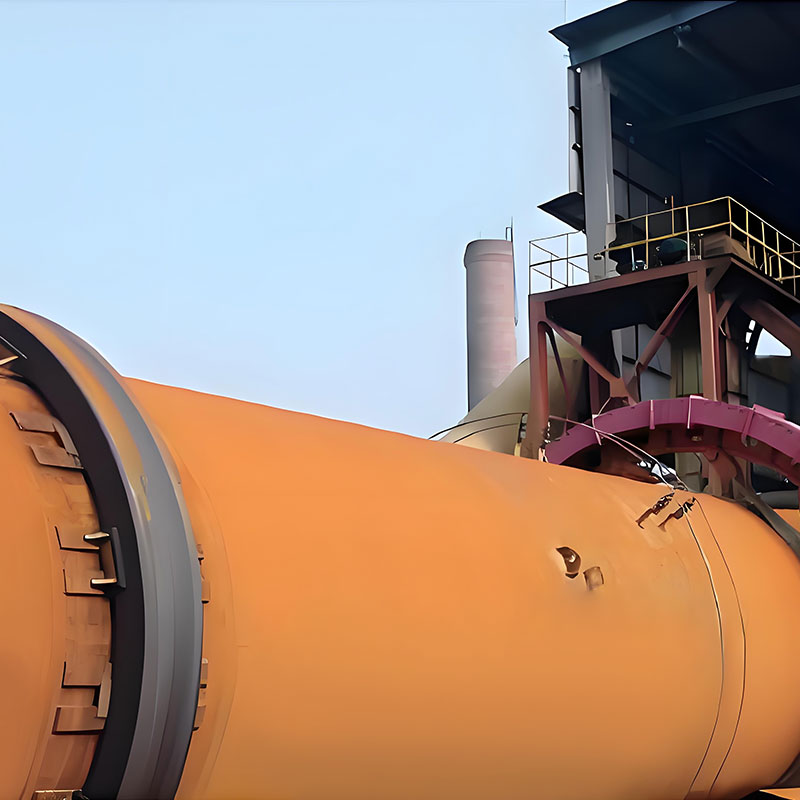
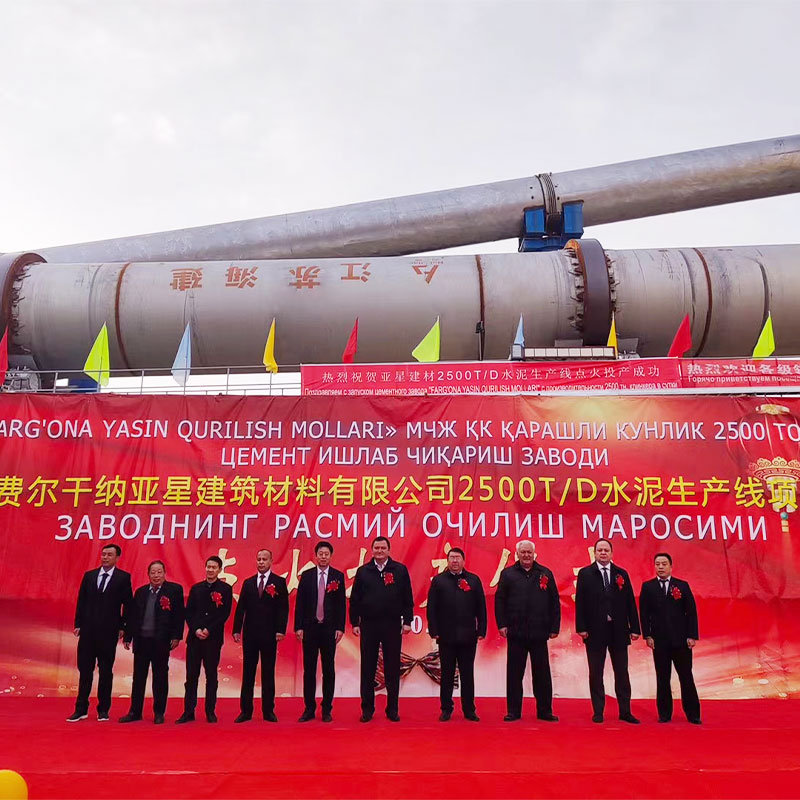 Rotary Kiln for Cement Clinker CalcinationInclined rotary kiln with flame monitoring and infrared scanning, suited to clinker calcination where thermal stability and refractory life matter.View Product →
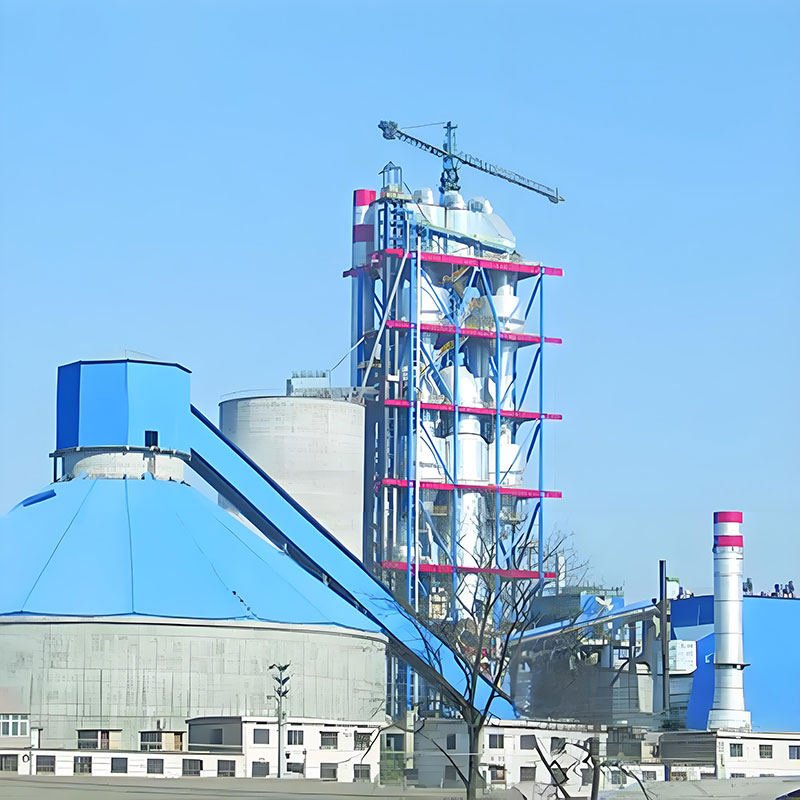
Modern five-stage preheater lines with a calciner commonly run at 730 to 850 kcal per kilogram of clinker. That range is narrow, and almost all of the spread comes from three things: cyclone pressure drop, the split of fuel between calciner and kiln burner, and air infiltration through the tower. A preheater that was sized for 4,800 tonnes per day and is pushed to 5,300 will still produce clinker, but the pressure profile changes, the top stage cyclones start carrying dust, and the ID fan runs at its limit.
Operationally, the useful checks are simple. Oxygen at the preheater exit of 2 to 4% indicates the combustion balance is roughly right; a carbon monoxide reading that creeps upward at steady feed points to incomplete combustion in the calciner rather than a kiln problem. Coating thickness in the burning zone should be stable enough that shell temperature stays within about 80 to 120 degrees of the design band. When the coating begins to cycle, the cause is usually raw meal chemistry or burner momentum, not refractory quality.
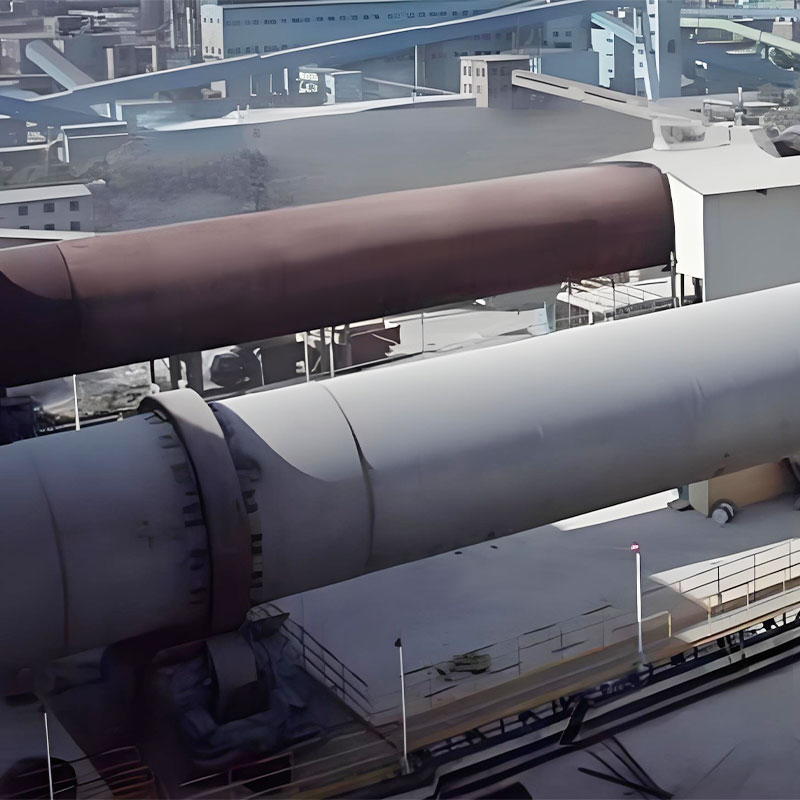
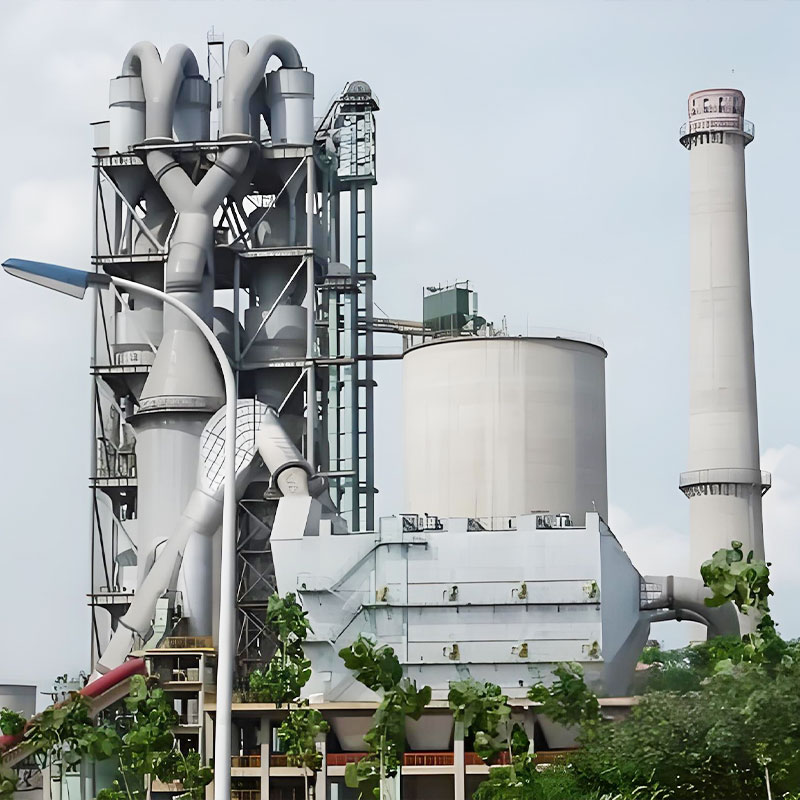 Multi-Stage Suspension Preheater for Cement LinesFour- to six-stage cyclone preheater that exchanges heat before calcination; relevant when combustion balance and kiln-exit gas readings are being checked.View Product →
Comminution is commonly quoted at 60% or more of a cement plant's total electrical demand, and the finish mill alone accounts for 25 to 35 kWh per tonne when ordinary Portland cement is ground to 320 to 350 m²/kg Blaine. Fineness specification is therefore a commercial decision as much as a technical one: every additional 10 m²/kg costs energy, and past a certain point it buys strength development that the mix design does not need.
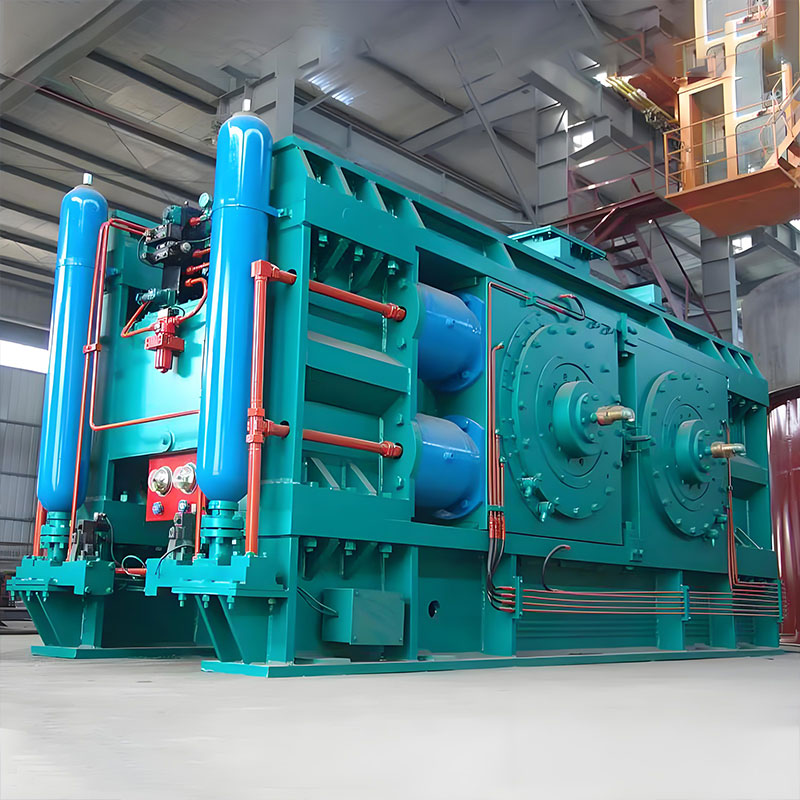
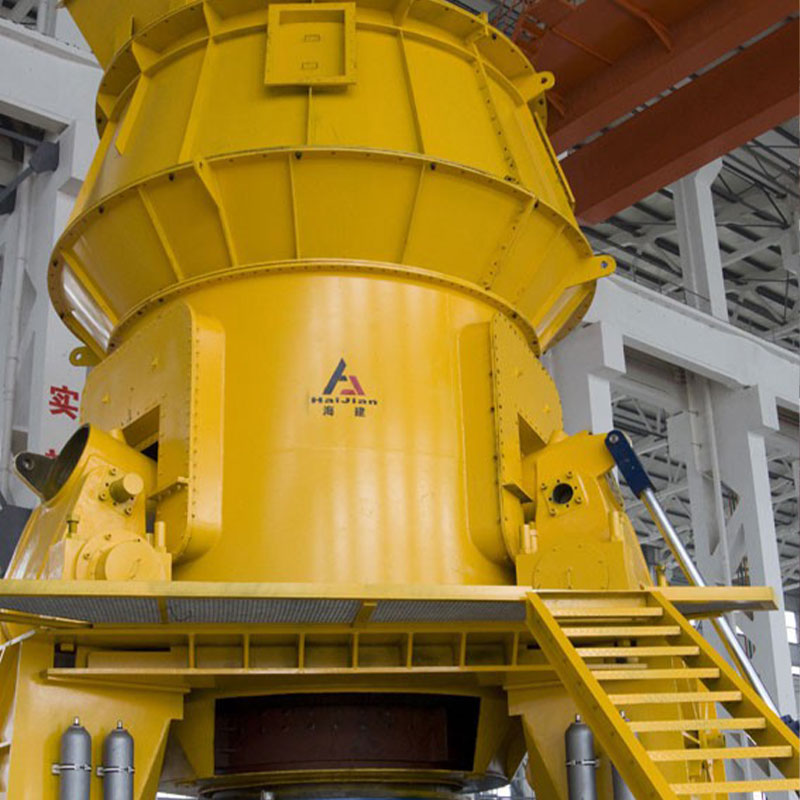
Vertical roller mills for finish grinding typically land at 20 to 28 kWh per tonne with a compact footprint, but they are sensitive to circulating load and wear part condition. A roller press ahead of a ball mill sits at roughly 22 to 30 kWh per tonne and produces a particle size distribution that many ready-mix customers prefer. A conventional ball mill alone runs 30 to 38 kWh per tonne, yet remains the most forgiving option for variable clinker and the easiest to keep available at high utilisation.
Whichever circuit is chosen, separator efficiency decides the real outcome. A dynamic separator that returns fine material to the mill wastes more energy than any difference between mill types, and it is the first item worth auditing when specific power drifts upward.
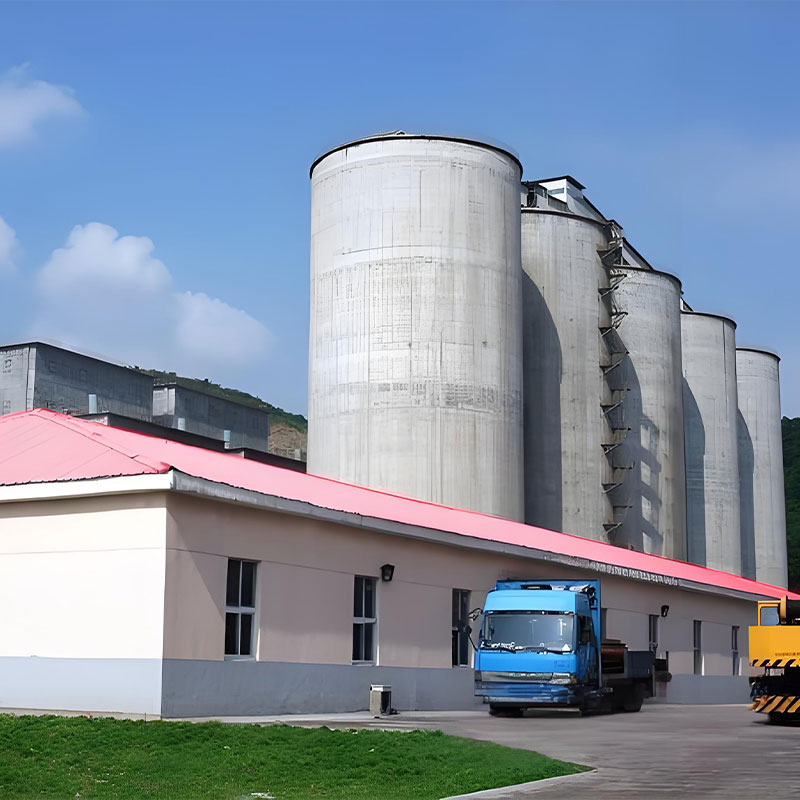 Cement Grinding Station with Closed-Circuit ClassificationTerminal grinding system for clinker, gypsum and admixtures, using ball mill or roller press circuits with dynamic separator fineness control.View Product →
During the first seventy-two hour performance run, a handful of readings carry most of the diagnostic weight. They are worth recording hourly, in one file, with the raw mill and kiln operating on the same feed:
When these drift together rather than individually, the cause is usually upstream of the equipment. A useful reference for that pattern is this review of common faults and solutions in cement production lines, which maps symptoms to process causes rather than to components.
Most procurement risk in cement equipment sits in the gap between a technical specification and a commercial contract. The following items are cheap to check at tender stage and expensive to discover during erection:
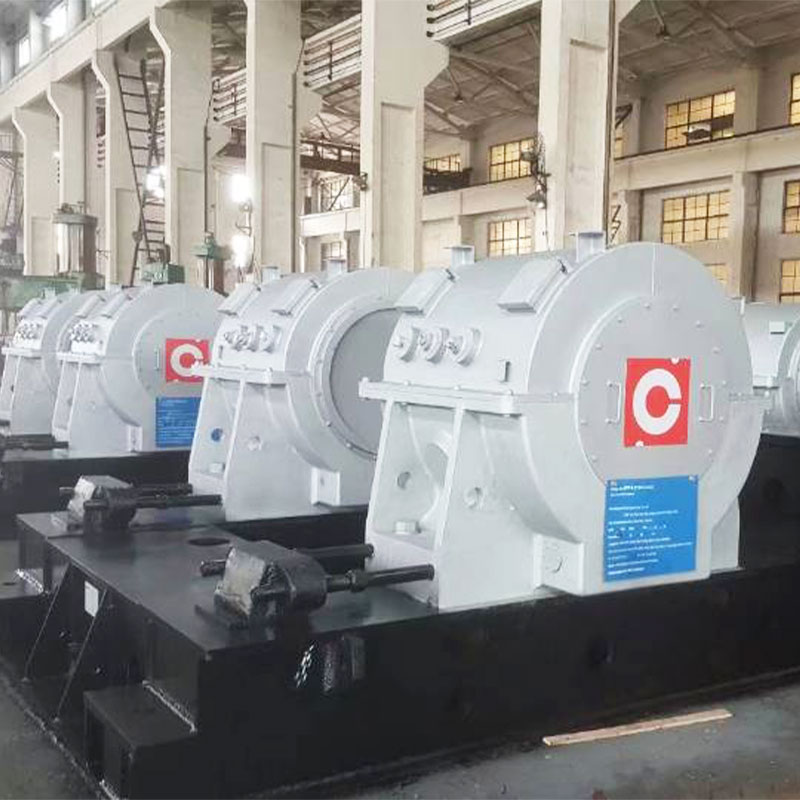
It is equally worth visiting the fabrication floor. Large kiln shells, mill tables and pressure vessel bodies depend on machining capacity that cannot be improvised, and a supplier's manufacturing and machining capability tells you more about delivery risk than any schedule chart.
The principles of cement production technology are stable and well documented; the practice is where projects are won or lost. Match the equipment to the material you actually have, agree the moduli and the fineness targets before commissioning, and measure the line against process readings rather than against individual machine performance. A plant built around those three habits tends to hit its guarantee on the first attempt, and to keep hitting it after the first set of liners is worn out.
It is focused on the overall solution of dry bulk material port transfer system,
research and development, manufacturing, and service