
 English
 русский
 Español
Industry News
Home / News / Industry News / Cement Plant Dust: Sources, Capture Points, Sizing and Control That Holds
Most cement plant dust problems are visible from the car park: a pale plume over the preheater, a grey haze where the tipper discharges, a thin film on the control-room windowsill. By the time those appear, the fault behind them has usually been there for months — an undersized hood, a duct that has lost its slope, a bag filter running fifteen degrees below its safe operating window.
The short version: dust control is decided at the hood, not at the stack. A filter sized for the wrong air volume, or fed by ductwork that drops half its load in the first bend, will never match the capture efficiency of a well-sealed transfer point feeding a correctly sized baghouse. What follows works through where the dust comes from, what it is made of, how to size the capture system, and what to do with the material once it has been collected.
Content
On a dry-process line, dust is created wherever material is crushed, ground, dropped, conveyed or heated. In practice the list is longer than the equipment schedule suggests, because every transfer between two machines is a potential emission point. The table below groups the sources that decide most of a plant's particulate load.
| Dust source | Typical condition | Usual capture route | What usually goes wrong |
|---|---|---|---|
| Primary crusher and feed hopper | Intermittent, coarse, 30–60 °C | Hood plus cyclone or small bag filter | Hood too small; dust surge when the truck tips |
| Belt transfer towers | Continuous; load rises as skirt rubber wears | Local hood and insertable filter | Enclosure loses negative pressure over time |
| Raw mill (vertical roller mill) | 80–120 °C, high moisture | Integral classifier plus dedicated bag filter | Operation below dew point on cold start |
| Kiln and preheater | 300–400 °C before conditioning; fine, alkali-rich | Kiln/raw-mill bag filter or electrostatic precipitator | Media attacked; air-to-cloth ratio set too high |
| Clinker cooler | 200–350 °C, coarse and abrasive | Cooler vent bag filter or precipitator | Bag and cage abrasion; casing air leaks |
| Cement mill and separator | 90–120 °C, very fine product | Dedicated bag filter | Media blinding; steady pressure-drop creep |
| Packing and bulk loading | Intermittent, fine | Local bag filter or vacuum system | Leakage at spouts and truck hatches |
The kiln/preheater and the clinker cooler normally decide the stack number; the remaining points decide housekeeping quality, maintenance cost and how often the plant has to shut down a section to clean it out. Because those capture points sit inside the process battery limits, they are far cheaper to fix at the equipment-definition stage than after commissioning — hood branches, duct routes and fan duties are all fixed by the time the layout is frozen.
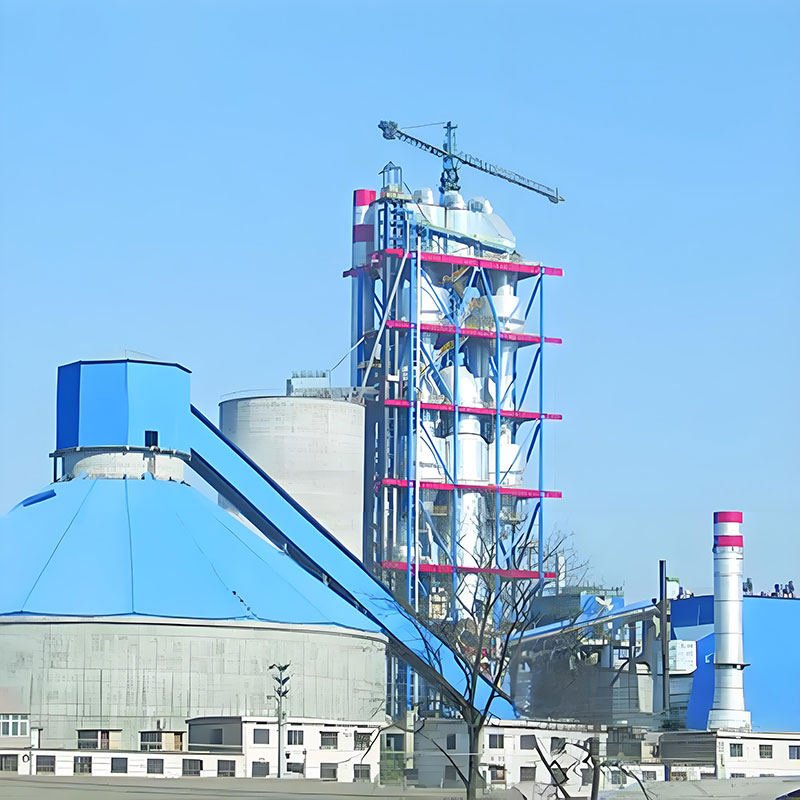
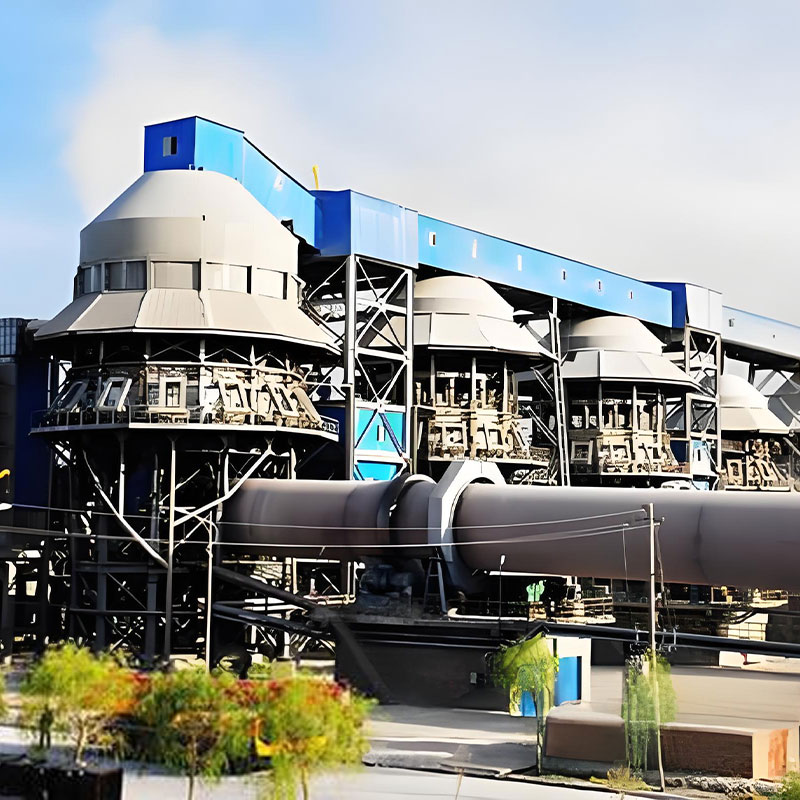
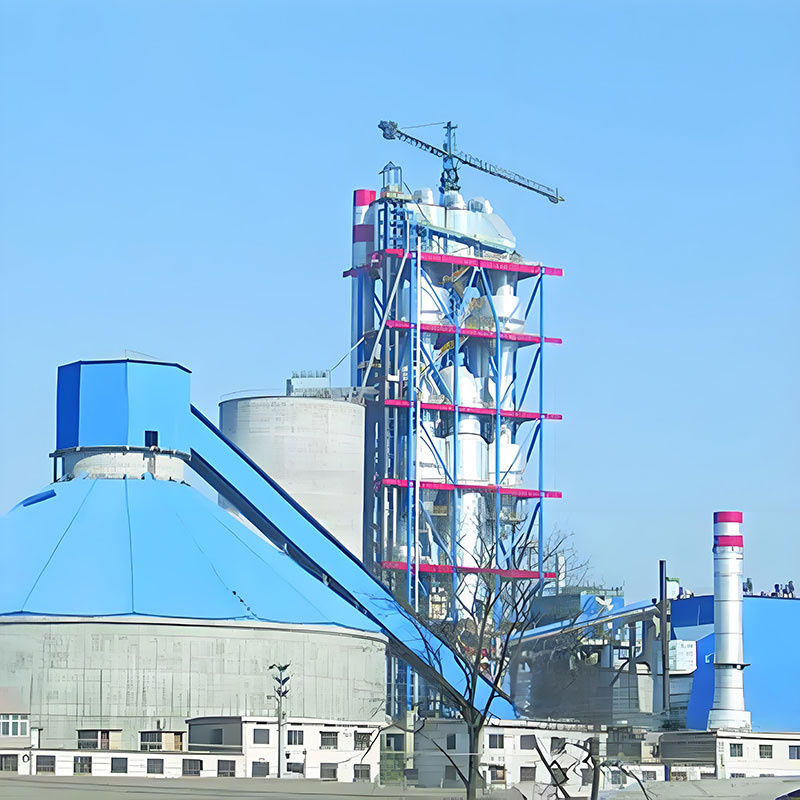 Complete Cement Production Line and Dust Collection EquipmentComplete cement line covering crushing, raw meal preparation, burning, cooling, grinding and dust collection, with dry and wet process options for early equipment definition.View Product →
Cement plant dust is not one material, and treating it as one is the most common specification error. Raw meal dust is fine and abrasive. Clinker dust is coarser, hot and aggressively abrasive. Kiln dust is finer still, and carries the alkalis and chlorides that volatilise in the burning zone and condense again as the gas cools.
Those alkalis make kiln dust hygroscopic. Once the gas falls below the acid dew point, the dust turns sticky, bridges between bags and blinds the media; the filter then runs at a higher pressure drop, the fan pulls less air, and capture at the hoods falls away. This is why the kiln and raw-mill circuit normally runs on polyimide, PTFE or PTFE-membrane fibreglass rather than polyester, and why the air-to-cloth ratio on that circuit is kept lower than on a transfer-point filter. Cooler dust fails differently: it is coarse, angular and hot, so abrasion at the inlet and around the cage usually ends a bag's life before its chemistry does.
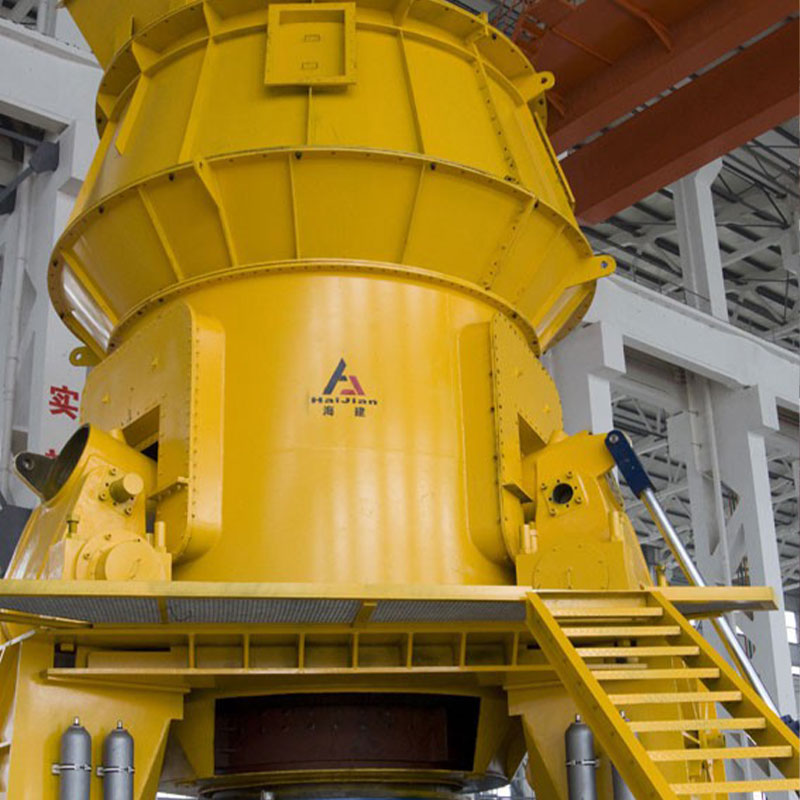
Coal mill dust is the one genuinely hazardous stream. It is combustible, which brings explosion venting, CO monitoring, grounding and strict rules about avoiding accumulation inside the ductwork. A vertical roller mill handles its own dedusting through an integral classifier and a dedicated bag filter, so mill and filter are best bought as a single scope with a single performance guarantee.
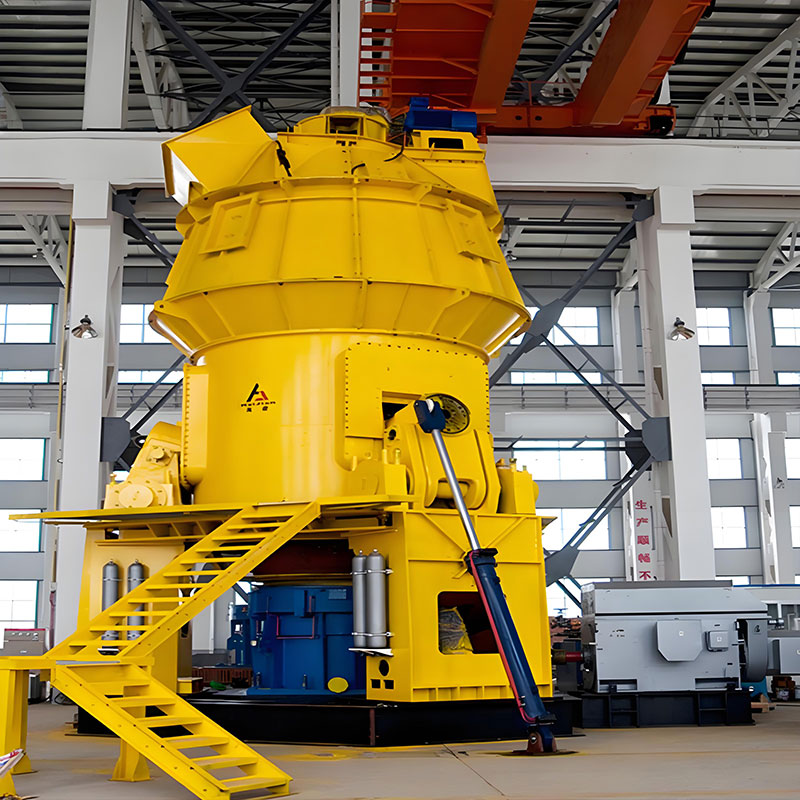 Raw Material Vertical Roller Mill for Cement LinesSupports raw material preparation with integrated grinding, homogenization and waste-heat use, plus classifier-based dedusting relevant to mill filter scope.View Product →
Six values govern most cement plant dust collection systems. If any one of them is copied from a catalogue instead of derived from the actual dust load and gas condition, the rest of the design cannot compensate.
A useful discipline: write the dust load in g/m³, the gas temperature, the moisture content and the particle size into the enquiry. A filter is selected against those four numbers, and a supplier who is not given them can still quote — but the guess behind the quote is usually optimistic.
Most of the dust collected in a cement plant goes straight back into the process, which is why a well-run filter is a product-recovery device as much as an environmental one. Kiln dust is the exception. It concentrates the chlorides, alkalis and sulfates that volatilise in the burning zone, and above a certain chloride level recycling it causes build-ups in the preheater and unstable coating, so a bleed stream — cement kiln dust, or CKD — has to be drawn off.
Generation rates quoted for older lines have often been in the order of 15–20 kg per tonne of clinker; modern lines with tight dust return and better process control generate less, but rarely none. That bleed stream is not automatically a waste. CKD has been used as a liming agent and soil stabiliser, for road-base stabilisation, as mine backfill and, within chloride limits, as a filler. The constraints are practical: free lime causes volume expansion, chlorides limit how much can go into concrete, and trace hexavalent chromium and local disposal rules decide whether land application is allowed at all.
Handling matters as much as the end use. CKD should be kept dry, contained and moved as few times as possible — every extra transfer is another emission point and another chance for the material to pick up moisture and set in a silo.
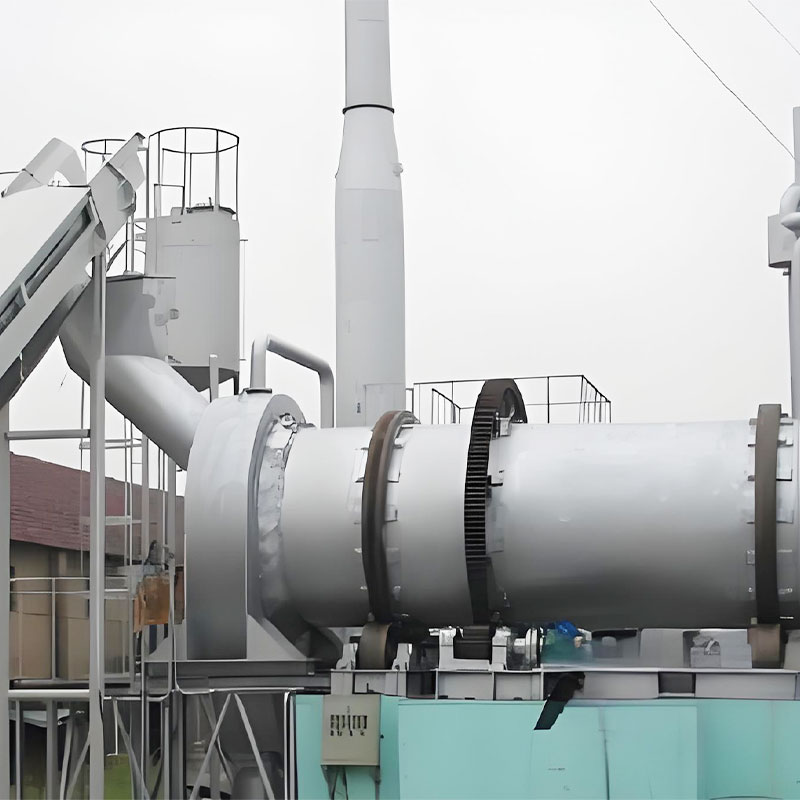 Industrial Solid Waste Incineration and Disposal SystemFor facilities handling difficult industrial and hazardous wastes, this incineration system combines 3T high-temperature combustion, waste-heat recovery and flue-gas purification.View Product →
The visible plume is not the health risk. The fraction that matters is respirable crystalline silica — particles below roughly 10 µm that reach the alveolar region. In the United States the eight-hour limit is 0.05 mg/m³, and other jurisdictions sit in a similar range. Area samples on a gantry tell you very little; personal sampling tells you what operators and maintenance fitters actually breathe.
Kiln dust can also carry trace hexavalent chromium, which causes dermatitis on repeated skin contact, and every hopper, silo and baghouse plenum on the line is a confined space with dust-avalanche and engulfment hazards. Practical controls that hold up in real plants include:
Filters rarely fail suddenly. They drift: a diaphragm in a pulse valve splits, one row of bags stops cleaning, the pressure drop creeps up, the fan curve shifts and capture at the hoods quietly falls. Trending differential pressure across the filter — not simply reading it once a shift — catches that drift weeks before an opacity monitor does.
Casing quality matters more than most specifications admit. Thin plate, incomplete welds and unsealed penetrations create cold spots where acid condenses and dust cakes, and no amount of pulse-jet tuning will fix a leaky plenum. On the shop-floor side, plate rolling, welding and machining tolerances decide whether a baghouse and its ductwork stay gas-tight in service, which is why the fabrication and machining capability behind the equipment is worth reviewing before the commercial comparison begins.
Start-up and shut-down sequences deserve the same attention. Bring the filter up to temperature before the mill starts, keep the fan running on purge air until the gas has cooled after a kiln stop, and avoid starting a bag filter with a wet, cold inlet stream. Many bag failures attributed to media quality are, on inspection, sequence failures.
Two quotations for the same nominal filter can differ by a factor of two in cost and by a much wider margin in service life, because they are not really quoting the same object. The items below make the comparison honest.
The same discipline applies to the wider line: what factors to consider when choosing cement production line equipment are almost always the operating-envelope questions rather than the headline capacity figure, and dust capture is one of them. A line specified with its dedusting points, gas conditions and return paths settled at the outset is simpler to permit, cheaper to run and far less likely to show a plume on a Monday morning.
Cement plant dust is a process problem wearing an environmental label. Seal the transfer points, give each hood enough air at the right velocity, keep the ductwork above transport velocity, choose media against the actual gas chemistry and temperature, and give the collected material a defined route back into the process or out of the gate. Do those things and the stack number stays where it belongs — as a record of good operation rather than a daily argument.
It is focused on the overall solution of dry bulk material port transfer system,
research and development, manufacturing, and service