
 English
 русский
 Español
Industry News
Home / News / Industry News / Cement Production Line Equipment: How the Right Machinery Cuts Cost per Ton
Walk the grinding floor of a cement plant and the number that decides the month is rarely printed on the bag. It is the specific power draw at the mill motor, the free lime in the clinker, the tonnes per hour the cooler can hold through a hot afternoon. Cement is a product; the plant behind it is a chain of thermal and mechanical choices, and each link sets a ceiling on the next.
That leads to a practical conclusion before any equipment discussion: cost per tonne and 28-day strength are fixed by the specification of the kiln, the mill and the cooler long before a truck leaves the gate. Jiangsu Haijian has been manufacturing equipment for that chain since 1970, from single machines such as rotary kilns and roller presses to complete production lines, which is the vantage point this article takes.
Content
Clinker leaves the kiln as grey nodules of calcium silicates. Cement is that clinker ground with 4–6% gypsum and, increasingly, with limestone, fly ash, slag or calcined clay. The two are often discussed as one material, and that is where specification mistakes begin.
Grinding can draw 30–40% of a plant's electrical load, and it sets the particle size distribution that governs early strength, workability and 28-day performance. Intergrinding soft limestone with hard clinker widens that distribution; grinding components separately and blending them narrows it, which can buy several megapascals at the same Blaine number. A circuit guaranteed at 3,200 cm²/g for ordinary Portland cement behaves very differently when the product mix shifts to 4,000 cm²/g slag cement or a 50% clinker blend. Buyers who state only a tonnage and a fineness figure leave that shift unaddressed.
| Process stage | Core equipment | What it decides downstream |
|---|---|---|
| Raw material handling | Jaw, impact or compound cone crushers; belt conveyors | Feed consistency, liner life, downtime per blockage |
| Raw meal preparation | Vertical roller mill or ball mill with roller press; blending silo | Chemical stability, kWh/t on raw grinding, kiln feed uniformity |
| Preheating and calcination | Cyclone preheater and calciner | Heat recovery, NOx formation, kiln load |
| Clinker burning | Rotary kiln, burner, refractory lining | Free lime, C3S ratio, brick life, thermal consumption |
| Cooling | Grate cooler | Clinker temperature, secondary air temperature, heat recovery |
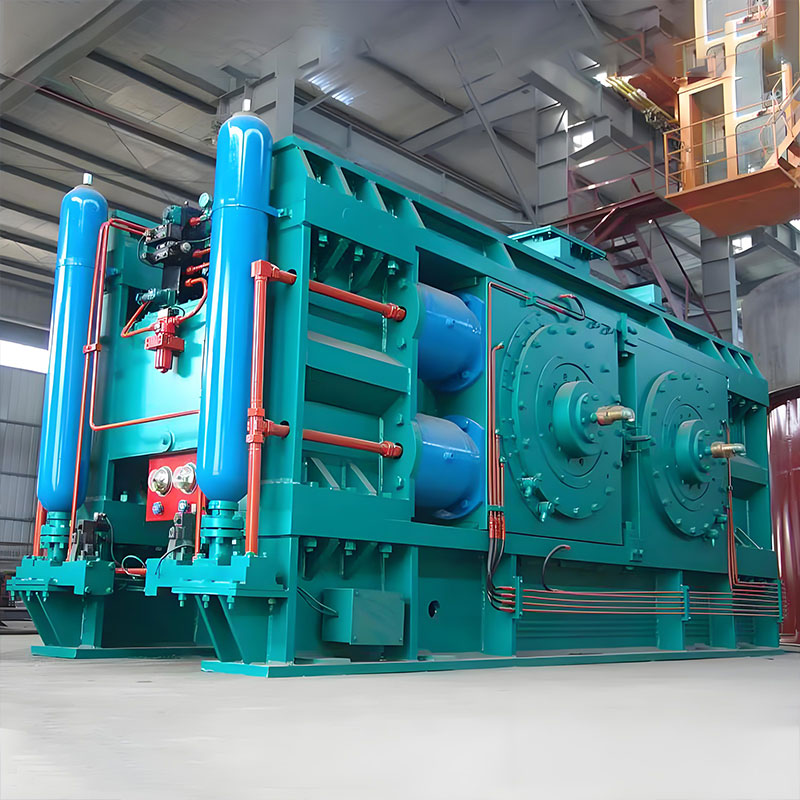
| Cement grinding | Cement mill, roller press, VRM, separators | Blaine, residue, specific power, setting behaviour |
| Conveying and storage | Belt conveyors, NE bucket elevators, silos | Dust, spillage, segregation before dispatch |
| Power and control | HV switchgear, MCC, kiln shell scanner | Availability, trip frequency, operator response time |
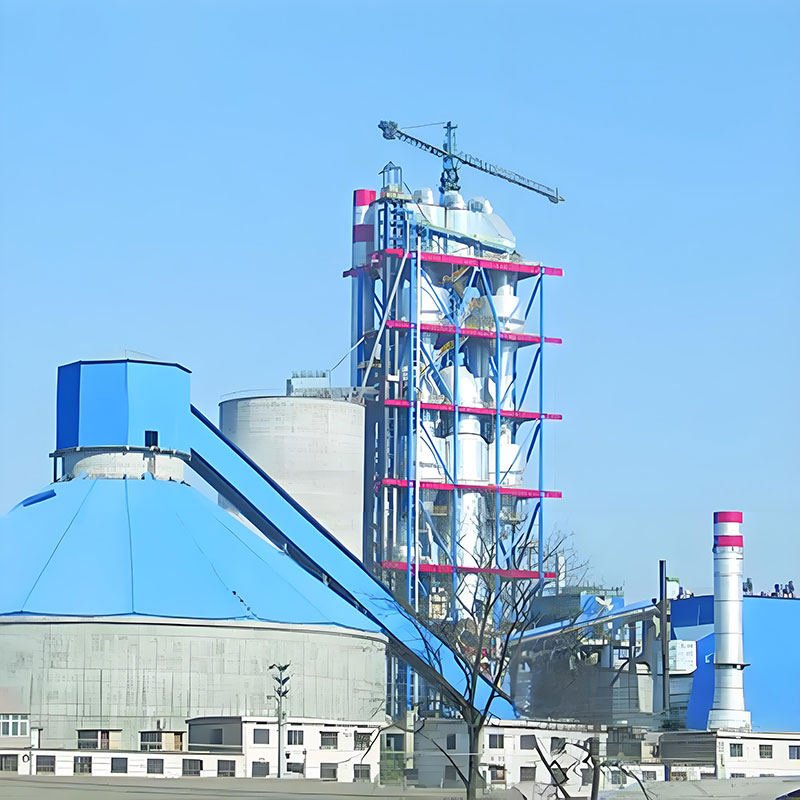
Line layouts differ by capacity, fuel and product mix, but the duty list stays almost the same from a 1,500 t/d grinding station to a 10,000 t/d integrated works. A workable technical specification walks through them in order, because a weakness in the first duty shows up as a variance in the last.
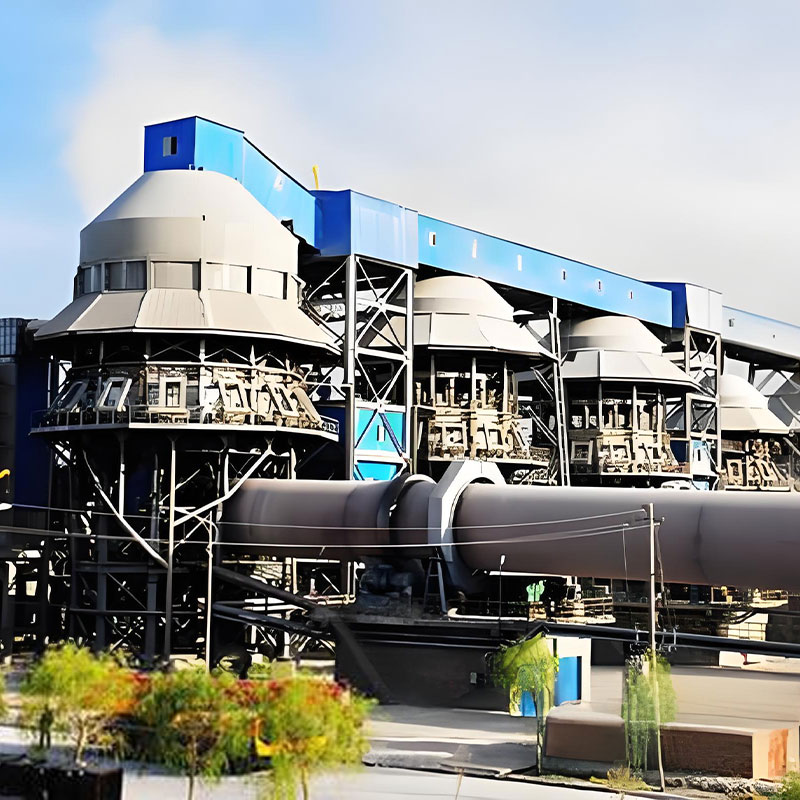
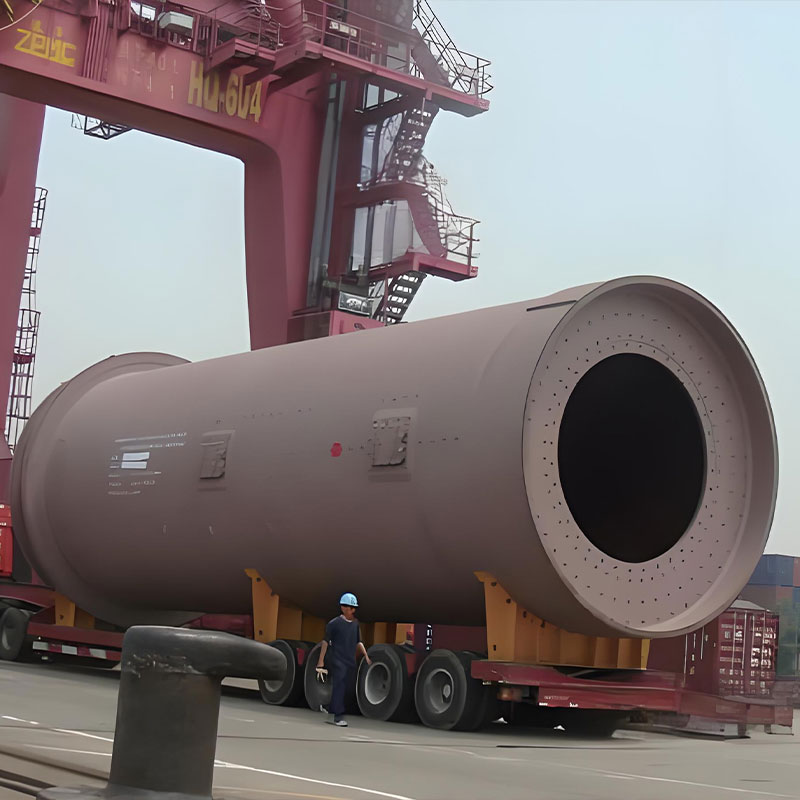
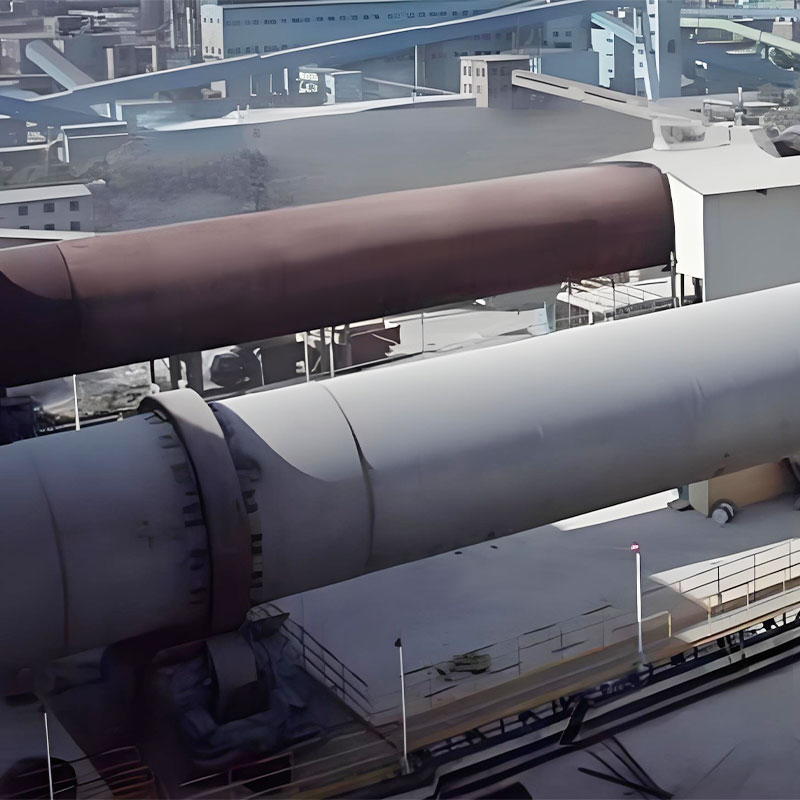
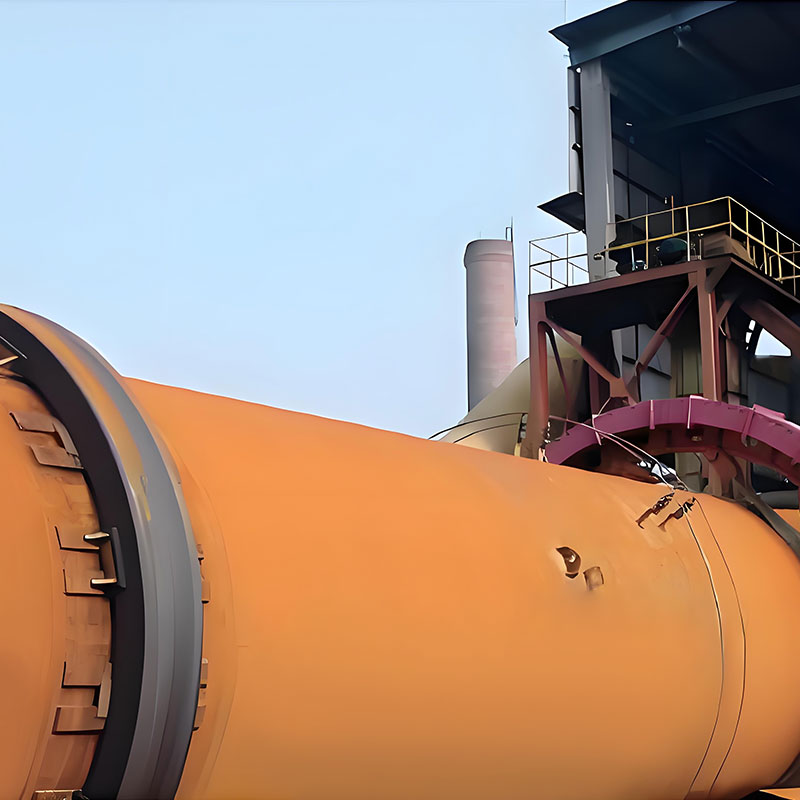
The kiln is the unit operators watch most closely, yet most mechanical failures begin at a tyre, a riding ring or a gear that was assembled without checking runout after welding. A kiln is only as round as the shop that machined it.
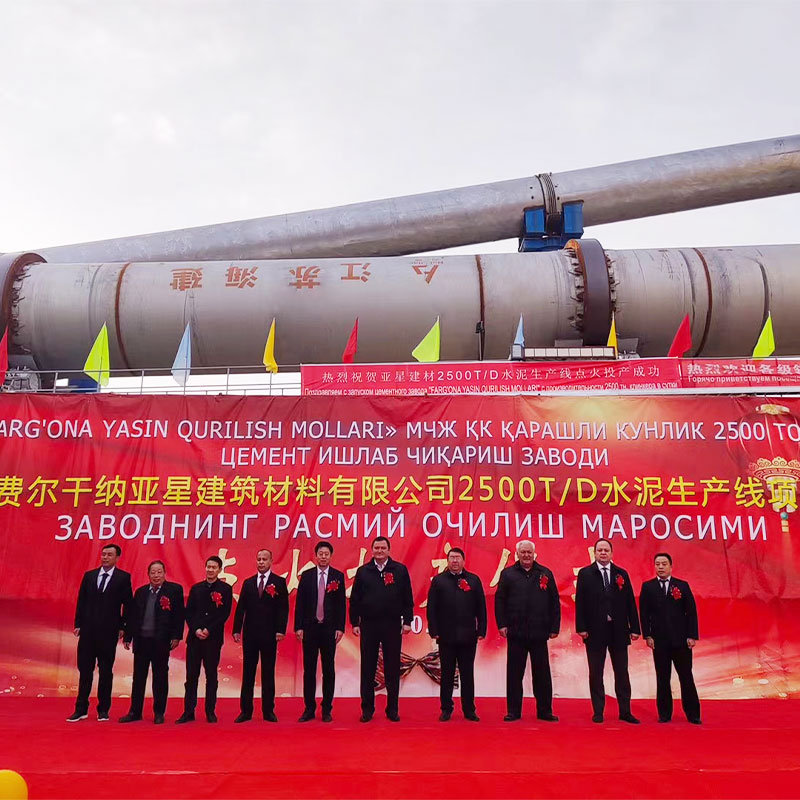 Rotary Kiln for Cement Clinker CalcinationCovers kiln structure, combustion monitoring, and temperature control, relevant when checking mechanical reliability and process stability before grinding.View Product →
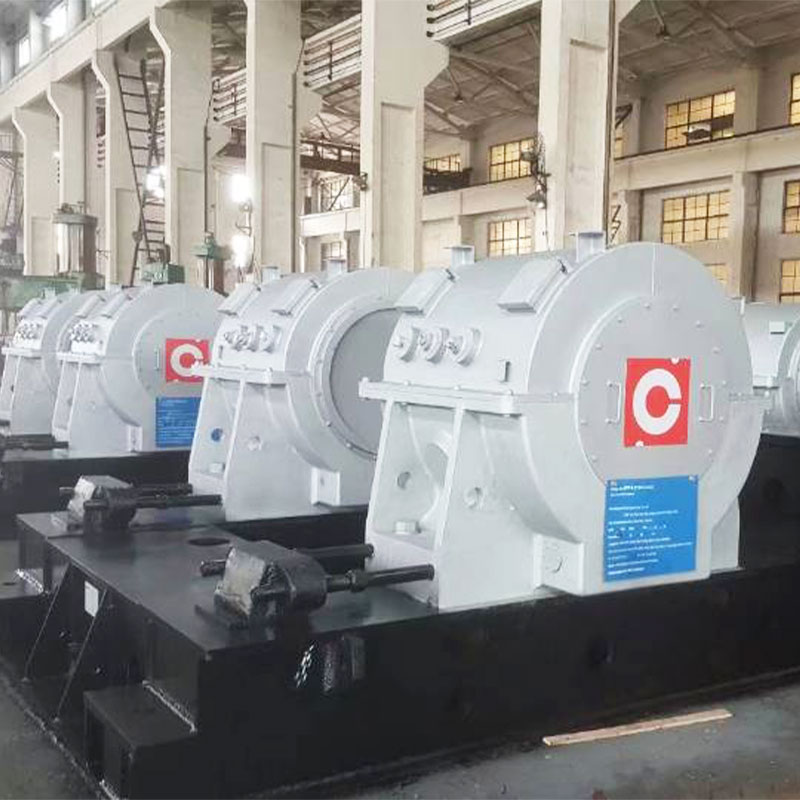
Grinding is where the electricity bill is written. A mill guaranteed at a tonnage but not at a fineness and a power ceiling leaves the plant exposed every time the product mix changes, which in practice means every few months.
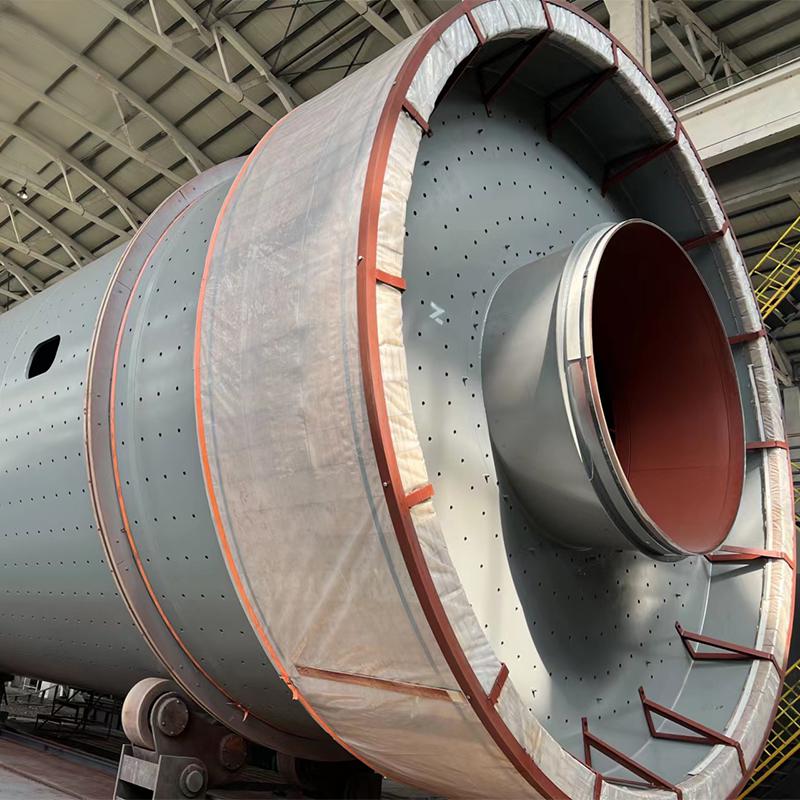 Cement Mill with Closed-Circuit GrindingDetails closed-circuit grinding, classifier control, and power-saving options that matter when assessing fineness and energy use after crushing.View Product →
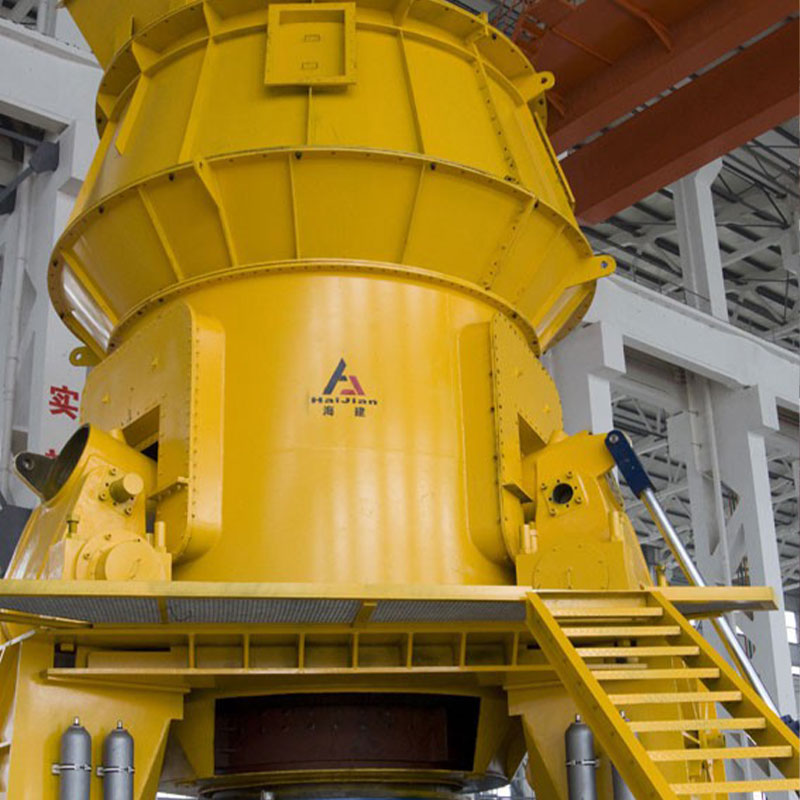
Upstream, the raw mill sets how steady the kiln feed can be. A vertical mill with a dynamic separator responds quickly to chemistry changes, but only if the grinding table and roller geometry match the material's abrasiveness.
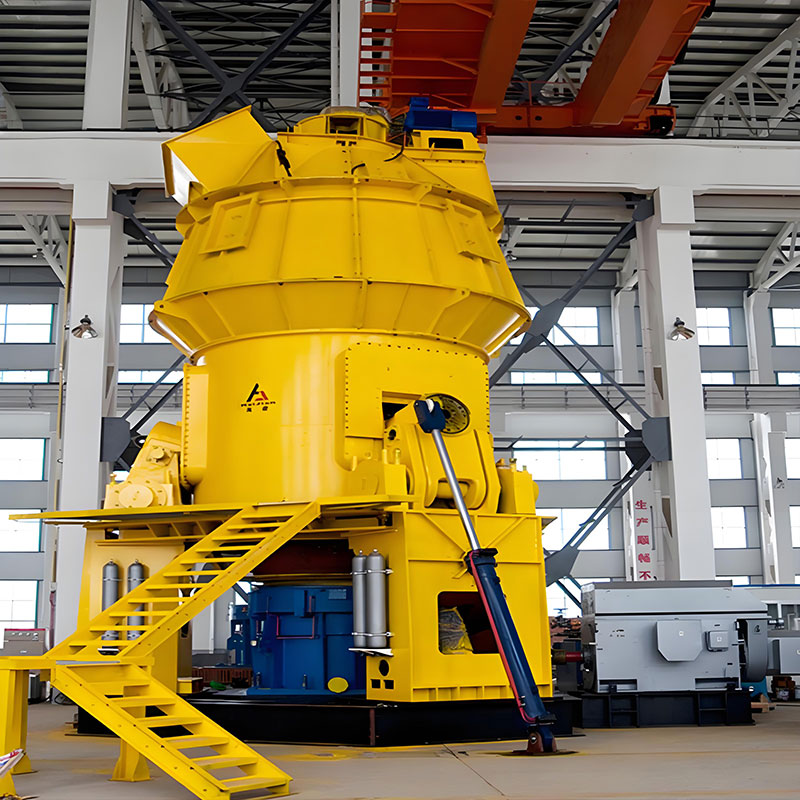 Raw Material Vertical Roller MillCovers raw material grinding, hydraulic roller pressure, and dynamic classifier operation, relevant to stable kiln feed before conveying equipment.View Product →
Between these duties sits conveying: belt conveyors, bucket elevators and air slides. They look like low-risk items on a cost sheet, and they are the most common cause of unplanned stops in the first year of operation.
Performance guarantees are only as good as the figures written into them. These are the ones worth arguing over during technical clarification, not after the performance test.
A supplier who cannot say which of these figures is guaranteed, which is expected and which depends on site conditions has not finished the offer.
Most disputes on a cement project are not about technology. They are about boundaries: who supplies what, who proves what, and who pays when a number falls short.
None of this is exotic. It is simply easier to settle in a technical annex than in a meeting three weeks before start-up.
Rotary kiln and grinding experience is not confined to cement. The same thermal engineering serves active lime production, where a lime rotary kiln with a preheater produces soft-burned lime for steelmaking and construction. Metallurgical rotary kilns handle oxide and concentrate roasting, and kiln designs for lithium carbonate and laterite nickel ore roasting now support battery-material and nickel supply chains.
Beyond the kiln, the equipment set broadens: pressure vessels for heat exchange, reaction, separation and storage; flue gas desulfurization and denitrification for power and industrial boilers; mobile crushing stations for quarry and demolition work; and solid waste treatment systems. A buyer sourcing a cement line and a buyer sourcing a pressure vessel rarely meet, but the fabrication, welding and heat treatment discipline behind both is the same.
Large rotating equipment cannot be specified on paper alone. The shop has to turn a 10-metre kiln shell, cut an 8-metre girth gear, stress-relieve the welds and lift the assembly without distortion.
These constraints turn a drawing into a shipment. It is worth asking any supplier for a look at the manufacturing equipment and workshop behind the offer, because a quotation is only a promise until the machine tools can back it.
The useful question is not which kiln or mill is best, but what the line must produce, at what fineness, on which fuel, at what ambient temperature and for how many years between relines. Once those answers exist, equipment selection narrows quickly and performance guarantees become measurable.
If you are planning a new line, a grinding station or a kiln upgrade, send your process data and capacity targets to the engineering team. Raw material analysis, fuel specification and product mix will do more to shape the right configuration than any catalogue page.
It is focused on the overall solution of dry bulk material port transfer system,
research and development, manufacturing, and service