
 English
  русский
  Español
 Industry News
Home / News / Industry News / Cement Production Industry: Process, Costs, and Equipment Selection Guide
More than four billion tonnes of cement are produced worldwide every year, and roughly half of that volume comes from China. For anyone who operates a cement plant, manages a production line, or is preparing to invest in one, the industry's fundamentals matter more than its size: energy dominates costs, raw material quality varies from site to site, and equipment decisions lock in operating performance for decades. This article walks through the cement production process, the economics behind it, and the practical points to evaluate before buying equipment.
Content
Cement making is essentially a high-temperature material transformation. Limestone and clay are quarried, crushed, ground, heated to around 1,450°C in a kiln, and the resulting clinker is ground again with gypsum to produce the fine grey powder we call cement. Each stage shapes both the final quality and the cost per tonne.
Quarried limestone can be metre-sized, so it must be reduced before grinding mills can handle it. Jaw crushers and impact crushers do most of this work, and the choice between them depends on the abrasiveness and moisture of the feed. A mobile crushing station can help when the quarry moves or when material must be processed at several locations.
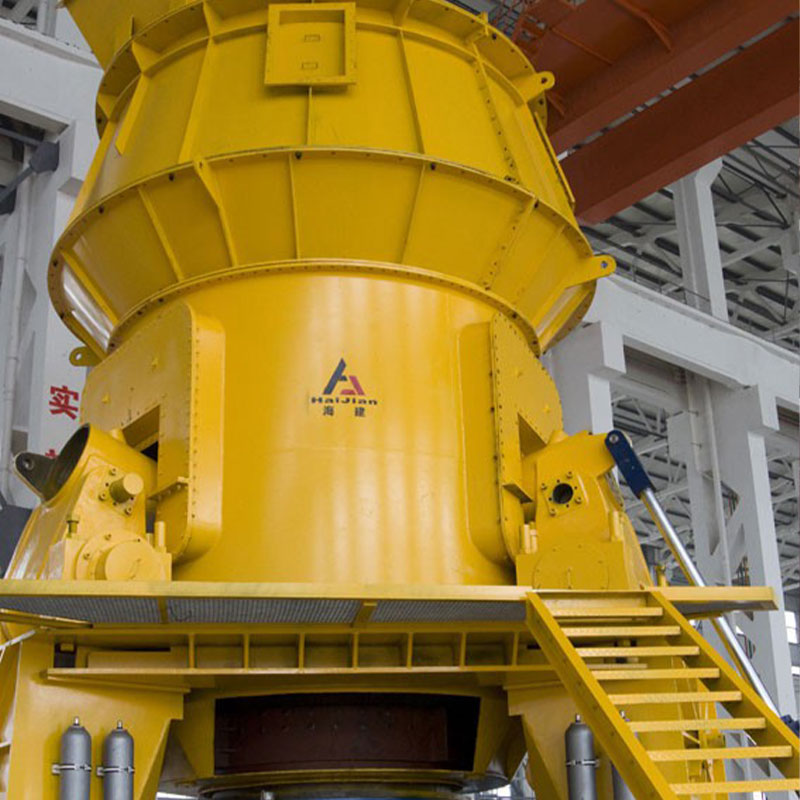
After crushing, the material is ground into raw meal in a vertical roller mill or ball mill. This is one of the most energy-intensive steps in the plant. Raw material vertical roller mills grind limestone, coal mills grind fuel, and slag mills prepare slag where it is part of the mix. Consistent chemistry is essential because the kiln process needs a stable feed.
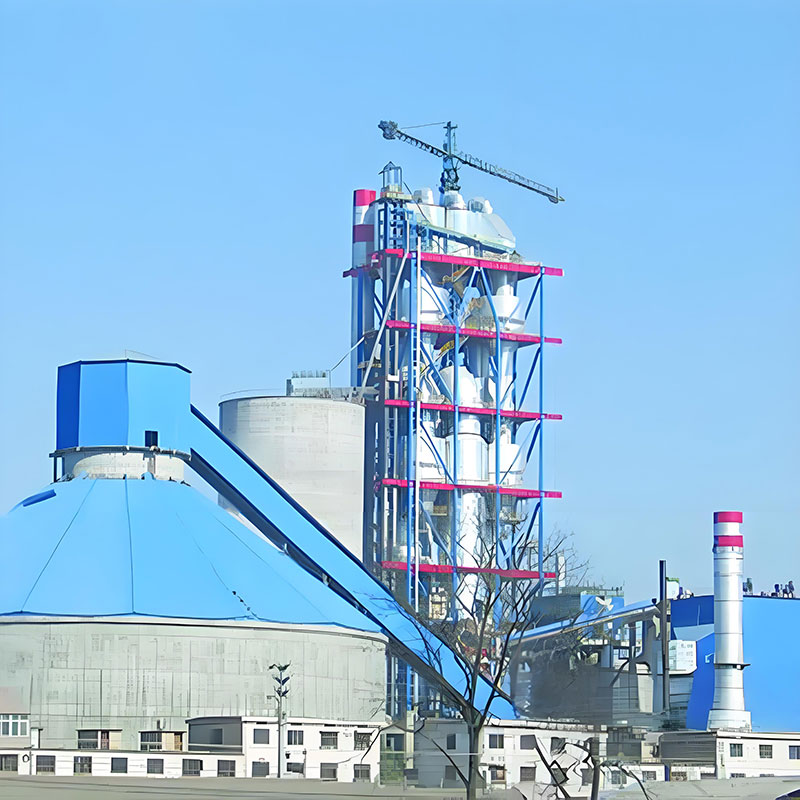
Modern plants send raw meal through a cyclone preheater tower, where hot kiln exhaust gas raises the temperature before the material enters the kiln. Together with a precalciner, the tower can bring the material close to 900°C before it reaches the kiln, which noticeably reduces the kiln's fuel requirement.
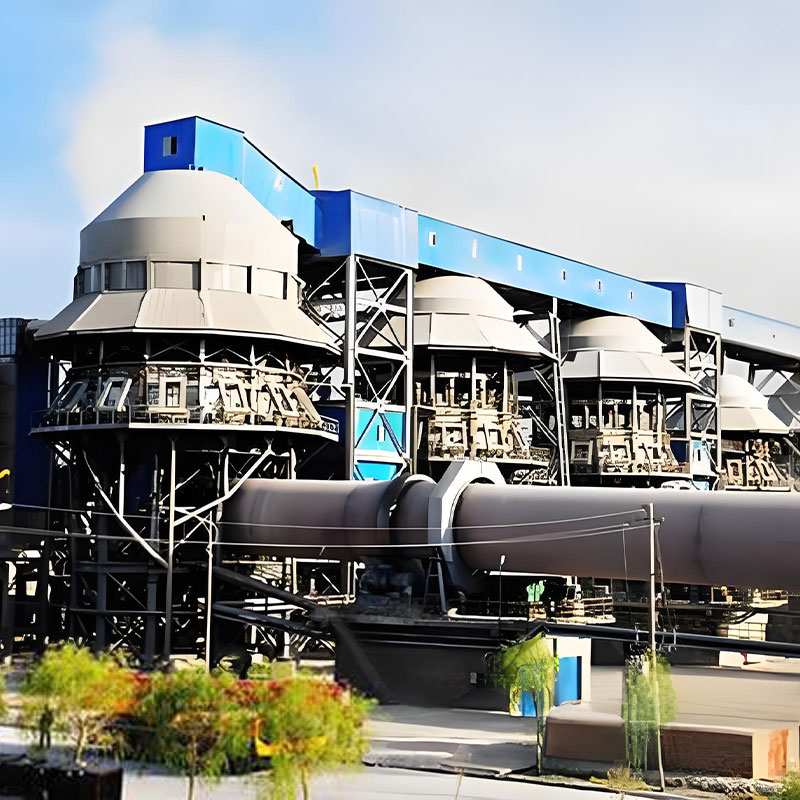
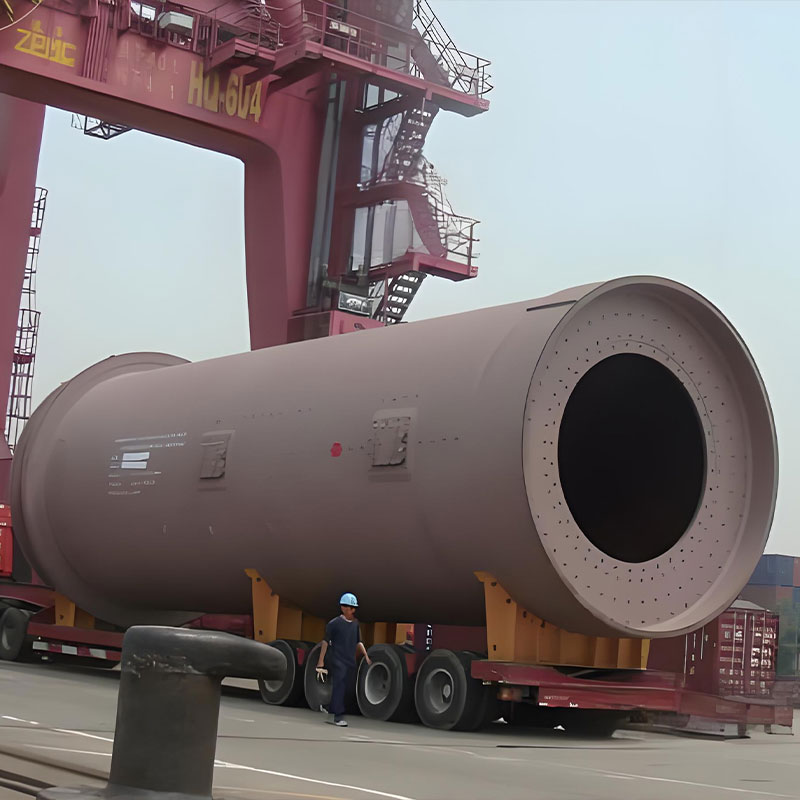
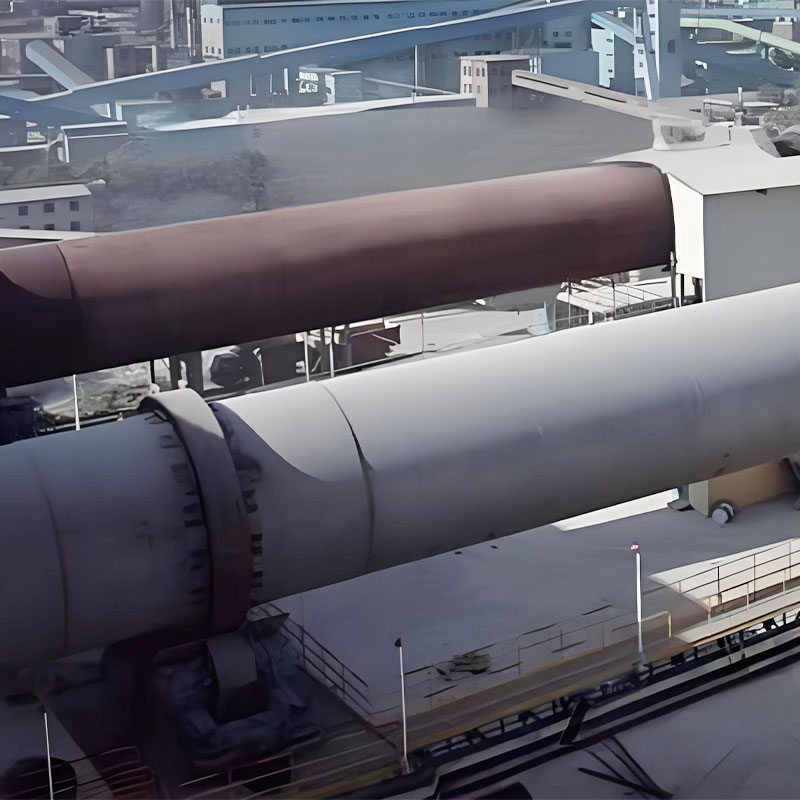
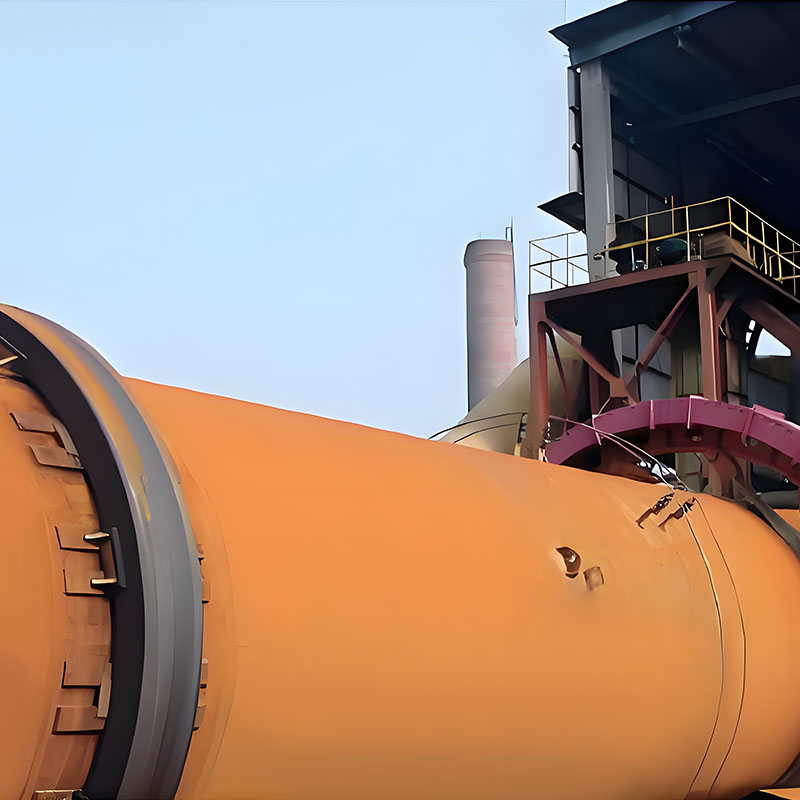
The heart of the cement plant is the rotary kiln, a long inclined cylinder that rotates slowly while material moves from the upper to the lower end. Inside it, temperatures reach about 1,450°C, and the raw meal sinters into clinker nodules. Kiln design, refractory lining, burner settings and rotation speed determine both output and fuel consumption. The same technology, in adapted form, serves lime and metallurgical processes.
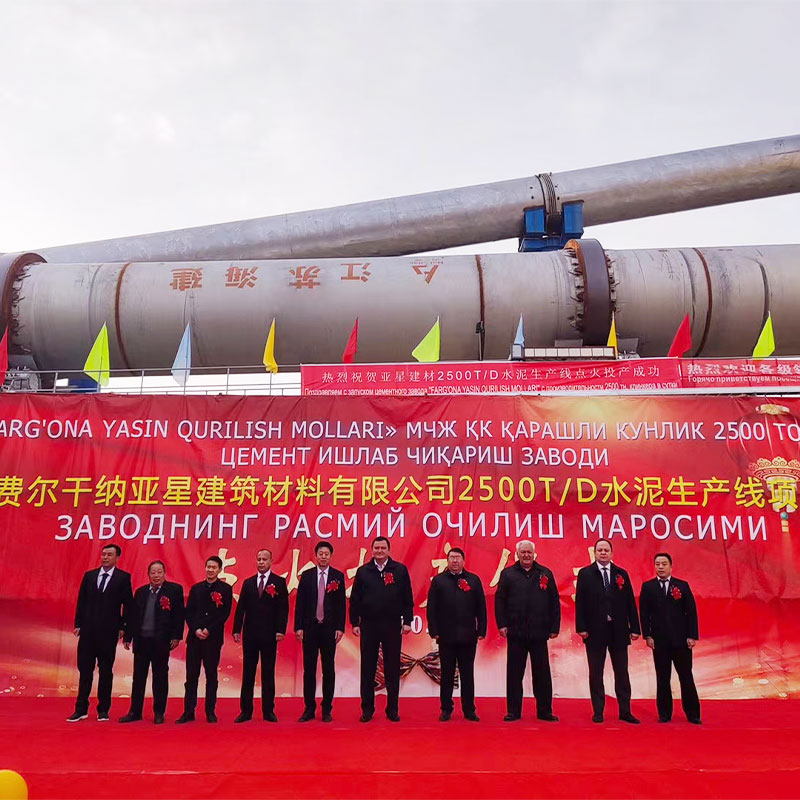 Rotary Kiln Manufacturers, Custom Rotary Kiln CompanyJiangsu Haijian Co., Ltd is China rotary kiln manufacturers and rotary kiln company, Specializing in the production of rotary kiln sale, ...View Product →
Hot clinker leaves the kiln at temperatures above 1,000°C. A grate cooler recovers heat from the clinker and returns it to the process as secondary air, which reduces fuel demand. Rapid, controlled cooling also stabilises clinker phases, and that directly affects the strength development of the finished cement.
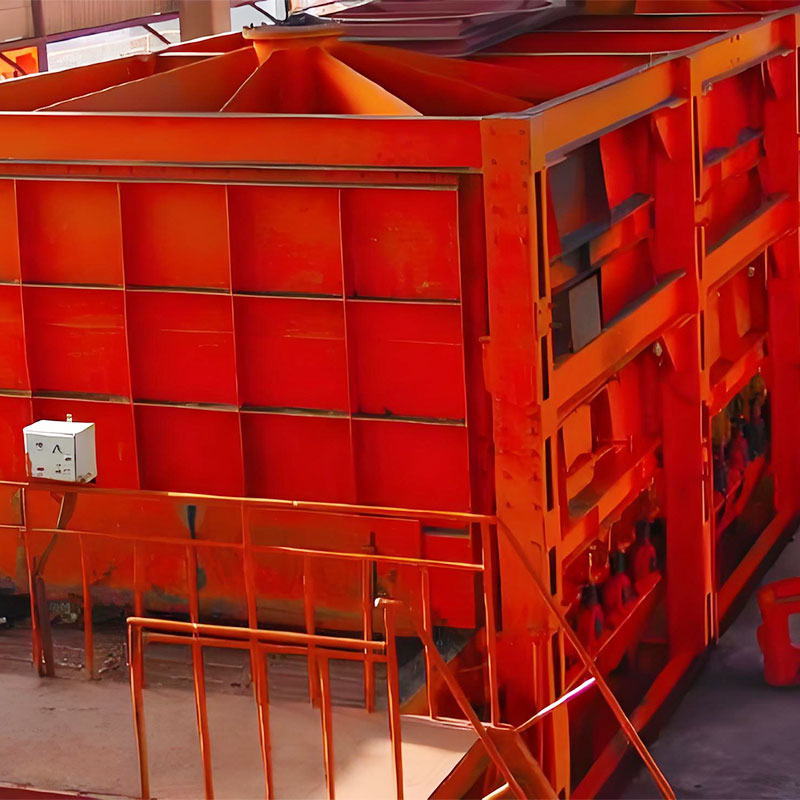 Grate cooler Manufacturers, Custom Grate cooler Company - Jiangsu Haijian Co., Jiangsu Haijian Co., Ltd is China Grate cooler manufacturers and Grate cooler company, customizable, Grate cooler is the core equipment ...View Product →
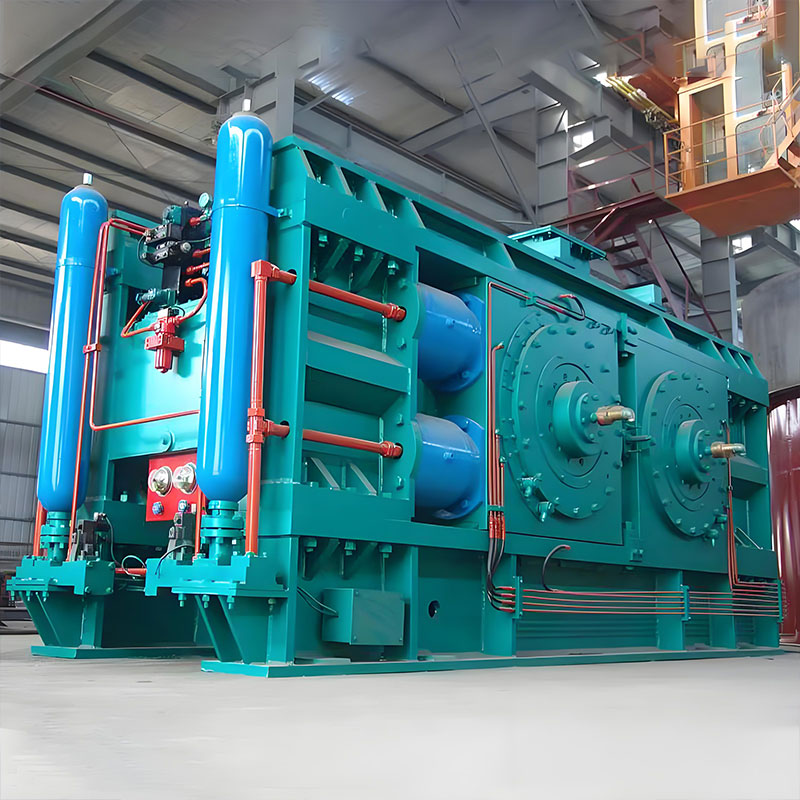
Clinker is ground with gypsum into fine powder in a cement mill. This stage consumes a large share of the plant's electricity, and the particle size distribution it produces determines how the cement performs in concrete. Some plants install a roller press upstream of the mill to cut energy use.
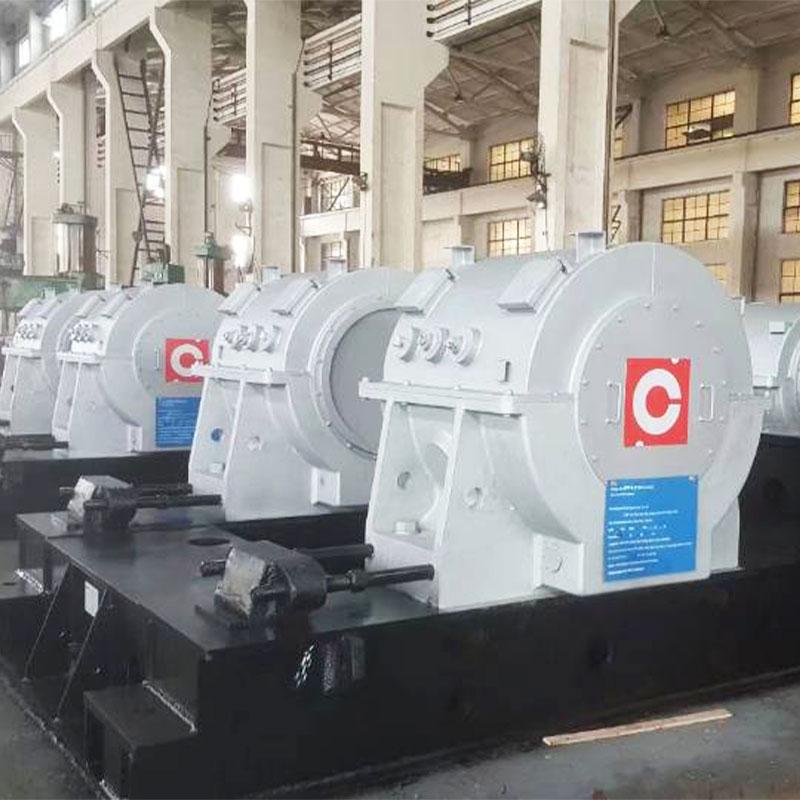
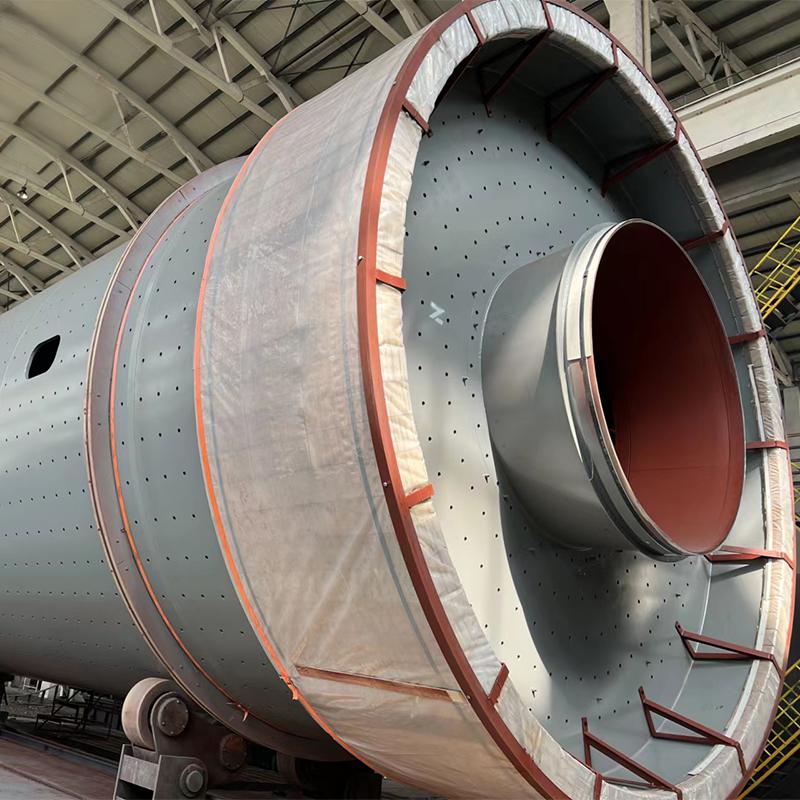 Cement Ball Mill Manufacturers, Cement Vertical Mill CompanyJiangsu Haijian Co., Ltd is China cement ball mill manufacturers and cement vertical mill company, Specializing in the production of ceme...View Product →
Cement production is one of the most energy-intensive industrial processes in the world. Knowing the typical cost structure helps plant owners see why some factories earn steady margins while others struggle with every batch.
| Cost component | Typical share of total cost |
|---|---|
| Energy (fuel and electricity) | 30-40% |
| Raw materials | 20-25% |
| Freight and distribution | 20-25% |
| Maintenance, labour and other | 15-25% |
Energy is the biggest single lever. Fuel for the kiln and electricity for grinding together account for roughly a third or more of operating costs. That is why preheater towers, high-recovery grate coolers and efficient grinding equipment pay for themselves over time. Raw material quality and transport distances matter almost as much: hauling limestone over long distances or buying clinker from far away can erase the advantages of a well-run kiln. In addition, depreciation and financing costs vary widely between a new greenfield plant and a site that is upgrading existing machinery; the capital outlay for the kiln, mills and auxiliary systems often decides whether a project is approved at all.
A cement production line is normally designed for a service life of 20 to 30 years. Once the foundations are poured and the machinery is installed, changing major equipment is expensive and disruptive. Decisions made during the design phase determine fuel consumption, electricity use, product quality and maintenance frequency for decades. Three points deserve special attention.
Not all limestone is the same. Moisture, hardness, silica content and abrasiveness affect which crusher and mill types can handle the feed reliably. A compound cone crusher may be the right choice for hard, abrasive stone, while an impact crusher handles softer and wetter material more economically.
In a modern plant, waste heat from clinker cooling and kiln exhaust is reused to preheat combustion air and raw meal. The difference between a well-integrated line and a poorly integrated one can be as much as 5-15% in fuel consumption. Grate cooler design and preheater configuration are the main levers here.
A rotary kiln cannot perform well if the preheater, cooler or burner system is undersized. A high-capacity cement mill is wasted if the cooler cannot deliver clinker at the right temperature. Suppliers with experience in complete cement production lines tend to avoid these mismatched bottlenecks.
Cement plants are under pressure to reduce dust, nitrogen oxides, sulphur dioxide and carbon dioxide. In many markets, the operating permit depends on meeting emission limits, which makes emission control a core part of the production line rather than an optional extra. Electric power desulfurization and denitrification systems and solid waste treatment equipment help plants manage by-products and handle alternative fuels. Alternative fuels such as refuse-derived fuel, waste oil and biomass are already used in many kilns; they cut both the carbon footprint and the fuel bill, but they bring new challenges in feed handling, clinker quality control and emissions monitoring. That is one more reason why modern kiln lines are designed with flexibility in mind.
If you are planning a new line or a major upgrade, these questions separate a smooth project from a costly one.
A practical next step is to review our guide on how to choose the right cement production line equipment, which covers the process and commercial questions in more detail. On the manufacturing side, you also want to confirm that the supplier has the machining capacity and quality-control systems to build heavy equipment reliably; the overview of our manufacturing facility shows what to look for in a fabricator.
The cement production industry rewards operators who take a whole-system view. Energy costs, raw material variability, environmental compliance and equipment reliability are all connected. A line that is designed, supplied and supported by an experienced manufacturer will produce not only cement but also a predictable cost per tonne over many years. That stability is the real measure of a good investment.
It is focused on the overall solution of dry bulk material port transfer system,
research and development, manufacturing, and service