Content
Laterite nickel ore is a nickel-bearing rock formed through the intense chemical weathering of ultramafic rocks in tropical and subtropical climates, where prolonged rainfall and heat leach out soluble elements while concentrating nickel, iron, and other metals near the surface. Unlike sulfide nickel deposits, which form through magmatic processes deep underground, laterite deposits develop gradually over millions of years through surface weathering, resulting in a distinct layered ore profile that requires specialized processing methods, often involving a laterite nickel ore roasting kiln, to extract usable nickel efficiently.
Today, laterite deposits represent a significant share of the world's known nickel resources, and as higher-grade sulfide deposits become increasingly scarce, laterite ore has become an increasingly important feedstock for global nickel production, particularly for battery-grade nickel used in electric vehicle supply chains.
Laterite nickel ore forms when ultramafic parent rocks, primarily peridotite and dunite, undergo intense chemical weathering under tropical climate conditions. Consistent high rainfall and warm temperatures gradually dissolve and leach silica and magnesium from the rock, while nickel, iron, and cobalt become relatively concentrated as more soluble elements are carried away by percolating groundwater.
This weathering process typically takes place over extremely long geological timeframes, often spanning millions of years, and occurs predominantly in tropical regions with stable, humid climates. Major laterite nickel deposits are concentrated in equatorial belts where these weathering conditions have persisted long enough to produce economically significant ore concentrations.
A defining characteristic of laterite nickel deposits is their vertical layering, which results directly from how weathering intensity and mineral solubility change with depth. Understanding this layered structure is essential for mining planning and processing method selection.
| Layer | Characteristics |
|---|---|
| Ferricrete / Iron Cap | Uppermost layer, iron-rich but generally low in nickel content |
| Limonite Zone | Iron oxide-rich layer with moderate nickel and cobalt concentration |
| Saprolite Zone | Silicate-rich layer typically holding the highest nickel grades |
| Bedrock | Unweathered parent ultramafic rock beneath the laterite profile |
Because nickel concentration and mineralogy differ substantially between the limonite and saprolite zones, mining operations often need distinct processing strategies depending on which layer is being extracted.
Laterite nickel ore is generally classified into two broad categories based on mineralogy and processing characteristics, each requiring different metallurgical approaches.
This mineralogical distinction is central to why processing facilities often invest in specific equipment configurations, since a limonite-heavy deposit and a saprolite-heavy deposit demand fundamentally different extraction pathways.
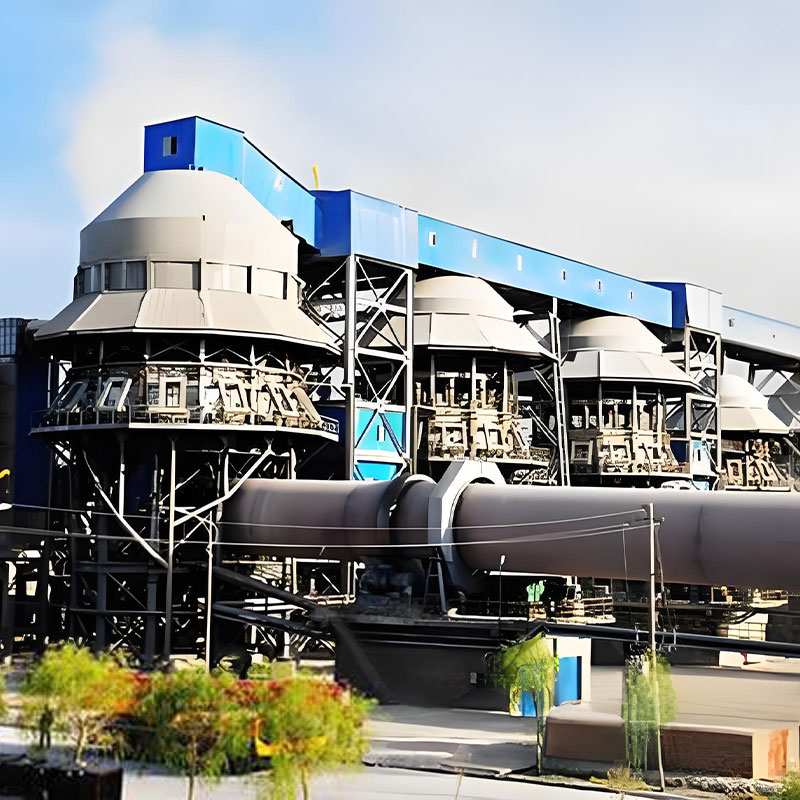
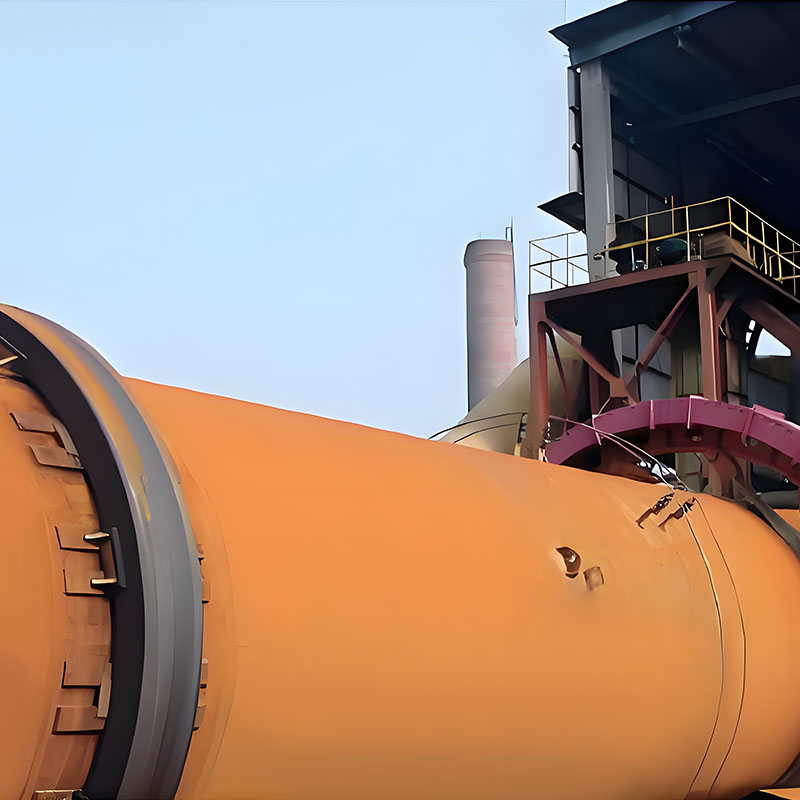
The pyrometallurgical approach, commonly used for saprolite-type ore, typically involves drying, calcining, and reducing the ore at high temperatures before smelting it into ferronickel or nickel matte. A laterite nickel ore roasting kiln plays a central role in this process, using controlled rotary kiln heating to remove moisture, drive off volatile compounds, and partially reduce nickel oxides before the material proceeds to electric furnace smelting.
For limonite-type ore, hydrometallurgical processing, most commonly high-pressure acid leaching, uses sulfuric acid under elevated temperature and pressure to dissolve nickel and cobalt directly from the ore, bypassing the need for high-temperature smelting altogether. This route is often preferred for lower-grade limonite material where pyrometallurgical processing would be less energy efficient.
Within the pyrometallurgical processing chain, the roasting kiln stage serves several critical functions that directly affect downstream smelting efficiency and final nickel recovery rates.
Consistent kiln performance is essential, since uneven roasting can lead to incomplete moisture removal or inconsistent reduction levels, both of which negatively affect smelting efficiency and overall nickel yield.
Several ore characteristics influence both the economic viability of a laterite nickel deposit and the most suitable processing method for extracting value from it.
| Factor | Processing Impact |
|---|---|
| Nickel Grade | Higher grades often favor pyrometallurgical smelting economics |
| Magnesium-to-Iron Ratio | Influences smelting energy requirements and slag chemistry |
| Moisture Content | Directly affects roasting kiln drying time and fuel consumption |
| Cobalt Content | Adds byproduct value, particularly relevant for battery material supply chains |
Global demand for nickel has shifted significantly with the growth of electric vehicle battery production, since nickel is a key component in several widely used lithium-ion cathode chemistries. As accessible high-grade sulfide deposits become harder to find, laterite nickel ore has taken on a growing role in meeting this demand, despite generally requiring more energy-intensive processing than sulfide ore.
This shift has driven increased investment in both hydrometallurgical and pyrometallurgical processing infrastructure, with rotary kiln-based roasting systems remaining a widely used method for preparing saprolite-type laterite ore ahead of ferronickel or nickel matte production.
Selecting appropriate processing equipment for laterite nickel ore requires careful attention to kiln design, thermal efficiency, and material handling capacity, since these factors directly affect both throughput and final product consistency. Key considerations include kiln length-to-diameter ratio, refractory lining durability, and the precision of temperature zone control across different sections of the rotary kiln.
As a manufacturer specializing in metallurgical and mining processing equipment, engineering a laterite nickel ore roasting kiln with reliable thermal control, durable construction, and consistent material flow is essential for operations aiming to maximize nickel recovery while managing energy costs. For processing facilities evaluating equipment options, working with a supplier that provides detailed technical specifications and application-specific guidance helps ensure the roasting kiln selected matches the specific mineralogy and throughput requirements of their laterite nickel ore feedstock.
It is focused on the overall solution of dry bulk material port transfer system,
research and development, manufacturing, and service