
 English
  русский
  Español
 Industry News
Home / News / Industry News / Alternative Fuels for Cement Kilns: Selection, Risks, and Equipment Impact
When a production manager decides to replace even 20% of the kiln's coal with shredded tyres, waste-derived fuel, or dried sewage sludge, the operation rarely fails at the burner. It fails in the preheater and in the quality of the clinker. The reason is not the fuel's energy content. The reason is the chemistry and the handling characteristics that accompany that energy. This article gives you a practical framework for evaluating alternative fuels for cement kilns, including what to measure, which risks to control, and which equipment modifications matter most before you commit to a higher substitution rate.
Content
A rotary kiln is not a general-purpose incinerator. It is a heat exchanger that also performs chemical reactions on a specific raw meal. The fuel must release heat at the right temperature, with a stable flame, without introducing components that re-circulate or destroy the protective coating on the kiln lining.
| Property | Typical Coal | Typical Alternative Fuels | Why It Matters |
|---|---|---|---|
| Net calorific value | 24–30 MJ/kg | 8–20 MJ/kg | Lower CV means larger fuel volume, more air, and more flue gas per tonne of clinker. |
| Chlorine | 0.01–0.05% | 0.2–2% in RDF, SLF | Chlorine cycles in the preheater and causes hard deposits and kiln rings. |
| Sulfur | 0.5–1.5% | 0.1–2% or more | High sulfur raises SO2 emissions and can destabilise kiln coating. |
| Alkalis (Na2O + K2O) | 0.1–0.3% | Variable, often higher | Alkali cycles reduce kiln capacity and increase dust loop load. |
| Moisture | 1–5% | 10–40% for sludge; 5–15% for biomass | Water evaporates in the kiln, lowering flame temperature and increasing fuel demand. |
| Ash content | 10–20% | Up to 30% for some RDF | Ash contributes to clinker composition and may force raw mix adjustments. |
| Particle size | Pulverised, <1 mm | 0–100 mm or more | Irregular sizing causes incomplete combustion, CO spikes, and rough flame. |
The two parameters with the greatest operational impact are chlorine and alkali. Both evaporate in the high-temperature zones and condense in cooler sections, creating a closed loop. Even a modest increase in chlorine input can lead to rapid build-ups in the preheater cyclone, an event that forces a kiln stop for cleaning.
Each fuel family carries a different set of handling, combustion, and chemical risks. The list below gives you a quick comparison from an operator's perspective.
Moving from coal to a blend of alternative fuels changes more than the fuel bill. You will see shifts in flame shape, gas flow, chemical cycles, and emission levels. Understanding these shifts before you invest avoids surprises.
Lower-calorific fuels require a larger fuel mass flow to deliver the same thermal input. That larger volume changes the burner momentum and flame length. If the burner is designed only for coal, you may get a long, unstable flame that over-heats the kiln shell and damages the refractory. Optimizing rotary kiln operation depends on matching the burner to the lower heating value and the particle size of the fuel blend.
Chlorine volatilises above approximately 700°C. At the preheater outlet, it condenses on dust and returns to the kiln. The same happens with potassium and sodium compounds. The result is a growing internal loop that can reduce kiln output, increase fuel consumption, and cause brick damage. In severe cases, the preheater can choke within days.
High-sulfur fuels raise SO2 emissions, although the calcium in the raw meal absorbs a share of it. At the same time, reducing conditions from incomplete combustion can lower NOx formation, but only at the cost of higher CO. This trade-off is often misunderstood, and each plant needs its own oxygen and secondary air balance.
Alternative fuels introduce ash with higher iron, phosphorus or zinc. A cement plant must adjust the raw mix or accept variations in clinker mineralogy. For long-term contracts, this can be a source of dispute if the clinker chemistry changes without agreement.
Not every kiln can handle the same substitution rate. The weakest link determines how much fuel you can blend. Below are the three areas where most plants make upgrades first.
When chlorine and alkali cycles increase, the preheater becomes the first bottleneck. Hard deposits in the cyclones restrict gas flow and force frequent cleaning. A preheater designed with larger bypass ratios or more accessible inspection hats can reduce downtime.
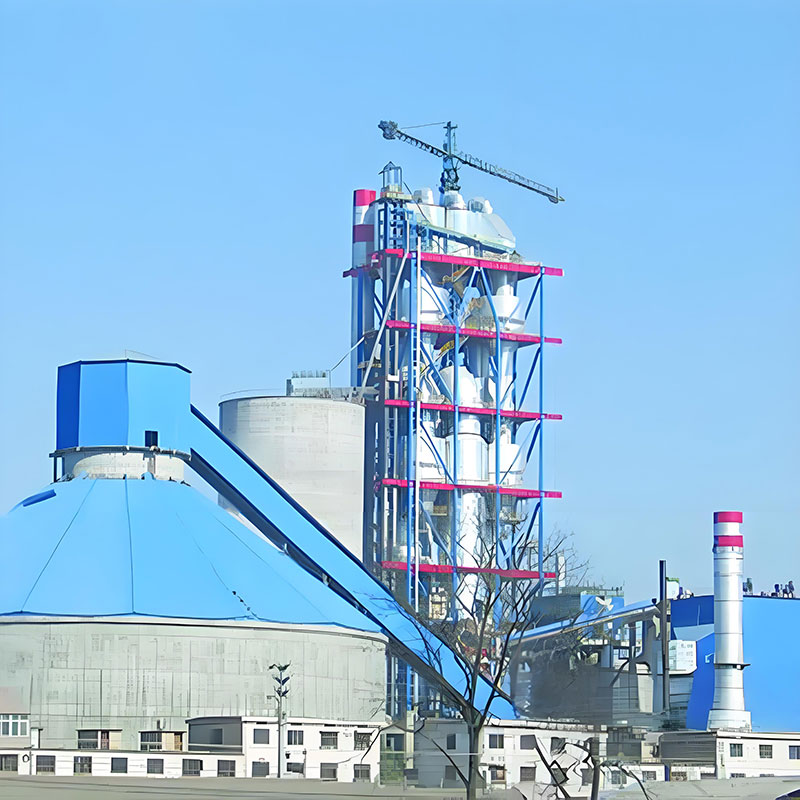
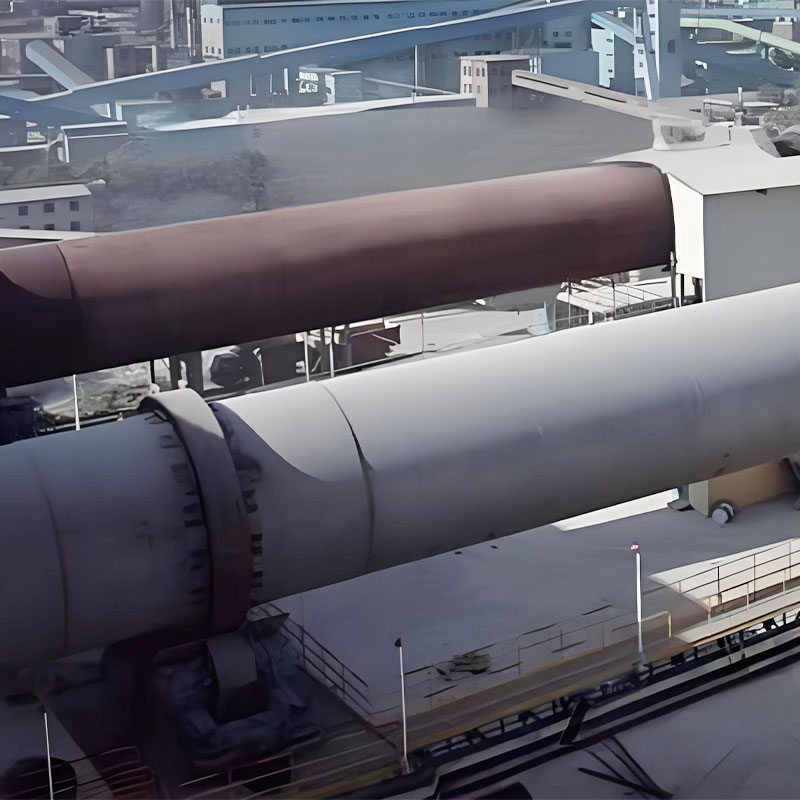
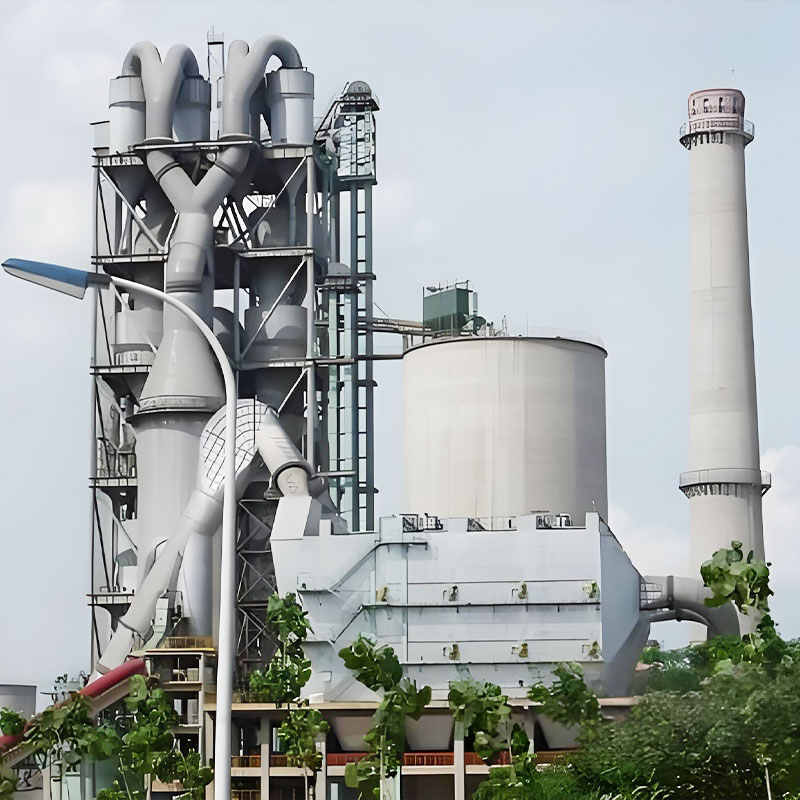 Preheater with improved bypass and inspection access for alternative fuel operationThe preheater's multi-stage suspension heat exchange and cyclone design can handle increased chlorine and alkali cycles. A preheater with larger bypass ratios and accessible inspection hats reduces downtime, making it a practical first step when fuel changes increase deposits.View Product →
Checking the design of your existing preheater against the chlorine and sulfur input from a new fuel is a practical first step. In many cases, a minor change to bypass or to the lowest cyclone modifications is enough.
The rotary kiln must accommodate a slower or longer flame, a wider range of ash fusion temperatures, and a more variable feed rate. A modern kiln shell with an integrated burner design gives you more control over the hot zone, which protects the refractory and helps maintain a stable coating.
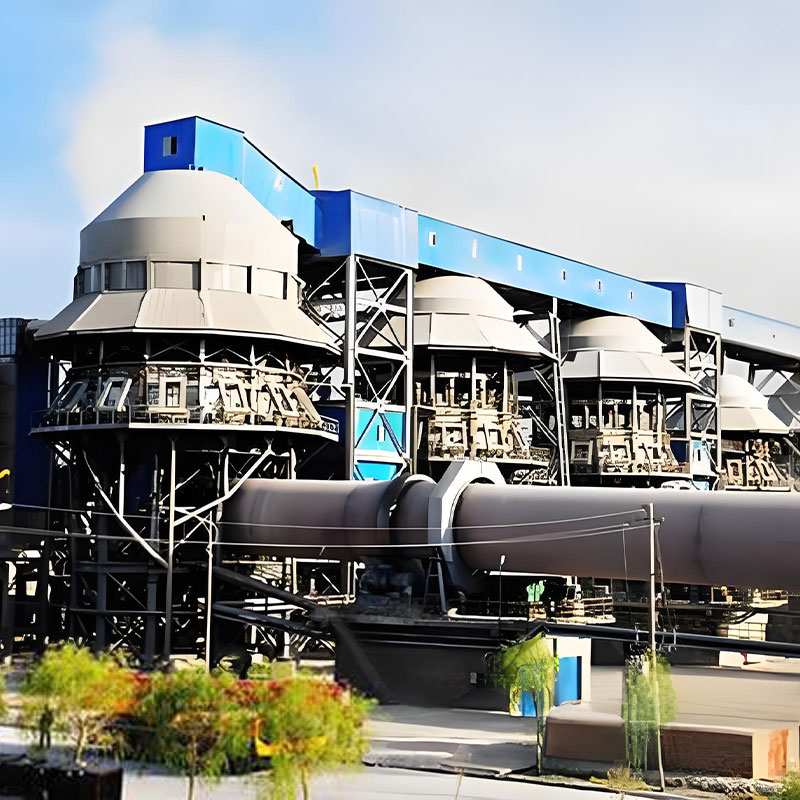
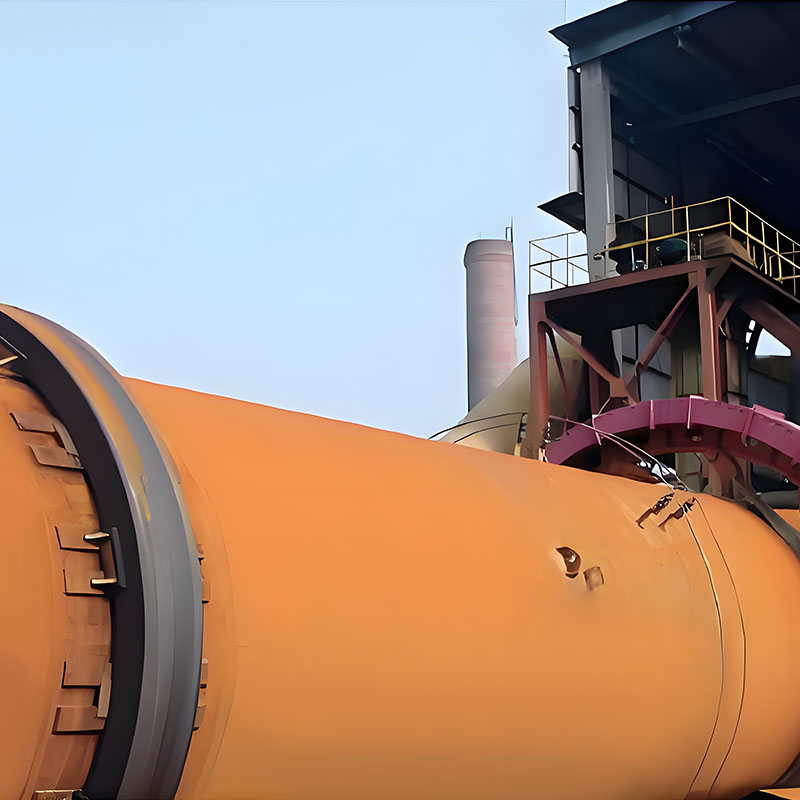
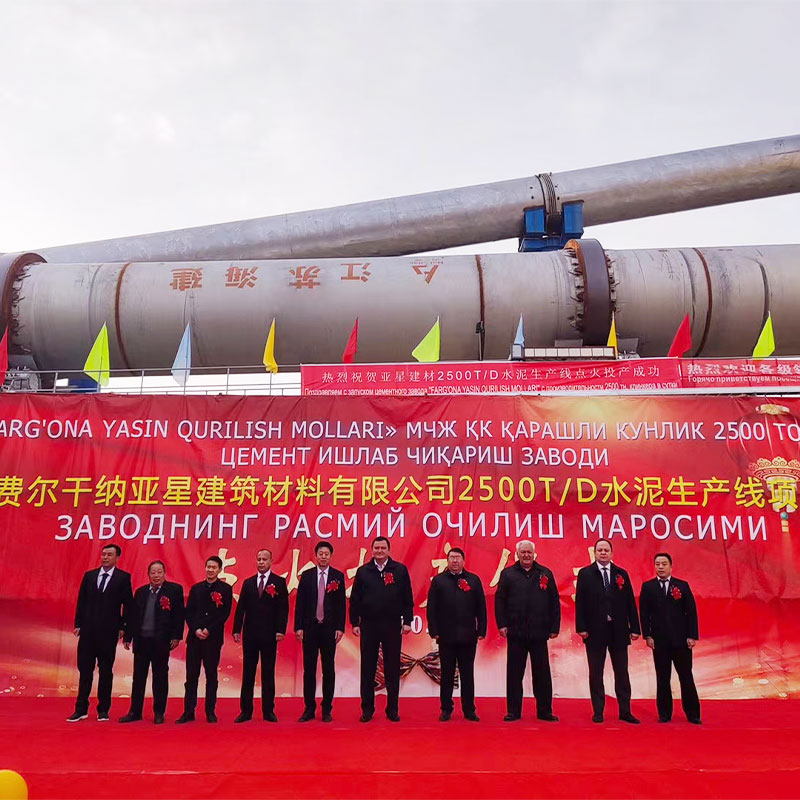 Rotary kiln with advanced burner and monitoring system for stable operationThe rotary kiln integrates hydraulic blocking, metering pumps, and infrared scanning to control the hot zone and protect refractory. It increases operation rate by 3-5% and reduces heat consumption by 15%, supporting stable coating with variable fuels.View Product →
If you are running a lime rotary kiln or a metallurgical rotary kiln, the same principles apply, but the raw material chemistry will dictate different limits for alternative fuels.
Solid alternative fuels such as RDF or biomass often need grinding or shredding before feeding. A coal vertical roller mill can be adapted for co-grinding, but moisture and abrasiveness change the grinding capacity. You may need to de-rate the mill or keep a separate unit for waste-derived fuels.
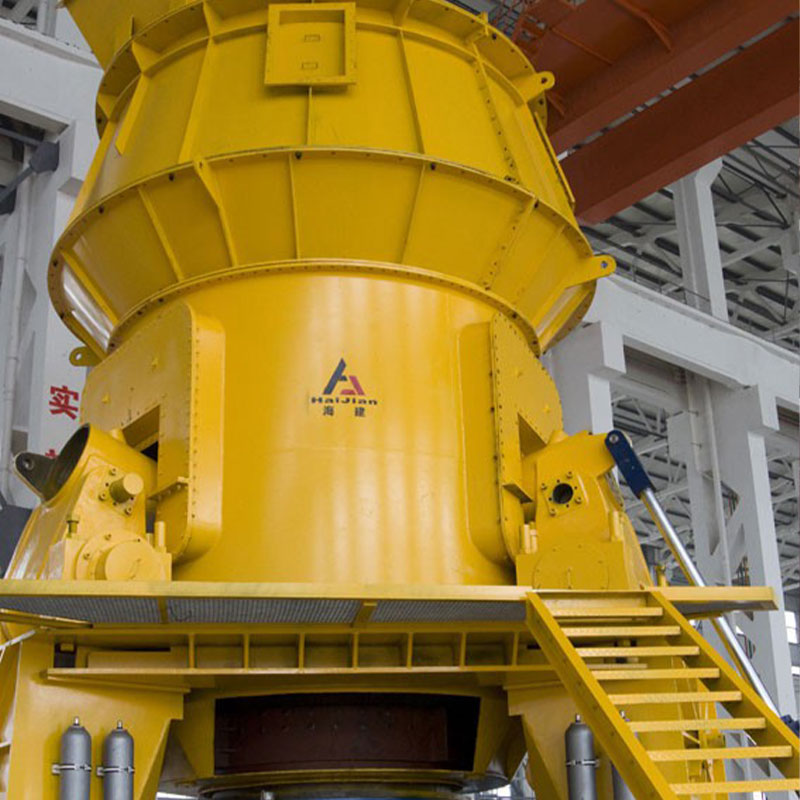
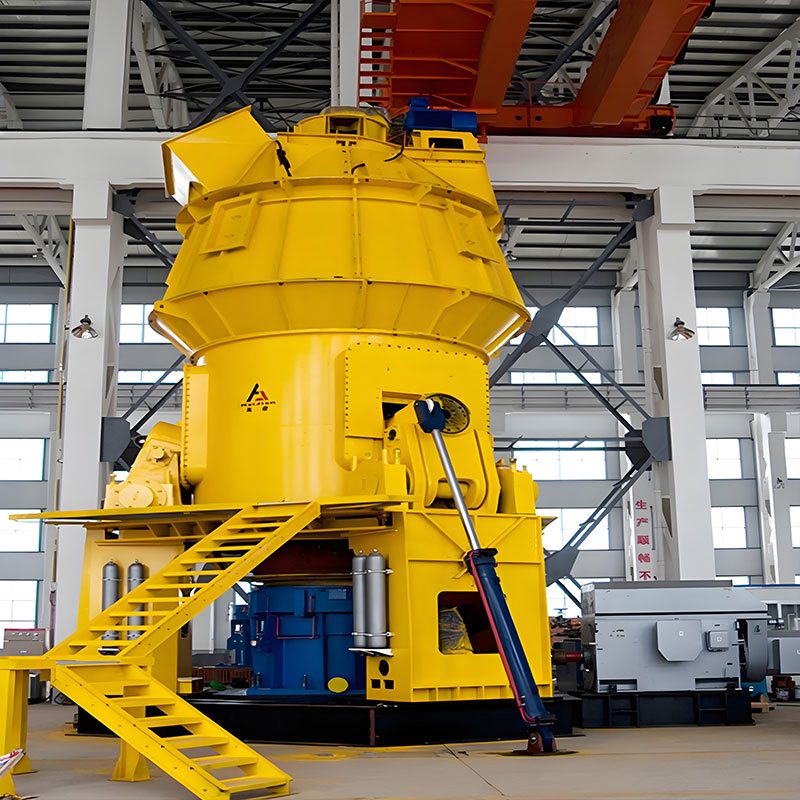 Coal VRM adaptable for co-grinding alternative fuels with moisture controlThe coal vertical roller mill uses dynamic separation and intelligent control for precise particle size. It can be adapted for co-grinding RDF or biomass, but moisture and abrasiveness require de-rating or separate units, making it essential to evaluate system design for fuel changes.View Product →
The mill's gas inlet temperature and the selection of grinding elements must suit the higher moisture content of these fuels. If the system is not designed for it, you will see lower output and higher maintenance costs.
Before committing to a fuel substitution program, use this checklist as a procurement and engineering gate. It will save you from the expense of re-engineering after a failed trial.
When these questions are answered, you can set realistic targets for substitution rate and avoid the common trap of treating alternative fuels as a simple coal swap. Contact your equipment supplier with your fuel analysis and current kiln parameters to get a first-pass assessment.
Alternative fuels for cement kilns are not a one-size-fits-all answer. They can cut fossil fuel cost and emissions, but they also introduce operational complexity. The plants that succeed are the ones that start with a complete fuel characterisation, a realistic equipment review, and a clear agreement with their kiln supplier about the limits. The investment in a better preheater, a more flexible burner, or an adapted fuel preparation system is usually less expensive than the downtime caused by bad fuel chemistry.
It is focused on the overall solution of dry bulk material port transfer system,
research and development, manufacturing, and service