Content
Industrial waste treatment equipment refers to the machinery and systems used to collect, process, reduce, and dispose of solid, liquid, or gaseous waste generated by industrial production activities. It covers a wide range of machines such as rotary dryers for solid waste, desulfurization and denitrification towers for flue gas, and mobile crushing stations for construction and mining residue. The core purpose of this equipment is to turn hazardous or low-value waste into harmless, reusable, or easily disposable materials, helping factories meet environmental protection standards while lowering long-term operating costs.
Unlike household waste bins or simple filters, industrial waste treatment equipment is engineered for continuous, heavy-duty operation. Many systems run 24 hours a day inside cement plants, power stations, mining sites, and chemical factories, processing tens or even hundreds of tons of material per hour. As a result, the design of this equipment must balance three factors: treatment efficiency, energy consumption, and structural durability under harsh industrial conditions.
Industrial waste is not a single substance, so a single machine cannot solve every problem. Manufacturers typically divide industrial waste treatment equipment into three broad categories based on the physical state of the waste being processed.
Solid industrial waste includes slag, sludge, fly ash, and organic residue. Equipment in this category usually includes rotary dryers, crushers, screening machines, and briquetting presses. These machines reduce the moisture content and particle size of the waste, making it easier to transport, store, or reuse as raw material in cement or building material production.
Flue gas from power plants and industrial boilers contains sulfur dioxide and nitrogen oxides that must be reduced before release into the atmosphere. Desulfurization and denitrification equipment uses chemical absorption towers, catalytic reactors, and dust collectors to remove these pollutants, often achieving removal rates above 90 percent when properly maintained.
For construction demolition waste, mining overburden, and mixed industrial debris, mobile type crushing stations allow processing to happen directly at the job site. This eliminates the cost and emissions of transporting bulky waste to a fixed plant, and the crushed material can often be reused immediately for road base or backfill.
| Equipment Type | Waste Form | Typical Application |
|---|---|---|
| Rotary Dryer System | Solid / Sludge | Sludge drying, cement kiln co-processing |
| Desulfurization Tower | Gas | Power plant flue gas cleaning |
| Movable Crushing Station | Solid / Bulk debris | Mining, construction, demolition sites |
While each machine has its own mechanism, most industrial waste treatment equipment follows a similar four-stage process:
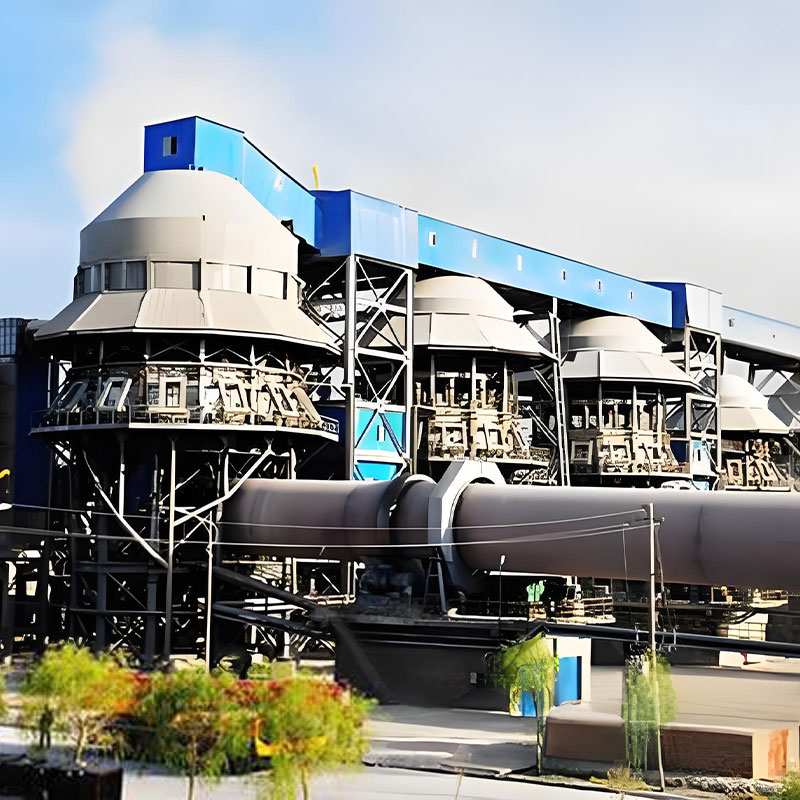
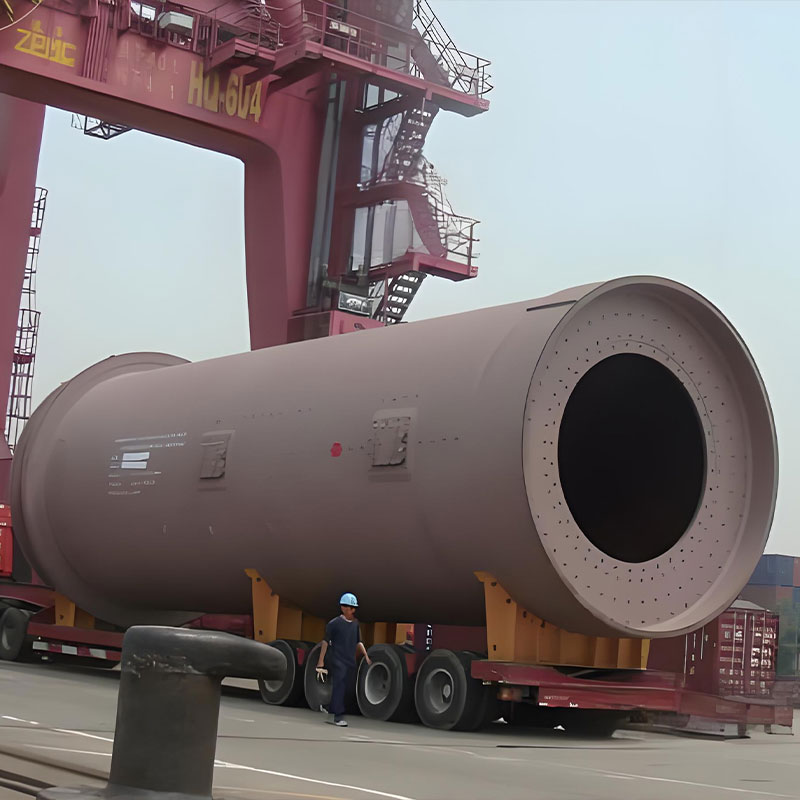
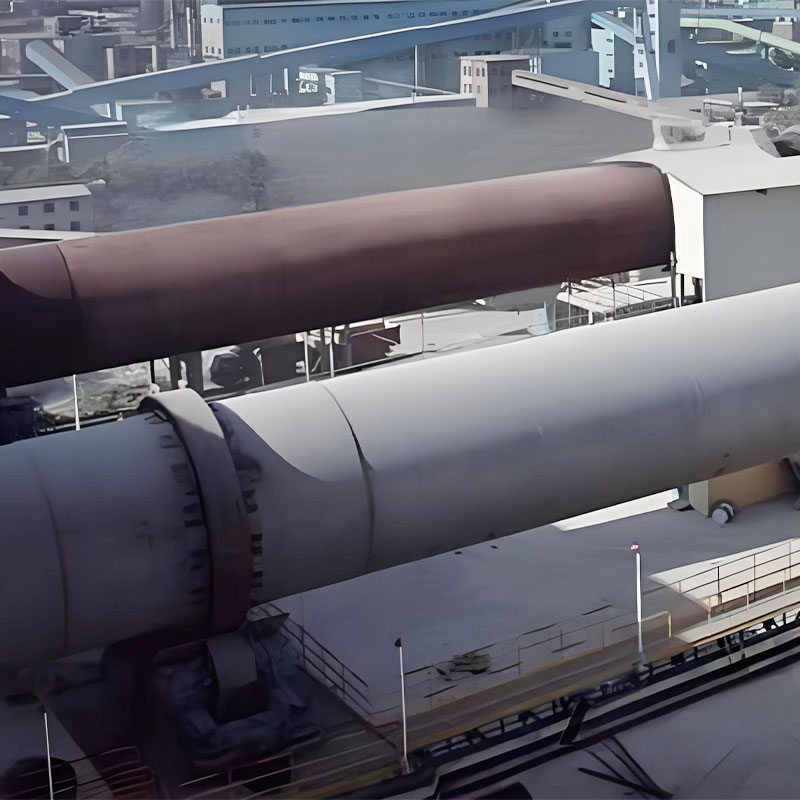
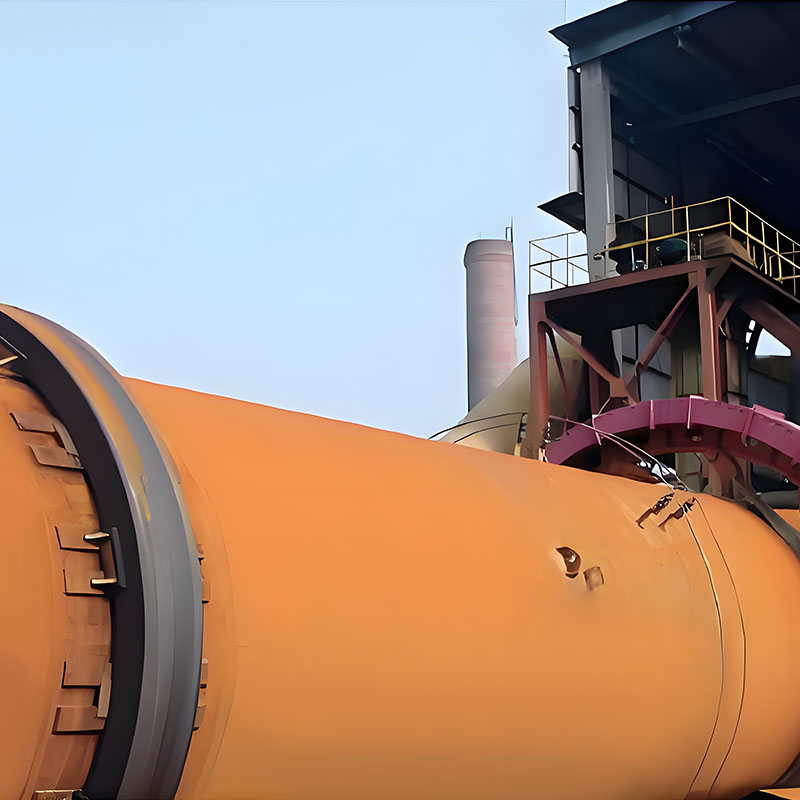
In a solid waste rotary dryer, wet sludge enters a rotating cylindrical drum where hot air reduces the moisture content from over 60 percent to under 15 percent. The dried material can then be co-processed as an alternative fuel in cement kilns, turning a disposal cost into a resource input.
This is a common practice among modern cement production lines that integrate environmental protection equipment directly into their manufacturing process.
Choosing the right industrial waste treatment equipment is not only about capacity. Factories should evaluate several practical factors before purchase.
Underestimating capacity is one of the most common mistakes. If a plant generates 50 tons of sludge per day but installs a dryer rated for only 30 tons, the backlog will quickly create storage and odor problems. It is generally recommended to select equipment with at least 15 to 20 percent extra capacity beyond current output.
Industrial waste treatment equipment is used across many heavy industries, each with distinct waste profiles.
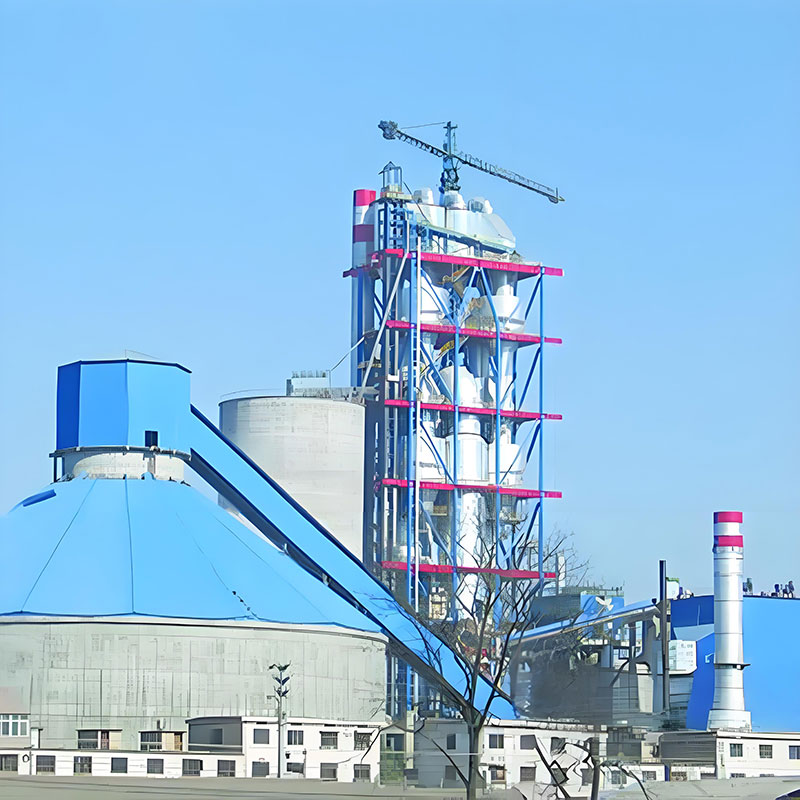
Cement plants often integrate solid waste treatment systems directly into their production lines, using dried waste as alternative raw material or fuel, which reduces both landfill dependency and raw material costs.
Coal-fired and biomass power stations depend heavily on desulfurization and denitrification of electric power systems to control flue gas emissions and comply with air quality regulations.
Mining operations generate large volumes of overburden and tailings, which movable type crushing stations can process on-site, cutting transportation costs and speeding up land rehabilitation.
Demolition debris such as concrete and brick can be crushed and screened into recycled aggregate, which is increasingly used in road base and non-structural concrete applications.
Many factory managers hesitate to invest in industrial waste treatment equipment because of the upfront cost. However, the return on investment often comes from three directions: avoided landfill or disposal fees, recovered material value, and reduced risk of environmental penalties. For instance, converting dried sludge into alternative fuel can offset a portion of a cement kiln's coal consumption, while recycled aggregate from crushed demolition waste can be sold or reused instead of purchasing new raw aggregate.
| Benefit Category | Example Outcome |
|---|---|
| Disposal cost avoidance | Lower landfill and transport fees |
| Material recovery | Reused as fuel, aggregate, or raw material |
| Regulatory compliance | Reduced risk of fines or shutdown orders |
Haijian Stock designs and manufactures a full range of industrial waste treatment equipment, including solid waste treatment dryers, desulfurization and denitrification systems for electric power plants, and movable type crushing stations for mining and construction sites. The company focuses on combining environmental protection performance with the durability required for continuous heavy-duty operation, which is why its equipment is applied across cement production lines, metallurgical plants, and pressure vessel manufacturing facilities.
Beyond equipment manufacturing, Haijian Stock also provides engineering support to help clients select the correct configuration based on waste type and processing volume, along with after-sales service to keep systems running at their designed efficiency. This end-to-end approach helps industrial clients reduce downtime while staying compliant with evolving environmental protection standards.
As environmental regulations tighten worldwide, industrial waste treatment equipment is moving toward higher automation, lower energy consumption, and better integration with resource recovery systems. Sensors and control software now allow operators to monitor emission levels in real time, adjusting chemical dosing or airflow automatically to maintain compliance without manual intervention. At the same time, more manufacturers are designing modular and mobile systems that can be deployed quickly at temporary sites, reducing the need for permanent infrastructure.
For factories planning long-term expansion, choosing equipment that can be upgraded or expanded incrementally is often more practical than a single large fixed installation. This flexibility allows waste treatment capacity to grow alongside production output, avoiding the need for a complete system replacement every time regulations or production volumes change.
It is focused on the overall solution of dry bulk material port transfer system,
research and development, manufacturing, and service