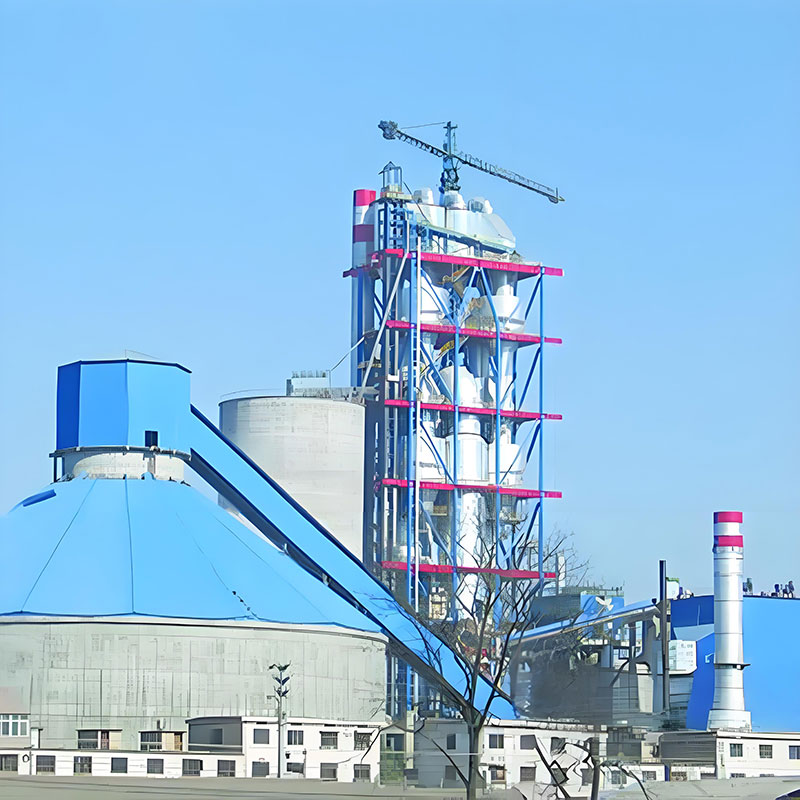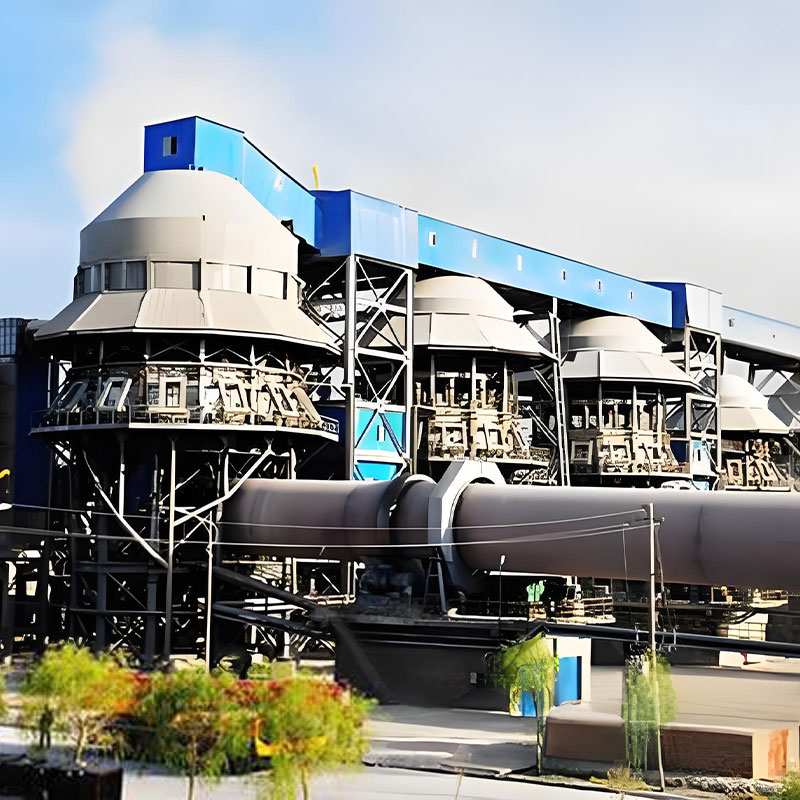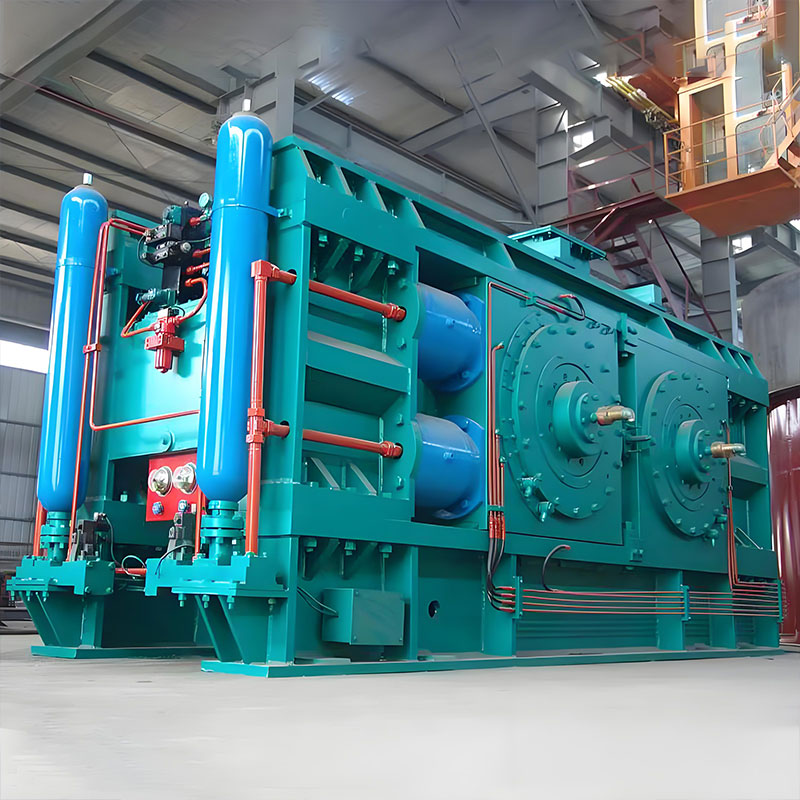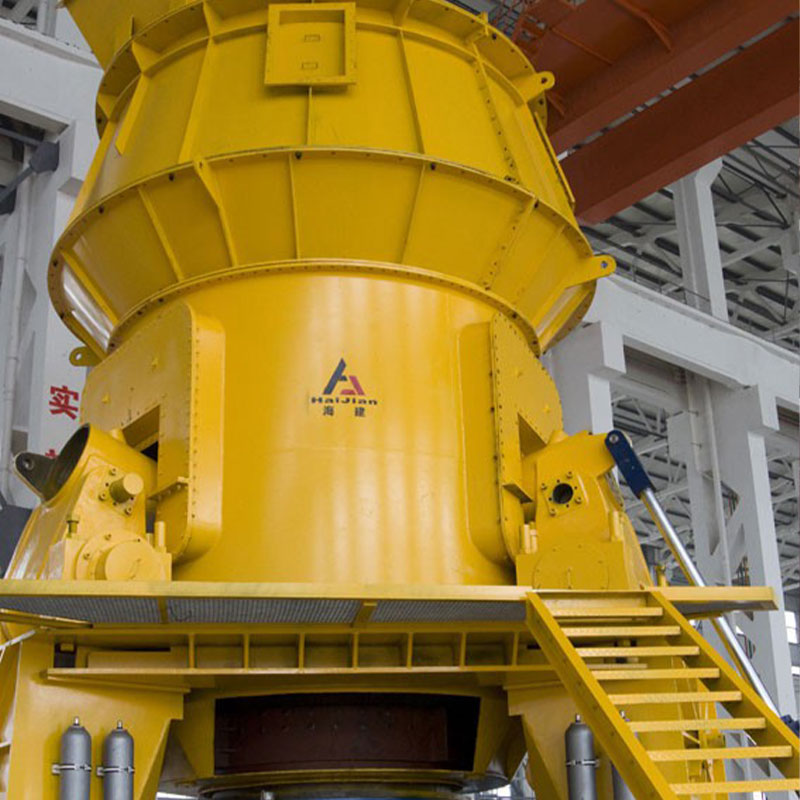
Cement is made primarily from limestone, clay or shale, and iron ore, blended in precise proportions and heated to around 1,450°C in a rotary kiln to form clinker, which is then ground with gypsum to produce the finished powder. Roughly 80% of the raw mix is limestone, which supplies the calcium needed for the chemical reactions that give cement its binding properties. The remaining materials, mainly clay and small amounts of iron ore or sand, supply the silica, alumina, and iron oxide required to complete the chemistry. Every step of this transformation, from crushing raw rock to packaging finished powder, takes place across a coordinated cement production line rather than in a single machine, and the consistency of that line determines whether the final product meets strength and durability standards.
Content
Cement chemistry depends on four main oxide sources: calcium, silica, alumina, and iron oxide. These come from a small set of naturally occurring raw materials that are widely available near most production sites, which is one reason cement manufacturing tends to cluster close to limestone quarries rather than near end markets.
Limestone is the dominant raw material by volume, contributing the calcium carbonate that becomes calcium oxide when heated. It typically makes up the largest share of the raw mix feeding into a cement production line, and its purity has a direct effect on clinker quality. High-calcium limestone with low silica and alumina impurities is generally preferred because it produces a more predictable chemical reaction during calcination.
Clay or shale supplies silica and alumina, the components that give cement its structural and setting properties once combined with calcium compounds during calcination. These materials are usually softer and more abundant near limestone deposits, which simplifies logistics for many plants.
Small quantities of iron ore or sand are added to adjust the iron oxide and silica ratios, helping the raw mix reach the correct chemical balance before it enters the kiln. Without this fine-tuning, the resulting clinker can set too quickly or too slowly, affecting the workability of concrete made from the finished cement.
Unlike the other raw materials, gypsum is not part of the kiln feed. It is added after clinker cooling, during the final grinding stage, in a proportion usually between 3% and 5%. Gypsum regulates how quickly cement begins to set once mixed with water, preventing flash setting that would make the material unworkable on a job site.
While exact ratios vary by plant and target cement grade, a standard raw mix follows a fairly consistent pattern across most cement production line operations. Engineers commonly express these ratios using indices such as the lime saturation factor and the silica ratio, which help keep the chemistry within a workable range across different quarry sources.
| Raw Material | Approximate Share | Primary Contribution |
|---|---|---|
| Limestone | About 80% | Calcium oxide (CaO) |
| Clay or Shale | About 15% | Silica and alumina |
| Iron Ore / Sand | Under 5% | Iron oxide balance |
| Gypsum | Added after calcination | Controls setting time |
Plants that produce specialty cements, such as sulfate-resistant or low-heat formulations, adjust these ratios further by limiting specific compounds or substituting materials like fly ash and slag as partial replacements for clay.
Turning raw rock into finished cement powder requires a sequence of coordinated equipment stages, each of which must operate within tight tolerances to keep the final product consistent. A complete cement production line typically follows this process:
Each of these stages depends on the one before it. If crushing produces oversized particles, downstream grinding equipment works harder and consumes more energy; if preheating is inefficient, the kiln must burn more fuel to reach calcination temperature. This is why plant operators typically evaluate a cement production line as an integrated system rather than a collection of independent machines.
Cement can be manufactured using either a dry process or a wet process, and the choice affects both raw material handling and energy consumption. In the dry process, raw materials are ground and blended as a dry powder before entering the preheater and kiln. In the wet process, raw materials are mixed with water to form a slurry before entering a longer kiln.
The dry process is now the dominant method worldwide because it consumes significantly less fuel per ton of clinker, since no water needs to be evaporated before calcination can begin. Wet process lines remain in use in some regions where raw materials have naturally high moisture content, but most new cement production line installations are built around dry process technology paired with multi-stage preheaters and precalciners for maximum thermal efficiency.
Once calcined, the raw materials recombine into four primary clinker compounds that determine strength development and setting behavior. Understanding these compounds helps explain why raw material ratios must be controlled so precisely throughout the cement production line.
| Compound | Common Name | Role in Cement |
|---|---|---|
| Tricalcium silicate | Alite | Drives early strength development |
| Dicalcium silicate | Belite | Contributes long-term strength |
| Tricalcium aluminate | Aluminate phase | Affects early reaction and setting speed |
| Tetracalcium aluminoferrite | Ferrite phase | Provides the grey color and supports durability |
The relative proportion of alite and belite in particular determines how quickly a cement gains strength after mixing. Cements formulated with a higher alite content are commonly used where fast early strength is required, such as in precast concrete production, while higher belite content is favored in mass concrete pours where controlling heat generation matters more than early strength.
Calcining raw meal into clinker is the most energy-intensive stage of cement manufacturing, since reaching and maintaining temperatures near 1,450°C requires a continuous, high-volume heat source. Coal, petroleum coke, and natural gas are the most common kiln fuels, though many plants now blend in alternative fuels such as processed waste materials to reduce fossil fuel dependence.
Thermal efficiency improvements in preheating and precalcination can meaningfully reduce fuel consumption per ton of clinker, which is why modern cement production line designs place heavy emphasis on multi-stage cyclone preheaters and grate cooler heat recovery. Recovered heat from the cooling stage is frequently redirected to dry incoming raw materials or to generate supplementary power, improving the overall energy balance of the plant.
Because small deviations in raw material ratios can noticeably affect strength and setting time, most cement plants operate continuous sampling and laboratory testing at multiple points along the line. Typical quality control checkpoints include:
Automated X-ray analyzers are widely used in modern plants to provide near real-time feedback on raw meal and clinker composition, allowing operators to make small adjustments to the raw mix before quality problems can affect an entire batch of finished cement.
Because cement's final quality depends on precise material ratios and consistent high-temperature processing, the reliability of individual equipment stages directly affects clinker quality and energy consumption. Poorly matched crushers, mills, or kilns can lead to uneven particle size, inconsistent calcination, and higher fuel use per ton of clinker produced, all of which raise production costs over time.
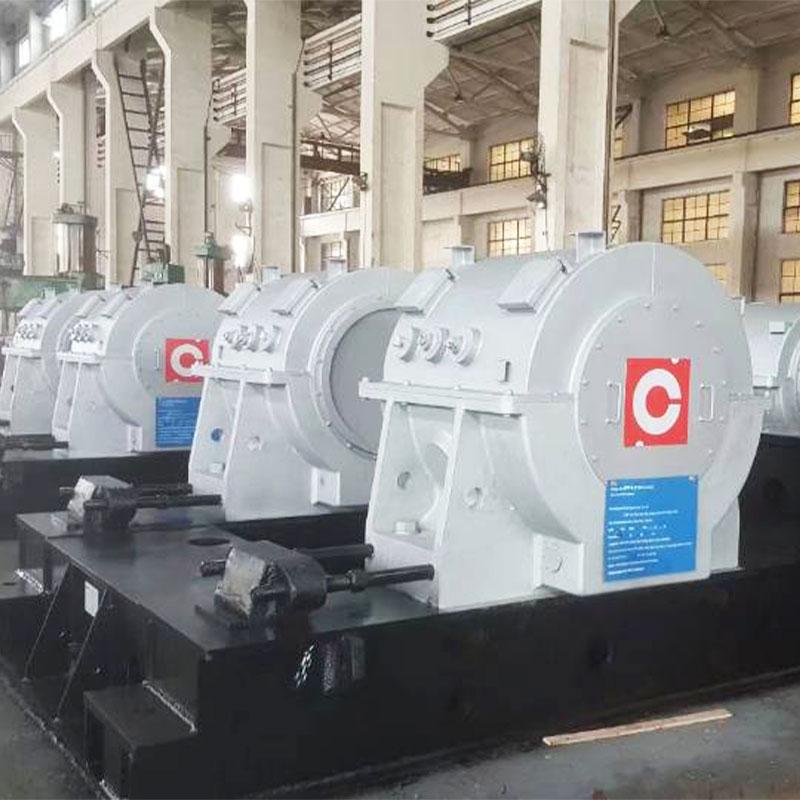
Key equipment groups that influence output quality include:
Plant operators upgrading an existing cement production line often find that targeted improvements to a single bottleneck stage, such as replacing an older ball mill with a vertical roller mill, can improve overall throughput without requiring a full rebuild of the line.
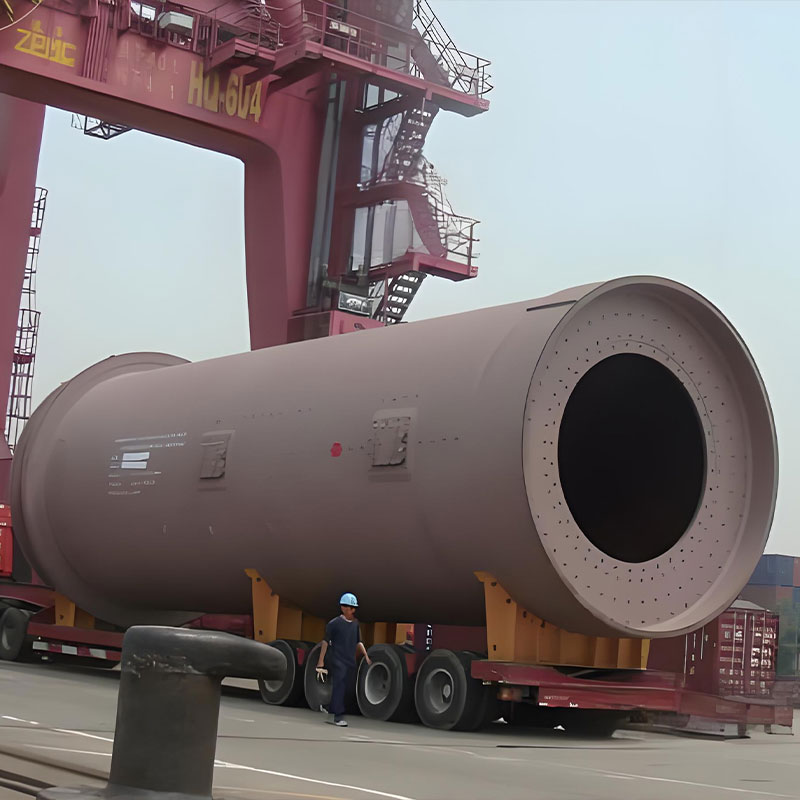
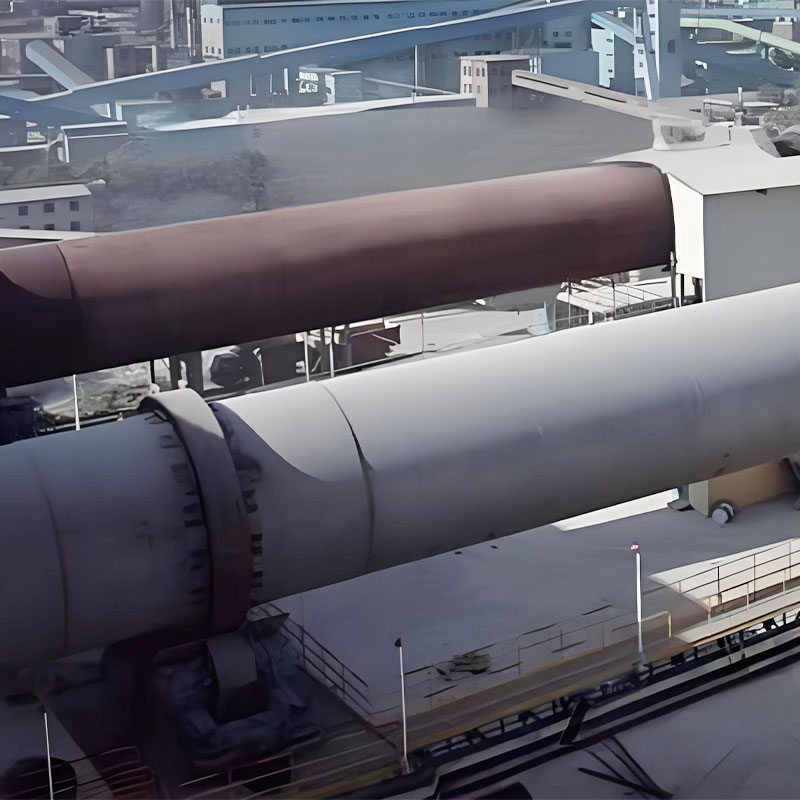
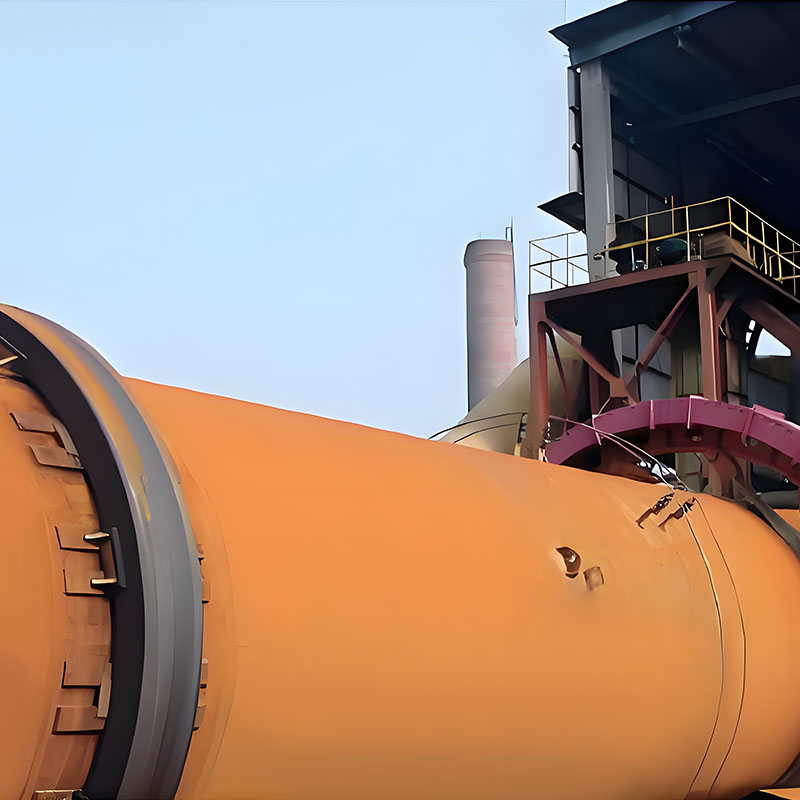
Jiangsu Haijian Co., Ltd. supplies complete cement production line equipment covering both dry and wet process technologies, including crushers, raw material and coal vertical roller mills, preheaters, rotary kilns, grate coolers, and cement grinding stations. Established in 1970 and operating from a 100,000 square meter facility, the company's engineering and technical staff account for 25% of its workforce, supporting the design and manufacture of large-format components such as rotary kilns and grinding mills.
Manufacturers and plant operators evaluating a cement production line upgrade or new build can review Haijian's full equipment range, from crushing and pre-homogenization systems through to final packaging, to match machinery specifications with their target output and raw material profile.
It is focused on the overall solution of dry bulk material port transfer system,
research and development, manufacturing, and service