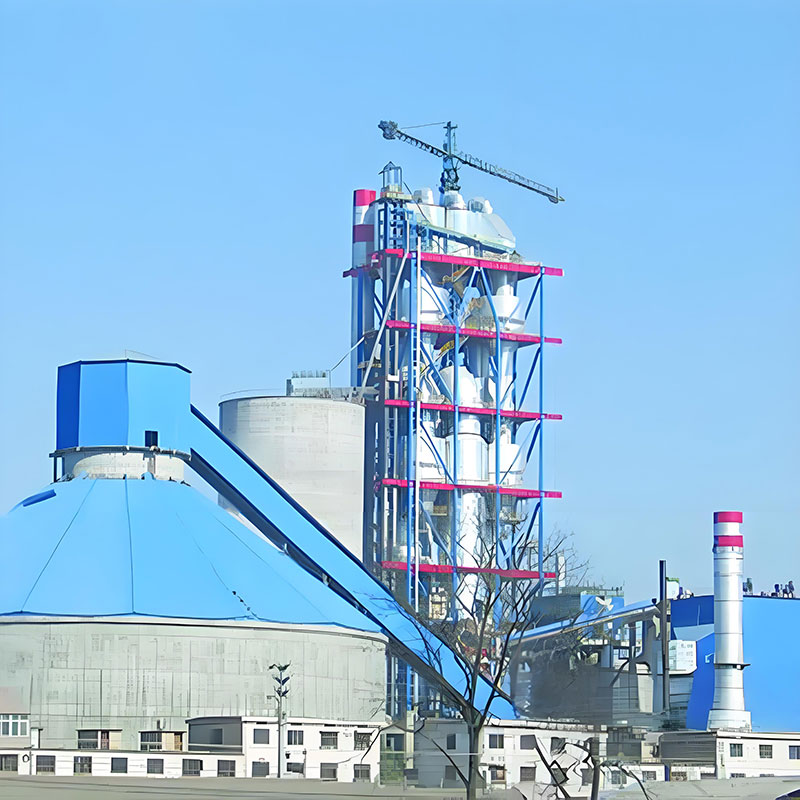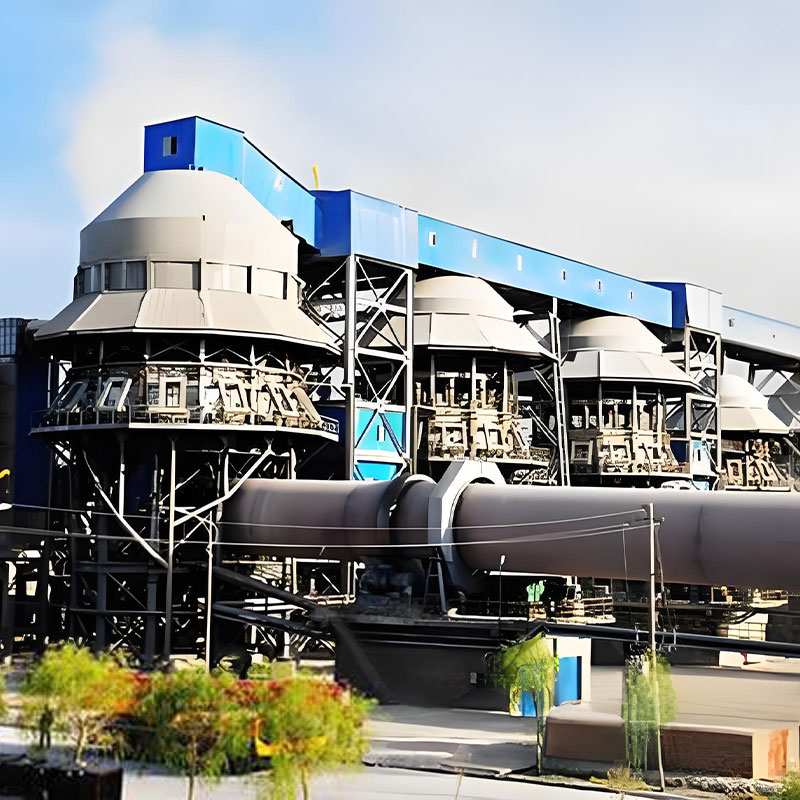
The single most important factor when choosing cement production line equipment in 2026 is matching total system capacity to your projected 5-year demand — not just current output requirements. Plants that undersize their cement production line at commissioning typically spend 40–60% more on retrofits and shutdowns within three years than those that planned ahead. This guide gives you eight concrete criteria to evaluate before committing to any equipment configuration.
Content
Every downstream equipment decision — kiln diameter, raw mill capacity, preheater stages, cooler size — flows from one number: your daily clinker production target in metric tons per day (tpd). Getting this wrong by even 15% cascades into mismatched equipment across the entire cement production line.
Use these standard scale categories as a starting framework:
| Production Scale | Daily Output (tpd) | Annual Output (Mt/yr) | Typical Kiln Diameter |
|---|---|---|---|
| Mini / Regional | 300–700 | 0.1–0.25 | Φ2.5–3.2 m |
| Medium | 1,000–2,500 | 0.35–0.9 | Φ3.5–4.5 m |
| Large | 3,000–5,000 | 1.0–1.8 | Φ4.8–5.6 m |
| Mega | 6,000–12,000 | 2.0–4.3 | Φ6.0–6.6 m |
Always add a 15–20% design margin above your current projected output. Cement demand in emerging markets has historically grown at 4–7% annually over five-year periods, meaning a line commissioned at exact current capacity is typically operating above design output within four years.
The choice between dry and wet process cement production line configurations is not simply a technology preference — it is determined by your raw material moisture content and limestone characteristics.
For any new cement production line project in 2026, the five-stage preheater with in-line calciner (NSP) is the baseline — it reduces kiln heat load by approximately 60% compared to long dry kilns without preheaters.
Energy cost typically represents 30–40% of total cement production cost. When comparing cement production line equipment proposals, request verified performance data for these two parameters:
Heat Consumption Benchmark by Cement Production Line Type (kcal/kg clinker)
Figure 1: Lower heat consumption per kg clinker directly reduces fuel cost across the production line
For electricity, a well-optimized cement production line should achieve total power consumption of 85–105 kWh per tonne of cement. Lines exceeding 115 kWh/t are already uncompetitive in most markets. Request guaranteed performance values in the supply contract, not just nominal specifications.
The raw mill is the highest-energy-consuming section of the cement production line after the kiln, typically accounting for 25–30% of total plant power. Your choice of raw grinding system must match the hardness, moisture, and chemical variability of your limestone and corrective materials.
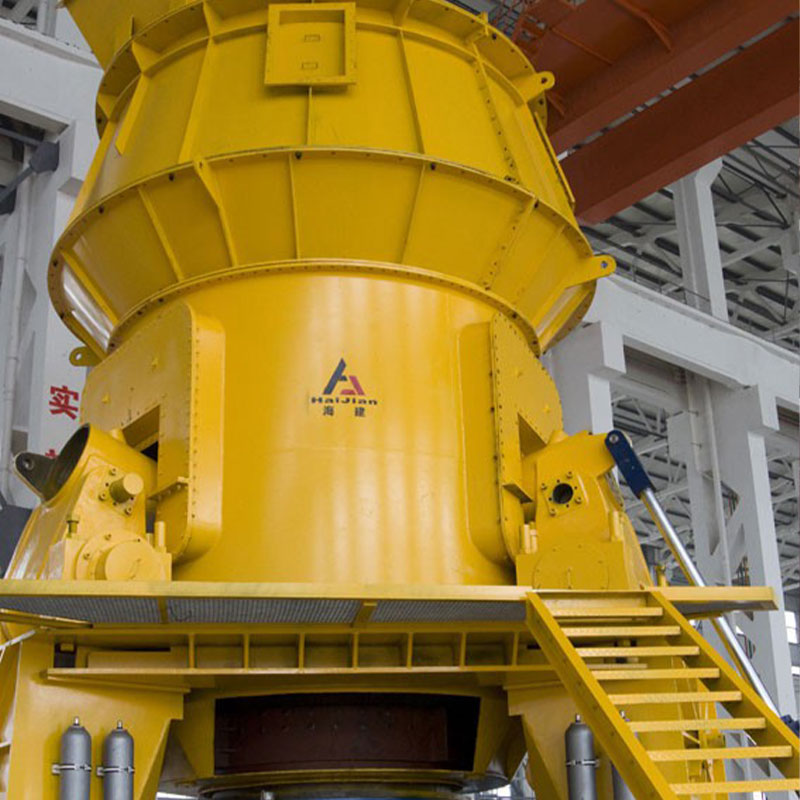
The VRM is the standard for new cement production line projects above 1,500 tpd. It integrates grinding, drying, and classification in one unit, consuming 30–40% less energy than traditional ball mills at equivalent output. Feed moisture up to 20% can be handled with hot gas from the kiln exhaust.
Ball mills remain relevant for abrasive or highly variable raw mixes where VRM roller wear becomes economically significant. When paired with a high-efficiency third-generation separator, specific power consumption can be reduced to 14–16 kWh/t raw meal.
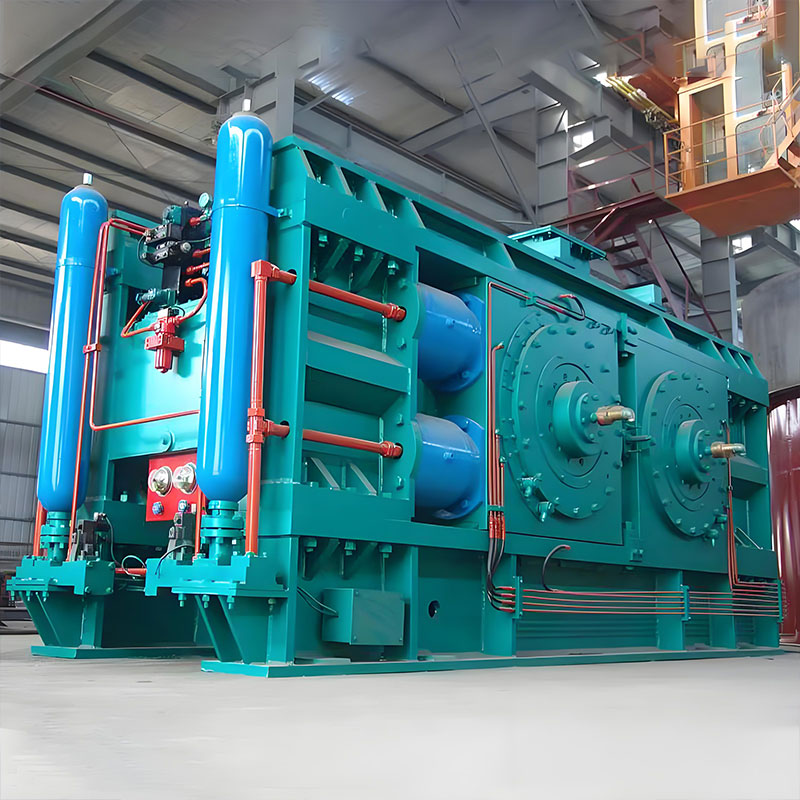
High-pressure grinding rolls used as pre-grinders before a ball mill can reduce overall raw grinding energy by 20–25%. This is a cost-effective upgrade path for existing cement production lines with ball mills rather than full replacement.
The clinker cooler recovers heat from hot clinker (entering at approximately 1,400°C) and returns it to the kiln and calciner as secondary and tertiary air. A poorly matched or undersized cooler reduces heat recovery efficiency by 5–12%, directly increasing fuel cost across the entire cement production line.
| Cooler Type | Heat Recovery Rate | Exit Clinker Temp | Best For |
|---|---|---|---|
| Reciprocating Grate (3rd Gen) | 72–76% | 65–85°C + ambient | Medium to mega lines |
| Planetary Cooler | 58–64% | 100–150°C + ambient | Mini / older lines |
| Cross-Bar Cooler (4th Gen) | 76–80% | 65°C + ambient | Large to mega lines |
For any new cement production line above 2,500 tpd, specify a third- or fourth-generation reciprocating or cross-bar grate cooler with a specific cooling air volume of 1.8–2.2 Nm³/kg clinker. Avoid planetary coolers for any new project — their heat recovery limitations cannot be overcome through maintenance.
Emissions regulations governing cement production lines tightened significantly between 2022 and 2026. In China, the current National Standard (GB 4915-2013 and its local variants) limits kiln dust emissions to 20 mg/Nm³ in most provinces, with some regions enforcing 10 mg/Nm³ for new installations.
Equipment to verify in any cement production line proposal:
Modern cement production line automation has moved well beyond basic PLC control. In 2026, a competitive plant should operate with an Advanced Process Control (APC) system layered over the basic DCS, reducing heat consumption by a further 3–7% and stabilizing kiln feed chemistry to improve clinker quality consistency.
Production Line Efficiency Gains from Automation Upgrades (% improvement vs. manual operation)
Figure 2: Automation level directly correlates with production efficiency gains across the cement production line
Key automation capabilities to require in any cement production line specification:
A cement production line shutdown costs an average of USD 15,000–50,000 per day in lost production and fixed overhead, depending on plant scale. The availability of critical spare parts — kiln tires, riding rings, girth gears, mill liners, and preheater cyclone components — within 72 hours is a non-negotiable requirement when evaluating equipment suppliers.
Before signing any cement production line contract, verify the following from your equipment supplier:
Jiangsu Haijian Co., Ltd. was established in 1970 and restructured into a provincial privately-owned joint-stock company in 2003. The company currently employs over 300 people, with engineering and technical personnel accounting for 25% of the total workforce. It covers an area of 100,000 m² with a building area of 55,000 m².
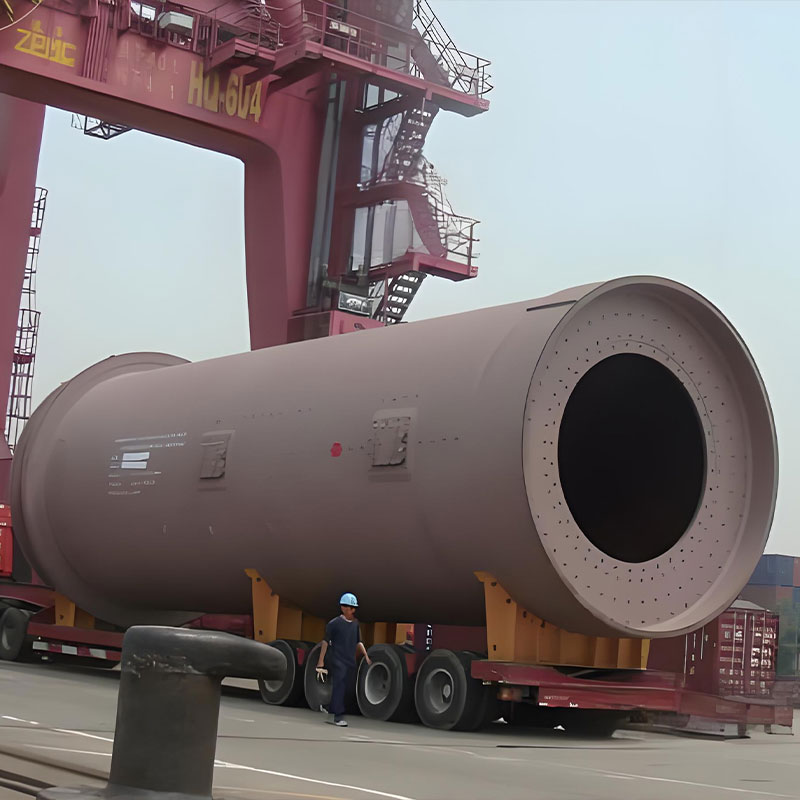
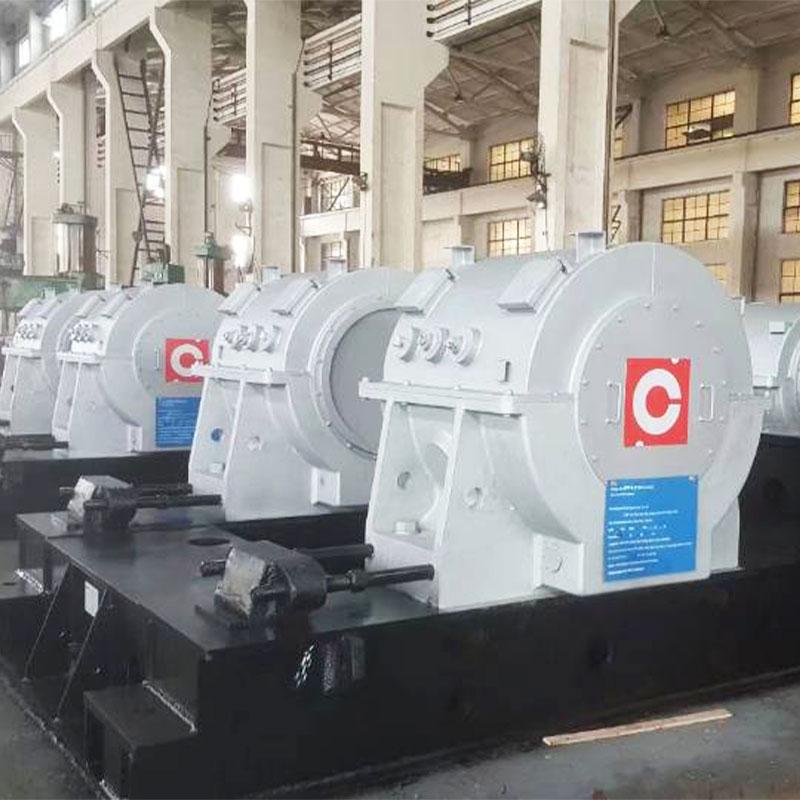
Haijian's manufacturing capabilities include vertical lathes from Φ2.5–10 m in diameter, gear hobbing machines with Φ2–8 m capacity, floor-type lathes with Φ5×16 m and Φ7×20 m capacities, overhead cranes from 10–150 t, plate rolling machines from 30–120, gas annealing furnaces measuring 6.5×6.5×18 m, and automatic drying and spraying booths — totaling 500 units/sets of various equipment.
As a professional China cement production line supplier and factory, Jiangsu Haijian provides professional cement production equipment, industrial solid waste incineration equipment, and equipment for mining and metallurgical applications. The company is a major manufacturing enterprise, a key backbone enterprise, and a primary export base for cement, power, environmental protection, and metallurgical and mining equipment in China. Haijian holds independent import and export rights and is legally authorized to undertake general contracting for foreign projects.
Q1: How long does it take to commission a new cement production line?
For a medium-scale line (1,000–2,500 tpd), the typical timeline from contract signing to first clinker is 18–24 months, including civil works. Large-scale lines (5,000 tpd and above) typically require 28–36 months. Equipment delivery, site preparation, and kiln refractory installation are usually the critical path activities.
Q2: What is the typical annual availability target for a modern cement production line?
A well-maintained modern cement production line should achieve a kiln run factor of 88–92%, equivalent to 321–336 operating days per year. The remaining days are allocated to planned maintenance shutdowns, primarily for refractory inspection and replacement, cooler grate maintenance, and mill liner changes.
Q3: Can alternative fuels be used in an existing cement production line?
Yes. Most modern cement kilns can substitute 20–80% of thermal energy with alternative fuels such as municipal solid waste, industrial waste, biomass, and tire-derived fuel. This requires modifications to the precalciner feeding system, auxiliary firing equipment, and emissions monitoring. The degree of substitution is limited by local regulations and fuel availability rather than kiln technology.
Q4: What is the service life of main cement production line equipment?
Main structural components — kiln shell, mill shell, preheater tower structure — have design lives of 30–40 years with proper maintenance. Wear components follow much shorter cycles: kiln refractory bricks require replacement every 12–18 months in high-stress zones, mill liners every 6,000–10,000 operating hours, and cooler grate plates every 3–5 years depending on clinker characteristics.
Q5: How do I compare cement production line proposals from different suppliers objectively?
Request a standardized data sheet covering: guaranteed heat consumption (kcal/kg clinker), guaranteed power consumption (kWh/t cement), guaranteed kiln availability (%), dust emission guarantee (mg/Nm³), scope of supply boundary, and performance test conditions. Evaluate all proposals against the same guaranteed performance matrix rather than nominal specifications, and weight after-sales references and spare parts commitment equally alongside technical parameters.
It is focused on the overall solution of dry bulk material port transfer system,
research and development, manufacturing, and service