
 English
  русский
  Español
 Industry News
Home / News / Industry News / Blended Hydraulic Cement: Types, Production Equipment, and Selection Guide
A plant manager leading a clinker substitution program once asked us a direct question: could he lower the clinker factor of his blended hydraulic cement from 80 percent to 65 percent without adding a new kiln line? Yes, and that is exactly why blended hydraulic cement has moved from a specialty material to the default formulation in many grinding plants. The logic is simple: clinker is the most energy- and carbon-intensive component of cement, so every tonne replaced with a well-chosen supplementary material cuts process emissions and production cost while keeping the cement fit for purpose.
Content
Blended hydraulic cement is a hydraulic binder made by uniformly mixing portland cement clinker with one or more supplementary cementitious materials (SCMs) - typically ground granulated blast furnace slag, fly ash, natural pozzolan, metakaolin, or limestone - and grinding the combination to a controlled fineness. In North America the reference specification is ASTM C595, which covers blended cements for both general and special applications. ACI CT-23 offers a simpler working definition: a hydraulic cement consisting of portland cement uniformly mixed with slag cement or pozzolan, or both.
The two production routes sound similar but produce different results. Intergrinding feeds clinker, gypsum, and the SCM into the same mill, so every particle experiences the same grinding environment. Separate grinding prepares each constituent to its own fineness and blends the powders afterwards. Intergrinding is simpler and more economical; separate grinding delivers tighter control of particle size distribution, which becomes important when slag or pozzolan is noticeably harder to grind than clinker.
| Type | Common name | Typical supplementary content |
|---|---|---|
| Type IL | Portland-limestone cement | 5–15% limestone |
| Type IS | Portland-slag cement | 25–70% slag |
| Type IP | Portland-pozzolan cement | 15–40% pozzolan |
| Type IT | Ternary blended cement | Two SCMs in combination |
Start with the conclusion: blended hydraulic cement exists to reduce the clinker factor without sacrificing performance. In ordinary portland cement, clinker accounts for most of both the production cost and the CO2 footprint, so replacing 20–30 percent of it with slag, limestone, or pozzolan lowers those figures almost proportionally. Contractors also gain a more workable mix in many cases, with better later-age strength and, depending on the SCM selected, improved sulfate or alkali-silica resistance.
None of these benefits is free. Slower early strength, longer curing sensitivity, and a higher risk of surface finishing issues must be planned for. Producers that succeed treat blending as an engineering decision, not a recipe change.
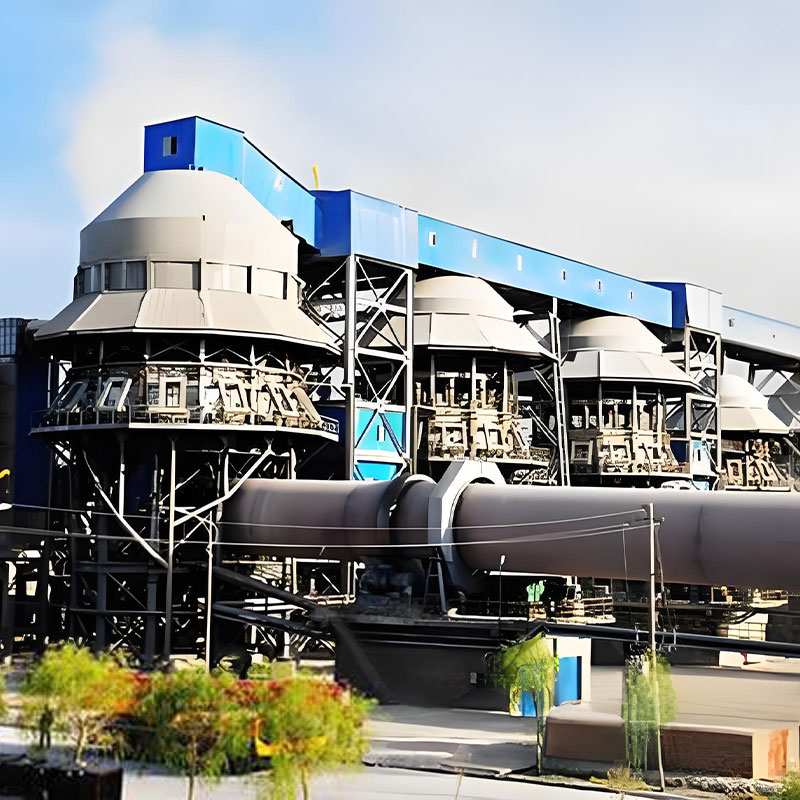
The production scheme decides whether the cement meets its performance targets. In a typical interground line, clinker, gypsum, and the SCM are fed into a finish-grinding ball mill with a high-efficiency separator, and the mill discharge is the finished product. For an introduction to this machine, see our guide to what a cement mill does and how it is configured.
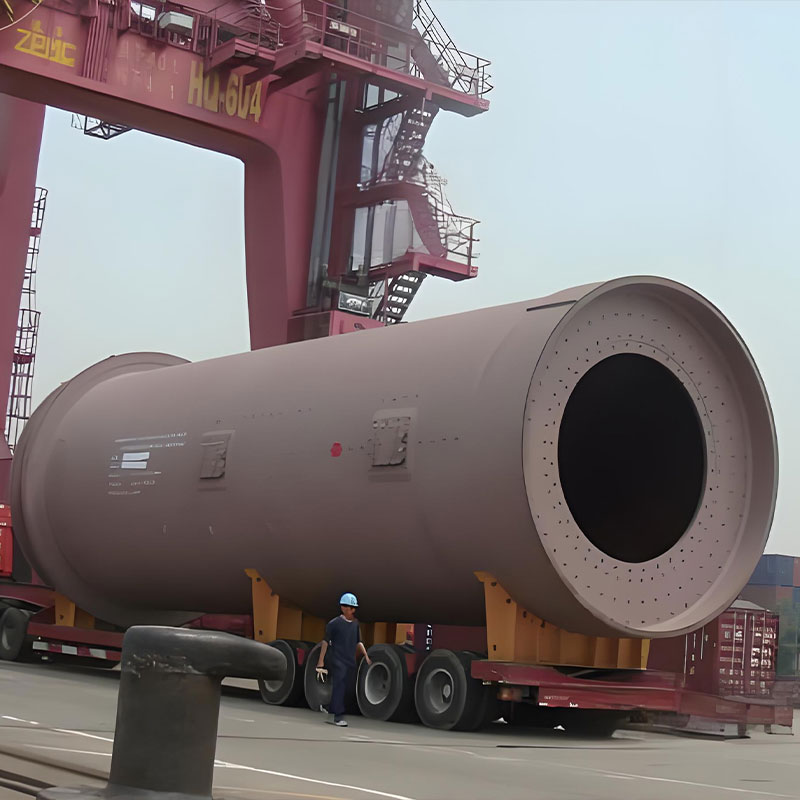
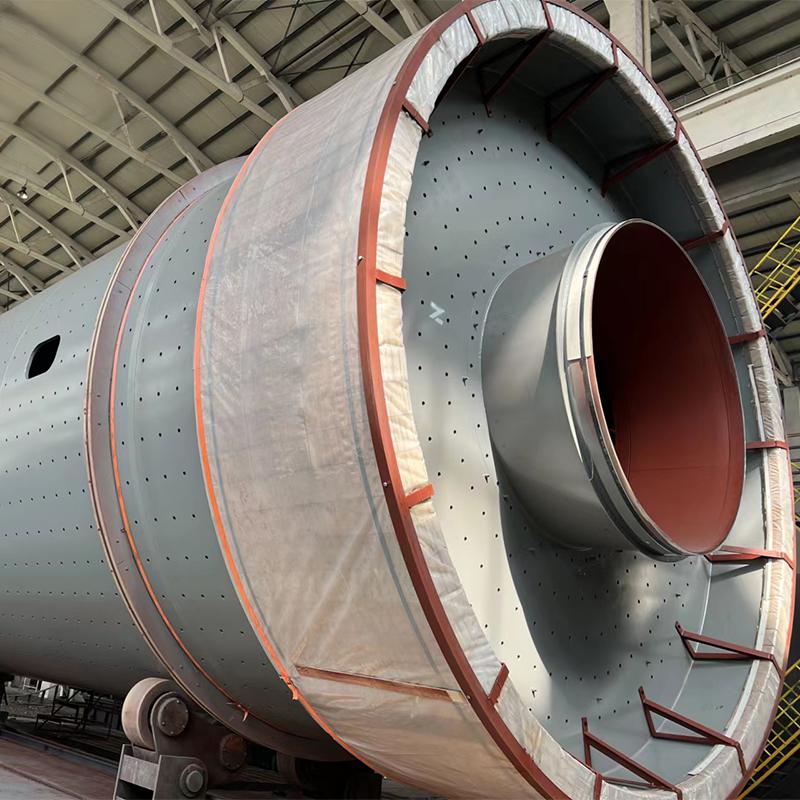 Cement Mill for Finish Grinding of Clinker and AdditivesThis grinding machine finishes clinker, gypsum, and SCMs through a closed-circuit ball mill with a high-efficiency separator. Its two-chamber design and classification system directly affect particle distribution and cement strength, making it central to interground production lines.View Product →
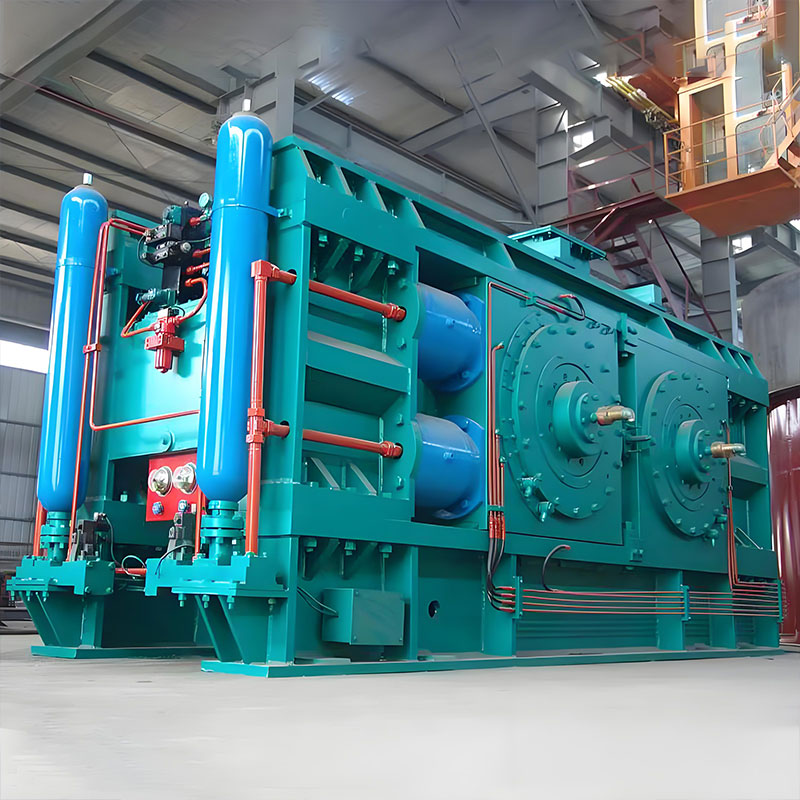
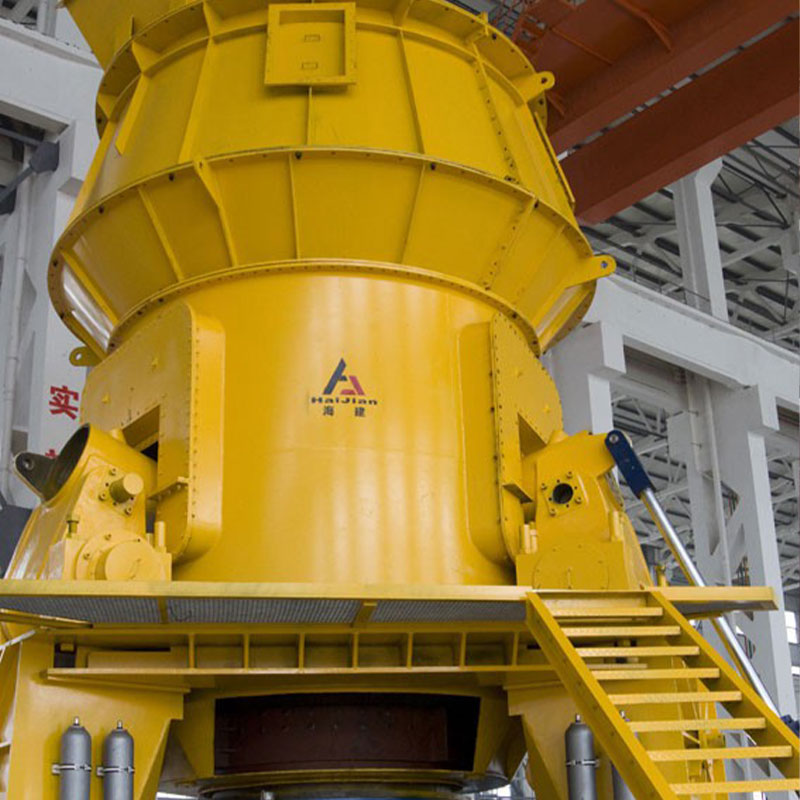
Many plants take one of two additional steps: run the material through a roller press for pre-grinding to reduce power consumption, or grind slag separately in a vertical roller mill and blend afterward. The separate route is preferred for high-slag cements, because slag needs considerably higher fineness than clinker to develop its reactivity.
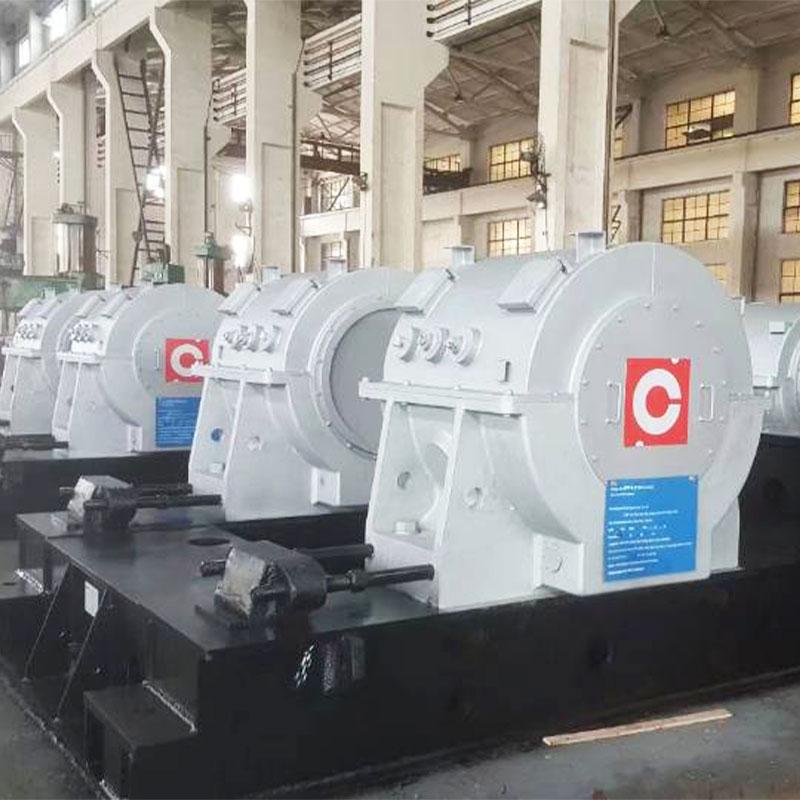
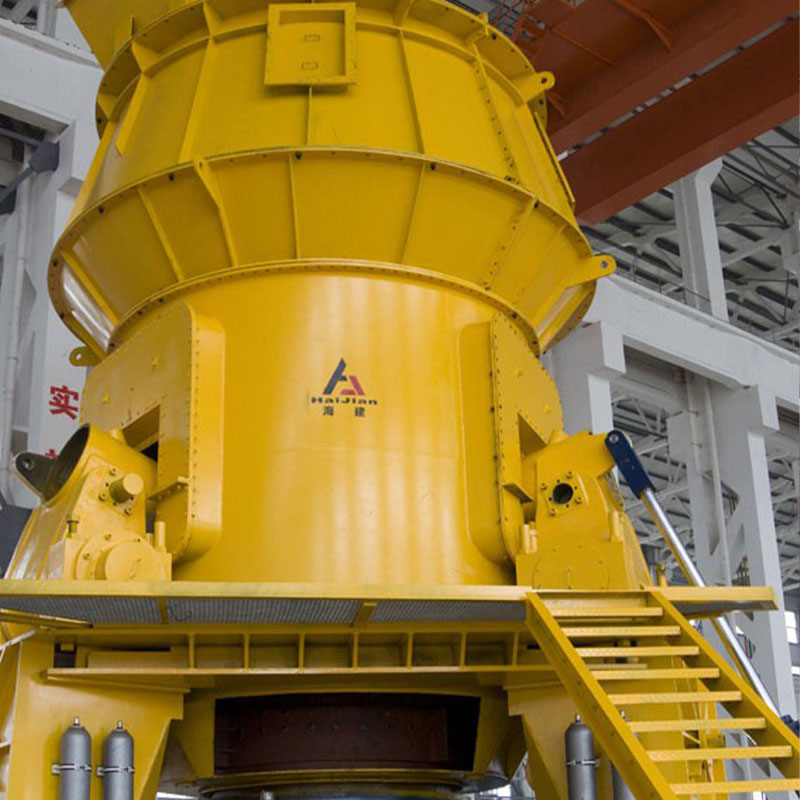 Slag Vertical Roller Mill for Separate High-Fineness GrindingThis vertical mill grinds slag separately to the higher fineness needed for reactivity in high-slag cements. It integrates crushing, drying, and classifying, and its hydraulic roller system offers low energy use and easy maintenance, supporting consistent feed quality.View Product →
The biggest risk in blended hydraulic cement is not low strength; it is inconsistent feed quality and an unstable particle size distribution. Both problems appear on site as setting-time drift, variable water demand, and unpredictable finishing performance. The following checks prevent most of those issues.
| Parameter | Typical issue | Practical control |
|---|---|---|
| Blaine fineness | 5–10% variation shifts water demand | Set a control range of ±20–30 m2/kg |
| 1-day strength | Low when SCM content is high | Adjust SCM ratio or switch to separate grinding |
| Setting time | Longer than plain portland cement | Plan formwork schedule; verify with ASTM C191 |
| Sulfate resistance | Variable depending on SCM type | Confirm with expansion testing |
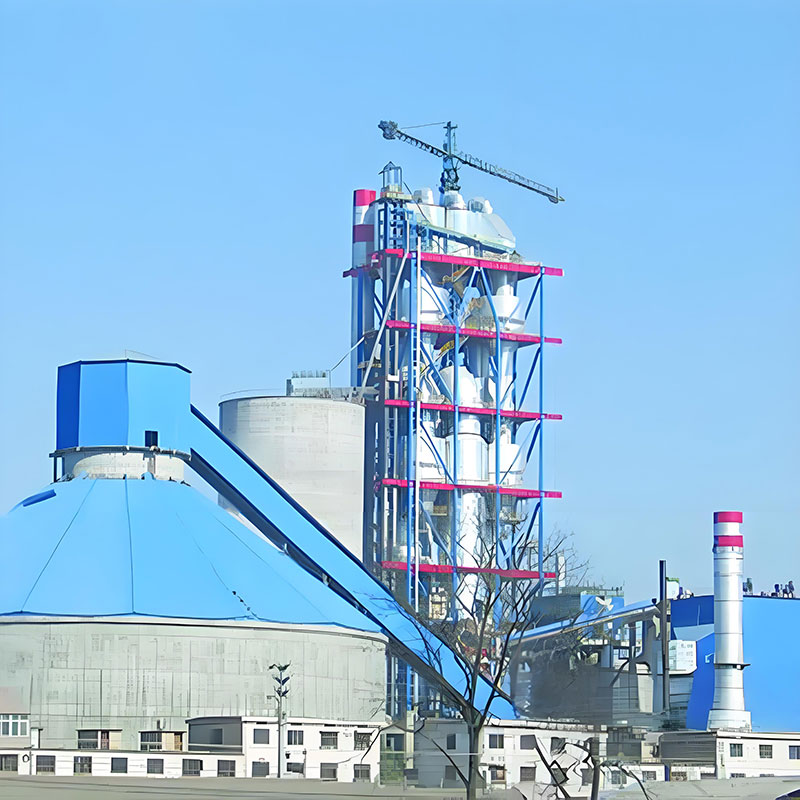
Whether you are modifying an existing mill or starting from a blank site, three questions decide the design: which SCMs are available locally, how much of each you intend to use, and what fineness the target cement grades require. A cement grinding station with a dedicated separator, weigh feeders, and a homogenizing silo lets you switch between Type IL products and ternary blends without losing quality or production time.
Ideally, choose the equipment before locking the recipe. A plant sized for 20 percent limestone interground in a ball mill will struggle when the market asks for a 50 percent slag blend; installing separate grinding capacity with a slag vertical roller mill avoids that trap.
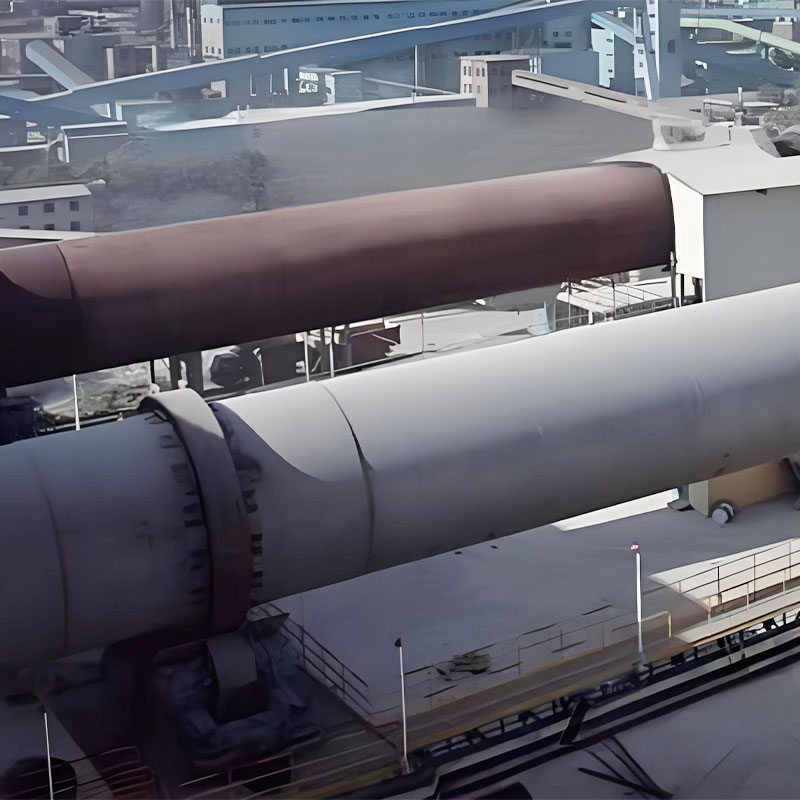
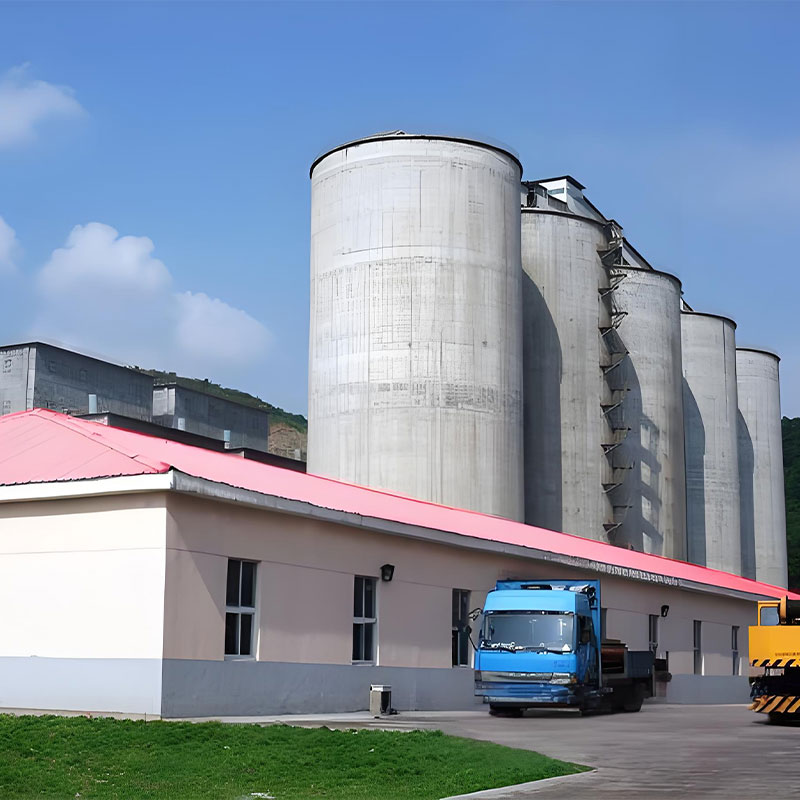 Cement Grinding Station with Flexible Blending and ClassificationA complete terminal grinding solution that precrushes clinker and mixes gypsum, slag, and fly ash before fine grinding. It uses dynamic classification to achieve targeted specific surface areas and supports flexible recipes, helping plants adapt to changing slag blend demands.View Product →
Blended hydraulic cement is not one formulation; it is a family of products built on a single idea: keep the cement functional while cutting the clinker bill. Start with the standard, define the raw materials and fineness targets, then verify that the line can hold them day after day. If you are evaluating equipment for a new grinding station or a clinker-factor reduction project, contact us with your raw-material analysis and we will give you a practical configuration opinion.
It is focused on the overall solution of dry bulk material port transfer system,
research and development, manufacturing, and service