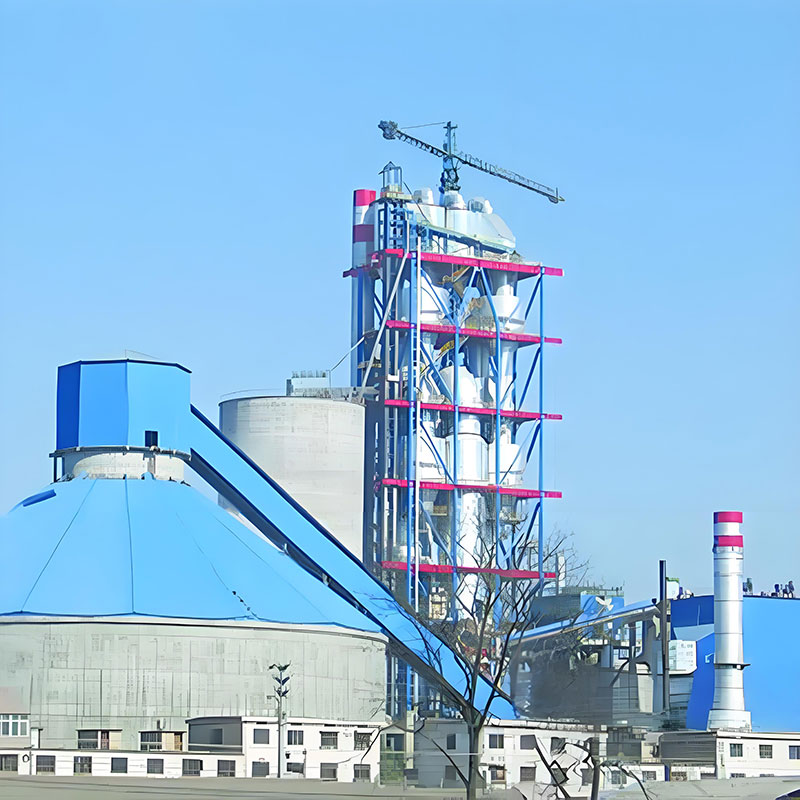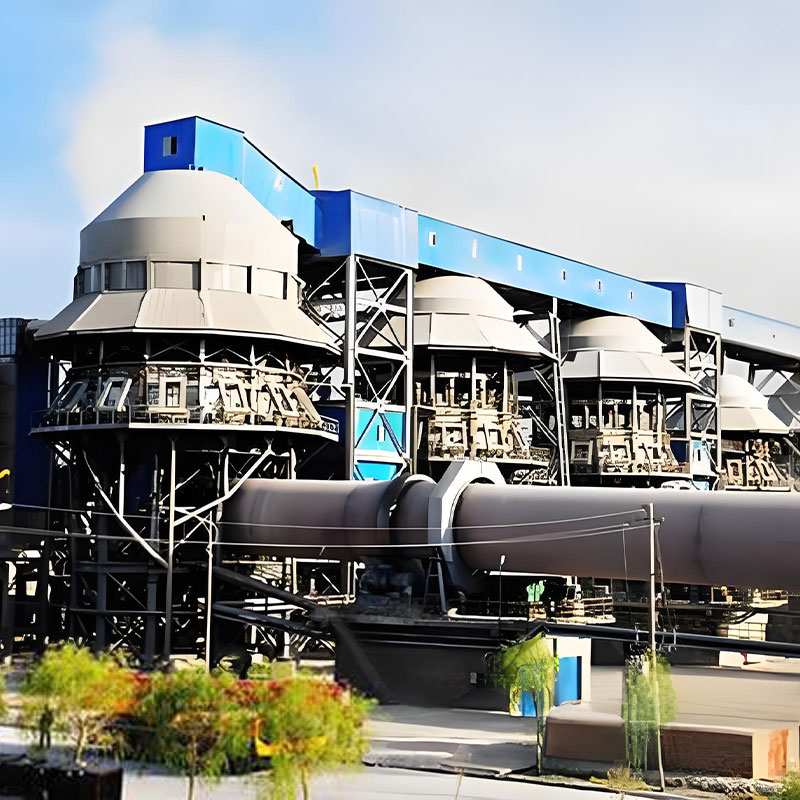
The answer is straightforward: a dedicated cement grinding station eliminates the capital overhead of full clinker production, concentrating investment on the most value-added finishing stage. Industry benchmarks consistently show that operators switching from integrated plants to standalone cement grinding plants cut total unit production costs by 20%–28%, with an average reduction of roughly 25%. This article breaks down exactly where those savings come from, what equipment drives them, and how to capture them in practice.
Content
A cement grinding station is the terminal link of the cement manufacturing process. Rather than producing clinker on-site, it sources clinker from external suppliers and processes it—together with gypsum, slag, fly ash, and other supplementary cementitious materials—through multi-stage crushing and grinding to form finished cement that meets national or international standards.
After pre-crushing, clinker is blended with auxiliary materials in precisely controlled proportions, then finely ground by a ball mill or a roller press combined with a dynamic separator. The result is finished cement with a specific surface area of 3,000–4,000 cm²/g. Dynamic classification and particle-shaping technology optimize particle grading, boosting hydration activity and early strength—meaning higher-quality cement at lower cost.
Because a clinker grinding station skips the energy-intensive kiln burning stage, it is ideally positioned near urban construction markets, ports, or regions with abundant industrial by-products such as slag and fly ash. This geographic flexibility alone delivers measurable logistical savings.
Clinker burning in a rotary kiln accounts for 55%–65% of total energy consumption in an integrated cement plant. A grinding-only facility bypasses this stage entirely. Electrical consumption at a modern cement grinding plant typically runs 28–35 kWh per tonne of finished cement, versus 90–110 kWh per tonne at a full production line. That difference directly reduces fuel and power bills.
Building an integrated 2,500 t/d cement line requires substantial infrastructure: quarry development, raw-material preparation, preheater towers, kilns, and cooling systems. A comparably sized clinker grinding station requires only grinding mills, classifiers, silos, and packing systems. Capital cost is typically 40%–50% lower, compressing the payback period from 8–12 years to 4–6 years.
Slag and fly ash—industrial by-products that would otherwise require costly disposal—can replace 20%–50% of clinker content depending on the target cement grade. These materials are typically available at a fraction of clinker cost. A plant substituting 35% slag into its mix while maintaining grade-42.5 strength can reduce raw material costs by 15%–20% per tonne of finished product.
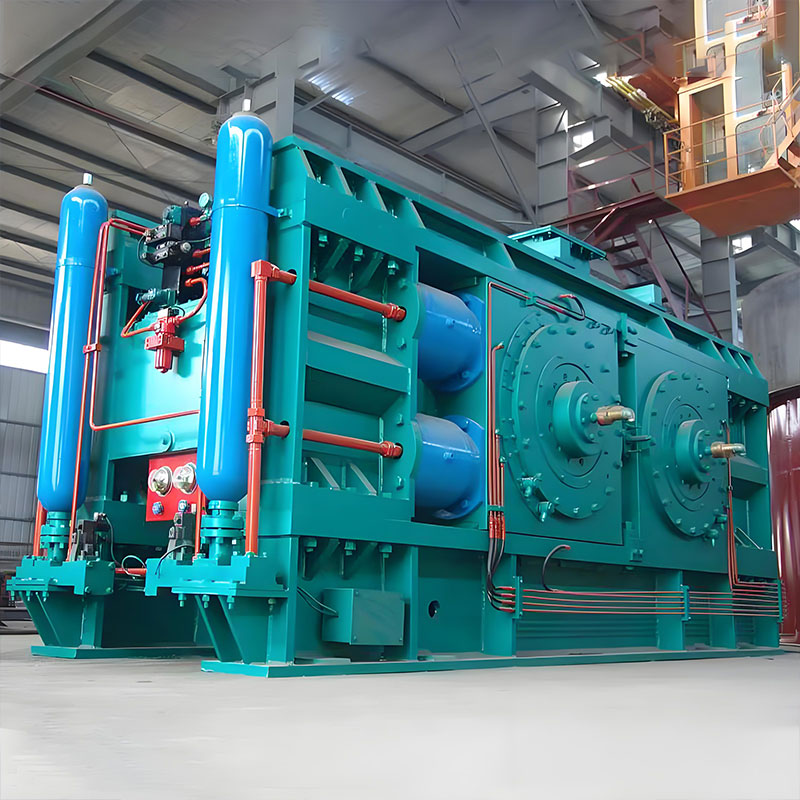
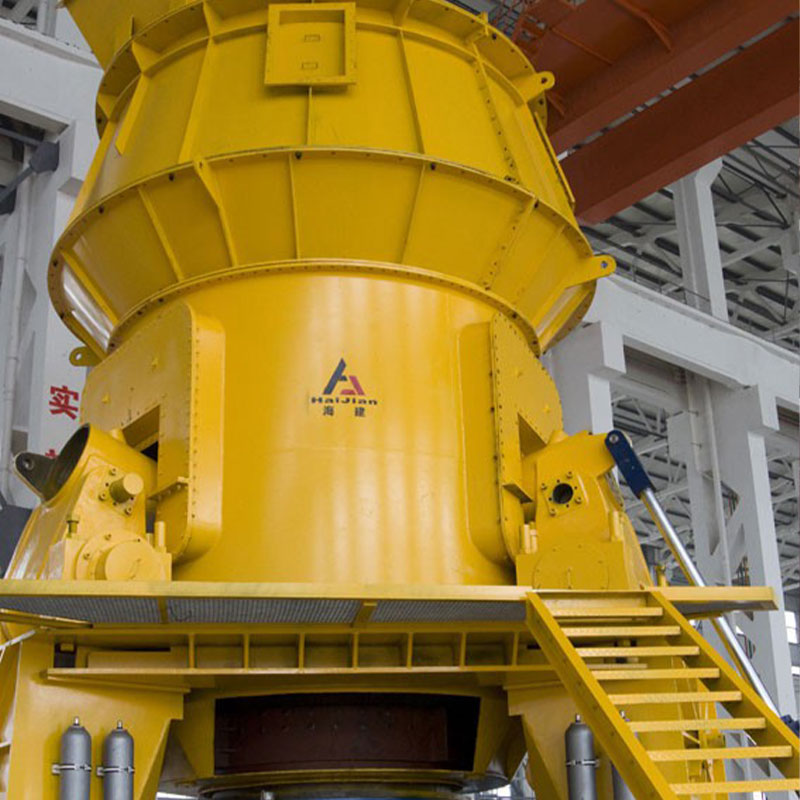
Modern cement milling equipment—particularly vertical roller mills (VRM) and roller press pre-grinding systems—achieves specific power consumption 30%–40% lower than traditional ball mills alone. A VRM operating at 4,500 Blaine fineness consumes roughly 22–26 kWh/t, while a ball-mill-only circuit at the same fineness requires 38–45 kWh/t. Pairing a roller press with a ball mill (combined grinding) typically achieves 28–32 kWh/t, offering a balanced upgrade path for existing facilities.
An integrated plant demands specialized operators for kiln chemistry, refractory maintenance, and raw-mix control—departments absent from a grinding station. Staffing costs at grinding-only facilities run 25%–35% lower per tonne, and unplanned downtime events are significantly fewer due to the simpler process flowsheet.
| Cost Category | Integrated Plant | Cement Grinding Station | Saving |
|---|---|---|---|
| Energy (kWh/t cement) | 90–110 | 28–35 | ~68% |
| Capital Cost (relative) | 100% | 50–60% | 40–50% |
| Staffing Cost (per tonne) | High | Moderate | 25–35% |
| Raw Material Flexibility | Low | High | Significant advantage |
| Overall Unit Cost | Baseline | ~75% of baseline | ~25% |
Figure 1: Typical energy consumption (kWh/tonne) by cement milling equipment type vs. integrated plant
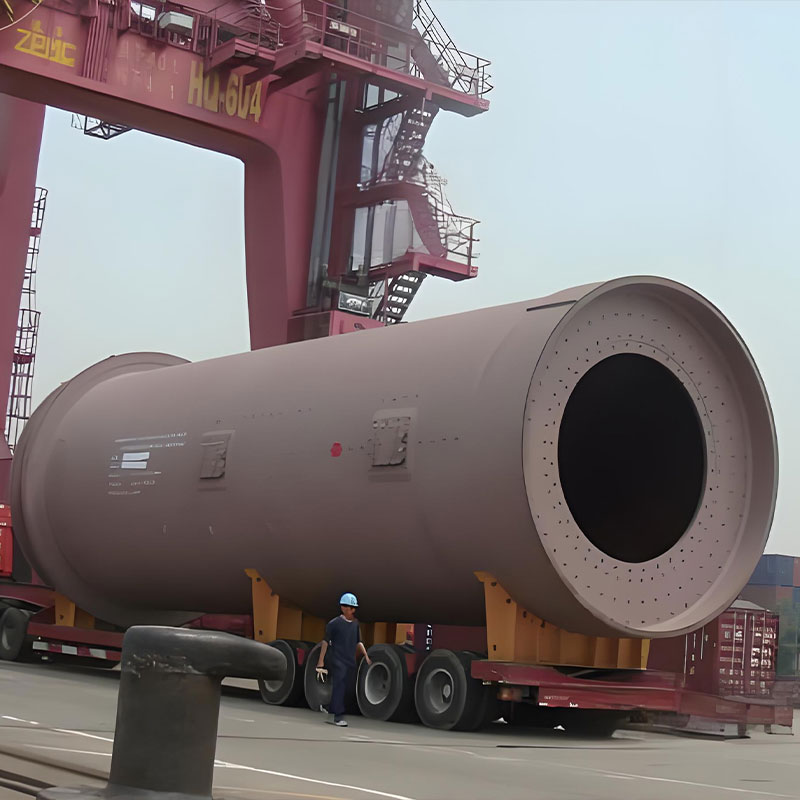
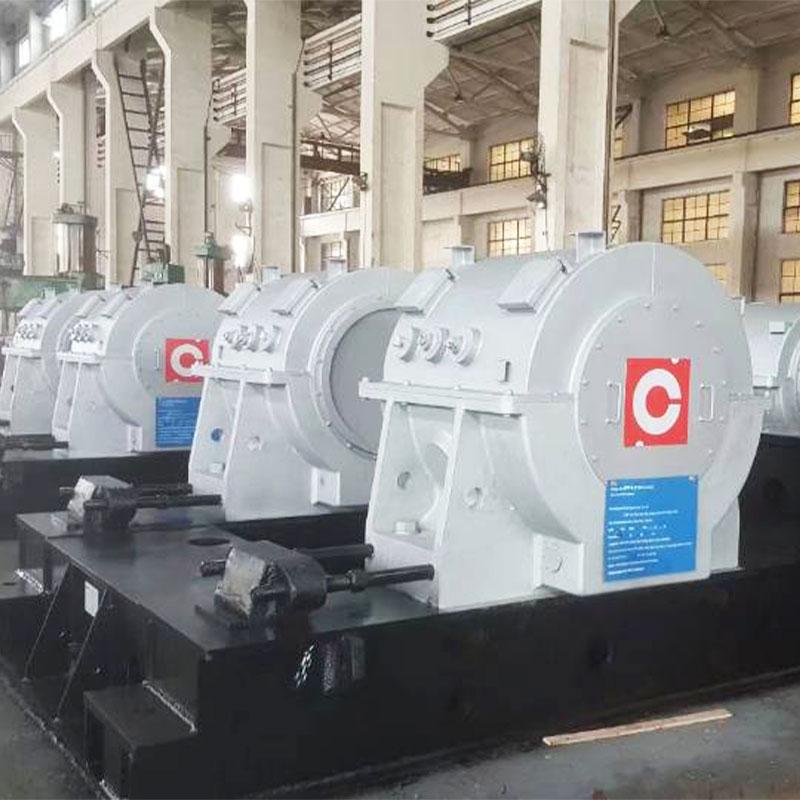
Selecting the right cement milling equipment is the single most impactful engineering decision in a grinding station project. The main options and their performance characteristics are:
A well-configured clinker grinding station integrates these components into a closed-circuit system where oversized particles are continuously returned for re-grinding, ensuring consistent fineness without energy waste.
The location of a cement grinding plant directly affects both raw material procurement costs and distribution costs. The most profitable grinding stations share three siting characteristics:
Beyond direct cost savings, a cement grinding station carries important environmental advantages that increasingly translate into regulatory and market value:
As carbon pricing mechanisms expand globally, the lower emissions intensity of cement grinding plants is expected to create an additional cost advantage of 5%–10% on a carbon-adjusted cost basis by the end of this decade.
Figure 2: Relative unit production cost trend over 5 years — cement grinding station vs. integrated plant (Index: 100 = integrated plant Year 1)
Jiangsu Haijian Co., Ltd was established in 1970 and restructured into a provincial privately-owned joint-stock company in 2003. The company currently employs over 300 people, with engineering and technical personnel accounting for 25% of the total workforce. It covers an area of 100,000 m² with a building area of 55,000 m².
Equipment capabilities include vertical lathes ranging from Φ2.5–10 m in diameter, gear hobbing machines with Φ2–8 m capacity, floor-type lathes with Φ5×16 m and Φ7×20 m capacities, overhead cranes ranging from 10–150 t, plate rolling machines from 30–120 mm, gas annealing furnaces measuring 6.5×6.5×18 m, and automatic drying and spraying booths—with a total of 500 units/sets of various equipment.
Jiangsu Haijian Co., Ltd is a professional China cement grinding station manufacturer and cement grinding station company. We provide professional cement production equipment, industrial solid waste incineration equipment, and professional equipment for mining and metallurgical applications. We are a major manufacturing enterprise, a key backbone enterprise, and a primary export base for cement, power, environmental protection, and metallurgical and mining equipment in China. The company holds independent import and export rights and is legally authorized to undertake general contracting for foreign projects.
Q1: What is the minimum clinker supply volume needed to make a cement grinding station viable?
Most standalone grinding stations operate economically at a minimum throughput of 200,000–300,000 tonnes per year of finished cement. Below this scale, fixed costs per tonne rise sharply. At 500,000 t/y and above, the cost advantages described in this article are most fully realized.
Q2: Can a clinker grinding station produce multiple cement grades?
Yes. By adjusting clinker-to-additive ratios and mill operating parameters (separator speed, grinding pressure), a single clinker grinding station can typically produce Grade 32.5, 42.5, and 52.5 cements using the same core equipment. Product changeovers generally require 2–4 hours of process adjustment.
Q3: How long does it take to commission a new cement grinding plant?
A greenfield cement grinding plant of 500,000 t/y capacity typically takes 12–18 months from civil construction start to commercial production. This is significantly faster than an integrated plant, which typically requires 24–36 months for the same output capacity.
Q4: What maintenance intervals are typical for cement milling equipment?
Ball mill liners typically require replacement every 6,000–10,000 operating hours, depending on material hardness and mill loading. Roller press rolls and VRM grinding tables are inspected every 4,000–6,000 hours, with major overhauls every 18,000–25,000 hours. Planned maintenance windows of 3–5 days per quarter are standard for well-managed facilities.
Q5: Is it possible to expand a cement grinding station's capacity after initial construction?
Yes, and this is one of the structural advantages of the grinding-station model. Capacity expansion typically involves adding a parallel grinding circuit or upgrading the existing classifier and separator systems—without any impact on kiln or pyroprocessing infrastructure. Capacity additions of 30%–50% can often be achieved in 6–9 months with minimal disruption to ongoing operations.
It is focused on the overall solution of dry bulk material port transfer system,
research and development, manufacturing, and service