

 English
  русский
  Español
 What is a Cement Production Line and How Does It Work?
Cement production is the backbone of the construction industry, providing the essential material used in building everything from houses to highways. But how exactly is cement made, and what role does a cement production line play in this process? In this article, we’ll explore what a cement production line is, the benefits of having one, and key considerations when using one to ensure smooth and efficient production.
Content
What is a Cement Production Line?
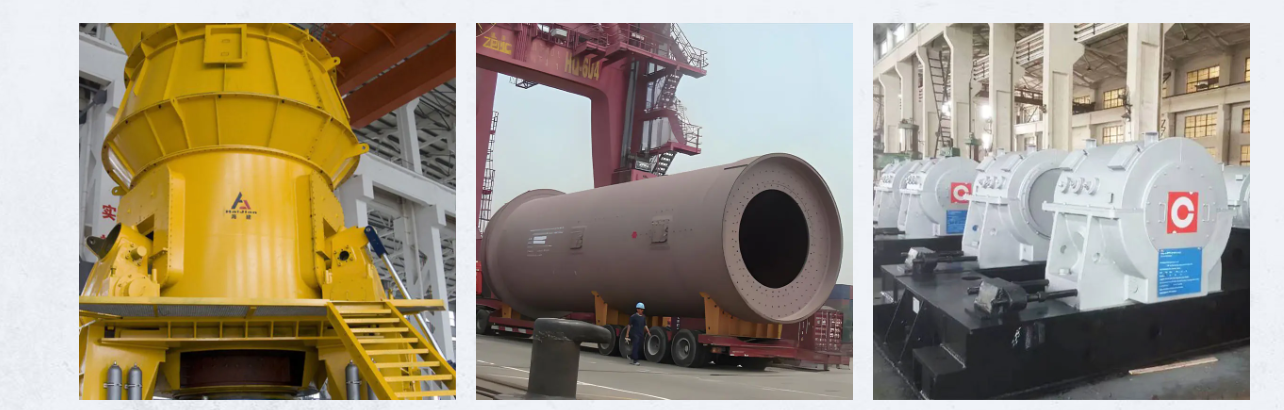
A cement production line is a system that consists of various stages and machinery used to produce cement. The entire process starts with the extraction of raw materials, such as limestone, clay, and other minerals, and ends with the production of the finished cement product. The cement production process involves multiple stages, including crushing, grinding, blending, heating, and final processing to produce high-quality cement.
The core stages of a cement production line typically include:
- Raw Material Preparation: The first step involves crushing and grinding raw materials like limestone, clay, and other additives to prepare them for blending.
- Clinker Production: The raw materials are then mixed and heated in a kiln at very high temperatures to produce clinker, the primary ingredient in cement.
- Cement Grinding: The clinker is finely ground with gypsum and other additives to produce the final cement product.
- Packaging and Distribution: Finally, the finished cement is packaged into bags or bulk containers and ready for distribution to construction sites and other buyers.
A cement production line is designed to automate this entire process, improving efficiency, consistency, and product quality while minimizing the need for manual labor and reducing human error.
What Are the Advantages of a Cement Production Line?
Setting up a cement production line comes with several advantages, especially for large-scale cement manufacturers. Here are some of the main benefits:
1. Increased Efficiency and Automation
A cement production line significantly boosts the efficiency of cement manufacturing. With automated systems controlling various stages, such as raw material handling, blending, and kiln operations, the production line reduces the need for manual labor and minimizes human error. This automation ensures a consistent and reliable production process, speeding up operations and improving output rates, which is crucial in high-demand industries.
2. Enhanced Product Quality
With a cement production line, quality control is much easier to maintain. The processes, such as blending raw materials and controlling kiln temperatures, can be precisely monitored and adjusted in real-time. This ensures that the final cement product meets the desired specifications, whether it’s for ordinary Portland cement or specialized types of cement used in different construction projects.
3. Cost Savings in the Long Run
Although setting up a cement production line requires a significant initial investment, the long-term cost savings are substantial. Automation reduces labor costs, while more efficient use of energy and raw materials cuts operational expenses. Additionally, the consistent quality of the cement produced minimizes waste, leading to better utilization of raw materials and reduced production costs over time. The efficiency of the process also means fewer downtime periods, further contributing to cost savings.
4. Environmental Benefits
Modern cement production lines are designed with environmental sustainability in mind. Many systems are equipped with dust control devices, energy-efficient machinery, and technologies that reduce carbon emissions. By optimizing the use of raw materials and improving energy consumption, cement production lines contribute to a lower environmental footprint compared to traditional, manual manufacturing processes.
5. Scalability and Flexibility
One of the advantages of a cement production line is its scalability. Cement plants can be scaled up or down depending on the production capacity required. Whether you need to produce small quantities for a specific project or large volumes for ongoing construction work, the production line can be adjusted to meet different needs. This flexibility allows manufacturers to adapt to market demands and ensures a steady supply of cement.
What Should You Consider When Using a Cement Production Line?
While a cement production line offers many benefits, it’s important to understand its requirements and limitations. Here are a few factors to consider when operating or setting up a cement production line:
1. Proper Maintenance and Monitoring
One of the most important aspects of operating a cement production line is regular maintenance. The machinery involved in cement production is complex and involves high temperatures and pressures. To ensure smooth operations, regular checks and servicing of components like the kiln, crushers, and grinding mills are necessary. Monitoring equipment performance and making timely repairs can prevent costly downtime and improve the lifespan of the production line.
2. Raw Material Quality
The quality of raw materials used in cement production directly affects the final product. Ensuring a consistent supply of high-quality limestone, clay, and other materials is crucial for maintaining the quality of the cement. Raw material suppliers should be carefully vetted, and the materials should be tested for consistency to ensure that they meet the necessary standards for cement production.
3. Energy Consumption and Efficiency
Cement production is energy-intensive, particularly the clinker production process, which requires high temperatures to melt and fuse raw materials. Managing energy consumption is essential to keep costs down and improve overall production efficiency. Utilizing modern, energy-efficient kilns and integrating waste heat recovery systems can help reduce energy costs and lower the carbon footprint of the production process.
4. Environmental Impact and Regulatory Compliance
As cement production is associated with significant CO2 emissions, it’s important to be mindful of the environmental impact. Companies must comply with local environmental regulations and invest in technologies that reduce emissions, such as carbon capture systems and dust collectors. Many cement manufacturers are now exploring alternative fuels or using industrial waste as raw materials to reduce environmental harm.
5. Skilled Workforce and Training
Running a cement production line requires a skilled workforce to handle the complex machinery, monitor processes, and ensure quality control. Workers should be properly trained in the operation and maintenance of the production line to prevent mistakes and enhance efficiency. A well-trained workforce also contributes to the overall safety of the plant and minimizes the risk of accidents.
Conclusion: Is a Cement Production Line Right for Your Business?
A cement production line is an essential investment for businesses involved in large-scale cement manufacturing. By automating the cement production process, manufacturers can increase efficiency, improve product quality, and reduce operational costs over the long term. Additionally, with environmental concerns becoming increasingly important, modern cement production lines are designed to minimize energy consumption and reduce emissions, making them more sustainable than traditional production methods.
However, setting up and maintaining a cement production line requires significant expertise, investment, and ongoing attention to detail. Ensuring regular maintenance, sourcing high-quality raw materials, and managing energy consumption effectively are key to keeping operations running smoothly and profitably. If you’re in the cement manufacturing business or planning to enter the market, investing in a modern cement production line can help position your company for success in a competitive industry.
Recommended Products
It is focused on the overall solution of dry bulk material port transfer system,
research and development, manufacturing, and service
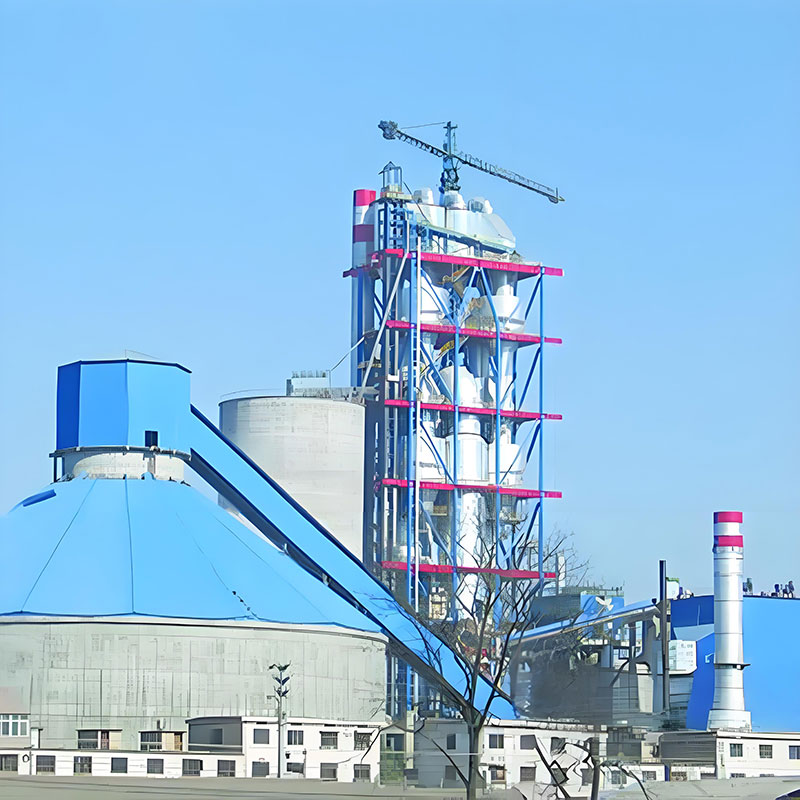
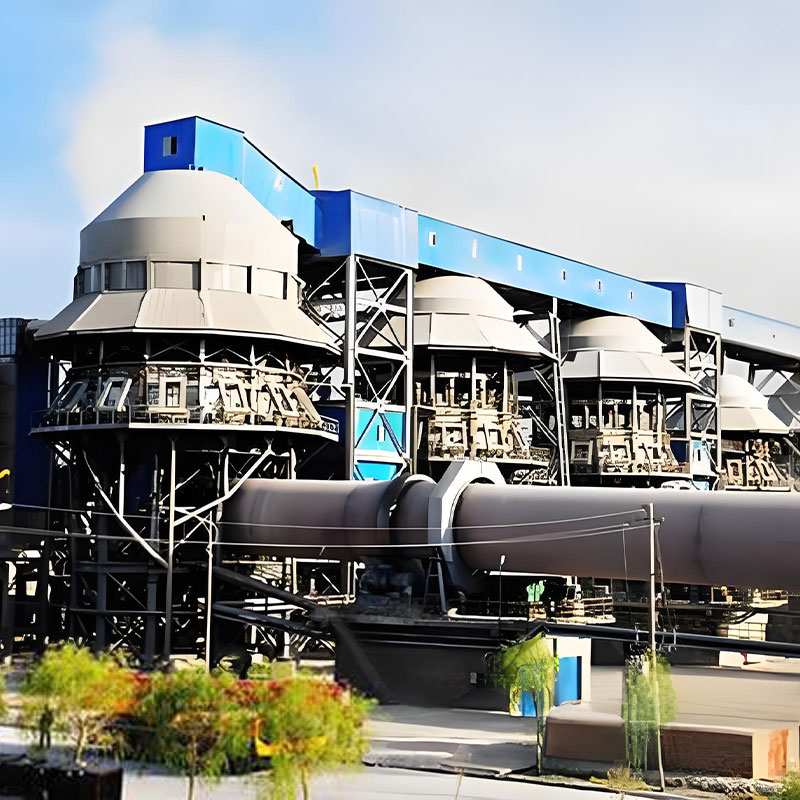
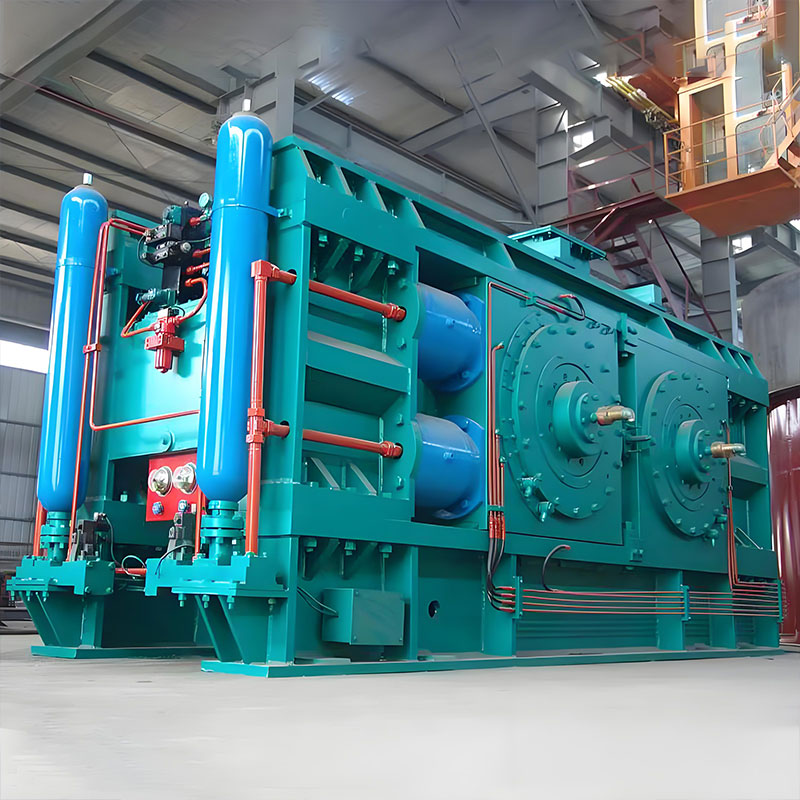
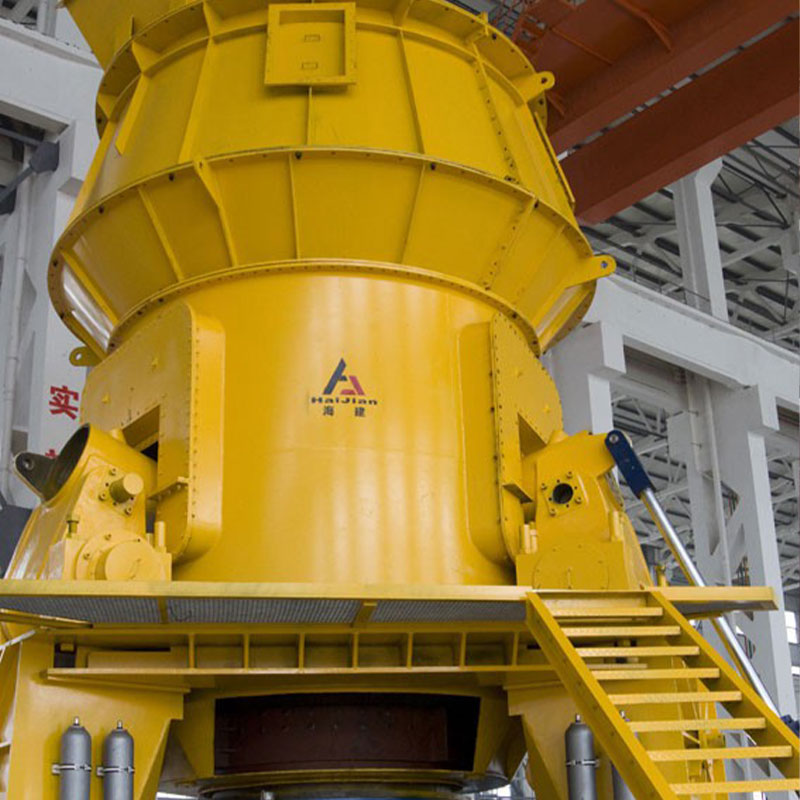
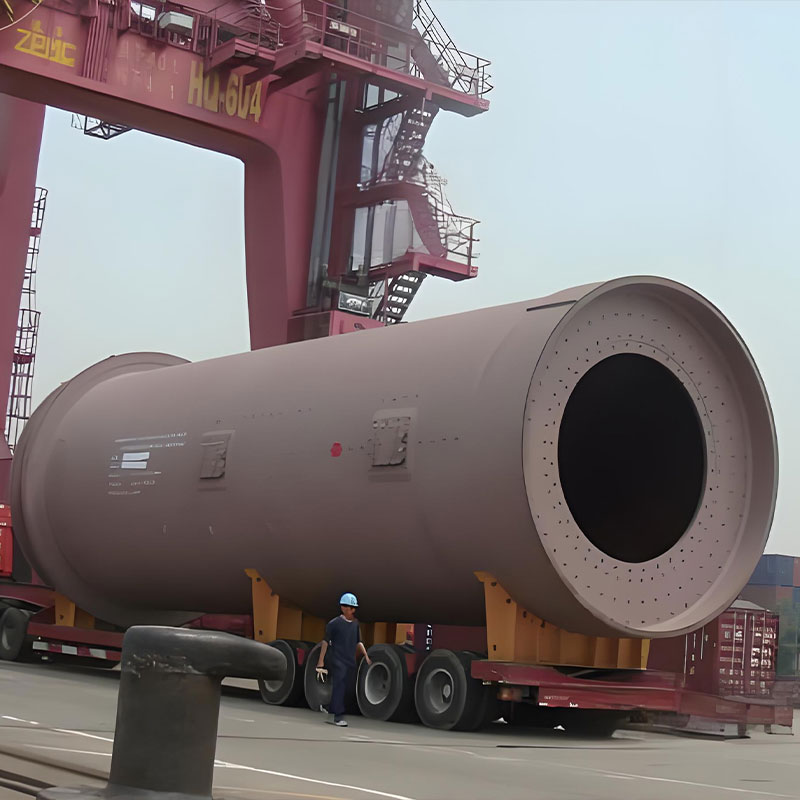
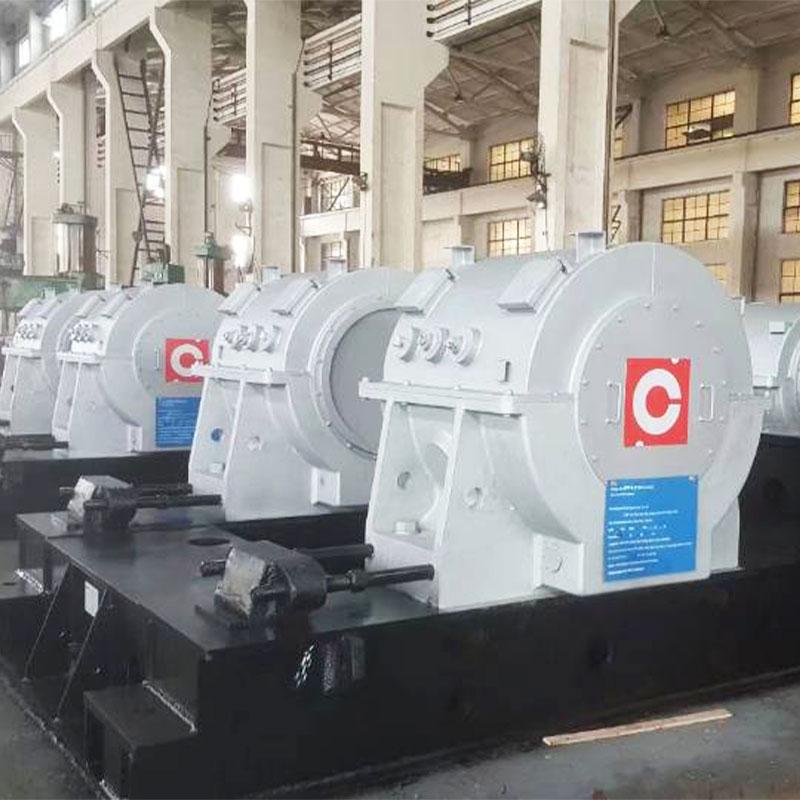
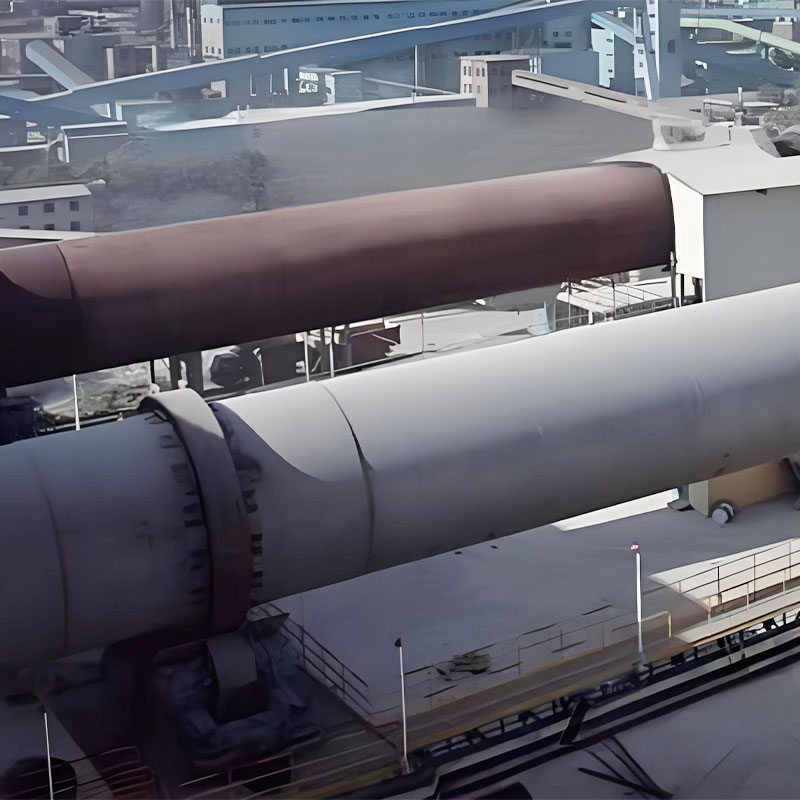
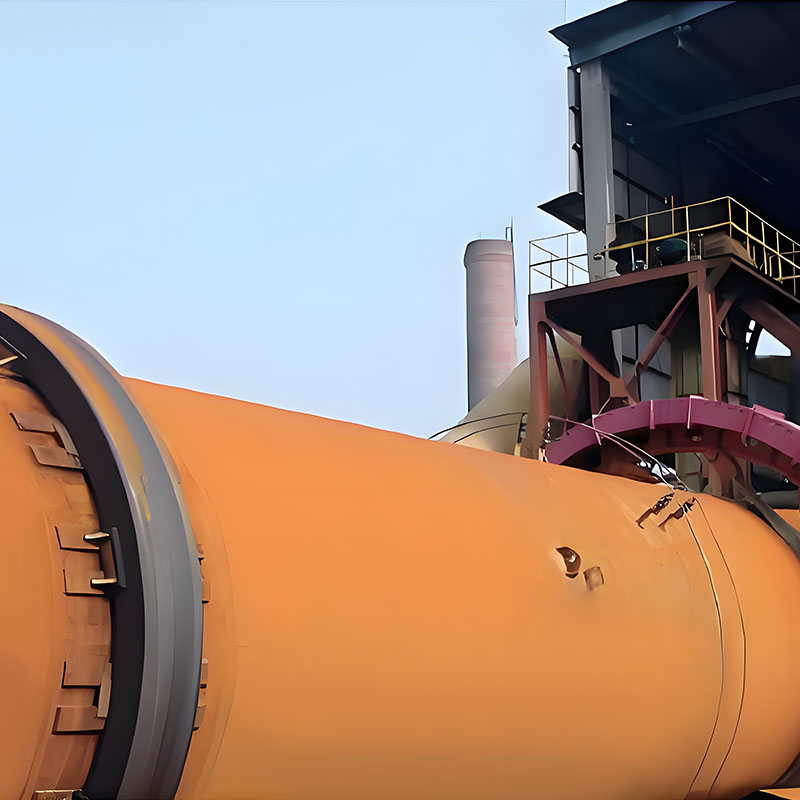

Optimized cement production solutions—reducing energy costs and increasing output efficiency.
- Product Category
- >Cement production line
- >Environment protection
- >Metallurgical and mining equipment
- >Pressure Vessel
- Quick Links
- >Products
- >Company
- >Equipments
- >Solutions
- >Services
- >News
- >Contact
- Contact us
-
-
 Call us for support+86 13584702563
 -
 Call us for supporthaijian@haijianstock.com
 -
 No. 198, Shuanglou Road, Qutang Town, Haian County, Jiangsu Province
-

